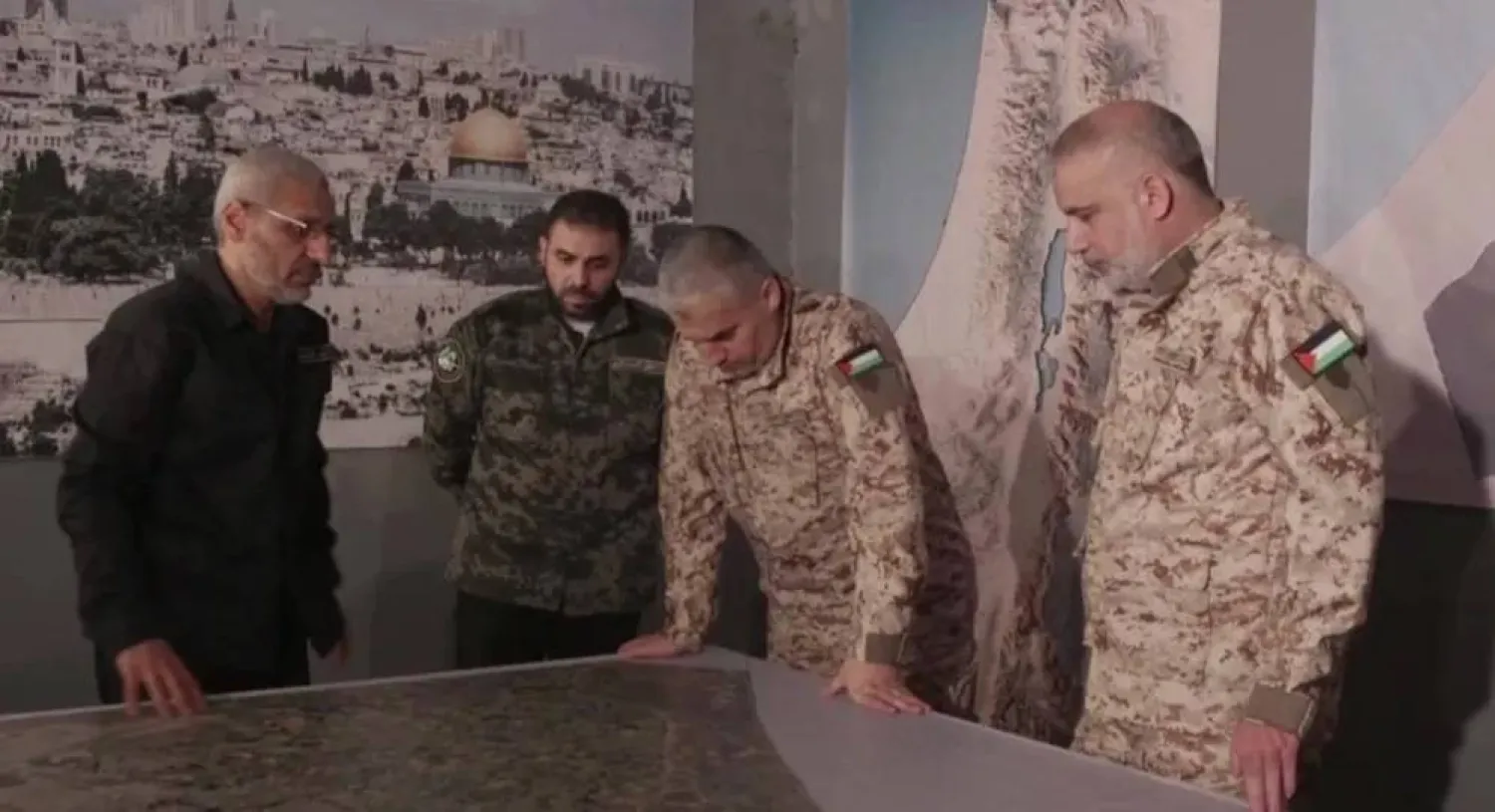

Throughout Israel’s war on Gaza, from October 2023 until a fragile ceasefire was announced two years later in October 2025, Israel’s pursuit of the leaders of Hamas and its military wing, the Qassam Brigades, was neither quick nor easy.
That changed in recent weeks.
A wave of faster, more concentrated assassinations peaked on May 15 with the killing of Qassam commander Izz al-Din al-Haddad after decades on the run. Less than two weeks later, Israel assassinated his successor, Mohammad Odeh.
The killings also reached one of the Qassam’s most prominent commanders, Imad Islim, who was targeted alongside the commander of the northern brigade, though the latter survived.
The campaign did not stop with commanders. It also hit prominent field operatives, most of them involved in the October 7, 2023, attack, as well as officials responsible for military manufacturing.
The pace of the killings has raised questions inside and outside Hamas over why Israel has been able to move so quickly. Some sources pointed to the growth of Israeli intelligence work in Gaza. Others cited Israel’s assault on Hamas tunnels and the security gap left by their destruction.
Hamas field sources told Asharq Al-Awsat that every assassination is investigated by specialists seeking to trace security leads or identify specific breaches.
Tunnels and the decision to leave them
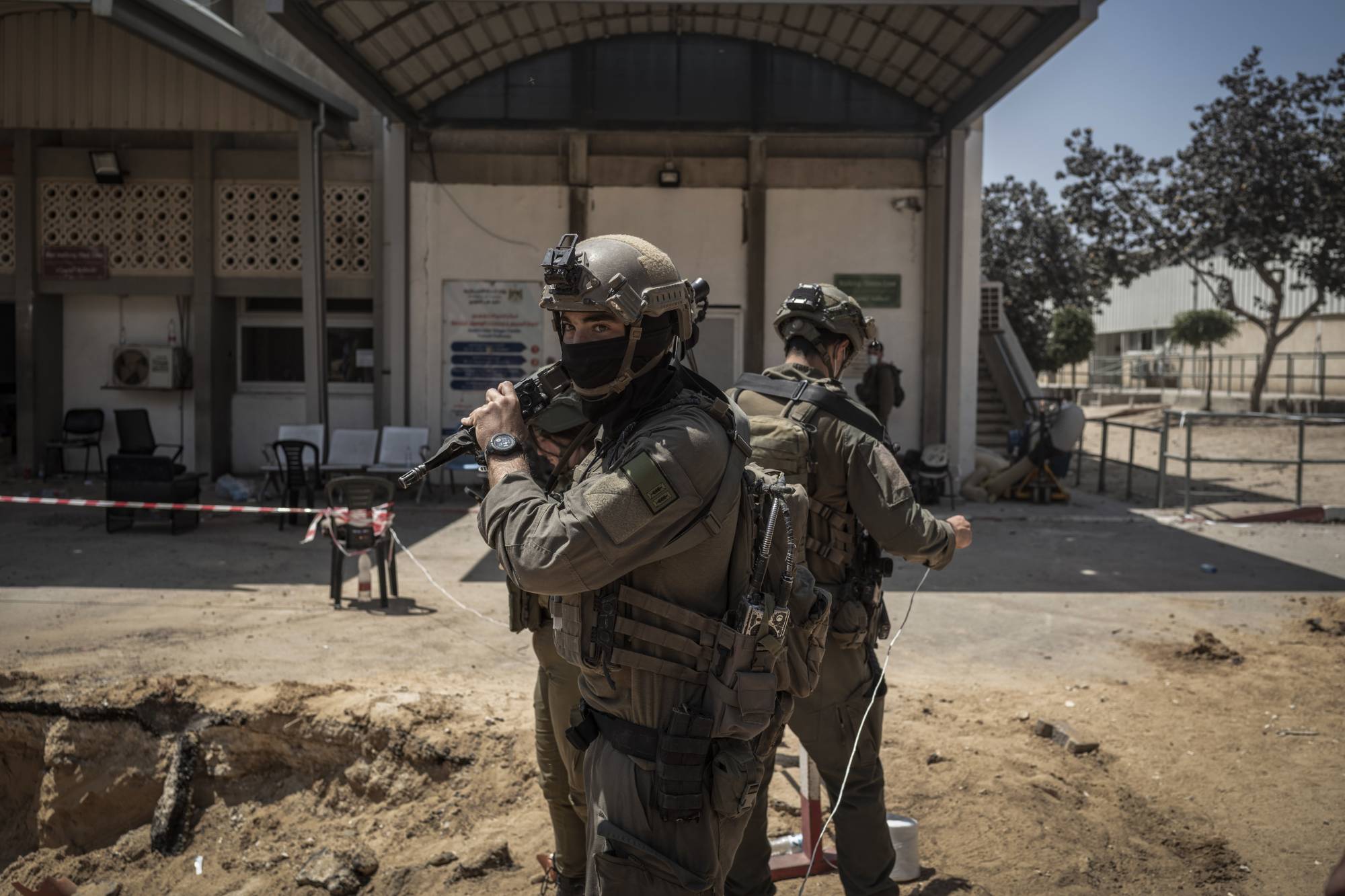
Four field sources said Israel’s intensified campaign against the tunnels was among the reasons behind the faster pace of assassinations. The campaign, they said, destroyed “very large numbers” of tunnels during and after the war.
Over two decades, Hamas dug hundreds, by conservative estimates, if not thousands, of tunnels for defense, attack, command and control. Some served as command sites for leaders directing battles.
The sources said Israel destroyed large numbers of tunnels through ground operations and airstrikes, at times killing operatives, commanders and even Israeli abductees held inside.
One source said that “because of the attacks, the leadership of the resistance decided to stop relying on tunnels and to act in a way that would help preserve the lives of commanders and operatives, as well as the abductees, with the aim of exchanging them for Palestinian prisoners.”
The sources said Israel launched a series of strikes on tunnels at the start of the war in October 2023. But because the network was so vast, Hamas decided only to leave tunnels in dangerous areas.
By late March 2024, as airstrikes intensified, especially against tunnels containing operatives and Israeli hostages, an immediate decision was made to move them above ground. Strikes on the tunnels later grew more severe.
A turning point
The sources said the move out of the tunnels “marked a turning point.” Tunnels were then used mainly for movement between locations or for specific attacks. They were no longer used except cautiously and temporarily by leaders or by prominent field operatives as hiding places.
Despite the growing danger, some Hamas and Qassam leaders continued to use them. Hamas political bureau members Rawhi Mushtaha and Sameh al-Sarraj were killed alongside Qassam field commanders in a tunnel in the industrial area south of Gaza City in July 2024.
The late Qassam commander Mohammad Sinwar and Qassam commander Mohammad Shabana were also killed, along with others, in a network of tunnels near the European Hospital in Khan Younis in May 2025.
One field source said: “Many field circumstances pushed political and military leaders at the time to resort to the tunnels and use them as hiding places, amid intensified Israeli pursuit of the movement’s and the brigades’ leaders.”
“The options were narrowing more and more,” they added.
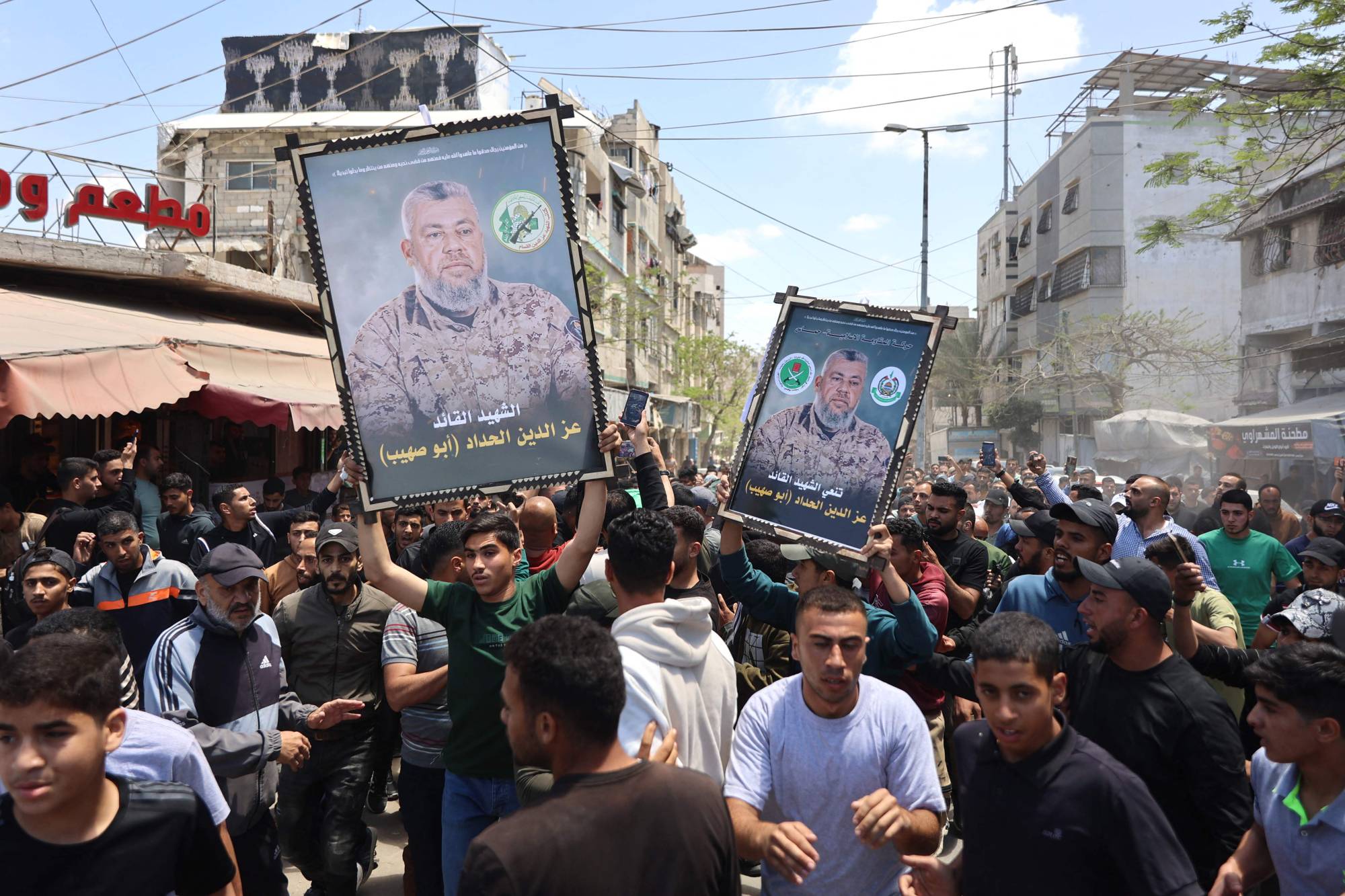
The same source said Haddad was among those who frequently used tunnels to move from place to place at the height of Israeli operations in northern Gaza.
Haddad, he said, survived more than once by remaining underground while Israel operated above him, using tunnels to move from one area to another.
But Haddad and others did not see tunnels as reliable hiding places, the source said.
For long periods during the war and after the ceasefire, they stayed above ground, moving in hiding by different means, without security escorts, and in ways meant to prevent Israel from tracking them. They also communicated through different channels.
Three Hamas field sources said several leaders repeatedly used tunnels, including Mohammad Sinwar and late Hamas leader Yahya Sinwar, who was killed in a sudden clash with an Israeli force in October 2024.
Shrinking room to hide
Tunnel destruction was not the only factor. The four Hamas sources said Israel’s expanded control east of the “yellow line”, which covers about 60% to 70% of Gaza, has pushed most of the population west of the line. That has narrowed the space for faction leaders and operatives to find safe or unmonitored locations.
The sources said most leaders and operatives of Palestinian factions are now confined to specific areas, like hundreds of thousands of Gaza residents living in the western parts of the strip after losing their homes and other places assigned to them.
Many stayed with their families or nearby, living in tents and other shelters like many others, making them more exposed to Israeli tracking and surveillance.
Spy technology and voiceprints
Field sources in Gaza give significant weight to Israeli spy technology in explaining how Israel has reached Hamas and Qassam leaders so quickly.
They agree on the role of spy drones that heavily patrol Gaza’s skies, along with other tools and human intelligence, including informants working with Israel.
One source said Israel has relied heavily on “the technological factor generated by artificial intelligence,” especially through modern Israeli-made drones using advanced cyber programs to track voiceprints, and possibly vital signs, to locate certain leaders in specific places.
The field source, who had reviewed investigations with suspected collaborators, said the drones eavesdrop on calls within specific, defined ranges after jamming them to isolate the voices coming from them or their surroundings. That, they said, may indicate the presence of a person whose voiceprint Israel has obtained through earlier phone recordings or a previous arrest.
The source said some informants working with Israel had managed to “plant various spying devices, some containing cameras and recording equipment, and others the size of an insect,” dropped by drones or planted by ground forces in areas they raided during the war.
One field source said, “Many informants were arrested and executed. A small number were from inside Hamas and the Qassam themselves, while most were from outside it.”
They said: “A person from outside Hamas was arrested after it became clear that he was linked to Haddad’s assassination, after he was spotted at the assassination site and at another location where Haddad had also been present.”
Two sources confirmed the suspect was being interrogated.
“The detainee confessed that he had been tracking Haddad on instructions from an Israeli intelligence officer, who was giving him specific locations where Haddad’s family was present,” said one of the sources.
At the height of the war in Gaza, Palestinians were executed by members of Palestinian factions after being arrested at Israeli attack sites. The Qassam described the proceedings against them as “revolutionary courts.”
They included one person from inside Hamas and another from outside it. Both were accused of “providing information that led to reaching Qassam commander Mohammad Deif, who was assassinated in July 2024.”