IATA to Asharq Al-Awsat: Saudi Airlines Lead Gulf Aviation Resilience in Absorbing Shockshttps://english.aawsat.com/business/5281266-iata-asharq-al-awsat-saudi-airlines-lead-gulf-aviation-resilience-absorbing-shocks
IATA to Asharq Al-Awsat: Saudi Airlines Lead Gulf Aviation Resilience in Absorbing Shocks
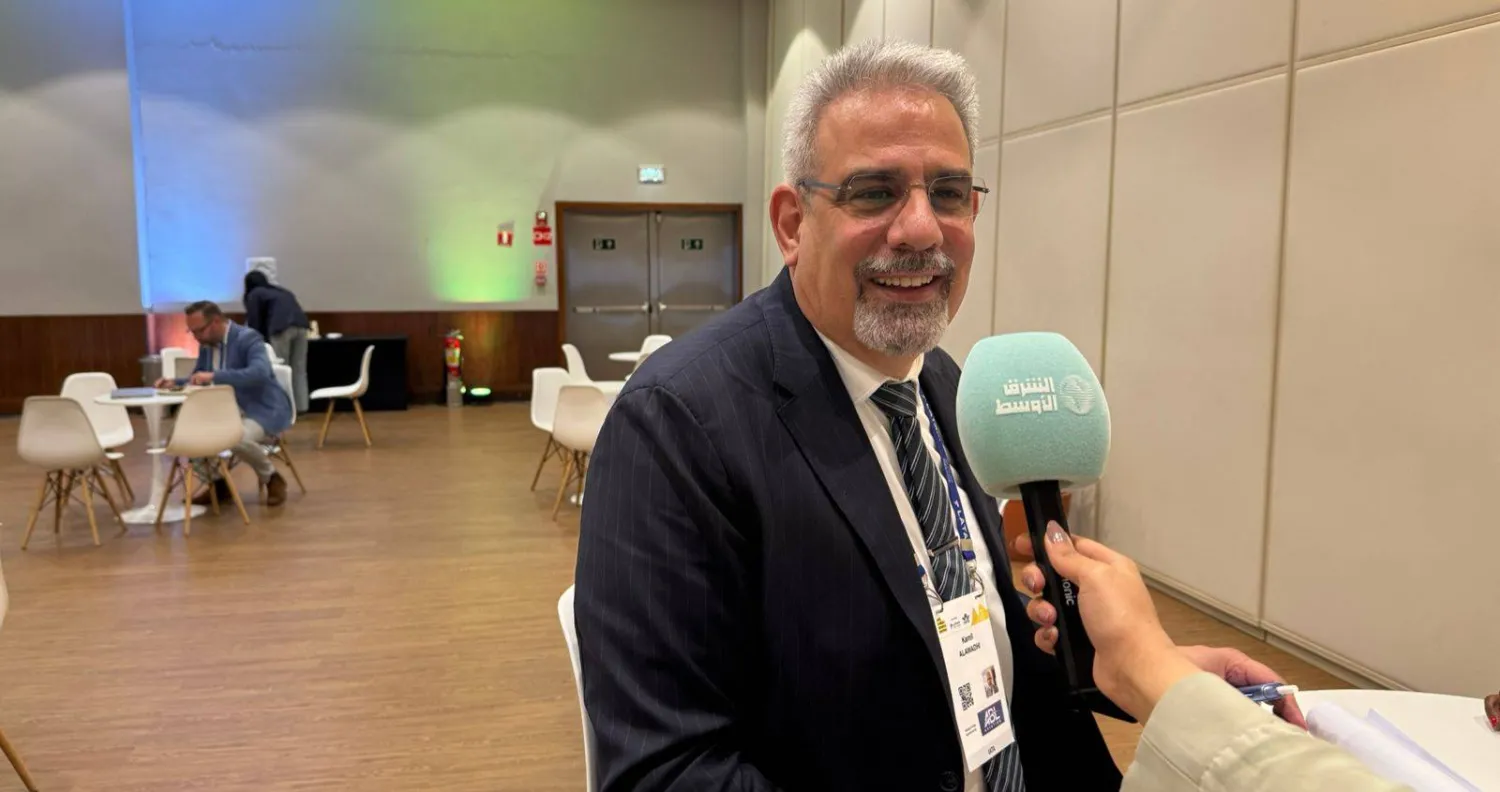
Kamil Al-Awadhi, Regional Vice President of the International Air Transport Association (IATA) for Africa and the Middle East, speaks to Asharq Al-Awsat. (Asharq Al-Awsat)
IATA to Asharq Al-Awsat: Saudi Airlines Lead Gulf Aviation Resilience in Absorbing Shocks
Kamil Al-Awadhi, Regional Vice President of the International Air Transport Association (IATA) for Africa and the Middle East, speaks to Asharq Al-Awsat. (Asharq Al-Awsat)
Despite Gulf airlines incurring billions of dollars in losses due to recent geopolitical tensions, Saudi carriers have demonstrated exceptional resilience and an impressive ability to absorb shocks quickly. This comes amid optimistic forecasts for long-term growth in air travel across the Middle East and Africa, projected to reach 3.9% annually through 2050.
This was stated by Kamil Al-Awadhi, Regional Vice President of the International Air Transport Association (IATA) for Africa and the Middle East, in exclusive remarks to Asharq Al-Awsat.
He explained that geopolitical developments and repeated airspace closures have had a direct impact on the profitability of regional airlines, with passenger traffic among Gulf carriers declining by approximately 50% in March and 47% in April.
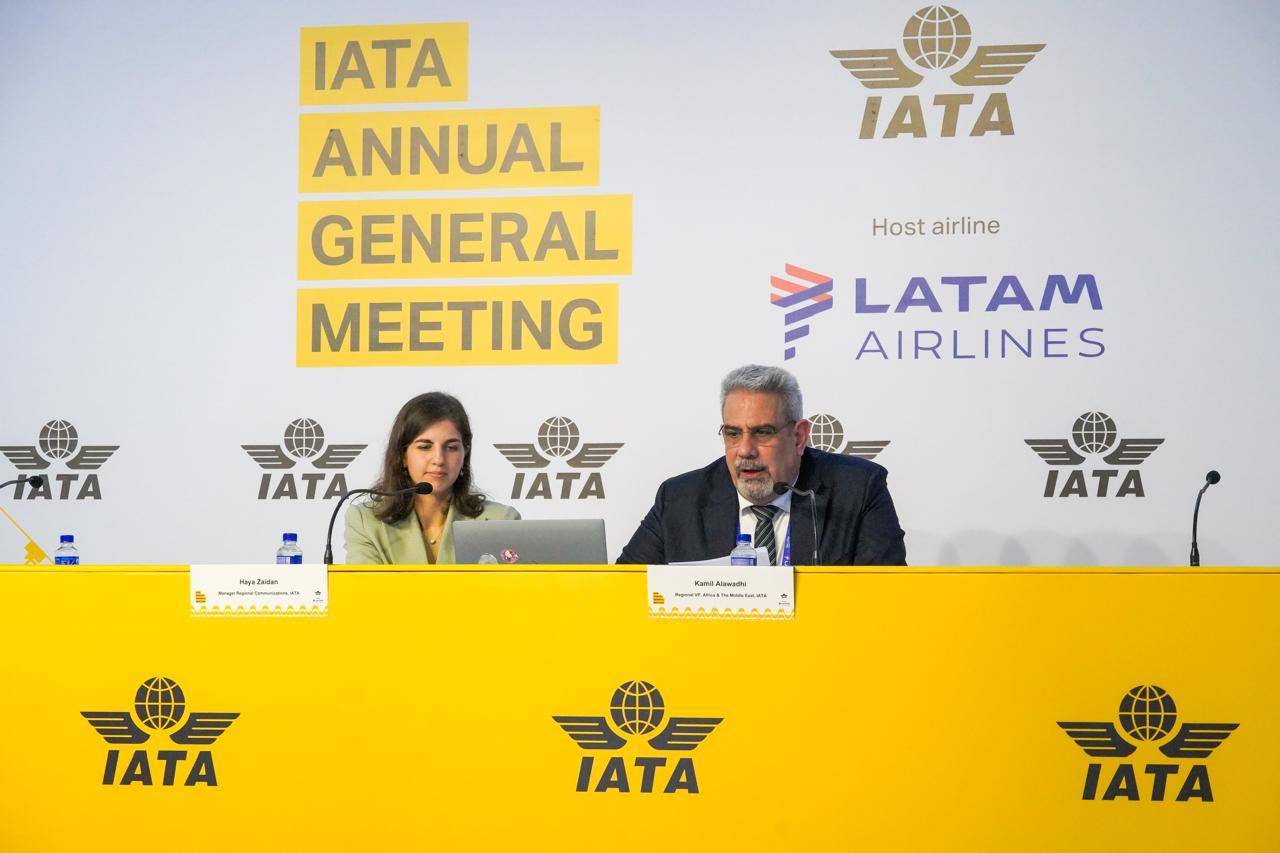
Nevertheless, during a media briefing held on the sidelines of IATA’s Annual General Meeting in Rio de Janeiro, Al-Awadhi stressed that Saudi Arabia’s aviation sector moved at remarkable speed to restructure its operations and adapt to changing conditions.
He projected growth for the Kingdom’s aviation sector of between 3% and 5%, describing this as a positive indicator given the challenges currently facing the global airline industry.
This encouraging performance comes at a time when Al-Awadhi warned of the continuing global problem of blocked airline funds, with the Middle East and Africa accounting for the largest share of such trapped funds, estimated at nearly $740 million.
A logo of the International Air Transport Association (IATA) is displayed, in Geneva, Switzerland, April 28, 2026. (Reuters)
Rio de Janeiro meeting
Al-Awadhi's remarks were made on the sidelines of IATA's 82nd Annual General Meeting and the accompanying World Air Transport Summit, which is being hosted in the Brazilian city of Rio de Janeiro.
This event is the most prominent fixture on the global civil aviation industry's annual calendar. It brings together leaders and representatives from more than 330 member airlines of the IATA, which account for approximately 80 percent of global air traffic, alongside monetary and political decision-makers, suppliers, and airport and air navigation regulators from around the world.
Critical timing and key issues
The Rio de Janeiro meeting is being held at a time when the global aviation industry is facing an exceptionally complex operating environment.
Key items on the agenda include the impact of geopolitical conflicts on international air corridors, the resilience of global supply chains for aircraft and spare parts, as well as sustainability initiatives and the transition to sustainable aviation fuel (SAF) in pursuit of net-zero carbon emissions by 2050.
The gathering also traditionally features the release of IATA’s updated economic outlook, including its projections for the global airline industry's profits or losses.
Investors closely monitor the report as a key indicator of regional market performance, particularly in the Middle East, which serves as a vital aviation hub connecting East and West.
Al-Awadhi speaks at a press briefing in Rio de Janeiro. (Asharq Al-Awsat)
Impact of geopolitical tensions on the sector
Al-Awadhi told Asharq Al-Awsat that the repercussions of the recent crisis have led to repeated airspace closures, higher fuel costs, and weaker travel demand in certain markets.
Around 10 countries were forced to close their airspace, some for periods of up to 70 days, causing widespread disruption to air traffic across the region, he revealed.
Gulf airlines were particularly affected due to the suspension of certain flight routes and disruptions to transit traffic through major aviation hubs. As a result, they have yet to return to the operating levels seen before last February, he added.
Despite these challenges, Al-Awadhi stressed that the long-term outlook remains positive for both Africa and the Middle East.
He explained that passenger traffic in the Middle East is projected to grow by 3.5 percent annually under the high-growth scenario through 2050, and by 3.1 percent under the baseline scenario. Africa, meanwhile, is expected to record annual growth of between 3.2 percent and 3.9 percent over the same period.
“The Middle East represents a success story in resilience and recovery, while Africa remains a major growth opportunity that has yet to be fully realized,” he remarked.
Blocked funds
On another issue, Al-Awadhi warned that the crisis of blocked airline funds remains unresolved, noting that Africa and the Middle East account for approximately 98 percent of all blocked airline funds worldwide.
He said that the total value of trapped funds in the two regions stands at about $740 million out of a global total of $756 million. Algeria tops the list with around $160 million in blocked funds, followed by Lebanon with approximately $139 million, and Mozambique with about $87 million.
The biggest challenge lies in the depreciation of local currencies, coupled with the fact that airlines are unable to freely repatriate substantial amounts of their revenues, he added.
The situation in Lebanon is somewhat different, as the Lebanese currency has lost a significant portion of its value as a result of the country's economic collapse, he noted.
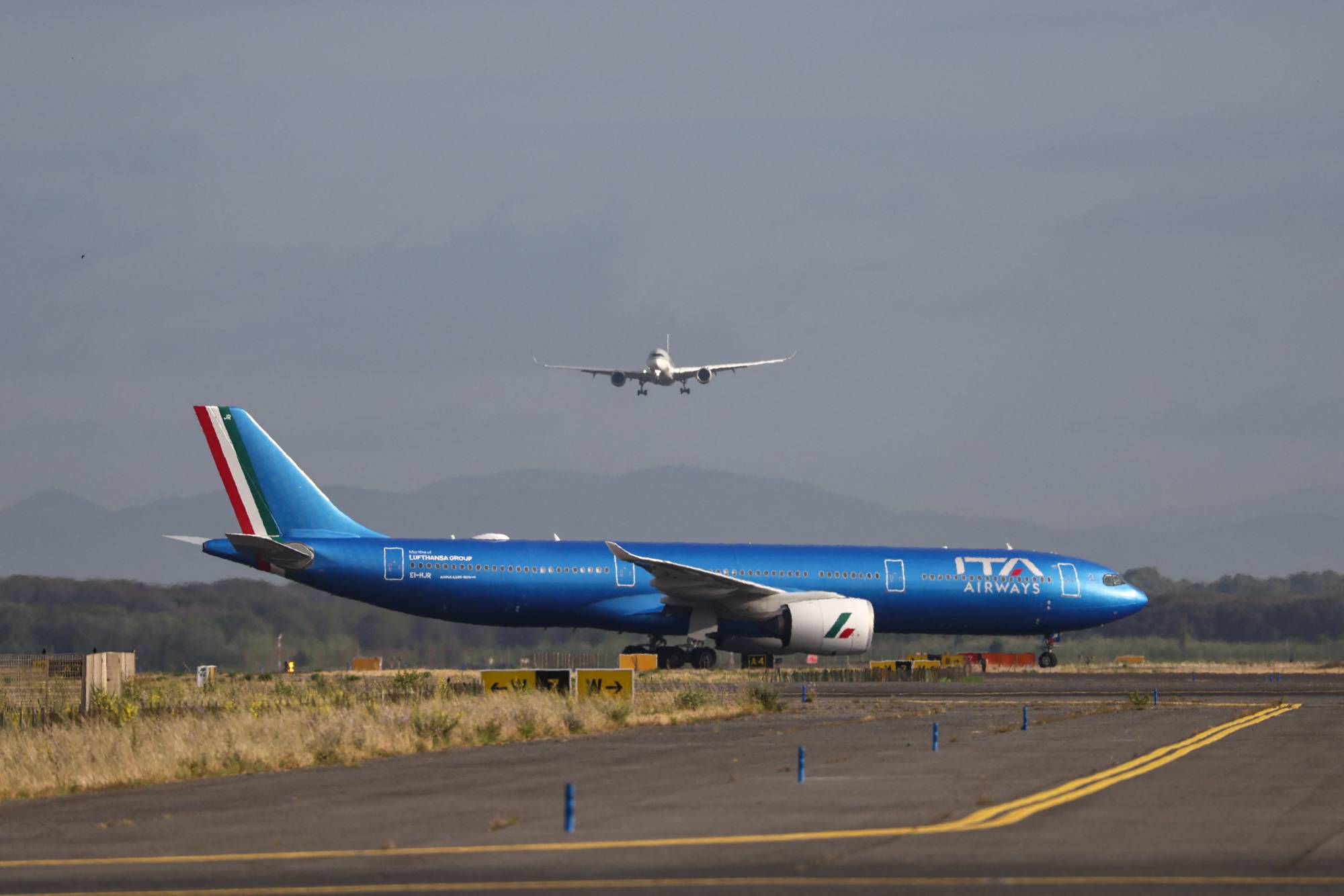
An ITA Airways aircraft stands on the tarmac as another aircraft approaches Rome's Fiumicino airport, as European airlines monitor higher jet fuel costs and supply concerns linked to tensions in the Middle East, in Fiumicino, Italy, June 6, 2026. (Reuters)
In Algeria, large sums remain trapped in the banking system, and airlines may have to wait up to a year before they can access those funds. During that period, the local currency may depreciate against the US dollar, eroding part of the airlines’ revenues and profits when the funds are eventually converted, Al-Awadhi said.
He added that airlines have already incurred expenses for fuel, maintenance, airport charges, and air navigation fees long before they are able to recover their revenues, placing additional financial pressure on carriers operating in those markets.
Challenges facing African airlines
Al-Awadhi pointed out that African airlines continue to face challenges related to weak profitability and high operating costs, including expenses for fuel, taxes, infrastructure charges, and aircraft financing and leasing.
The aviation environment across the continent is gradually improving, but that the pace of reform remains slower than required, he noted.
He called on governments to adopt more supportive policies for the sector and to recognize its role in stimulating economic growth and creating jobs.
From Saudi Arabia to the Nile Valley: Food Investment Begins at the ‘First Mile’https://english.aawsat.com/business/5339847-saudi-arabia-nile-valley-food-investment-begins-%E2%80%98first-mile%E2%80%99
From Saudi Arabia to the Nile Valley: Food Investment Begins at the ‘First Mile’
A view of an IFAD project in the Middle East.
A crop grown in a small African village may never reach the market where it commands its true value. Between the farmer producing food and the investor seeking opportunities in agricultural supply chains lies a divide shaped by gaps in financing, technology, infrastructure and knowledge.
The International Fund for Agricultural Development (IFAD) wants to close that divide by turning small-scale producers from aid recipients into economic partners. That ambition is driving early discussions on closer cooperation between IFAD and Saudi Arabia, potentially linking agricultural investment to smallholder farmers in Africa and strengthening the role of financing and expertise in food systems.
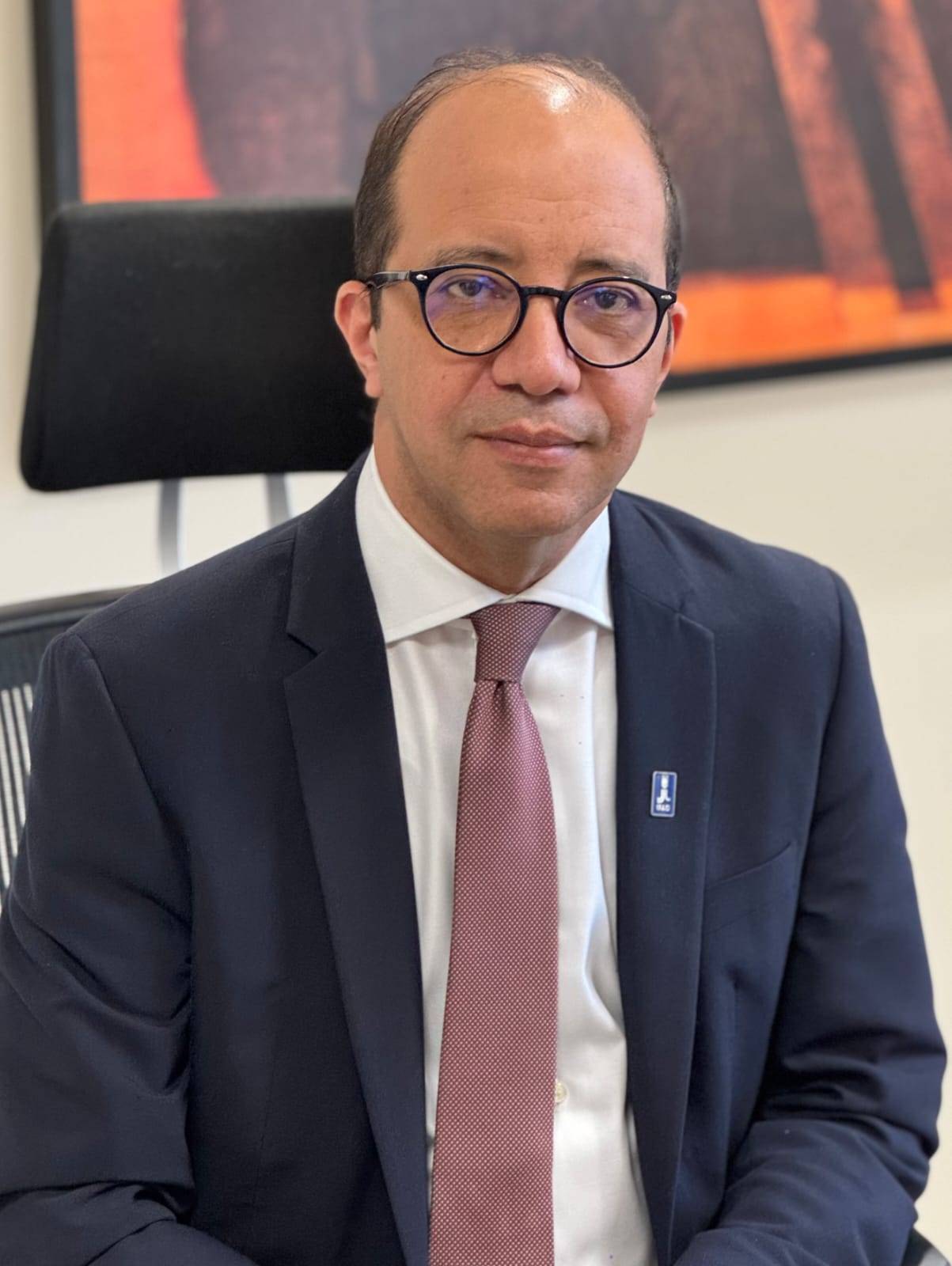
Naoufel Telahigue, IFAD's regional director for the Near East, North Africa, Europe and Central Asia, said the fund was seeking to deepen ties with Saudi Arabia and explore opportunities in agricultural investment and rural development, with a focus on connecting small-scale producers to markets.
Speaking to Asharq Al-Awsat on the sidelines of Cairo Water Week, Telahigue said discussions remained preliminary, centered on proposals and potential financing mechanisms.
An agreement has been signed with Saudi Arabia's Public Investment Fund (PIF), but no joint projects have been implemented, he said.
Bridging the gap between agreement and execution is where IFAD sees its role: providing technical expertise, strengthening value chains, organizing small-scale producers and connecting them to larger investments and markets.
The push comes as food security, water efficiency and agricultural innovation gain importance, aligning with Saudi Arabia's economic and development priorities.
Naoufel Telahigue, IFAD's regional director for the Near East, North Africa, Europe and Central Asia.
Saudi Arabia: Beyond financing, toward market access
For IFAD, potential cooperation with Saudi Arabia is about more than money. It offers a chance to exchange expertise and build investment models that support rural development.
Telahigue said partnerships with donor countries, including Saudi Arabia, could combine knowledge-sharing, stronger agricultural value chains and tools such as contract farming to connect producers directly with markets.
The approach could give investors more organized, reliable supply chains while helping farmers secure financing, technology and buyers. But the proposed Saudi partnership remains an ambition rather than an operational joint investment program.
Turning it into reality, Telahigue said, would require financing, technical expertise and local institutions capable of organizing production. The objective is to ensure investment benefits reach farmers at the start of the food supply chain, rather than remaining concentrated in processing and trade.
The first mile: Where the real economic challenge begins
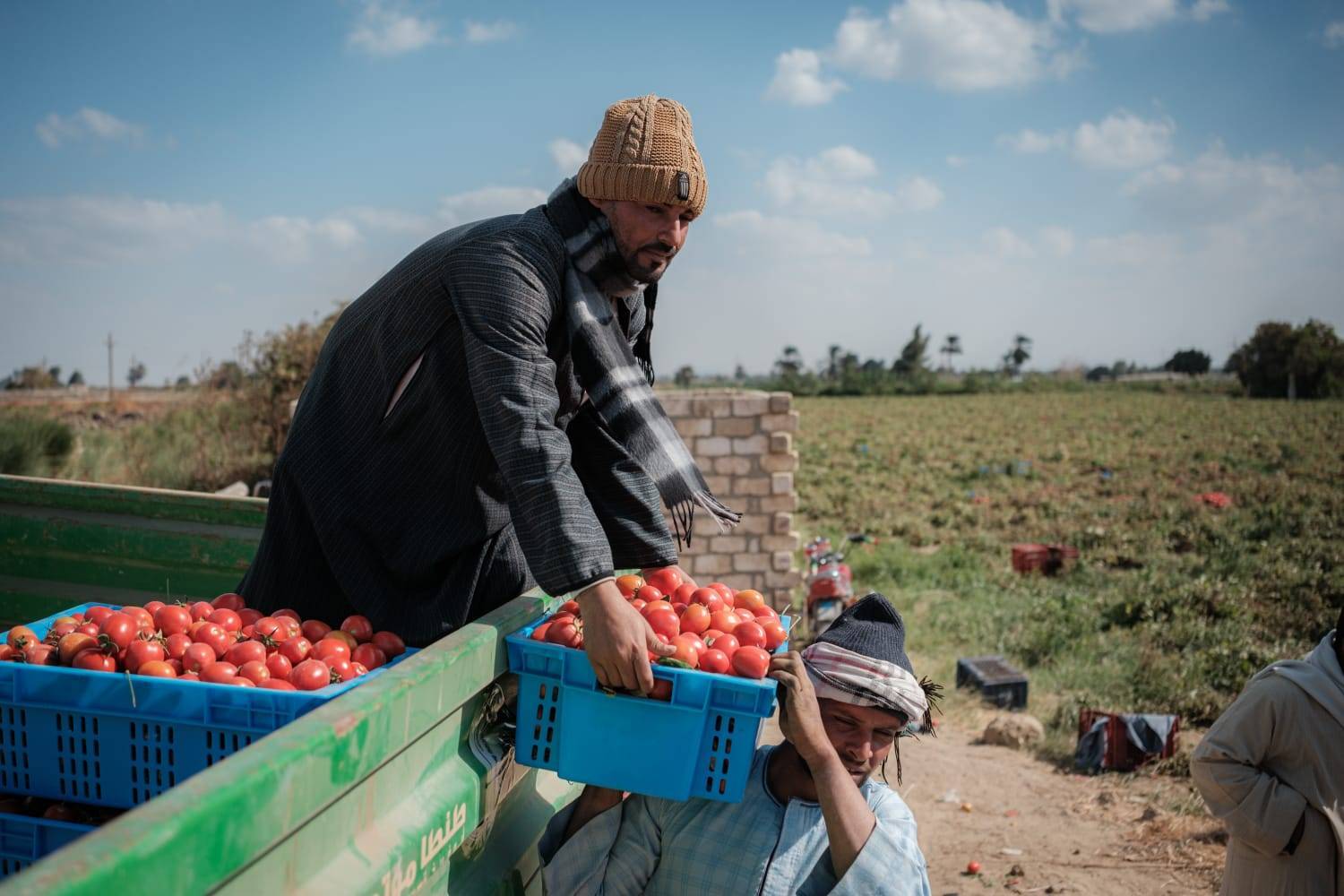
IFAD calls the point where small-scale producers operate the "first mile" of food systems. Long before crops reach factories, ports or supermarket shelves, farmers must make decisions that determine whether production will generate a viable income. They need water, seeds, energy and financing. Just as importantly, they need to know what they can sell, who will buy it and at what price.
Telahigue said the sharpest gaps lie at this first mile, where access to financing, technology, infrastructure and markets remains limited.
Closing them is central to IFAD's mission. With 180 member states, the fund operates both as an international financial institution and a specialized United Nations agency. Its goal is not simply to help farmers produce more, but to enable them to build viable, lasting businesses.
If farmers do not benefit financially from farming, it will not be sustainable, Telahigue stressed.
Egypt: Putting water efficiency to the test
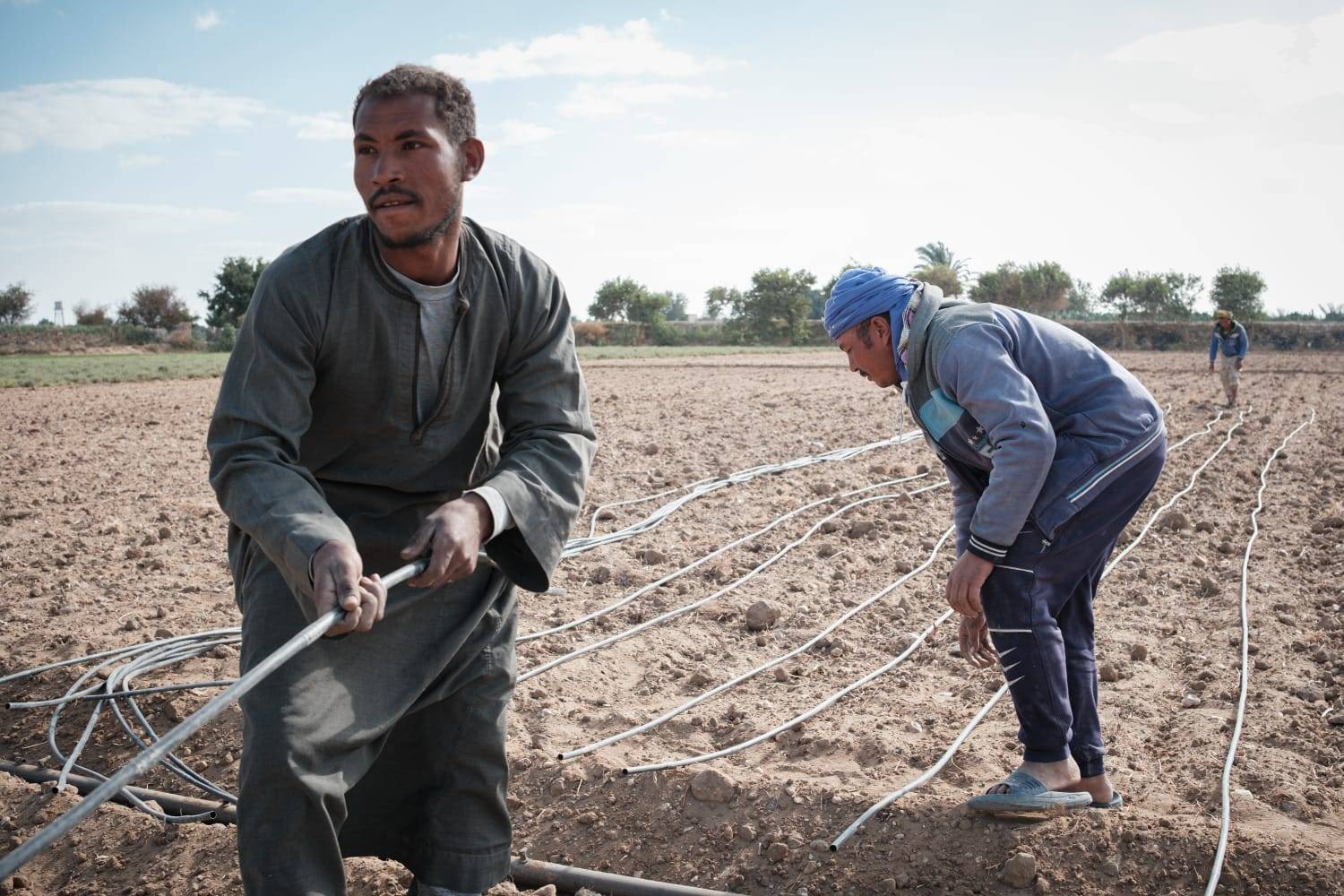
Along Egypt's Nile Valley, that approach is taking shape through investment in water management. In Beni Suef and Minya, the Climate-Resilient On-Farm Water Management in the Nile Valley project (CROWN) aims to support about 90,000 rural households and improve water management across 30,000 feddans of farmland.
IFAD is contributing $63 million to the project, while total investment stands at about 153 million euros, according to figures Telahigue cited during the interview.
The project seeks to curb inefficient water use, raise agricultural productivity and incomes, and help farmers adapt to climate change. Work includes rehabilitating irrigation canals and distribution channels, improving water measurement and allocation, and upgrading irrigation systems through technologies including solar power and drip irrigation.
But infrastructure is only part of the equation. The project also aims to strengthen water user associations that will take responsibility for managing and maintaining irrigation systems after funding ends.
Telahigue said inadequate measurement of water consumption remained a challenge in some areas.
Without knowing how much water is being used, improving efficiency becomes harder. That makes investment in reliable data and local governance as important as investment in irrigation networks.
IFAD wants to close that divide by turning small-scale producers from aid recipients into economic partners.
When projects end, what survives?
Another Egyptian initiative offers a test of whether agricultural development can outlast its funding. The Sustainable Agriculture Investments and Livelihoods Project (SAIL), nearing completion after more than a decade, has reached more than 40,000 rural households. It has strengthened 65 water user associations and provided more than 1,000 grants to women launching businesses.
The project has also supported farmer organizations, expanded access to rural financing and helped small-scale producers improve production and diversify their incomes.
But Telahigue said the true measure of success would come after the project ends. What matters is whether communities retain the institutions, skills and capacity to sustain what has been built.
A grant may help a rural woman start a business. Its lasting impact depends on whether that business survives and grows. Similarly, new irrigation infrastructure brings lasting economic value only if water user associations can operate and maintain it without permanent external support.
Egypt's deserts: More than 2,100 livelihood opportunities for women
In Egypt's desert communities, the challenge is not only producing more food but also protecting households against unpredictable conditions.
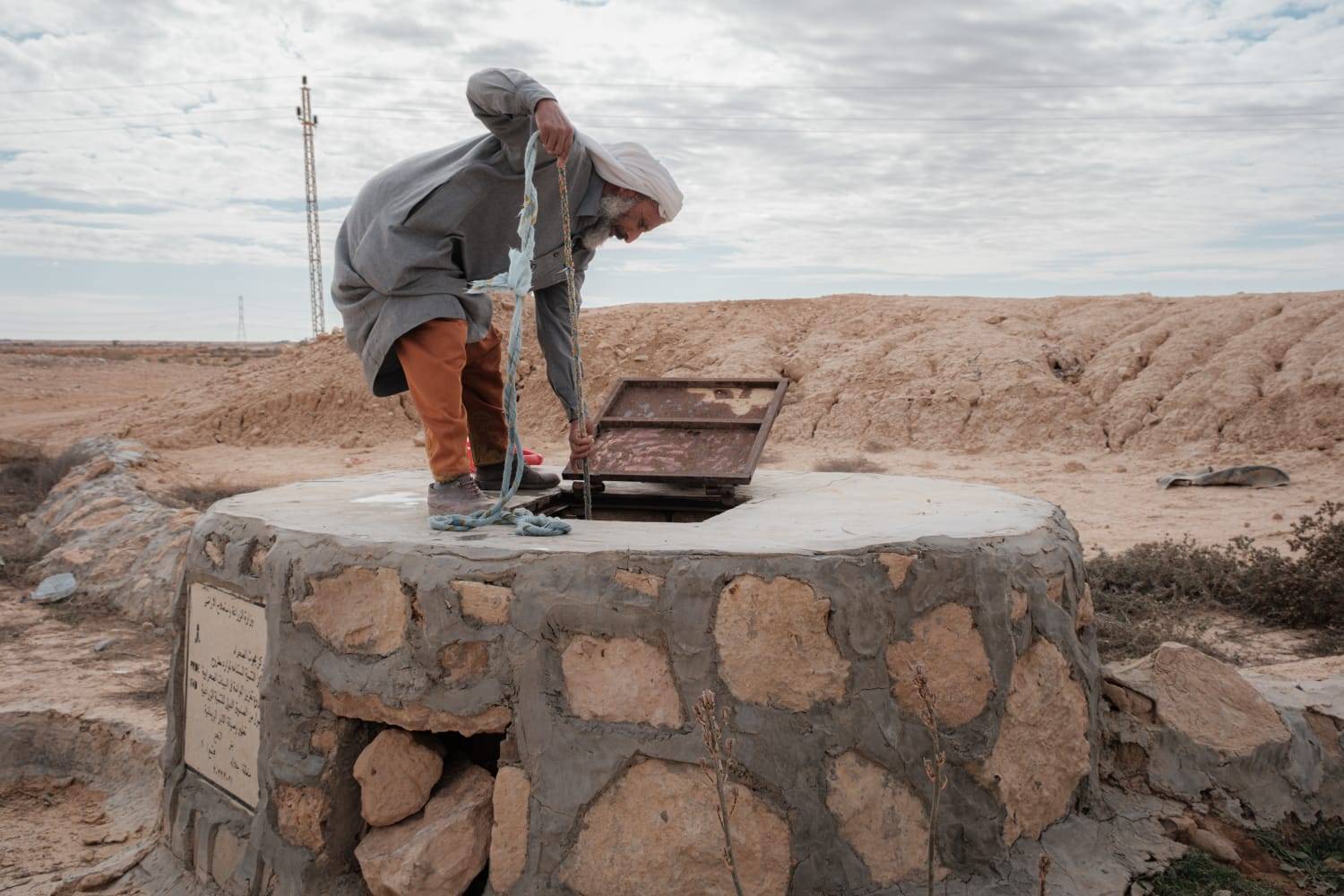
Through the Promoting Resilience in Desert Environments project (PRIDE), IFAD supports rainwater harvesting and land rehabilitation, with potential to expand innovative solutions such as small-scale desalination. The project has provided women with more than 2,100 livelihood support packages covering activities including livestock production and handicrafts.
The aim is to reduce dependence on a single source of income, so that a poor farming season or declining rainfall does not wipe out a household's livelihood.
Telahigue said countries facing similar climate pressures could benefit from exchanging such experiences.
He said IFAD was working with the Egyptian government to strengthen South-South cooperation, with a grant expected to support knowledge-sharing and the exchange of practical experience.
Sudan: Solar power keeps farms running through war
In Sudan, agricultural resilience faces an even harsher test.
Beyond drought and rising production costs, farmers must contend with war, displacement and economic disruption. Yet communities supported by the Sustainable Natural Resources and Livelihoods Program have continued farming despite the conflict.
Solar-powered irrigation has allowed farmers to cultivate their land as fuel prices climbed and diesel became harder to obtain.
In some project areas, local communities reported taking in internally displaced families seeking places where farming and basic economic activity remained possible.
Investments made before the war in renewable energy, natural resource management and local institutions have helped sustain livelihoods during the conflict.
For Telahigue, the lesson is clear: Resilience must be built before a crisis hits, not only after production collapses.
Yemen: Reclaiming land from destructive floods
In Yemen, seasonal floods have repeatedly stripped farmland of its topsoil, damaged agricultural land and undermined families' ability to produce food.
Through IFAD's Crisis Response Initiative, local communities have invested in soil and water conservation measures, including stone barriers to protect waterways and structures to rehabilitate watersheds. The work has reduced soil erosion, protected farmland and, in some locations, restored land previously lost to flooding.
For farmers, the impact goes beyond repairing environmental damage. It means recovering land that can once again produce food and income. The experience shows why agricultural investment in conflict-affected areas must also protect the natural resources on which local economies depend.
Telahigue said partnerships with donor countries could combine knowledge-sharing, stronger agricultural value chains and tools such as contract farming to connect producers directly with markets.
Sudan: Small savings open the door to credit
Access to formal banking can appear out of reach for smallholder farmers, especially in communities affected by conflict. Yet, closing that gap can begin with something as simple as collective savings.
In Sudan's Blue Nile state, the Livestock Marketing and Resilience Program supported women's savings and credit groups, including Al-Wifaq.
Members pooled their savings, borrowed within the group and then used those savings as collateral to secure financing from microfinance institutions. The arrangement helped women invest in livestock production and small businesses.
Syria: Building finance from the ground up
In Syria, the Integrated Livestock Development Project has expanded community-based financing mechanisms to reach more than 39,500 direct beneficiaries, 54% of them women. The mechanisms provided savings and microcredit services to rural households, particularly those headed by women.
The experiences in Sudan and Syria point to a shared lesson: Bridging the rural financing gap does not always begin with large banks. Sometimes it starts with trust, collective savings and the ability of communities to finance economic activity from within.
A $2 billion portfolio — and a far bigger financing challenge
IFAD's active portfolio across Telahigue’s region stands at about $2 billion, split roughly equally between the fund's own resources and co-financing.
Each dollar mobilized through donor contributions helps attract about six dollars in investment, he said. Yet the scale of demand, particularly for water infrastructure, still far exceeds available funding.
Asked how IFAD would spend an additional $1 billion, Telahigue said the largest share would likely go to infrastructure, with some directed toward credit lines to help producers expand their businesses and create jobs.
The precise priorities, however, would depend on individual governments' needs, whether water security, employment, productivity or food security.
Telahigue also stressed the role of public investment in attracting private capital. Investors are unlikely to enter areas without roads or reliable water supplies.
More crops, fewer resources: Can agriculture deliver both?
As climate pressures mount, increasing agricultural output is no longer enough to define success.
"If I increase production while depleting freshwater resources, what will I leave for the next generation?" Telahigue asked.
He called for agricultural systems capable of producing more with fewer resources, using efficient irrigation, drought- and salt-tolerant crops, and closer integration between crop and livestock production.
Artificial intelligence and early warning systems could also help predict crop risks and improve resource management, he said.
But technology cannot solve the problem alone. If small-scale producers cannot secure financing or reach markets, gains in productivity may not translate into sustainable livelihoods. That makes investment in knowledge, training and local organization just as important.
IFAD calls the point where small-scale producers operate the "first mile" of food systems.
The final test: What remains after the money runs out?
As IFAD advances its 14th replenishment cycle, its priorities include stronger resilience to shocks, more jobs for young people and women, better market access, innovation and greater private-sector involvement.
From early discussions with Saudi Arabia to water management in Egypt, women's financing initiatives in Sudan and Syria, and farmland restoration in Yemen, the same question runs through IFAD's work. What happens after the investment is made?
Success is not simply a matter of delivering funding to rural communities. It depends on whether farmers can continue financing their businesses, local institutions can manage their resources, producers can reach markets and families can withstand the next crisis without losing their incomes.
Business as usual is no longer an option, Telahigue said.
In a region facing mounting pressures from water scarcity, food insecurity, energy challenges and conflict, the defining economic question is no longer how much food can be produced today. It is whether the communities that produce it can survive — and continue producing — tomorrow.
Saudi Arabia, US Sign MoU on Strengthening Trade, Investment Cooperationhttps://english.aawsat.com/business/5339781-saudi-arabia-us-sign-mou-strengthening-trade-investment-cooperation
The agreement was signed during a session on Saudi-US innovation and economic cooperation on the sidelines of the B20 Summit in Washington, DC. (SPA)
TT
TT
Saudi Arabia, US Sign MoU on Strengthening Trade, Investment Cooperation
The agreement was signed during a session on Saudi-US innovation and economic cooperation on the sidelines of the B20 Summit in Washington, DC. (SPA)
The Federation of Saudi Chambers of Commerce and the US Chamber of Commerce signed on Tuesday a memorandum of understanding aimed at strengthening trade and investment cooperation and expanding opportunities for collaboration between the business sectors between their countries.
The signing took place on the sidelines of the B20 Summit in Washington, DC.
The agreement was signed during a session on Saudi-US innovation and economic cooperation, organized by the US Chamber of Commerce, with the participation of Deputy Chief of Mission at the Saudi Embassy in the United States Nawaf Alissa, Secretary-General of the Federation of Saudi Chambers of Commerce Sultan Al-Musallam, and several US Chamber of Commerce officials and representatives of companies and the business sector.
Alissa highlighted the depth of economic relations between Saudi Arabia and the US.
The partnership has continued to evolve, expanding from traditional sectors into new fields, including artificial intelligence, digital technologies, advanced manufacturing, and infrastructure, amid the economic transformation underway in the Kingdom under Saudi Vision 2030, he remarked.
He noted that the total value of investment activities by the Public Investment Fund in the United States has reached approximately $170 billion since 2017, stressing the importance of sustaining the investment partnership between the two countries and strengthening cooperation in future economic sectors.
The event coincides with the B20 Summit, being held in Washington from November 9 to 11, with the participation of business leaders and international economic institutions to discuss priorities related to economic growth, trade, investment, and innovation.
China’s Trade Surplus Soars Past $1 Trillion as AI Boom Powers Exportshttps://english.aawsat.com/business/5339610-china%E2%80%99s-trade-surplus-soars-past-1-trillion-ai-boom-powers-exports
In this aerial photo, new Tesla electric vehicles wait for shipment to overseas markets in a port in Shanghai on Tuesday, Nov. 10, 2026. (Chinatopix via AP)
TT
TT
China’s Trade Surplus Soars Past $1 Trillion as AI Boom Powers Exports
In this aerial photo, new Tesla electric vehicles wait for shipment to overseas markets in a port in Shanghai on Tuesday, Nov. 10, 2026. (Chinatopix via AP)
China's trade surplus surged past $1 trillion in the first 10 months as a global race to build AI infrastructure buoyed sales of high-tech products and helped offset weak domestic demand, a dynamic likely to sharpen tensions with major trading partners.
The data comes ahead of next week's Asia-Pacific Economic Cooperation summit in Shenzhen, where Chinese President Xi Jinping and US President Donald Trump are expected to meet for the third time this year, putting broader economic ties and tariff policy squarely in focus.
The figures highlight Beijing's growing reliance on overseas demand to support an economy hobbled by subdued consumption and a protracted property slump. But while the global AI investment boom is expected to keep demand for Chinese technology products strong into 2027, analysts warn that deeper dependence on external markets could leave China more vulnerable to protectionist measures abroad while masking persistent weakness at home.
Exports rose sharply by 35.2% in October from the same month last year in US dollar terms, customs data showed on Tuesday, only a touch slower than the 36.3% surge in September and comfortably ahead of economists' forecast for an increase of 33.5%.
That helped lift China's trade surplus to $1.04 trillion in the first 10 months, topping $1 trillion for a second consecutive year and reaching the milestone a month earlier than in 2025.
The swelling surplus could fuel further tensions with the European Union, where leaders have called for more trade curbs with China after reaching an agreement with Beijing to limit Chinese exports of hybrid vehicles to the bloc over the next few years. Because the measures have yet to take effect, factories are expected to bring forward shipments, bolstering exports in the near term.
"The risk of additional tariffs and other trade barriers will remain elevated in 2027, particularly as Chinese manufacturers continue expanding their presence in overseas markets," said Joe Peissel, lead macroeconomist at Trivium China.
China's trade surplus with the US narrowed slightly to $32.71 billion in October from $34.01 billion the previous month, though the broader imbalance remains a source of friction between the world's two largest economies.
Beijing and Washington on Monday formally extended by two months a trade truce that had been due to expire on Tuesday. China said last week that any expansion of purchases of US farm goods would hinge on the implementation of agreed reciprocal tariff reductions.
Imports rose 41.6% in October from a year earlier, beating the 32% increase forecast in the Reuters poll and accelerating from the 31% growth in September. Customs data also showed rare-earth exports edged higher from the previous month, while crude oil imports climbed to their highest level since March as buyers adjusted to supply disruptions in the Middle East.
"The contraction in rare-earth export volumes eased last month, suggesting that China may have begun to relax enforcement of some export controls," said Nguyen Hoang Nam, China economist at Capital Economics. "This may reflect continued pressure from the US on Beijing to improve rare-earth supplies."
The data elicited little market response, with China's blue-chip CSI300 Index and the Shanghai Composite Index both edging up 0.1% by the lunch break.
HEADWINDS
One big worry for Beijing is that consumers remain reluctant to spend, constrained by a property market downturn that has battered household wealth and dented confidence in the economic outlook.
Sluggish demand at home has pushed Chinese automakers to seek sales in overseas markets. China's car exports maintained a solid pace of growth in October, while domestic vehicle sales recorded a 12th straight month of declines, separate data released by an industry association showed.
Greater reliance on exports, however, leaves China's economy increasingly exposed to any slowdown in global demand, with some analysts cautioning that shipment growth could cool once the AI investment cycle matures.
For now, most industry observers expect AI-related demand to remain robust. China's exports of semiconductors surged 111.1% year-on-year in the first 10 months in US dollar value terms, while overall shipments of high-tech products jumped 47.9%.
"We may see trade growth moderate next year, given the base effect," said Lynn Song, chief economist for Greater China at ING.
"But AI-related trade is expected to remain strong in the months ahead despite recent equity market volatility."
لم تشترك بعد
انشئ حساباً خاصاً بك لتحصل على أخبار مخصصة لك ولتتمتع بخاصية حفظ المقالات وتتلقى نشراتنا البريدية المتنوعة