

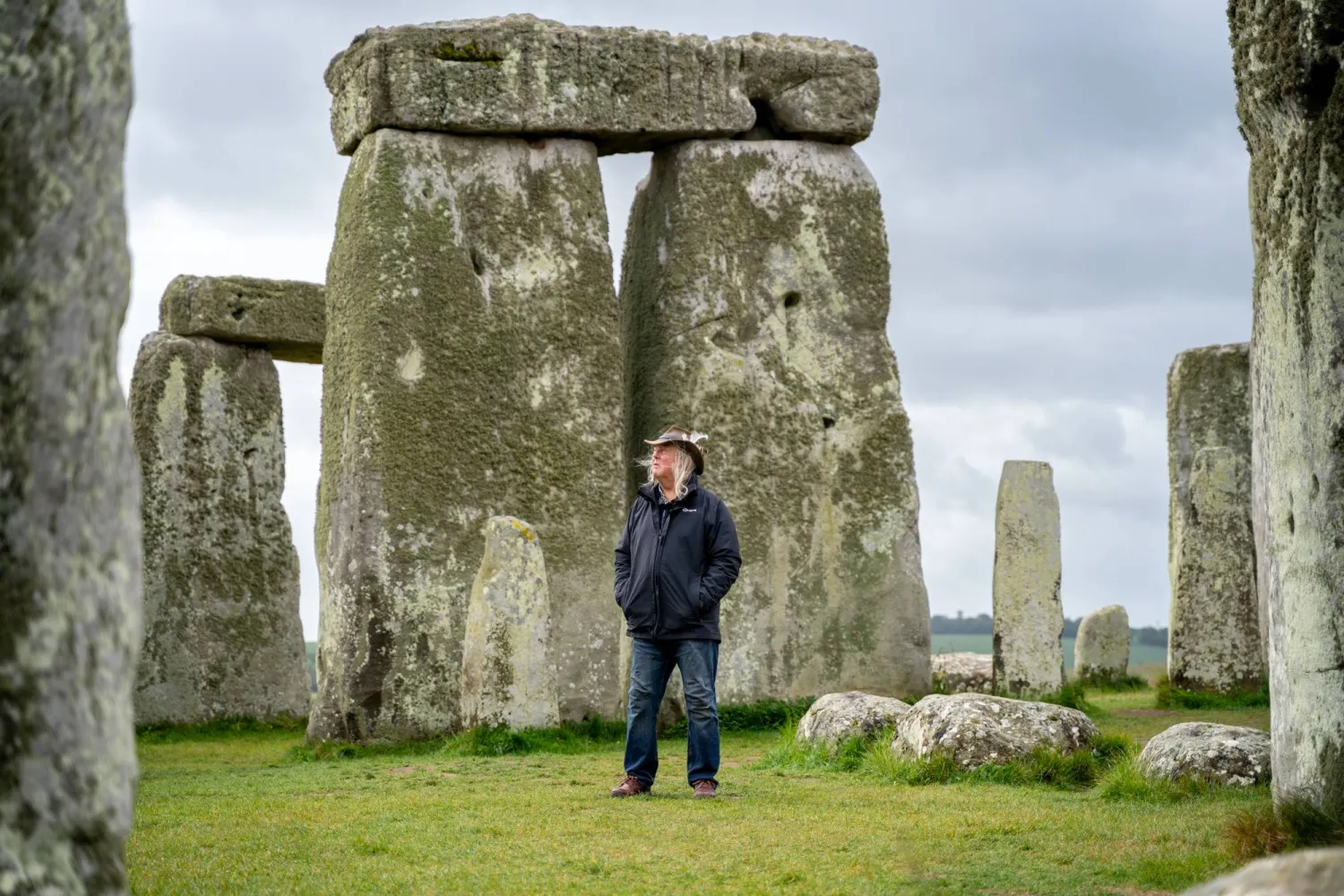

Archaeology Team Unearths 'Prototype' of World-famous Stonehenge Monument Just a Few Miles Away

This photo provided by Wessex Archaeology shows archaeologist Phil Harding standing at Stonehenge in May 2026, near Salisbury, England. (Wessex Archaeology via AP)
TT

Archaeology Team Unearths 'Prototype' of World-famous Stonehenge Monument Just a Few Miles Away

This photo provided by Wessex Archaeology shows archaeologist Phil Harding standing at Stonehenge in May 2026, near Salisbury, England. (Wessex Archaeology via AP)

Archaeologists revealed Thursday that they have discovered a structure near the prehistoric stone circle of Stonehenge in southern England that may have served as a “prototype” for the 5,000-year-old Neolithic monument.

A team from the British firm Wessex Archaeology said the structure would have consisted of two wooden poles 120 meters (394 feet) apart and aligned to point directly at the rising sun during the summer solstice and the setting sun at the winter solstice.

Researchers said the discovery predated Stonehenge by around 500 years, The Associated Press reported.

The team was led by archaeologist Phil Harding, who is well known in the UK through his many years of excavations for Channel 4 TV series “Time Team.”

Harding, 76, said the site, which also turned up a treasure trove of finds including pottery, animal bones and a rare disc-shaped knife, was likely to have been a focus for major religious gatherings.

“Opportunities like this probably only come once in a career, in a lifetime,” Harding said. “I’m probably towards the end of my career now, but thank God I’m still in archaeology long enough to be part of this discovery, because it’s certainly the highlight of my career.”

The findings were released ahead of the summer solstice, which falls this year on Sunday, when thousands head to Stonehenge each year to celebrate the longest day of the year in the Northern Hemisphere.

Stonehenge is a symbol of British culture and history and remains one of the country’s biggest tourist draws. The World Heritage Site was built on the flat lands of Salisbury Plain in stages starting 5,000 years ago, with the unique stone circle erected in the late Neolithic period about 2,500 B.C.

The site’s meaning has been the subject of vigorous debate. The most generally accepted interpretation is that it was a temple aligned with movements of the sun — lining up perfectly with the summer and winter solstices.

Researchers who found the structure near Stonehenge carried out the dig at Bulford, 5 kilometers (3.1 miles) from the main stone circle, as part of archaeological work to support the British defense ministry's program to accommodate troops who have been withdrawn in recent years from Germany, where the army had a big footprint for decades. The area around Stonehenge is one of the largest military training grounds and in the UK and Bulford is home to a barracks.

The original excavation took place between 2015 and 2017, with the findings requiring many years of analyses and tests.

English Heritage said other theories about Stonehenge include that it was a coronation place for Danish kings, a druid temple, a cult center for healing, or an astronomical computer for predicting eclipses and solar events.

Whatever the explanation, thousands of people, many dressed as druids and pagans, will gather at the site on Sunday to see the sun rise.

“What few will realize is that 5,000 years ago on a nearby hillside overlooking modern day Bulford, people were doing the exact same thing — revering and celebrating the sunrise on Midsummer’s Day,” said Harding.
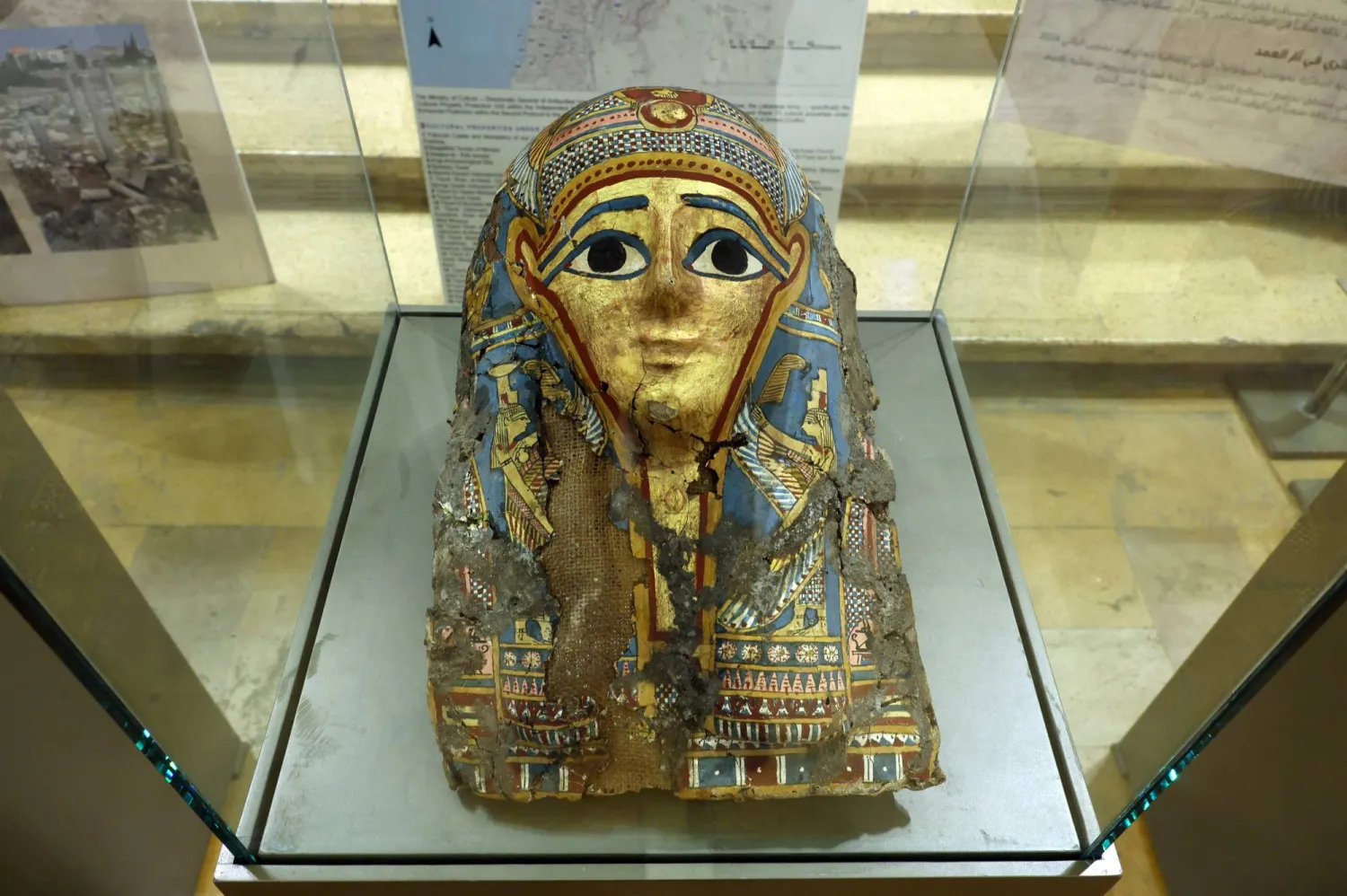


Lebanon Returns 37 Artifacts Smuggled Out of Egypt

An artifact dating back to the Egyptian Pharaonic civilization, illegally smuggled out of Egypt, is displayed during a ceremony marking its handover to Egypt at the Lebanese National Museum in Beirut, Lebanon, 16 September 2026. (EPA)
TT

Lebanon Returns 37 Artifacts Smuggled Out of Egypt

An artifact dating back to the Egyptian Pharaonic civilization, illegally smuggled out of Egypt, is displayed during a ceremony marking its handover to Egypt at the Lebanese National Museum in Beirut, Lebanon, 16 September 2026. (EPA)

Lebanon on Wednesday returned to Egypt dozens of pharaonic artifacts that had been seized from the Beirut port years earlier.

"Thirty-seven antiquities... were seized from Beirut port in 2020, having arrived from an Arab port," Lebanese Culture Minister Ghassan Salameh said during a handover ceremony at the Beirut national museum.

"After investigating the identity and ownership of these items, it was determined that they belonged to Egypt," he added.

Five of the items were on display at the ceremony, including masks made of fabric, wood and clay.

"Cooperation between states... contributes to preserving humanity's heritage," Egyptian ambassador Alaa Moussa said at the ceremony.

Laura Salloum, an official with Lebanon's directorate of antiquities, told AFP that at the time of their seizure, the items were stored in a single container.

They "had been purchased by a Lebanese national without any official documentation regarding their source -- namely, Egypt," she said.

Antiquities smuggling is common in Egypt. Over the past decade, Cairo has recovered nearly 30,000 archaeological artifacts, according to officials.


Cultural Sector Participates in UNESCO Global Forum on Ethics of AI in Riyadh

The cultural sector's participation in the forum underscores the Ministry of Culture's interest in technological developments - SPA
TT

Cultural Sector Participates in UNESCO Global Forum on Ethics of AI in Riyadh

The cultural sector's participation in the forum underscores the Ministry of Culture's interest in technological developments - SPA

The cultural sector is participating in the fourth edition of the UNESCO Global Forum on the Ethics of Artificial Intelligence (AI) in Riyadh, taking part in panel discussions and workshops.

These sessions address cultural and linguistic diversity in AI, the ethical use of AI in museums, and the future of work in the field in the age of AI and digital technologies, SPA reported.

The forum brings together more than 100 international speakers and experts to discuss responsible governance frameworks and the ethical and safe development of emerging technologies, with a focus on issues including digital diplomacy, government readiness assessment, privacy, and the protection of cultural and linguistic diversity.

The cultural sector's participation in the forum underscores the Ministry of Culture's interest in technological developments, support for cultural innovation, and efforts to highlight AI-related cultural initiatives, products, and services.

It also provides a broad platform for exchanging expertise and experience with leading local and international experts and specialists.


Ithra Unveils 96th Saudi National Day Celebrations

The festival features a curated selection of Saudi films - SPA
TT

Ithra Unveils 96th Saudi National Day Celebrations

The festival features a curated selection of Saudi films - SPA

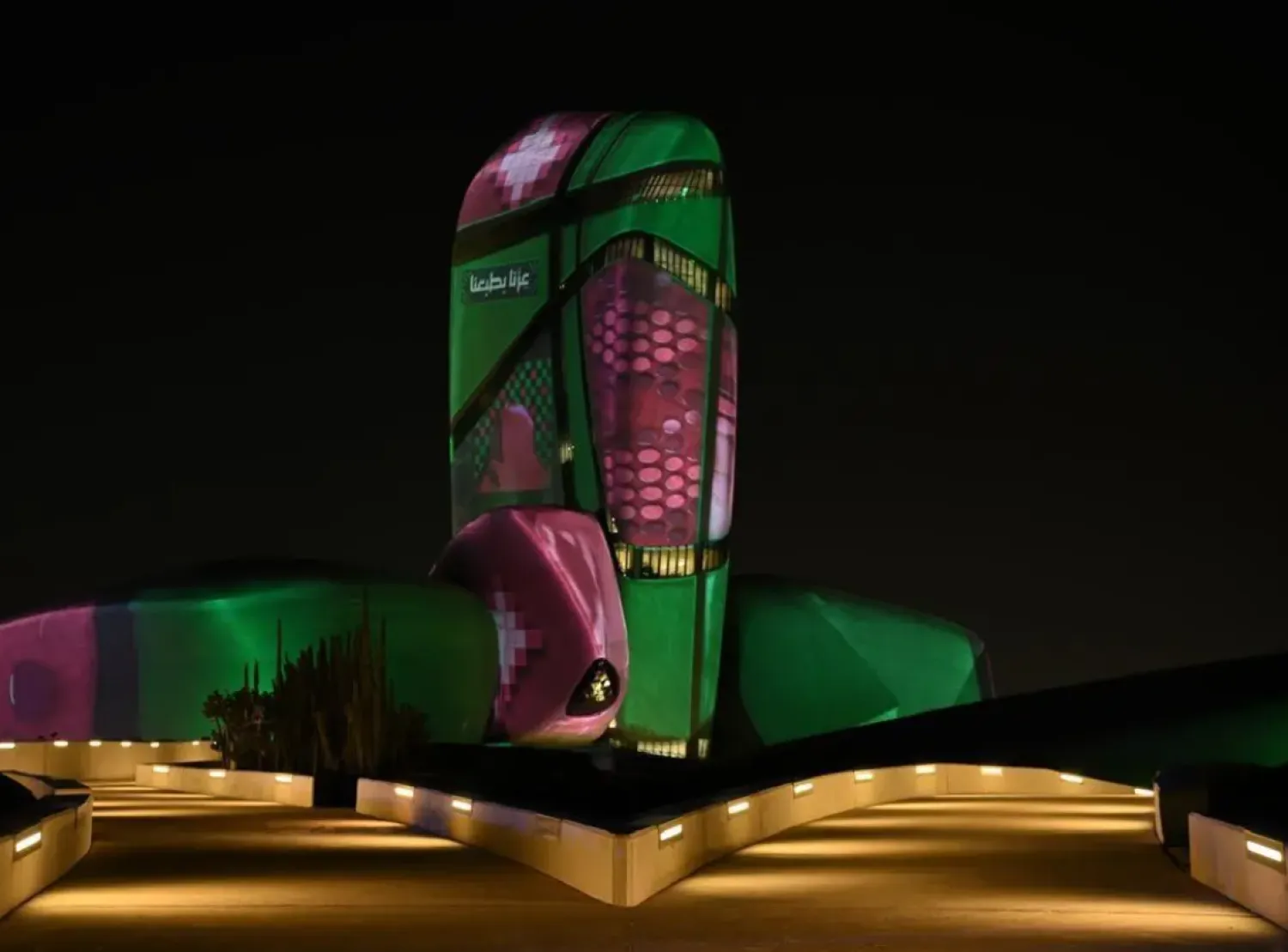
The King Abdulaziz Center for World Culture (Ithra) will celebrate the 96th Saudi National Day with a five-day program of diverse cultural events running from September 22 to 26, inviting local and international visitors to explore the Kingdom's origins and future ambitions.

This year's National Day program centers on the theme "Glory Through Our People," exploring the evolution of culture and the blend of heritage and modernity.⁠‌​‌‌​​​‌‌​‌‌‌‌​​‌‌‌​⁠ The celebrations kick off with a grand military parade, followed by a full program featuring 36 curated and distinct experiences designed to engage visitors, SPA reported.

​‌‌​​​‌‌​‌‌‌‌​​‌‌‌The event includes an examination of the unique architectural languages of the Kingdom's various regions in the "Inspired by Our Roots" workshop and also include "Saudi Calligraphy Art" sessions, where guests are invited to engage with the aesthetic power of Arabic script.

For those seeking immersive programs, Ithra is also integrating technology with "Pride Salute," a motion-sensing experience that translates military ceremonial movements into digital art, and a sonic experiment "Who Leads the Rhythm," that blends traditional Saudi instruments with contemporary electronic sounds to create innovative sounds.

The festival features a curated selection of Saudi films including ​‌‌‌‌​​‌‌"The Destination," a documentary film that showcases the Kingdom's transformative progress under Saudi Vision 2030, to new experimental films like Marjouj and Irtizaz.

At the Ithra museum, visitors can tour "Bedayat:⁠‌​‌‌​​​‌‌​‌‌‌‌​​‌‌‌​⁠ The Beginning of the Saudi Art Movement," an exhibition tracing the evolution of the national art scene from the 1960s to the 1980s. The exhibition, which features some of the most renowned early Saudi artists, also includes archival materials and examines how Saudi art has transformed over the decades.

The celebrations include an open-air concert in Ithra's Lush Garden featuring live musical performances alongside traditional folk ensembles. The program showcases the diverse sounds of the rhythmic folk dances of the West and South: the Majrour of Taif, the Khabiti, the Khatwa of the South, and the Rayeh of Bisha, as well as​​​‌‌​‌‌‌‌​​‌‌‌​⁠ a traditional sword dance, the Ardah, and the Samri, a poetic, melodious performance.

Ithra, an initiative by Aramco, is a leading cultural destination in Dhahran. The center focuses on enriching people's lives by offering impactful cultural and creative programs and initiatives.