


Rubio: Kuwait is an Indispensable Partner for Regional Security and Stability

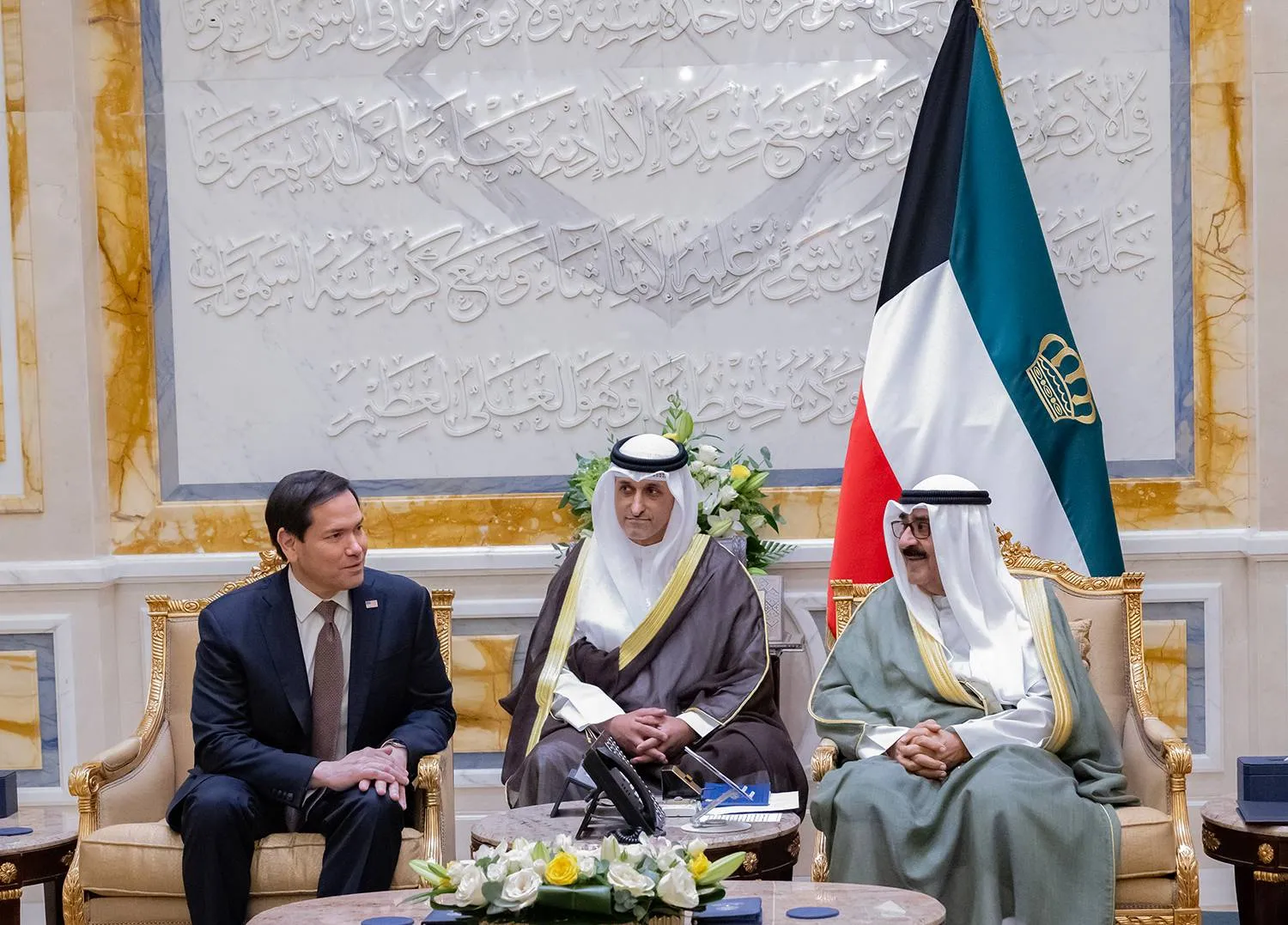
Kuwait's Emir Sheikh Meshal al-Ahmad al-Sabah during his meeting with US Secretary of State Marco Rubio (KUNA)
TT

Rubio: Kuwait is an Indispensable Partner for Regional Security and Stability

Kuwait's Emir Sheikh Meshal al-Ahmad al-Sabah during his meeting with US Secretary of State Marco Rubio (KUNA)

US Secretary of State Marco Rubio has described Kuwait as “an indispensable partner for regional security and stability.”

Rubio held talks with Kuwait's Emir Sheikh Meshal al-Ahmad al-Sabah on efforts to bolster security and stability, Kuwait's state news agency KUNA said on Wednesday.

He also attended a flag-raising at the US Embassy, which resumed operations after Iran-linked attacks forced a suspension, the State Department said.

"The American flag: a symbol of liberty, unity and freedom now flies proudly once again over Kuwait City. Kuwait is an indispensable partner for regional security and stability," Rubio wrote on social media following the ceremony.
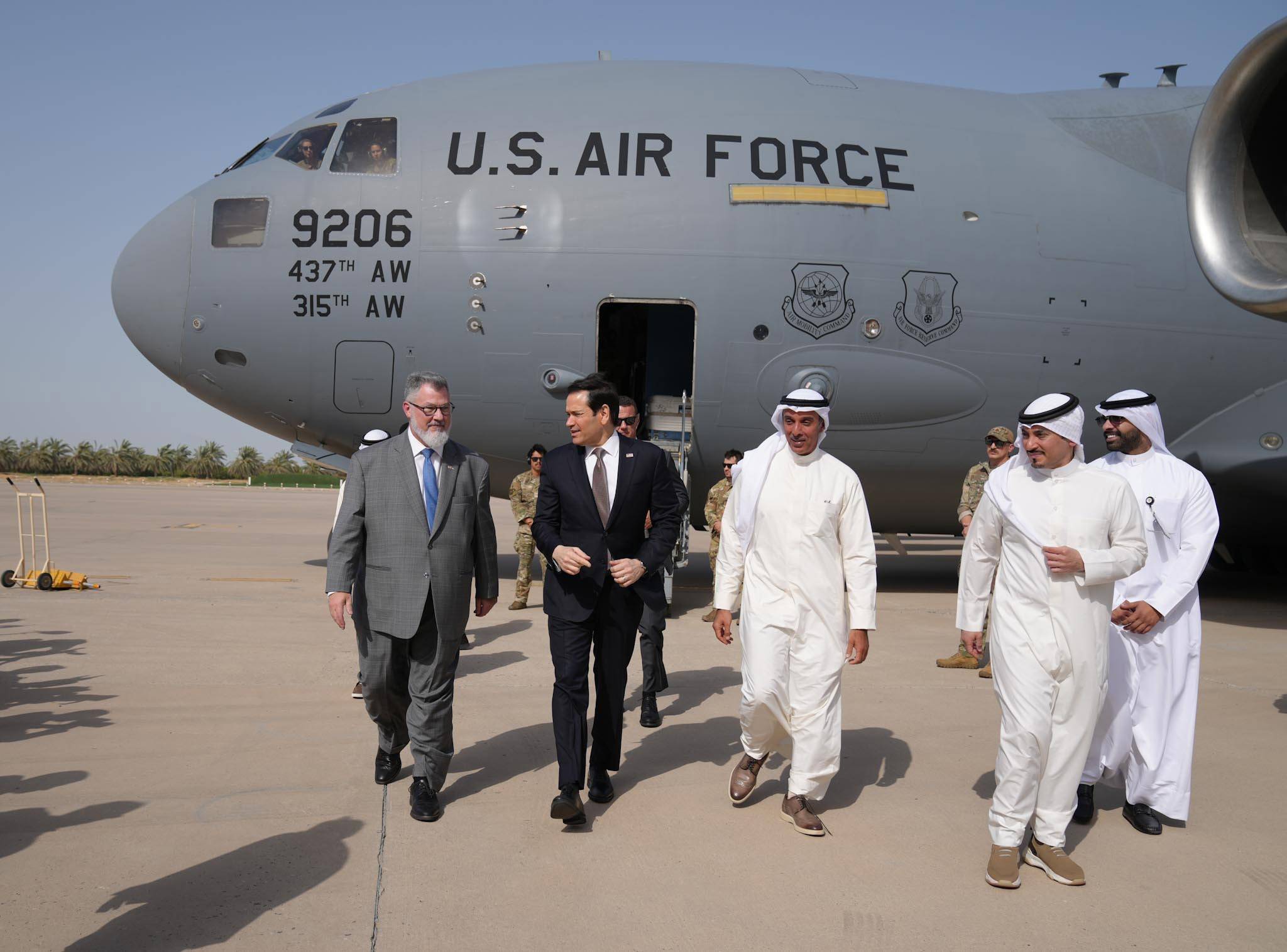
US Secretary of State Marco Rubio upon his arrival in Kuwait as part of his Gulf tour (US Secretary of State's account on social media)

Earlier, UAE President Sheikh Mohamed bin Zayed Al Nahyan discussed with Rubio strategic cooperation between the two countries and ways to further strengthen coordination across various fields in support of shared interests, Emirates News Agency (WAM) reported.

The meeting in Abu Dhabi also addressed regional and international issues of mutual concern, with a focus on developments in the Middle East. Sheikh Mohamed and Rubio underscored the importance of advancing the foundations of security, stability, and lasting peace across the region, WAM said.

On Monday, State Department spokesperson Tommy Pigott said Rubio will travel to the UAE, Kuwait, and Bahrain from June 23-25.

“The Secretary will discuss a range of regional priorities including the memorandum of understanding with Iran, efforts to secure full and free safe transit through the Strait of Hormuz, and the importance of peace and stability in the region. In Bahrain, the Secretary will also meet with the Gulf Cooperation Council to discuss shared priorities across the region,” Pigott said.


Coalition Targets Operational Capabilities at Yemen's Hodeidah Port

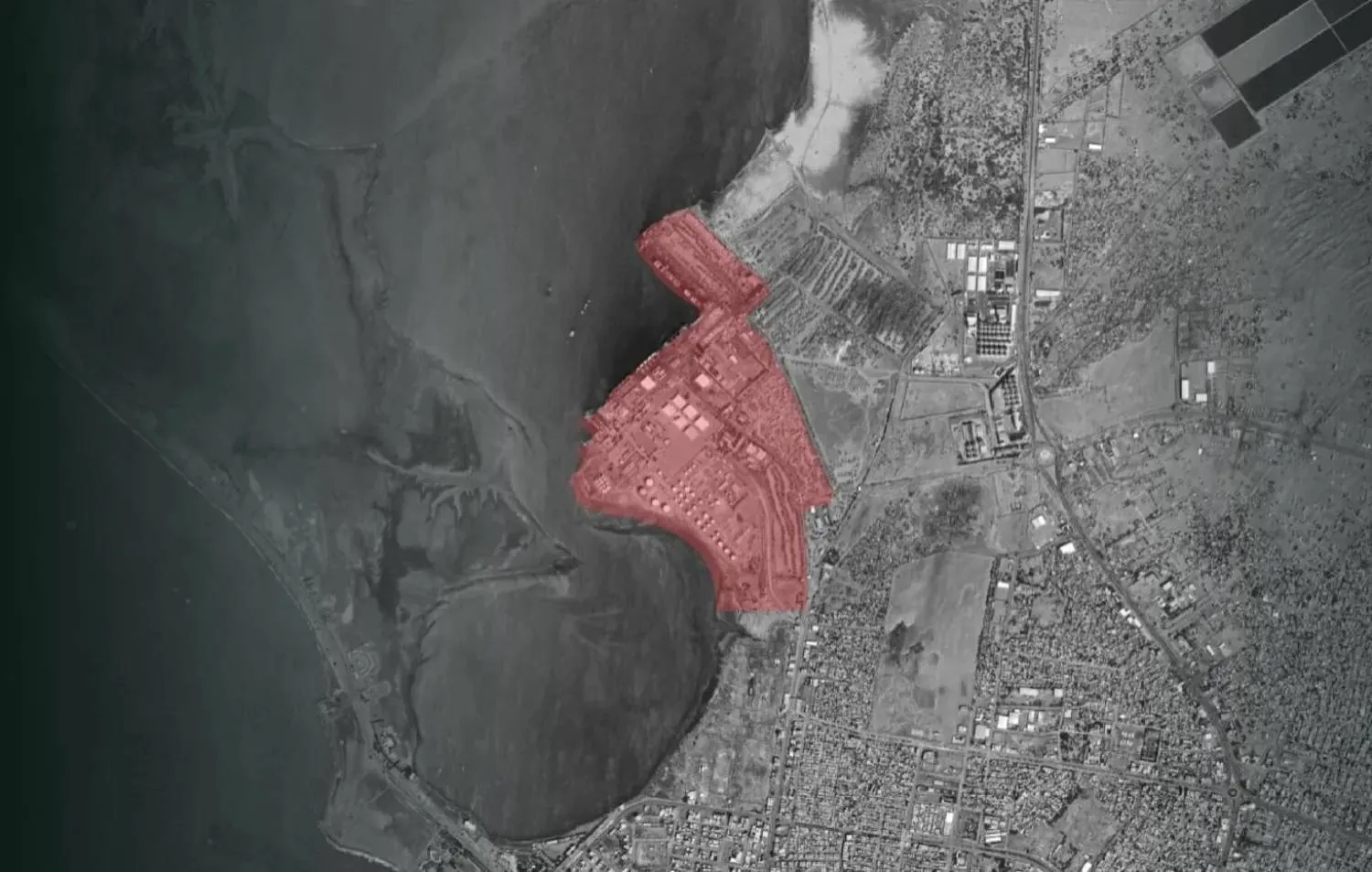
A map released by the Coalition shows the area that will be targeted at Hodeidah Port. (Coalition to Restore Legitimacy in Yemen)
TT

Coalition Targets Operational Capabilities at Yemen's Hodeidah Port

A map released by the Coalition shows the area that will be targeted at Hodeidah Port. (Coalition to Restore Legitimacy in Yemen)

The Coalition to Restore Legitimacy in Yemen announced on Wednesday that its forces targeted operational capabilities at Yemen’s Hodeidah Port and destroyed several targets in the Saada and Amran governorates.

The Coalition had on Tuesday called on civilians to evacuate Hodeidah Port for their safety, releasing a map that highlights the area that will be targeted.

Official Spokesperson of the Coalition Major General Turki Al-Malki also said on Wednesday that air defenses intercepted and destroyed four drones in Saudi Arabia’s in Ras Tanura, resulting in debris falling from the interception. Initial assessment indicated no injuries.

Three drones were downed in the Eastern Region, he added.

Earlier on Wednesday, the Coalition vowed a “firm” response to the terrorist Houthi militia following a drone attack targeting a tower in Riyadh’s King Abdullah Financial District (KAFD) that injured eleven people.


Saudi FM, Rubio Stress Importance of Freedom of Navigation in Hormuz and Bab al-Mandab Straits

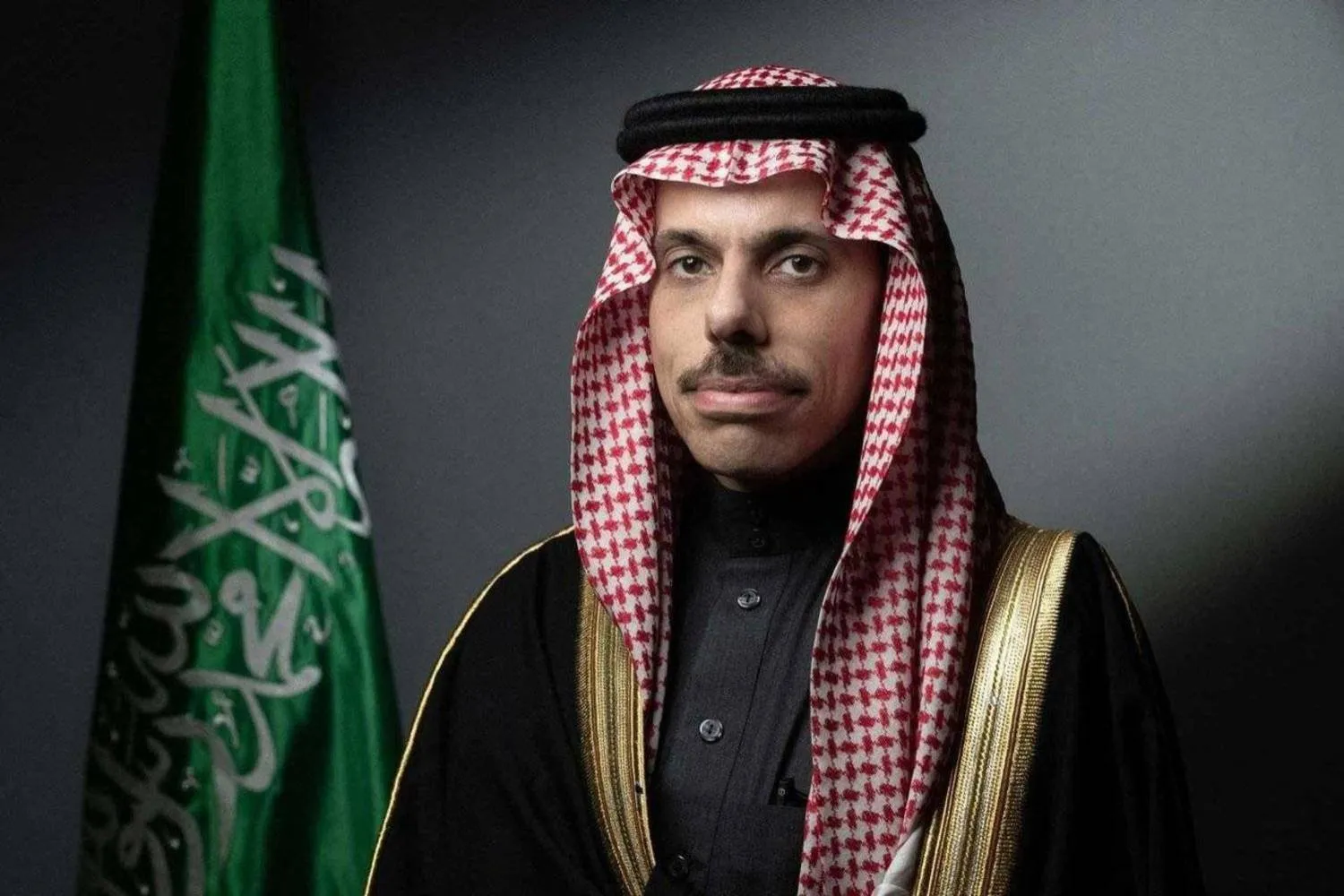
Saudi Minister of Foreign Affairs Prince Faisal bin Farhan bin Abdullah
TT

Saudi FM, Rubio Stress Importance of Freedom of Navigation in Hormuz and Bab al-Mandab Straits

Saudi Minister of Foreign Affairs Prince Faisal bin Farhan bin Abdullah

Saudi Minister of Foreign Affairs Prince Faisal bin Farhan bin Abdullah held a phone call on Wednesday with US Secretary of State Marco Rubio.

They condemned the terrorist Houthi militia's attacks on civilians, civilian infrastructure, and energy facilities in the Kingdom and stressed the importance of ensuring freedom of navigation in the Strait of Hormuz and Bab al-Mandab Strait.

They also discussed efforts to establish security and peace in Sudan, Lebanon, and the wider region, and affirmed their commitment to continued joint action to support stability.

Prince Faisal also received two separate phone calls from Bahraini Minister of Foreign Affairs Dr. Abdullatif bin Rashid Al Zayani and Egyptian Minister of Foreign Affairs, International Cooperation, and Egyptian Expatriates Dr. Badr Abdelatty.

During the calls, the ministers discussed regional developments and condemned the Houthis’ ongoing attacks on civilians and civilian objects in Saudi Arabia and Yemen.

They also reviewed efforts to de-escalate tensions and enhance regional security and stability.


Gulf Meeting in Kuwait Focuses on Strengthening Military Cooperation

Military officials are seen at the meeting in Kuwait. (KUNA)
TT

Gulf Meeting in Kuwait Focuses on Strengthening Military Cooperation

Military officials are seen at the meeting in Kuwait. (KUNA)

Kuwait hosted a coordination meeting on Tuesday for the Gulf Unified Military Forward Command to finalize the arrangements required for its establishment and activation in the country.

In a statement, the Kuwaiti Army General Staff explained that the meeting, hosted by Kuwait from November 24 to 26, forms part of efforts to strengthen Gulf military cooperation.

It added that finalizing these arrangements contributes to developing joint military action mechanisms, elevating the level of Gulf defense coordination, and achieving field integration among the armed forces of Gulf Cooperation Council (GCC) member states.

Gulf states had approved, during the 23rd session of the Joint Defense Council on November 10, the launch of a forward command for the Unified Military Command in Kuwait and the allocation of appropriate forces to it.

GCC Secretary-General Jasem Albudaiwi has said the decision forms part of efforts to strengthen joint military action and implements the directives of Gulf leaders issued during an extraordinary summit hosted in Jeddah in April, aimed at unifying efforts, raising readiness to confront shared threats and challenges, and safeguarding the security, sovereignty, and stability of the six member states.