


Lebanon Under Pressure to Dismantle the Parallel Economy and Exit the FATF Grey List

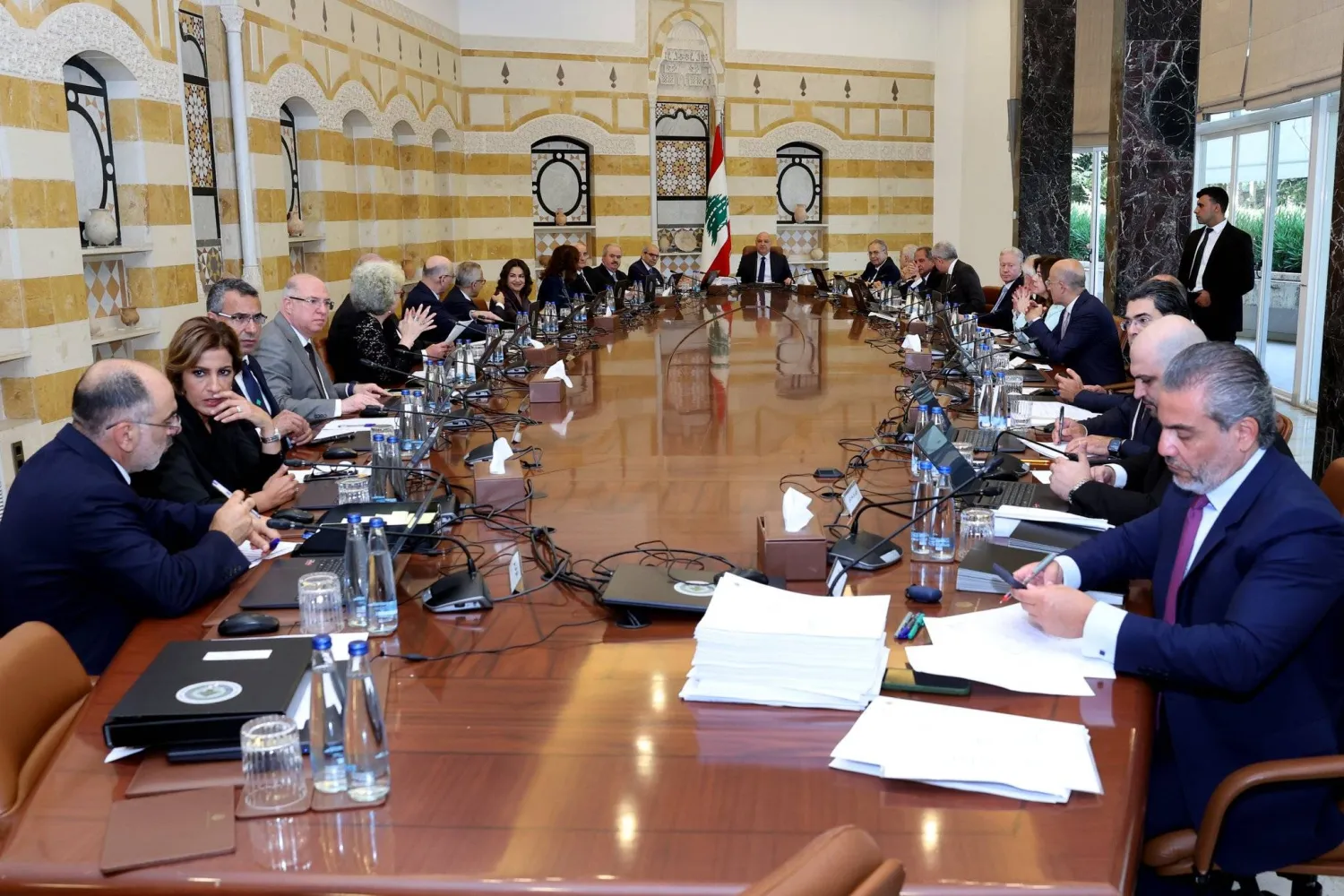
A Cabinet session chaired by President General Joseph Aoun at Baabda Palace (Lebanese Presidency).
TT

Lebanon Under Pressure to Dismantle the Parallel Economy and Exit the FATF Grey List

A Cabinet session chaired by President General Joseph Aoun at Baabda Palace (Lebanese Presidency).

The decision by the Financial Action Task Force (FATF) to keep Lebanon on its "grey list" of jurisdictions with strategic deficiencies in combating money laundering and terrorist financing has not triggered any new repercussions for cross-border financial transactions. Rather, it has served as a warning to the government's executive and monetary authorities that the grace period is nearing its end for completing the legal and procedural measures needed to dismantle the "parallel economy" and curb illicit cash flows operating outside the formal financial sector.

While the devastating consequences of the recent war on the humanitarian, reconstruction and economic fronts have provided mitigating grounds, according to a senior financial official, to explain the slow pace of reforms required from the relevant authorities, particularly administrative, judicial and security bodies, they do not diminish the risks associated with prolonging Lebanon's sovereign stay in an environment of growing suspicion generated by the parallel economy and the continued exploitation of the financial system's persistent fragility.

Intertwined Tracks

The financial official, who spoke to Asharq Al-Awsat, said it is no secret that the political and economic tracks have become deeply intertwined, to the point of running in parallel and perhaps advancing simultaneously. The objectives of establishing the state's exclusive control over arms and restoring the legitimacy of financial and commercial activities now go hand in hand, requiring the authorities to make an explicit commitment to international requirements and conditions that would secure external support to end the war as a first priority and launch the recovery process through the International Monetary Fund, paving the way for Lebanon's safe exit from the catastrophic deterioration of most of its sovereign and financial ratings.

International pressure, from both governments and institutions, continues to emphasize the need to curb illicit financial channels, including designated non-financial businesses and professions as well as certain non-bank financial institutions, particularly those linked to Hezbollah. Foremost among them is Al-Qard Al-Hassan Association, along with similar activities targeted by the international community and international financial institutions.
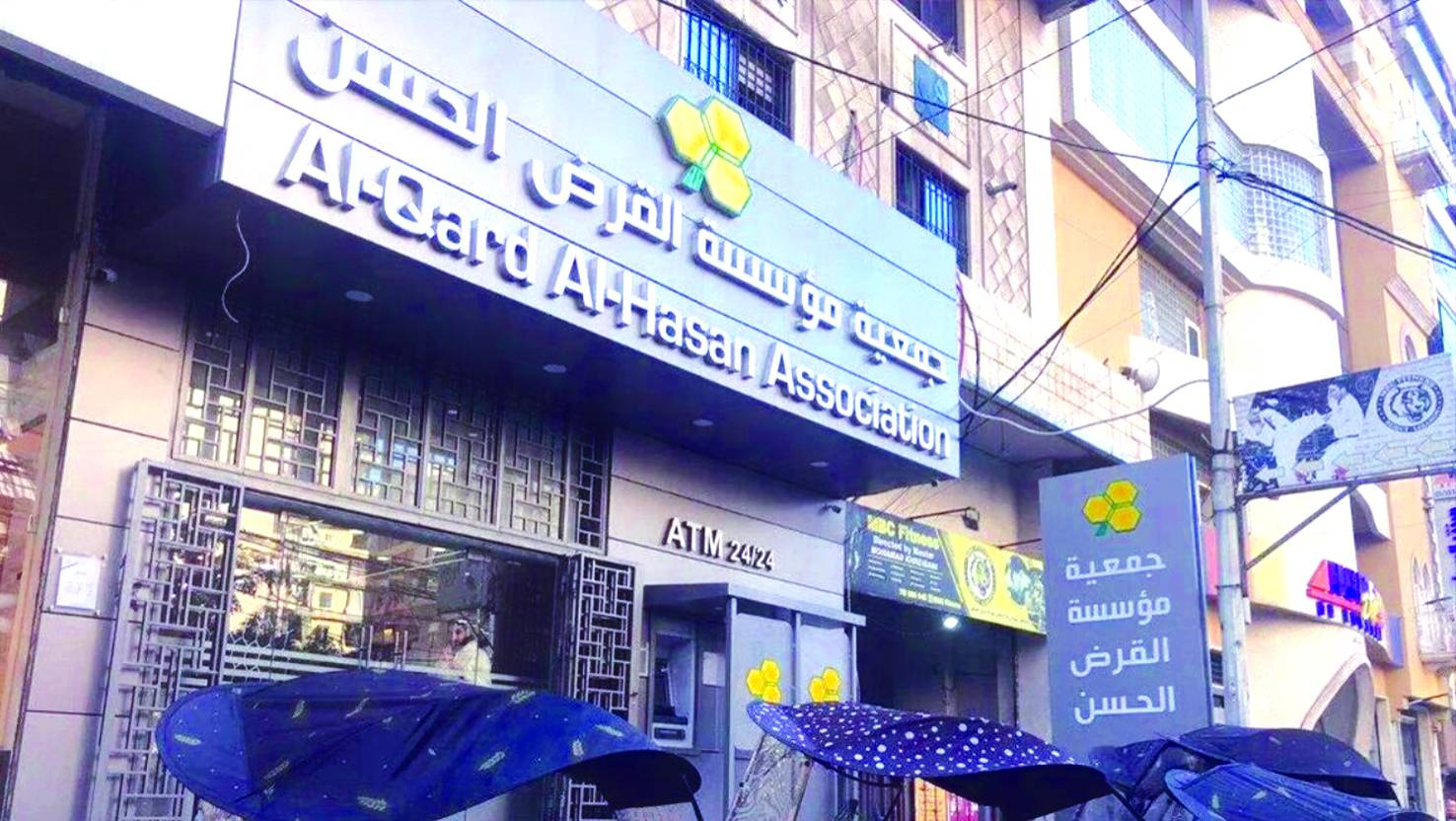
One of Al-Qard Al-Hasan institution's buildings in Beirut's southern suburbs (file photo- AP)

Positive Assessment of the Legitimate Financial Sector

Despite Lebanon's continued placement on the grey list, the country's legitimate financial sector continues to receive a positive assessment based on an integrated legal and administrative framework that complies with the strictest international standards. Particular recognition has been given to the central bank's measures aimed at rigorously verifying the sources and destinations of funds, restricting cash and electronic payments, financial transactions and transfers to banks and licensed financial companies, and strengthening the judiciary's central role in combating all forms of financial crime.

According to statements by Banque du Liban Governor Karim Souaid, removing Lebanon from the grey list is a top priority because the country cannot play a credible role in the global financial system unless it achieves that objective. He noted that remaining on the list affects not only Lebanon's reputation but also restricts correspondent banking relationships and increases the cost of financial transactions.

Accordingly, the governor stressed that "no honest account of this crisis can ignore the parallel economy, including illicit financial flows, money laundering operations and corrupt practices that have infiltrated and weakened Lebanon's financial system." He also reaffirmed the central bank's firm and non-negotiable commitment to the principles of disclosure, transparency and accountability.

Banque du Liban has already implemented a broad package of measures in line with this approach. These include engaging specialized firms to combat the "parallel economy," deploying advanced financial monitoring tools, strengthening Know Your Customer (KYC) requirements, enhancing due diligence procedures, enforcing beneficial ownership transparency requirements, significantly improving the quality of suspicious transaction reports, and strengthening cooperation with relevant regional and international financial bodies.
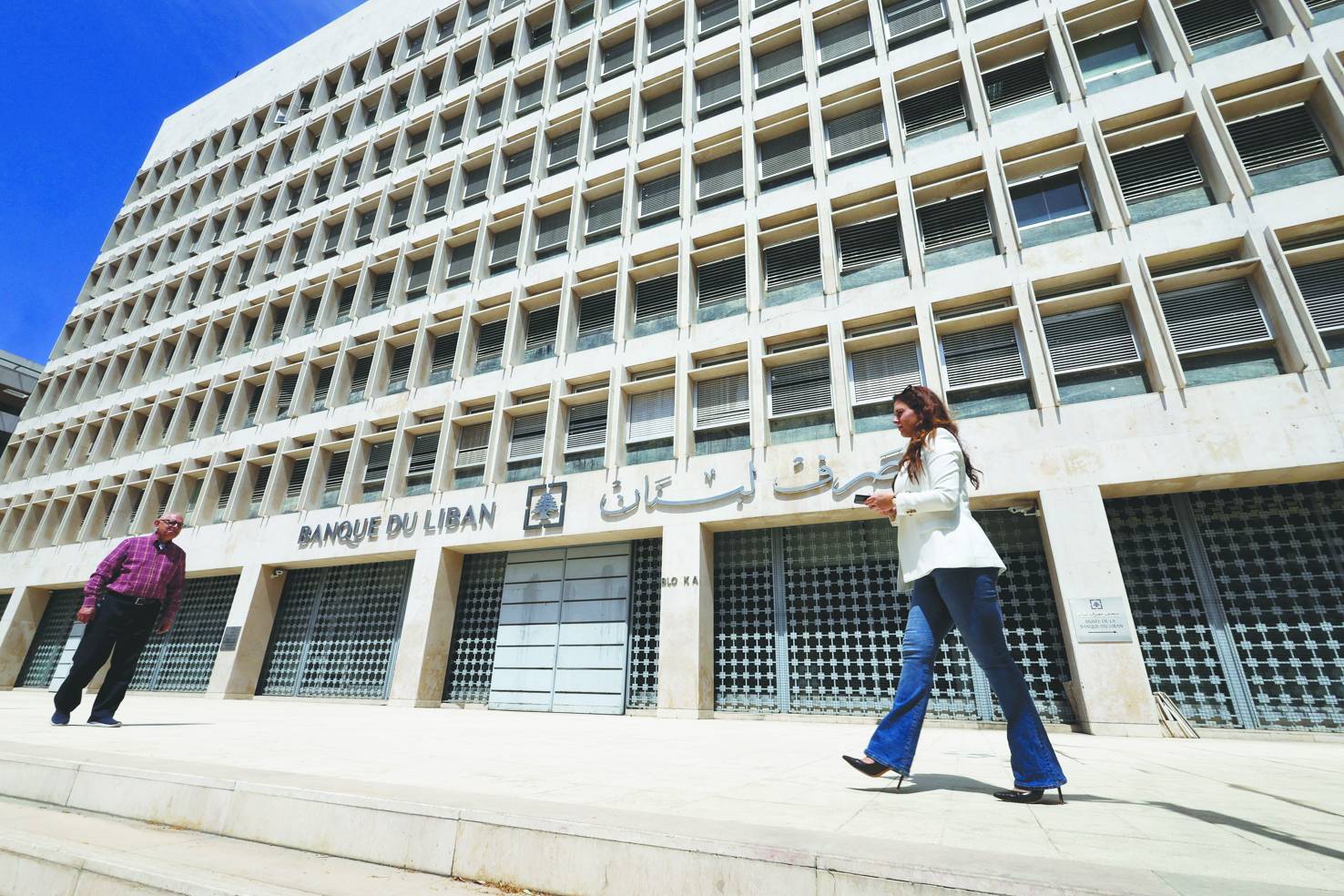
People walk outside Lebanon's Central Bank building in Beirut, Lebanon April 4, 2025. REUTERS/Mohamed Azakir

Forensic Audit

In coordination with the Ministries of Finance and Justice, the central bank has also launched a forensic audit conducted by Alvarez & Marsal. The firm's mandate extends well beyond reviewing the funds disbursed by the central bank at the request of previous governments to finance the subsidy program. It covers all payments made up to the end of 2023, funds transferred to commercial banks through international transfers, and payments made by the central bank on behalf of the state.

The governor also affirmed that the central bank is cooperating with Lebanese judicial authorities by providing all information and financial analyses permitted by law in support of judicial proceedings. It is likewise cooperating with judicial authorities in Switzerland, France, Germany, Liechtenstein, Luxembourg, the United Kingdom and other countries where legal proceedings involving illicitly transferred Lebanese funds are underway.
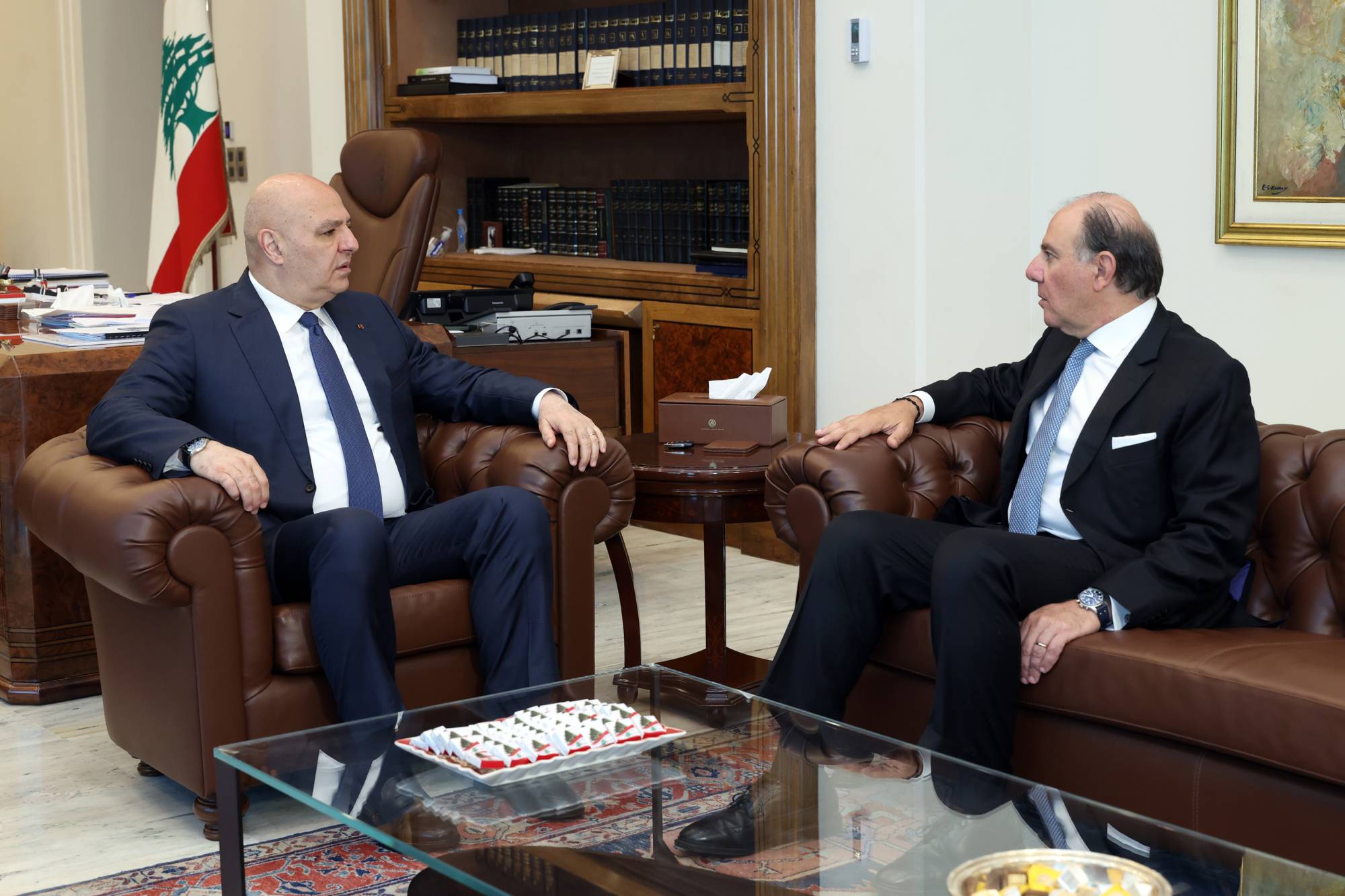
Lebanese President General Joseph Aoun meets with the Governor of the Central Bank of Lebanon in Baabda (X)

Lebanon's Commitments

Under the latest FATF assessment issued at the end of last week, Lebanon has committed at the highest political level to work with the organization to strengthen the effectiveness of its anti-money laundering and counter-terrorist financing framework, despite the country's difficult social, economic and security challenges. This requires continued coordination in implementing the agreed action plan to address the identified strategic deficiencies.

The action plan comprises ten key points identified in the Mutual Evaluation Report. The foremost priority is conducting targeted assessments of money laundering and terrorist financing risks and ensuring that the necessary policies and mitigation measures are in place. It also calls for strengthening mechanisms that ensure the effective and timely execution of requests for mutual legal assistance, extradition and asset recovery.

Without ranking them by importance, the authorities are also required to strengthen designated non-financial businesses' and professions' understanding of money laundering and terrorist financing risks and to impose effective, proportionate and dissuasive sanctions for violations of AML/CFT obligations. They must also ensure that beneficial ownership information is continuously updated and that adequate sanctions and appropriate measures are in place to mitigate risks associated with legal persons, particularly companies and other legal entities.

In the same context, the authorities are expected to make greater use of financial intelligence, reports and analytical products produced by the Special Investigation Commission (SIC), while demonstrating a sustained increase, both quantitatively and qualitatively, in money laundering investigations, prosecutions and court judgments in line with the identified level of risk.

The obligations also include improving asset recovery mechanisms and strengthening the ability to detect and intercept the illicit cross-border movement of cash, precious metals and precious stones. Likewise, Lebanon is expected to pursue terrorist financing investigations and strengthen information-sharing with foreign partners regarding such investigations, in accordance with the recommendations of the Mutual Evaluation Report.

In addition, the authorities are required to strengthen the immediate and effective implementation of targeted financial sanctions, particularly among designated non-financial businesses and professions and certain non-bank financial institutions. They must also implement targeted, risk-based oversight of higher-risk non-profit organizations while ensuring that legitimate activities carried out by those organizations are neither disrupted nor discouraged.



UN Convention Boosts Confidence in Saudi Arabia’s Cross-Border E-Commerce Transactions

 Riyadh, Saudi Arabia (SPA)
Riyadh, Saudi Arabia (SPA)
TT

UN Convention Boosts Confidence in Saudi Arabia’s Cross-Border E-Commerce Transactions

 Riyadh, Saudi Arabia (SPA)
Riyadh, Saudi Arabia (SPA)

Saudi Arabia’s Cabinet, chaired by Custodian of the Two Holy Mosques King Salman bin Abdulaziz, has approved the Kingdom’s accession to the United Nations Convention on the Use of Electronic Communications in International Contracts, bolstering the legal standing of cross-border digital transactions and electronic contracts in international trade.

The 2005 New York convention, drafted by the United Nations Commission on International Trade Law (UNCITRAL), aims to ensure that electronic contracts and communications used in international trade receive the same legal recognition and enforceability as paper-based documents.

The Cabinet decision gives Saudi companies and their international partners a clearer, more reliable legal framework, helping ease digital trade, cut procedural costs and strengthen the competitiveness of Saudi Arabia’s business environment globally.

Legislative environment

The move builds on Saudi Arabia’s efforts to modernize its business legislation and align it with international best practices and standards.

It is expected to make electronic communications easier to use in international contracts and commercial transactions, while increasing trust and legal certainty over their validity and enforceability.

Commerce Minister and Chairman of the Saudi Center for Competitiveness and Business Dr. Majid Al-Qasabi said the Cabinet’s ratification of the UN convention on the reliable use of electronic communications and transactions in international contracts would facilitate global trade and support business competitiveness and its legislative frameworks.

Legal certainty

International trade expert Dr. Fawaz Al-Alami told Asharq Al-Awsat that the significance of the step went beyond recognizing electronic contracts and communications, saying it marked a shift in how trust is built in international trade.

“Today, the speed of completing a transaction is no longer the only measure of competitiveness. Clear legal rules governing it, and the ability of parties in different countries to operate within a common and understandable framework, have become key factors in commercial decision-making,” he said.

Al-Alami said joining the international framework would give Saudi companies greater confidence to operate in global markets, particularly as digital trade and electronic services expand rapidly.

Faster deals

The move also sends an important signal to foreign investors and trading partners that Saudi Arabia is not simply keeping pace with digital transformation, but is building a legal framework suited to modern trade, Al-Alami said.

Its value, he added, would ultimately depend on implementation.

“The clearer, more reliable and less complex electronic procedures become, the more they will reduce the cost of doing business and speed up dealmaking, and in turn strengthen the competitiveness of the Saudi economy,” he said.

Al-Alami said the measure might appear technical, but was fundamentally part of Saudi Arabia’s shift toward an economy that is more open, digital and connected to global markets.

Automated systems

The government’s move is also expected to strengthen trust between Saudi companies and their foreign counterparts.

Negotiations, offers, acceptances and document exchanges can take place electronically under a clearer international legal framework, reducing administrative time and costs, reliance on paper documents and traditional correspondence, disputes over the evidentiary value of electronic communications, and legal uncertainty when dealing with companies abroad.

The convention also addresses key issues, including the time and place at which an electronic communication is sent and received.

It also sets out rules for contracts formed through automated systems without human review at any stage, an increasingly important issue as digital trade and automation expand.


OPEC Further Lowers 2026 Global Oil Demand Growth Forecast

FILE PHOTO: People walk past an installation depicting barrel of oil with the logo of Organization of the Petroleum Exporting Countries (OPEC)  in Baku, Azerbaijan November 19, 2024. REUTERS/Maxim Shemetov/File Photo
FILE PHOTO: People walk past an installation depicting barrel of oil with the logo of Organization of the Petroleum Exporting Countries (OPEC) in Baku, Azerbaijan November 19, 2024. REUTERS/Maxim Shemetov/File Photo
TT

OPEC Further Lowers 2026 Global Oil Demand Growth Forecast

FILE PHOTO: People walk past an installation depicting barrel of oil with the logo of Organization of the Petroleum Exporting Countries (OPEC)  in Baku, Azerbaijan November 19, 2024. REUTERS/Maxim Shemetov/File Photo
FILE PHOTO: People walk past an installation depicting barrel of oil with the logo of Organization of the Petroleum Exporting Countries (OPEC) in Baku, Azerbaijan November 19, 2024. REUTERS/Maxim Shemetov/File Photo

OPEC on Wednesday lowered its forecast for world oil demand growth in 2026 to 580,000 barrels per day, a copy of its monthly report showed, marking the fourth straight downward revision.

The producer group continues to see a smaller impact on consumption since the Iran war started than other forecasters such as the International Energy Agency, which expects demand to decline in 2026, Reuters reported.

The Organization of the Petroleum Exporting Countries also raised its forecast for 2027 oil demand growth, according to the report on OPEC's website.


Bank of America Pledges $250 Billion for US Infrastructure Financing

Signage is seen at the Bank of America Tower in Manhattan, New York City, New York, US, November 2, 2022. (Reuters)
TT

Bank of America Pledges $250 Billion for US Infrastructure Financing

Signage is seen at the Bank of America Tower in Manhattan, New York City, New York, US, November 2, 2022. (Reuters)

Bank of America said on Wednesday it plans to deploy $250 billion by July 2027 to support US digital and infrastructure projects, a move it says will boost the country's economic growth and help create tens of thousands of jobs.

The Wall Street bank said its "Critical Infrastructure Finance Initiative," launched on the heels of the nation's 250th anniversary celebrations, will provide primary market lending, investments, ‌capital markets services, ‌and banking and advisory offerings.

The announcement underscores how ‌major ⁠US financial institutions are seeking ⁠to capitalize on rising demand for AI data centers, critical minerals and energy infrastructure upgrades.

It comes days after Morgan Stanley said it would facilitate roughly $1.5 trillion over the next decade to finance technology and infrastructure projects.

Last year JPMorgan Chase launched a $1.5 trillion plan to facilitate, finance and invest in industries deemed critical to the US national security and economic resilience, including defense, ⁠energy and advanced manufacturing.

BOOSTING GROWTH, CREATING JOBS

Bank of ‌America's financing will target three areas: ‌digital infrastructure, including data centers and computing; energy and power infrastructure, including renewable generation ‌and energy storage; and core infrastructure such as transportation and natural gas.

"Meeting ‌America's growing infrastructure needs requires mobilizing capital at scale across increasingly interconnected sectors," said Karen Fang, global head of infrastructure and sustainable finance at Bank of America.

"Delivering these projects requires integrated financing solutions spanning corporate and project-level capital in both public ‌and private markets."

The $250 billion target will be measured over an 18-month period from January 1, 2026, to July ⁠4, 2027, ⁠the bank said.

"If we all do our job right, we should be deploying more capital," said Fang, who is also co-head of global capital solutions at BofA, when asked about potential deployment of more capital after July 2027.

Many projects require new infrastructure to be built before becoming operational, she said.

In the United States, infrastructure construction loans typically have terms of five to seven years. Once projects are completed and operating, they are often refinanced with longer-term debt lasting 10, 15 or 20 years, Fang said.

She said greater infrastructure investment would help drive economic growth and create long-term jobs.

"Infrastructure spending will lead to economic growth and prosperity," she said.