
First Test of US-Backed ‘Pilot Zones’ in South Lebanon Lays Bare Difficulties

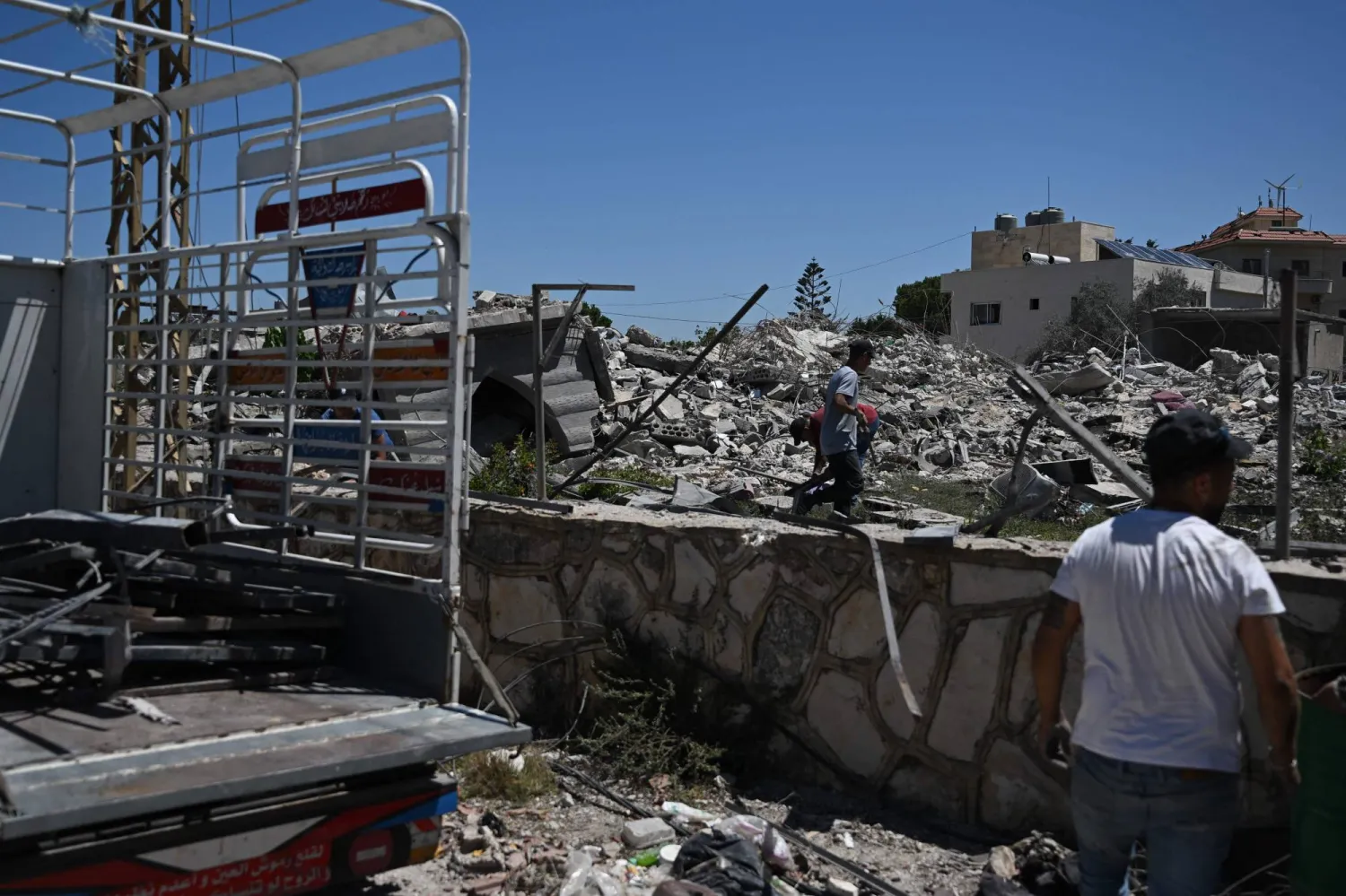
Workers collect scrap metal from the rubble of destroyed houses in Zawtar al-Gharbiyeh on July 28, 2026, as residents return to inspect their homes after the Lebanese army deployed to the southern village as part of a framework deal reached with Israel. (AFP)
TT

First Test of US-Backed ‘Pilot Zones’ in South Lebanon Lays Bare Difficulties

Workers collect scrap metal from the rubble of destroyed houses in Zawtar al-Gharbiyeh on July 28, 2026, as residents return to inspect their homes after the Lebanese army deployed to the southern village as part of a framework deal reached with Israel. (AFP)

A US-brokered plan for Israel to withdraw gradually from occupied areas of southern Lebanon in exchange for the disarmament of the Iranian-backed Hezbollah group is off to a painfully slow start. To the US, the "pilot zone program" is the centerpiece of a June 26 framework deal intended to end the war between Israel and Hezbollah, and establish peaceful ties between Israel and Lebanon.

But Hezbollah itself still refuses to give up its weapons. And on the ground, the rollout of the first zone in the south Lebanese village of Zawtar al-Gharbiyeh last week offered a glimpse of a strained and complex process that will be no easier to repeat elsewhere.

A senior Lebanese military official, who requested anonymity in order to speak freely, said it had taken weeks of US-brokered negotiations with Israel and days of military operations to establish the first zone in a single village.

The agreement links Israel's progressive withdrawal to the "verified disarmament" of Hezbollah, which is not a party to the deal, has refused to give up its arsenal, and has raised the prospect of internal strife if the state tries to disarm it by force.

With such operational and political challenges ahead, the Lebanese military official and two ‌foreign security officials said ‌they expected it to take more than a year to secure Israel's full withdrawal from Lebanon.
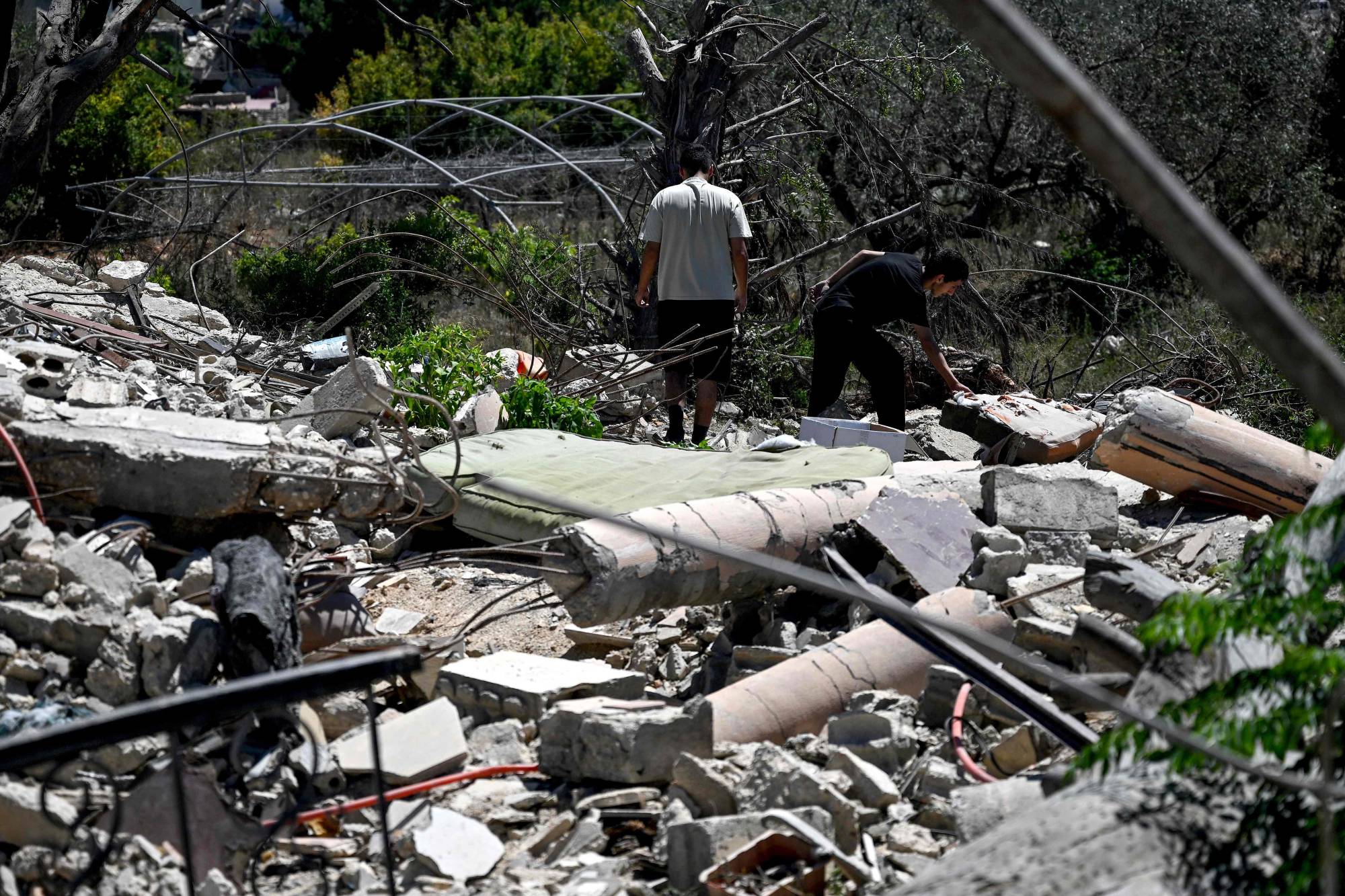
Residents inspect the rubble of their house in Zawtar al-Gharbiyeh on July 28, 2026, after the Lebanese army deployed to the southern village as part of a framework deal reached with Israel. (AFP)

HEZBOLLAH DREW LEBANON ‌INTO ⁠MIDDLE EAST WAR

Two ⁠days after the US and Israel attacked Iran on February 28, Hezbollah pulled Lebanon into the war by firing at Israel. Israeli forces responded with aerial bombardments reaching as far as Beirut, and by occupying a strip of land extending about 10 km (6 miles) deep into southern Lebanon.

Even after a ceasefire last month, Israeli troops remained in the zone, razing villages and ordering residents who had fled not to return.

The US began mediating talks between Lebanon and Israel in mid-April, and setting out the pilot zone program in early June.

More than six weeks later, Lebanese soldiers deployed to Zawtar al-Gharbiyeh to implement the first zone after Israeli forces pulled back.

Within hours, Israeli units still stationed hundreds of meters away in an adjacent village accused Lebanese troops of deploying too close, and fired warning shots to keep them back.

An Israeli military official said ⁠troops were adjusting their "force posture" in the first pilot zone, without saying whether those who had withdrawn from ‌Zawtar al-Gharbiyeh had left Lebanon altogether or redeployed to other parts of the south.

The Lebanese troops spent ‌two days clearing rubble and accompanying paramedics into the village to recover the bodies of Hezbollah fighters.

On July 24, they finally allowed displaced residents to return, in carefully managed ‌convoys. Most homes were too badly damaged from bombing for anyone to stay.

Mayor Abed Ezzedin told Reuters around half of Zawtar al-Gharbiyeh was in ruins, ‌and reconstruction seemed far away.

"What kind of pilot zone are we talking about? And what kind of security and safety? There are still 70 or 80 occupied villages," he said.

"If they (Israeli troops) are going to withdraw from one village while remaining on the edge of the next -- we can't do that. It won't work. And what about the reconstruction we keep talking about? Without security and peace of mind, we can't rebuild. We cannot lay a single stone on top of another in Zawtar."
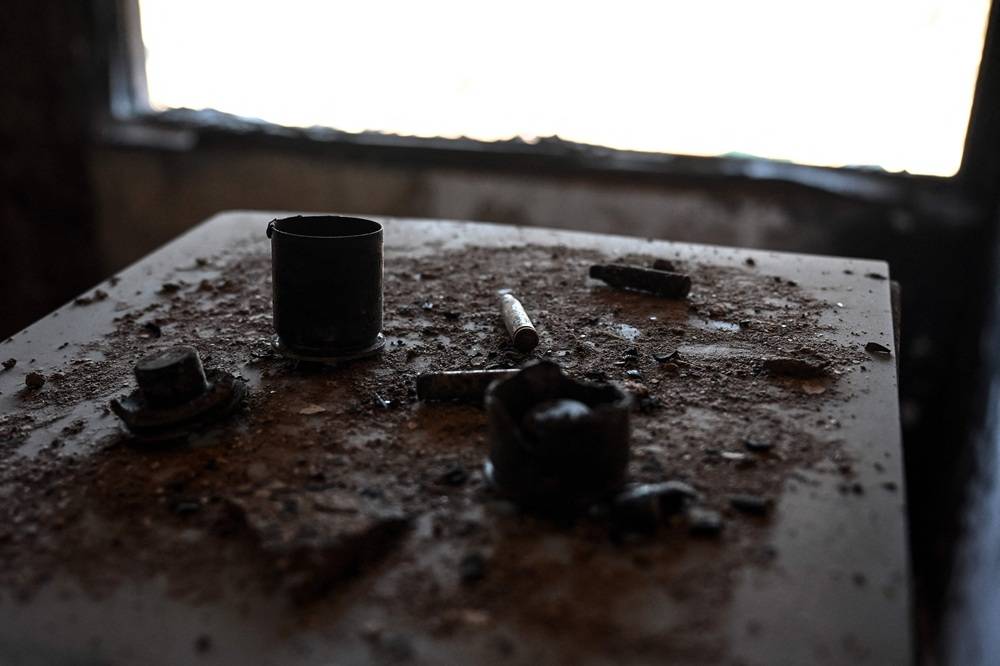
Spent military cartridges are seen inside a house in Zawtar al-Gharbiyeh on July 28, 2026, as residents return to inspect their homes after the Lebanese army deployed to the southern village as part of a framework deal reached with Israel. (AFP)

HEZBOLLAH DISARMAMENT REMAINS KEY

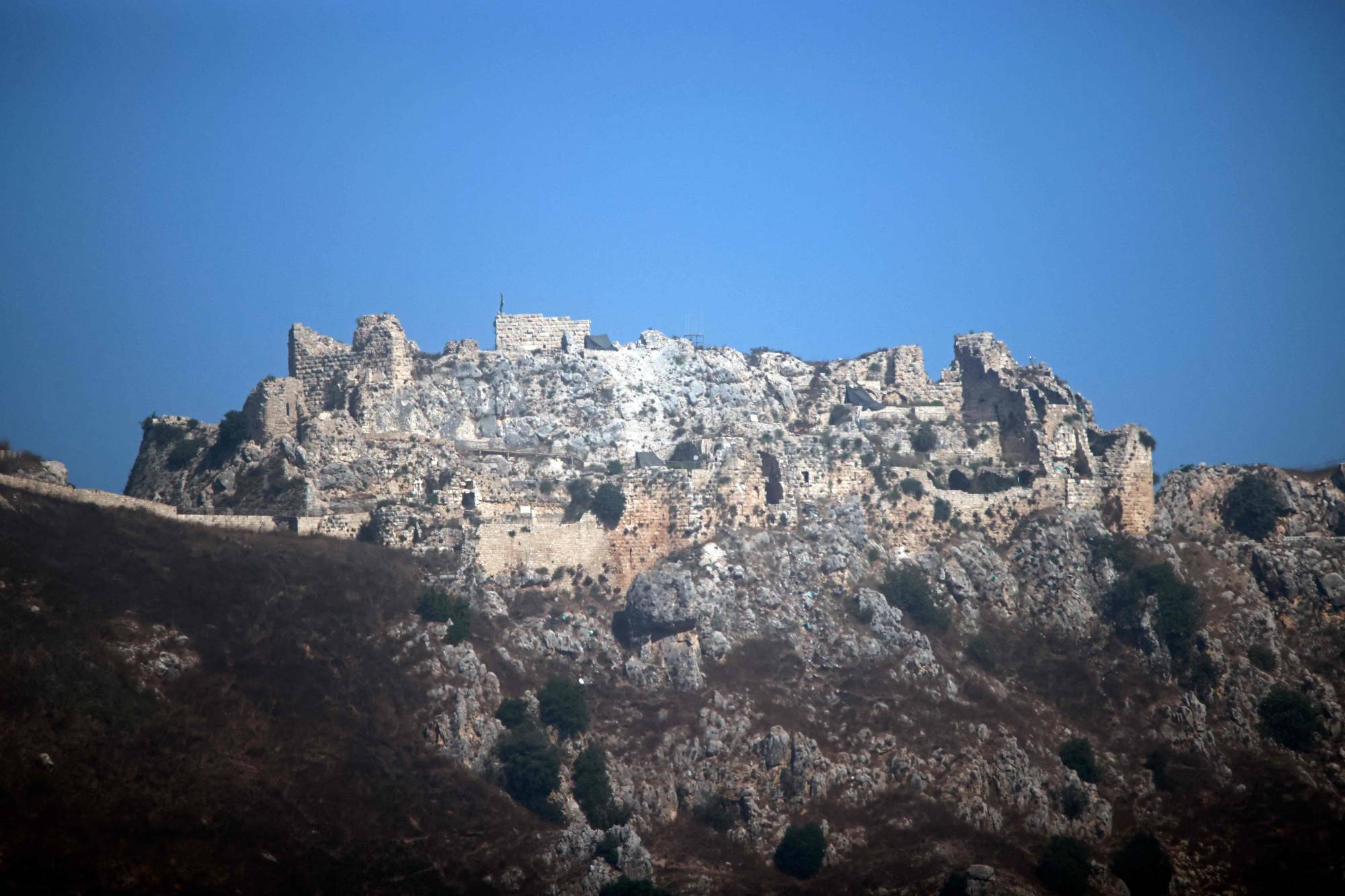
Israeli troops remain ‌stationed in a semicircle of towns to the north and east of Zawtar al-Gharbiyeh, the strategic Beaufort Castle on a commanding ridge just 6 km (4 miles) to the east, and dozens of villages further south.

A key test ⁠of Lebanon's willingness to disarm Hezbollah ⁠in exchange for more Israeli withdrawals could lie a few kilometers away, along a mountain ridge known as Ali Taher.

Hezbollah is suspected of operating a command center and weapons stores there, Lebanese security sources told Reuters.

Hassan Jouni, a Lebanese analyst and retired general, said it was unlikely Israeli troops would withdraw from any more nearby positions "until the problem of Ali Taher is resolved" -- either with Israel capturing the ridge or Lebanese troops clearing out Hezbollah weapons stores.

Jouni noted that the June 26 deal does not set a timeline for either withdrawal or disarmament — and said disarming Hezbollah by force could, at worst, trigger civil war.

Under the deal, disarmament must be verified by a third party to enable the Israeli military to "progressively redeploy out of Lebanese territory". Neither a third party nor a mechanism for verification has been established, Jouni said.

"The timeline for the Israeli occupation, based on this formula, will take a long time."
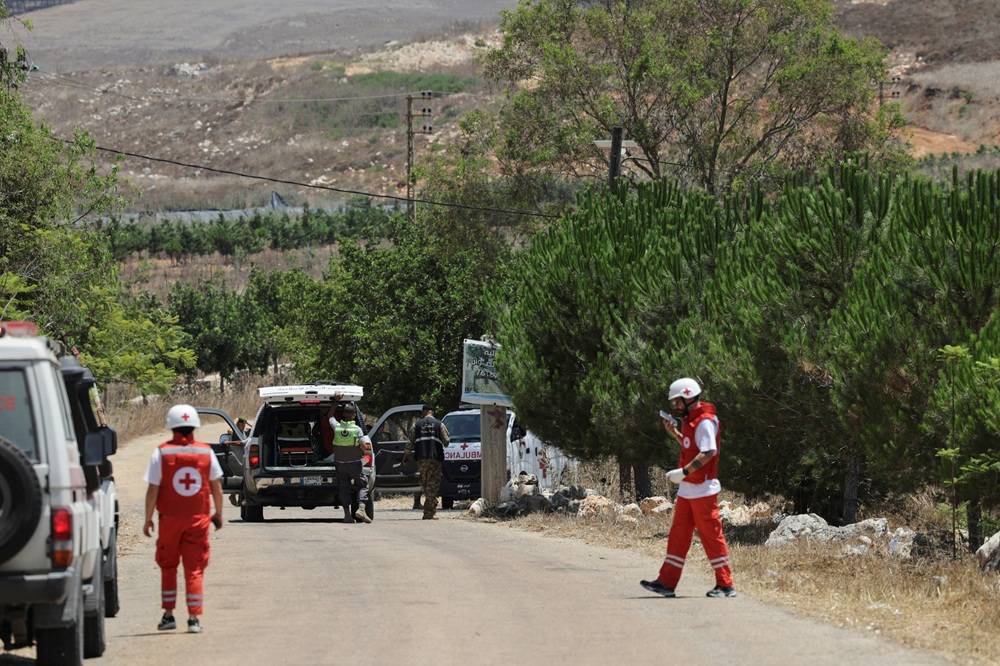
Paramedics and Lebanese soldiers stand in the outskirts of the southern village of Zawtar al-Gharbiyeh, Lebanon, July 23, 2026. (Reuters)

LEBANON TO PROPOSE BIGGER PILOT ZONES

To speed the process, Lebanon intends to propose in talks with Israel next week that the occupied zone be divided into two or three large pilot zones encompassing dozens of towns, instead of Israel withdrawing village by village, the Lebanese military official said.

But Israeli officials have said troops will remain in southern Lebanon as long as necessary, and residents of Israeli-occupied land doubt they will ever see their hometowns again.

"How is Israel going to withdraw? It’s not that simple. They did the impossible to get in here; they aren't just going to leave overnight," said Zeinab Loubani, a 54-year-old mother displaced from a town near Zawtar al-Gharbiyeh.

"I’m telling you, I don’t believe it for a second. It’s all just talk ... There’s nothing left to hope for."


Iraq Closes Three Iran Crossings, Pursues Those Behind Attacks on Saudi Arabia

Travelers at the Shalamsheh border crossing between Iraq and Iran after Iraqi authorities ordered its closure as a precautionary measure following the latest drone attacks on Saudi Arabia on September 12, 2026 (Reuters)
TT

Iraq Closes Three Iran Crossings, Pursues Those Behind Attacks on Saudi Arabia

Travelers at the Shalamsheh border crossing between Iraq and Iran after Iraqi authorities ordered its closure as a precautionary measure following the latest drone attacks on Saudi Arabia on September 12, 2026 (Reuters)

Iraq closed three border crossings with Iran on Saturday, officials told AFP, after a drone attack on a Saudi Arabian pipeline that both Riyadh and Baghdad said was launched from Iraq.

An Iraqi security source and a government official told AFP that authorities ordered the closing of three border crossings with Iran.

The security source said the decision was "part of an intelligence effort to track down the perpetrators and prevent their escape... and to hinder the smuggling of drones through these crossings".

Both sources, who spoke on condition of anonymity because they were not allowed to speak to the media, could not specify when the crossings would reopen.

The closed crossings are Shalamsheh in Basra province, al-Shib in Missan and al-Mandali in the central province of Diyala.

Other border crossings with Iran are still open.

A security official said that "security forces found drone launchers near the Iraq-Iran border in the al-Tib" region, a remote part of Missan, close to the al-Shib crossing. A second security source gave the same account.

Military spokesperson Sabah al-Numan said the prime minister had approved "Iran's request to conduct a joint investigation into finding drone launch platforms near the Iraq-Iran border".

The government's security media cell said earlier that authorities "have started administrative and security reorganization operations at several border crossings".

It added that they had stepped up "intelligence activities" to determine "the breaches and violations that took place at these crossings".

It later announced that passengers stranded for hours at two crossings were permitted to pass.


Al-Halbousi Condemns Attacks on Saudi Arabia

Iraqi Speaker of parliament Mohammed al-Halbousi speaks with the news media as he departs the Department of State after meeting with Secretary of State Mike Pompeo, in Washington, on March 28, 2019. (AP)
TT

Al-Halbousi Condemns Attacks on Saudi Arabia

Iraqi Speaker of parliament Mohammed al-Halbousi speaks with the news media as he departs the Department of State after meeting with Secretary of State Mike Pompeo, in Washington, on March 28, 2019. (AP)

Speaker of the Iraqi Council of Representatives Haibat Al-Halbousi strongly condemned the attacks targeting the Kingdom of Saudi Arabia that originated from within Iraqi territory.

In a statement issued on Saturday, Al-Halbousi rejected the use of Iraq's territory or airspace to threaten Saudi Arabia's security or that of any neighboring state, describing such actions as unacceptable violations that contradict Iraq's national interests, stated foreign policy, and regional relations.

Al-Halbousi emphasized the critical need to restrict weapons exclusively to the state and its constitutional institutions under the authority of the commander-in-chief of the Armed Forces.

He stressed that enforcing state control over arms is vital to reinforcing national sovereignty, preserving domestic stability, and preventing Iraq from being drawn into wider regional conflicts.


Lebanese Army Detains Bashar Assad’s Relative on Weapons and Drugs Charges

Ousted Syrian President Bashar Assad - File Photo
TT

Lebanese Army Detains Bashar Assad’s Relative on Weapons and Drugs Charges

Ousted Syrian President Bashar Assad - File Photo

Lebanese authorities have detained a relative of ousted Syrian President Bashar Assad along with the son of a notorious drug dealer in northeast Lebanon on charges of carrying weapons and drugs, officials and the Lebanese army said Saturday.

Suleiman Assad and Ali Zeiter, son of Noah Zeiter, the suspected drug trafficker arrested last year, were detained Friday near the northeastern city of Baalbek, said the two judicial officials, who spoke on condition of anonymity because they were not authorized to speak to the media. Suleiman Assad is the son of Hilal Assad, a cousin of the ousted president, The AP news reported.

A number of Syrian officials and relatives of Assad have fled from Syria to other countries including Lebanon, after the five-decade Assad family rule came to an end in December 2024, when the opposition seized power. Bashar Assad and his younger brother, Maher, have been living in Russia.

The Lebanese army said in a statement that it detained three people, including a Syrian citizen who did not have documents proving that he is staying legally in Lebanon.

The army said they had weapons with them along with hashish, a drug that is processed from cannabis that are widely planted in northeast Lebanon. The army did not release the names but the initials of their first and family names matched those of Assad and Zeiter. The army said they were questioned under the supervision of judicial officials.

The arrest of Suleiman Assad comes weeks after Lebanon handed over to Syrian authorities a retired major general who commanded a division in Bashar Assad’s army.