



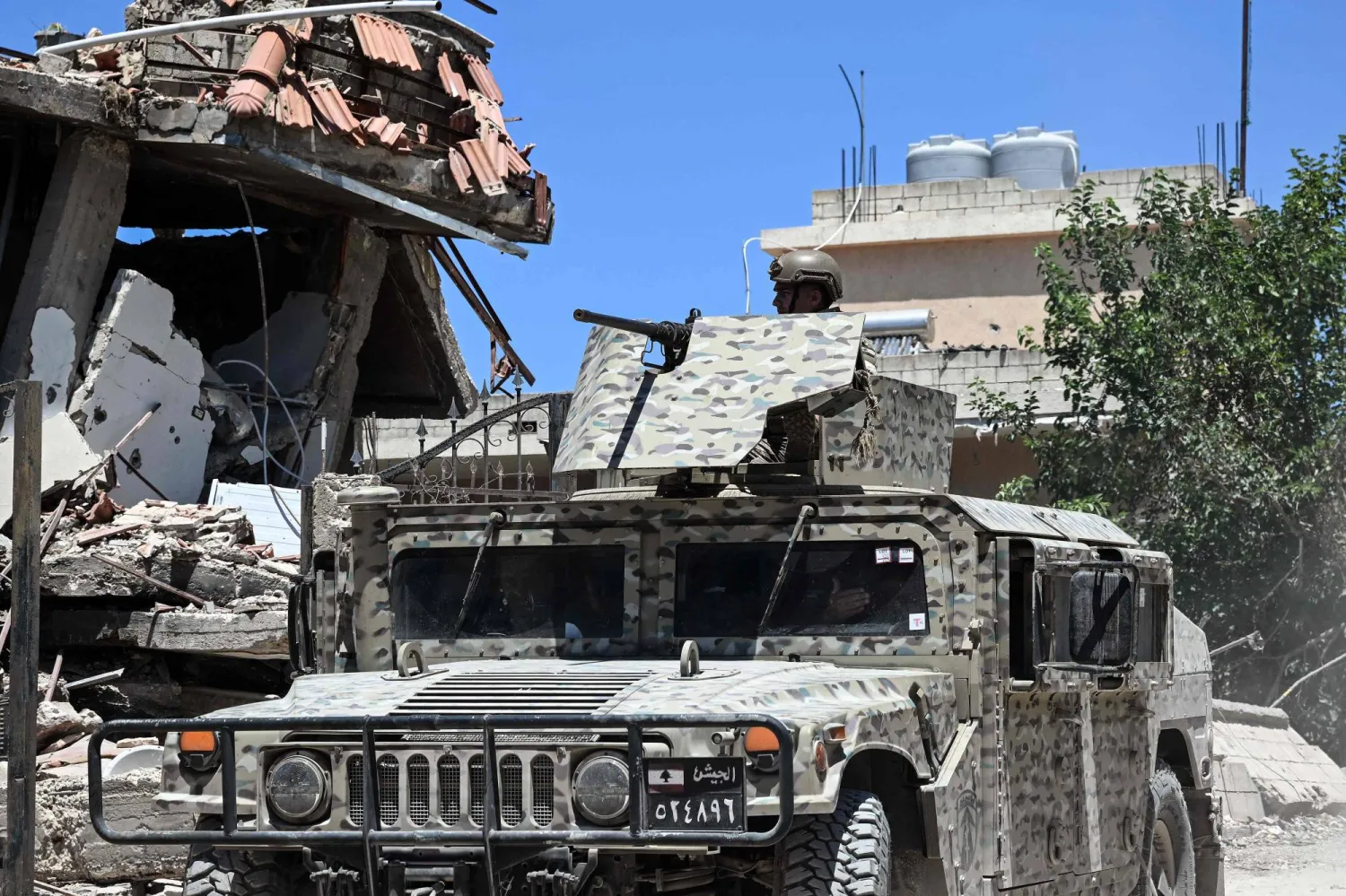

Lebanese-Israeli negotiations under US sponsorship are set to resume in a seventh round, with Rome hosting the talks for a second time on Aug. 4-6, as southern Lebanon stands on the brink of renewed escalation. The meeting comes after Israel carried out its threat to retaliate against Hezbollah for launching a drone targeting an Israeli military vehicle by detonating a network of tunnels beneath Beaufort Castle. Israel also warned of further strikes that could target the Ali Al-Taher hills, where Hezbollah fighters are positioned despite the area being under Israeli fire control.
The "Rome 2" meeting, which will bring together political and military representatives from the three parties that signed the Framework Agreement, will test Washington's willingness to restrain Israel and curb any slide toward escalation. It will also provide the Lebanese delegation with another opportunity to demand that the ceasefire be consolidated to include all hostile acts and for the pilot zones to be expanded to include towns that Israel still occupies within the "Yellow Line," which Israel has turned into a security zone while linking any withdrawal to Hezbollah's disarmament. The talks are also expected to address the Lebanese Army's recent statement holding Israel responsible for obstructing implementation of the agreement.
In this context, a Lebanese source directly involved in the negotiations said the delegation would seek to add towns of symbolic importance to the pilot zones. The source told Asharq Al-Awsat that it would propose including the towns of Bint Jbeil and Khiam.
Betting on the Framework Agreement
The source said Lebanon has no option but to rely on the US-backed Framework Agreement, supported by President Donald Trump, after Hezbollah's military approach had plunged the country into a costly human and material disaster.
"Who is more capable than Washington of pressuring Israel to stop razing towns along the Yellow Line and systematically destroying the homes that remain there, while also expanding the pilot zones by freeing them from Israeli election calculations? There is no interest in keeping us on a waiting list," the source said.
The source added that Israel had been compelled to yield to US pressure by joining the Framework Agreement, despite previously rejecting all forms of negotiations with Lebanon. Israel had expected President Joseph Aoun and Prime Minister Nawaf Salam to reject the deal under pressure from the Shiite Duo, which supports the Memorandum of Understanding, but that expectation proved unfounded, the source said, adding that Israel is now attempting to obstruct implementation of the agreement.
Asked about the agenda, the source said "Rome 2" would discuss establishing a special mechanism to verify the Lebanese Army's deployment in the pilot zones to ensure it maintains control and that no armed Hezbollah groups enter them. The source said the army has already taken strict measures to extend state authority.
The source added: "We support forming it with monitors headed by a US general," referring to Joseph Clearfield, who had been expected to arrive in Beirut but instead traveled to Saudi Arabia to participate in the maritime defense conference hosted by the Kingdom to enhance the protection of maritime routes and prevent threats to them.
The source said the verification committee would begin work immediately after it is formed. The source also praised cooperation between army units and residents returning to their towns, saying the army has been providing them with every possible form of assistance. Cooperation between the two sides has been excellent, the source said, and nothing has occurred so far to undermine the army's deployment. The source added that 15 families from the town of Zawtar Al-Gharbiya had once again been displaced in search of safety following fears of an Israeli response to Hezbollah's drone attack on an Israeli military vehicle.
Hezbollah Unlikely to Escalate
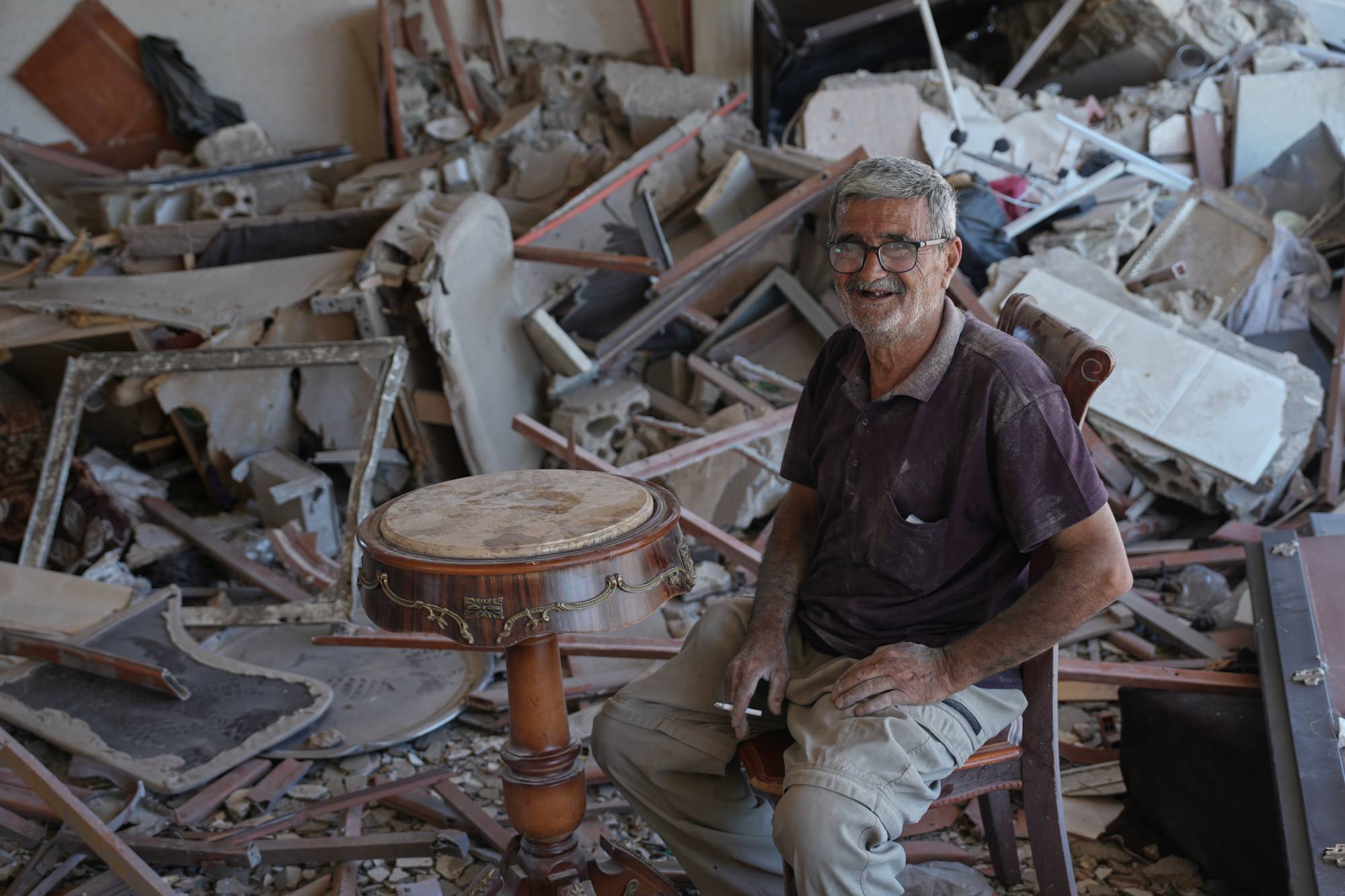
The source said Hezbollah is unlikely to escalate in support of Iran should the confrontation between Tehran and Washington intensify, arguing that current circumstances differ from those during its previous intervention on Iran's behalf. Hezbollah, the source said, cannot withstand another wave of displacement after hundreds of thousands of residents have returned to their towns and homes.
Such a move would also put Hezbollah at odds with Parliament Speaker Nabih Berri, who criticized the group's previous intervention on Iran's behalf following Israel's assassination of Iranian Supreme Leader Ali Khamenei, despite Hezbollah Secretary-General Naim Qassem having pledged to Berri that the group would not become involved. It would also place Hezbollah at odds with the broader Shiite public mood, which seeks stability and opposes another round of displacement, the source said.
The source added that the Lebanese delegation to the seventh round of negotiations is counting on US support following the Washington summit between Presidents Donald Trump and Joseph Aoun. The source expressed hope that the summit's outcome would translate into concrete steps reflecting the Lebanese Army's statement accusing Israel of obstructing implementation of the agreement and expanding the pilot zones to include occupied towns, with Bint Jbeil and Khiam, or one of them, among the preferred options.
The source said expanding the pilot zones would face resistance from Israeli Prime Minister Benjamin Netanyahu, who remains determined not to withdraw from the security zone, while Defense Minister Israel Katz is seeking to impose what the source described as the "Gaza model" there. Lebanon, meanwhile, hopes Washington will intervene to prevent the fate of the so-called security zone from remaining tied to Israeli elections scheduled for Oct. 27.
Lebanon, the source said, has fulfilled all of its obligations and responded to Washington's request to engage in direct negotiations with Israel under US sponsorship, with the United States acting as guarantor of efforts to extend state authority across all Lebanese territory. The aim, the source said, is to send a message to the Shiite Duo that the Lebanese state's approach is the correct one and that there will be no retreat from the principle that arms must remain exclusively in the hands of the state.
The source concluded by asking whether Trump would honor his commitment by preventing Lebanon from remaining hostage to Israeli election calculations and instead pave the way for the phased implementation of the Framework Agreement. Leaving the process stalled, the source argued, would provide the Shiite Duo with justification for maintaining its support for the Memorandum of Understanding rather than strengthening President Aoun, the government, and their supporters in defending Lebanon's decision to engage in direct negotiations under US sponsorship, though not "the Iranian way."


