




Political sources in Tel Aviv said Israel’s escalation in South Lebanon over the past three days has Washington's understanding, provided it does not reignite the war and is accompanied by steps to advance US-sponsored negotiations between the Lebanese and Israeli governments.
The sources noted that the US understands Israel’s response because Hezbollah has continued operations that killed two Israeli soldiers and seriously wounded three others in a drone attack in the Ali al-Taher area.
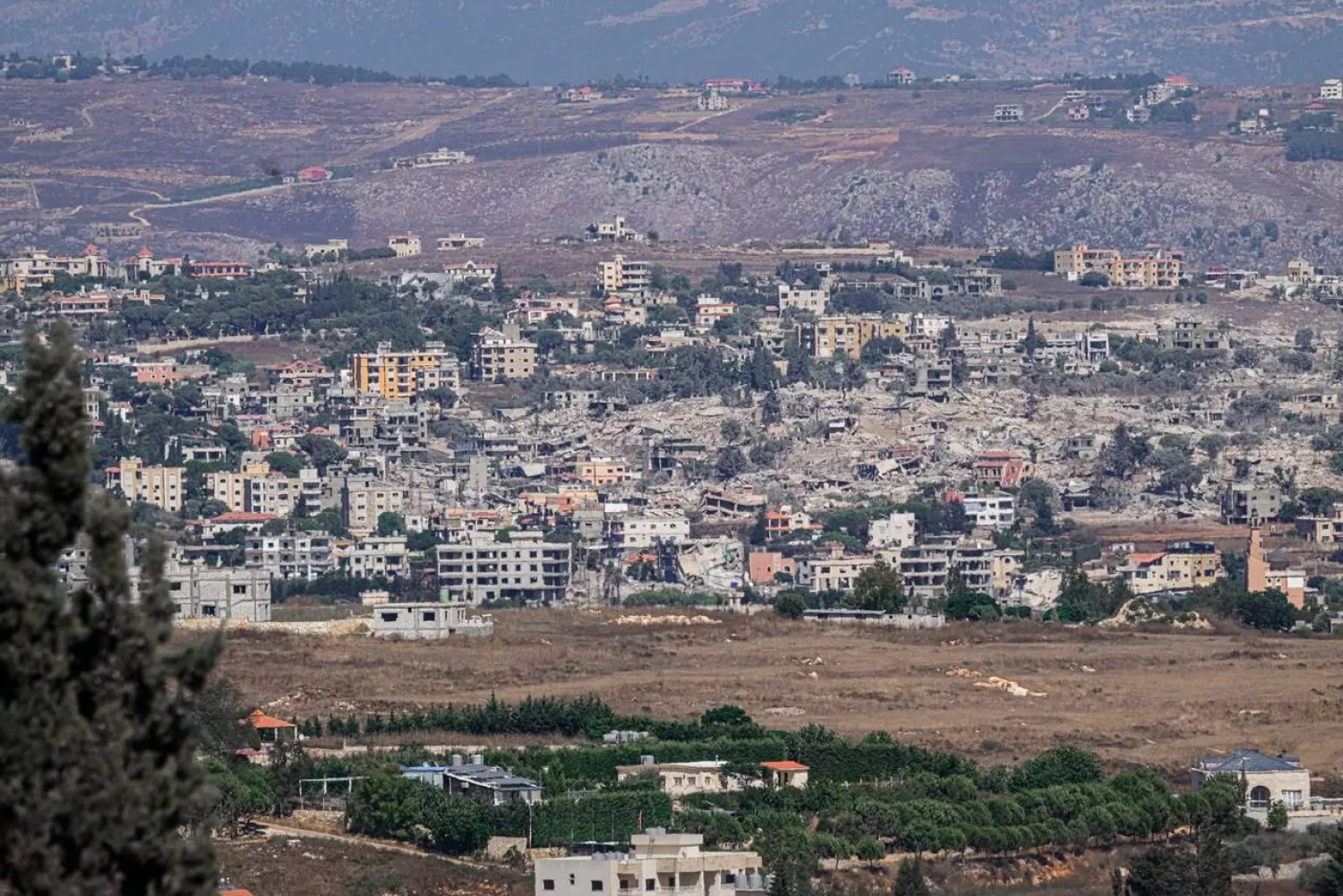
The Israeli military subsequently launched intensive airstrikes and shelling across numerous areas it claimed were linked to Hezbollah, killing several civilians, including children.
Israel’s Maariv newspaper reported that political sources said the US had given Israel a “green light,” while Haaretz cited political sources as saying the American administration had expressed understanding for Israeli operations but asked Tel Aviv to take diplomatic steps to help advance negotiations with Beirut and exercise restraint on other fronts.
According to the Israeli account, the fierce battle over the Ali al-Taher hills is driven not only by their commanding position over the Nabatieh area, a Hezbollah stronghold, but also by a large underground tunnel complex with eight entrances that Israel describes as Hezbollah’s southern “Kirya.”
The Kirya is the name of the Israeli military headquarters complex in Tel Aviv, which also houses the Defense Ministry and an underground command center.
Israel claims that more than 40 senior Hezbollah operatives were initially trapped in the underground complex and have been encircled for two months.
Their number has since fallen to about 15, according to the Israeli assessment. Israel believes some are officers and trainers from Iran’s Revolutionary Guard Corps and wants to expose their presence publicly.
Israeli Prime Minister Benjamin Netanyahu hopes their surrender could provide an image of victory over Hezbollah. Israel is demanding that those still inside emerge either in surrender or be killed.
Hezbollah, meanwhile, is seeking to thwart the Israeli plan and exact a heavy price from the military, using explosive-laden drones, planted explosives and clashes.
Each Israeli casualty has increased pressure on Netanyahu and military commanders, prompting heavier strikes on Lebanese homes and neighborhoods.
For Netanyahu, the mounting losses also carry political costs as he faces a difficult election battle. They undermine his claim to have achieved the war’s objectives of dismantling and disarming Hezbollah, which Israel says is regrouping and rebuilding its capabilities. The elections are set for October.
A wide gap nevertheless remains between Washington and Tel Aviv over diplomacy.
The US administration believes the most effective blow against Hezbollah would be a political agreement with Lebanon and progress toward a peace treaty.
Washington views Israel’s emphasis on military action as benefiting Hezbollah and its Iranian backers by weakening the Lebanese government and state.
Iran has threatened in recent days to intervene if Israel continues operations in Ali al-Taher. The warning has made the Israeli military cautious about launching a ground assault on the underground command center.
Instead, it has maintained fire around the complex’s eight entrances, seeking to prevent those trapped inside from escaping and block reinforcements or relief, while cutting off water and electricity.
Israel’s public broadcaster Kan cited a source close to US Lt. Gen. Joseph Clearfield, who heads the committee overseeing the ceasefire agreement between Israel and Hezbollah, as saying Israel could seize the Ali al-Taher area and expand its military operations if Hezbollah does not halt its attacks.
Israeli Defense Minister Israel Katz said Tel Aviv would leave “no score unsettled” on any front and would defend its soldiers and citizens, amid reports of preparations for more strikes.
National Security Minister Itamar Ben-Gvir called for a broader military escalation against Lebanon, saying Israel should do more than simply thwart threats.
He hoped Israel was heading toward an escalation with Lebanon, calling for an end to what he described as a “cat-and-mouse game,” and urged that strikes be expanded to Beirut.


