
IRGC Signals Shift Toward Wider, More Offensive War

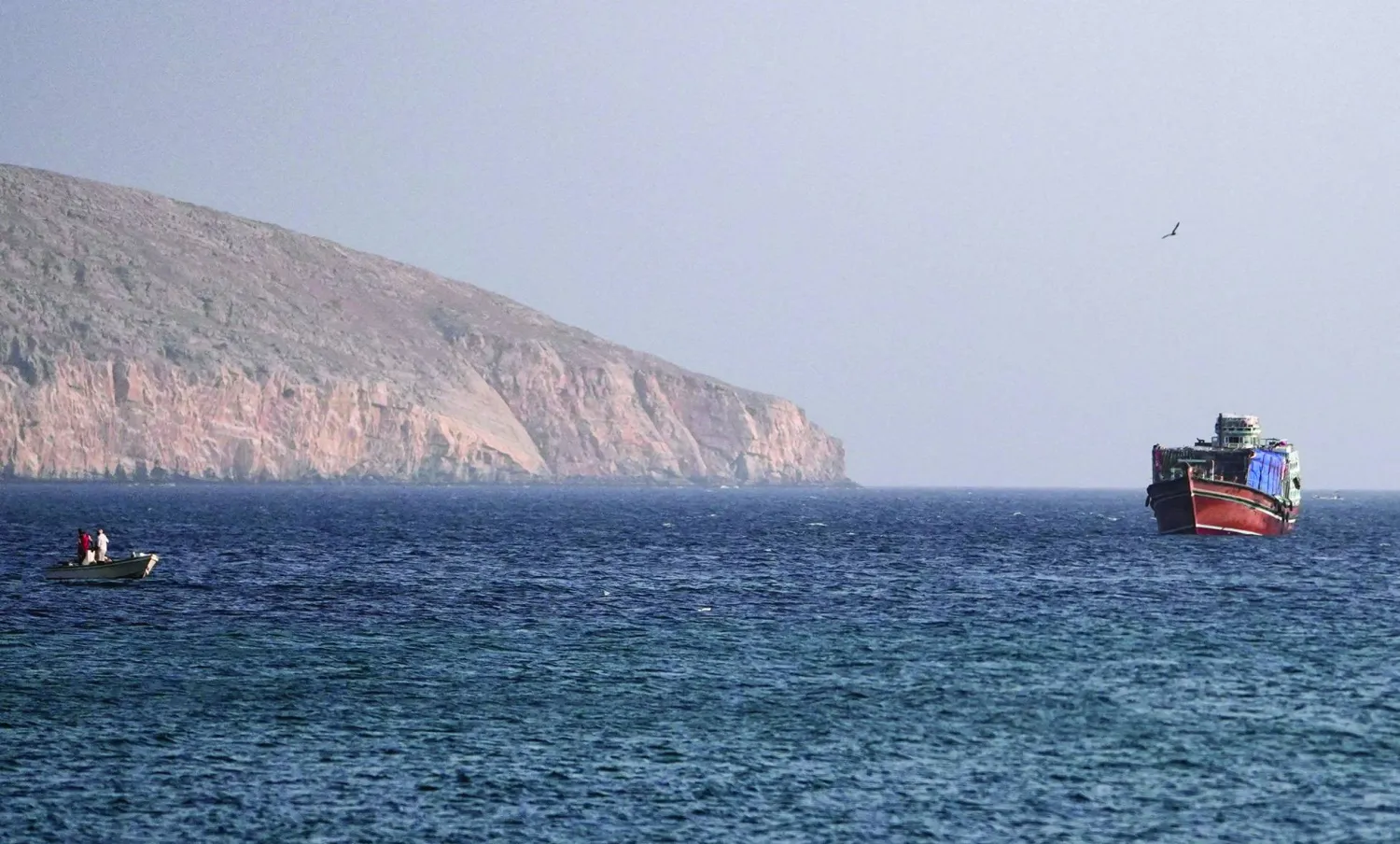
A ship near the Strait of Hormuz (Reuters)
TT

IRGC Signals Shift Toward Wider, More Offensive War

A ship near the Strait of Hormuz (Reuters)

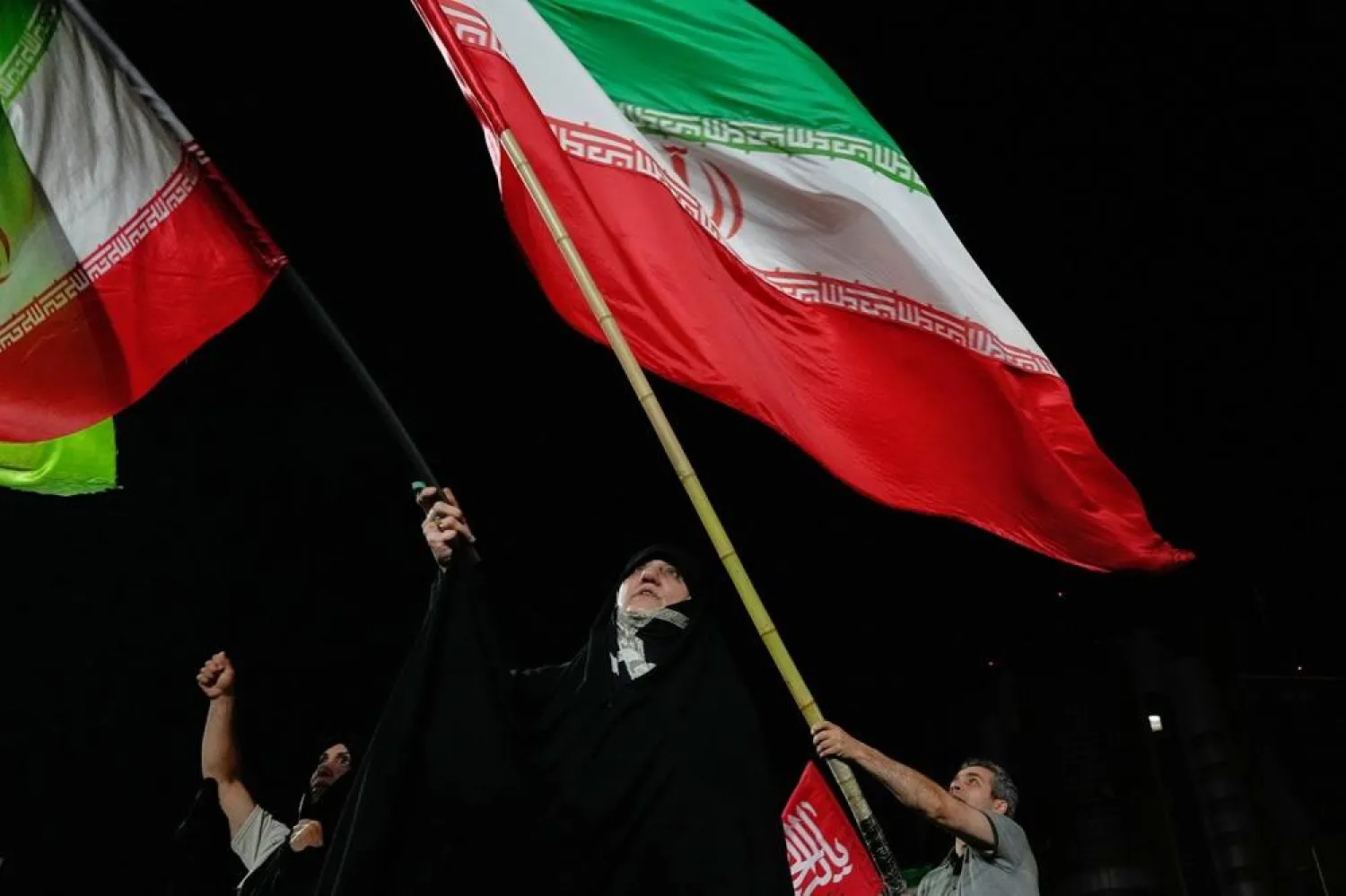
A senior Iranian Revolutionary Guard Corps official has warned that Iran could shift from defensive to offensive military operations, as Tehran and allied armed groups in Iraq, Yemen and Lebanon reportedly prepare plans to broaden the conflict and raise the cost for the United States and its allies.  

Yadollah Javani, the IRGC’s deputy for political affairs, told Iranian state television that Iran’s military actions had so far been defensive because its adversaries had started the war, but could become offensive in the future.  

He said the armed forces would adopt new approaches following recent appointments and directives from Supreme Leader Mojtaba Khamenei and warned Iran’s adversaries to expect what he described as strategic surprises. 

The warning came as a senior Iranian official told Reuters on Monday that Tehran would escalate tensions in the Strait of Hormuz and the wider region if diplomacy with Washington failed. 

The official said Iran had decided to shift from a defensive posture to a “fully offensive” one and had given the United States “a few weeks” to fully implement the memorandum of understanding. The official noted that relying on pressure or mediators to secure a lasting agreement was no longer considered realistic. 

Javani reiterated Iran’s position that ending the war and reopening the Strait of Hormuz depended on Washington fulfilling its commitments under the Islamabad memorandum. He said the waterway and the arrangements governing it would not return to their prewar status, adding that Iran’s talks with Oman over a shipping corridor concerned the period after hostilities had definitively ended. 

He described Khamenei’s recent military appointments as a restructuring aimed at adapting Iran’s defense doctrine to current conditions. Mohammad Reza Naqdi, an adviser to the IRGC commander, has also spoken of moving from a defensive military doctrine toward a more offensive approach. 

IRGC Deputy Commander Maj. Gen. Mostafa Izadi, meanwhile, claimed Iran had endured the war, sanctions and blockade while spending only a fraction of what its adversaries had spent. He also claimed Iranian forces had shot down more than 200 aircraft during the conflict. 

At the same time, intercepted communications and intelligence indicate that the IRGC has been working with allies in Iraq, Yemen and Lebanon on plans to expand the battlefield, The Wall Street Journal reported, citing regional officials. 

According to the newspaper, Tehran used the relative lull following the June 17 memorandum with Washington to reorganize its military and security structure, rebuild capabilities and prepare for a broader confrontation, based on an assessment that war remained the most likely scenario and negotiations might amount only to a temporary pause. 

Preparations reportedly included giving the IRGC greater influence over the regular military, reorganizing the chain of command, expanding counterintelligence efforts and accelerating missile and drone production while improving accuracy. 

Iran also dispatched advisers and commanders to allied armed groups to discuss a possible expansion of the fighting. Plans included positioning missiles, naval weapons and drone launchers near the Red Sea, supplying allies with intelligence, target lists and operational advice, and threatening regional energy facilities if the United States struck similar infrastructure inside Iran. 

Other options reportedly under consideration include preemptive strikes, operations on adversaries’ territory, possible sabotage of undersea internet cables, and greater use of the Strait of Hormuz and Red Sea to exert military and economic pressure. 

The military restructuring has also placed veteran security figures in key positions, including Mohsen Rezaei, Hossein Taeb, Ali Abdollahi and Ahmad Vahidi, as Tehran prepares for the possibility of a broader confrontation. 


Eight Dead in Thailand Floods Since Mid-September

People wade through a flooded market in Bangkok, Thailand, September 28, 2026. REUTERS/Athit Perawongmetha
TT

Eight Dead in Thailand Floods Since Mid-September

People wade through a flooded market in Bangkok, Thailand, September 28, 2026. REUTERS/Athit Perawongmetha

Eight people have died in flooding in Thailand since September 16, although none in the capital Bangkok which declared a disaster this weekend following heavy rains, the government said Monday.

The eight died in eastern provinces -- five in Sa Kaeo, two in Chanthaburi and one in Saraburi -- according to the Department of Disaster Prevention and Mitigation (DDPM), which did not give further details.

Not including Bangkok, more than 500,000 housesholds and 1.7 million people across 27 provinces in the Southeast Asian country have been affected by flooding, the DDPM said.

A further 52,000 households were impacted in the capital, which on Saturday declared a city-wide disaster after almost 48 hours of heavy rain swelled canals and flooded roads.

No deaths have been officially reported in Bangkok, and the DDPM said water levels had stabilized.

However, AFP reporters saw heavy rain and flooding in at least one eastern neighborhood, with residents wading through thigh-high waters.

Schools have been closed and people urged to work from home -- a call that many heeded, with streets and public transport networks noticeably quieter on Monday morning.

"Some areas in Bangkok are still facing high water levels," government spokesman Ekkapob Pianpises told a news briefing.

Drainage systems had reduced water levels to the point that more people could travel, he added.

Thailand is used to wet weather and September is the peak of the rainy season, but many residents said this year seemed worse than previous ones.


South Korea Demands Ukraine Apology Over Denial of Confidential Deal on North's POWs

 South Korean President Lee Jae Myung speaks during a press conference at the presidential Blue House in Seoul, South Korea, Friday, Sept. 18, 2026. (AP Photo/Ahn Young-joon, Pool)
South Korean President Lee Jae Myung speaks during a press conference at the presidential Blue House in Seoul, South Korea, Friday, Sept. 18, 2026. (AP Photo/Ahn Young-joon, Pool)
TT

South Korea Demands Ukraine Apology Over Denial of Confidential Deal on North's POWs

 South Korean President Lee Jae Myung speaks during a press conference at the presidential Blue House in Seoul, South Korea, Friday, Sept. 18, 2026. (AP Photo/Ahn Young-joon, Pool)
South Korean President Lee Jae Myung speaks during a press conference at the presidential Blue House in Seoul, South Korea, Friday, Sept. 18, 2026. (AP Photo/Ahn Young-joon, Pool)

South Korea's presidential office has demanded an apology from Ukraine for denying an agreement to keep the transfer of two North Korean prisoners of war to Seoul confidential.

The incident came after Ukrainian President Volodymyr Zelensky told the United Nations that his country had sent two North Korean soldiers to the South, adding they were "not easy to capture alive".

Hours later, South Korea's President Lee Jae Myung said on X, "I do not know why the Ukrainian side broke the agreement and made the matter public, but it is very disappointing."

As a response to this, Zelensky's aide Dmytro Lytvyn told journalists that Ukraine was "an open country" and that it would have been strange to hand over the soldiers in secret.

"From the entire story -- which is long and detailed -- we reported only the fact itself, that they were sent to the Republic of Korea," he said.

"It is in itself a very serious matter that the Ukrainian side violated the confidentiality agreement between the two countries and made the disclosure unilaterally," Seong Ghi-hong, senior presidential secretary for public relations, said in a statement late Sunday.

"But the Ukrainian presidential press office's false statement that there had been no confidentiality agreement... seriously undermines trust between the two governments and gravely damages friendly relations between the two countries," he said.

The South Korean Presidential office demands "an official explanation and apology," said Seong.

The South Korean presidential office is "considering additional measures that may be necessary regarding this matter," he added, but did not specify what they were.

Early last year, Ukraine captured two North Korean soldiers among Pyongyang's troops fighting for Moscow.

A South Korean lawmaker had previously said the pair wanted to live a "normal life" in the South.

Under South Korea's constitution, all Koreans, including those living in the North, are considered citizens, and officials have said this would apply to any North Korean troops captured in Ukraine.


Trump Expects New Iran Talks Despite Rejecting Deal Offer

Iranian missiles are displayed on a street in Tehran, Iran, September 27, 2026. Majid Asgaripour/WANA (West Asia News Agency) via Reuters
TT

Trump Expects New Iran Talks Despite Rejecting Deal Offer

Iranian missiles are displayed on a street in Tehran, Iran, September 27, 2026. Majid Asgaripour/WANA (West Asia News Agency) via Reuters

US President Donald Trump said Sunday that he expects talks with Iran to resume in the coming week, despite his rejection of a truce proposal put forward by Tehran.

Iranian officials brought with them to the UN General Assembly in New York a plan for a seven-day truce followed by the reopening of the Strait of Hormuz shipping channel.

Trump dismissed the plan and has mused on resuming full-scale air strikes on Iranian targets, but he told the news platform Axios that he expects negotiations to resume.

"They want to make a deal, but it is not the deal that I want to make," Trump told Axios. "It is what we would have maybe agreed to a year ago."

"They overplayed their hand," Trump said, in the interview published Sunday.

Citing sources familiar with the matter, Axios reported that indirect talks between Washington and Tehran could take place as early as Monday.

On Sunday, Iran was still standing by its conditions for reopening the Strait of Hormuz, leaving the Gulf front of the Middle East war locked in a stalemate, while fighting rages in Yemen.

- 'We will not back down' -

Hormuz is a key chokepoint for the world's energy supplies and is now central to the conflict between Washington and Tehran, which was started nearly seven months ago when the US and Israel launched a wave of strikes against Iran.

Iran's plan called for a cessation of all hostilities in the Middle East, including in Lebanon, according to Foreign Minister Abbas Araghchi, and a return to the conditions in an earlier ceasefire deal that fell apart.

That agreement, which collapsed during fighting over Hormuz, called for the release of frozen Iranian assets, the lifting of sanctions on Iranian oil and an end to the US naval blockade.

"Our conditions are clear, and any move toward reopening the Strait of Hormuz is contingent upon these conditions being fulfilled. We will not back down from them," Araghchi said on Sunday, state broadcaster IRIB reported.

"We have never closed the door to diplomacy or negotiations, but at the same time, we have never backed down from our rights."

Washington's ambassador to the UN, Mike Waltz, accused Tehran of demanding too much in exchange for a return to the negotiating table.

"This was, I think, a pretty cynical attempt to put something on the table that they knew was unacceptable. To ask for the release of the blockade, the sanctions, international sanctions and access to billions in assets, just to talk," he told NBC News in an interview broadcast Sunday.

"I think it's kind of common sense that the president doesn't have a lot of confidence this time after we just tried a few months ago."

Iran's Revolutionary Guards meanwhile said that they seized an American submersible drone on Sunday in the Strait of Hormuz.

It said the underwater vehicle was being used "for espionage purposes", adding that it was "now in the hands of the force's specialists for data recovery".

- 'Tool for pressure' -

Washington and Tehran signed a memorandum of understanding in June aimed at ending the war, reopening the strait and launching talks on Iran's nuclear program.

But the deal broke down shortly afterwards when Iran fired on commercial ships in Hormuz that it accused of deviating from its approved route through the waterway.

Iran requires ships to obtain authorization before passage, citing security and sovereignty reasons.

Ships that refuse to comply are regularly targeted, while the United States sporadically bombs Iranian coastal areas in retaliation.

Araghchi said at the UN that Iran has conveyed to the United States, through Qatar, a concrete seven-day plan, adding: "The choice now rests with the United States."

Hossein Mohebi, a spokesman for Iran's Revolutionary Guards, was quoted by Tasnim news agency as saying: "We will not cease punishing the US until Iran's seven conditions are met."

Mohebi had told AFP in an exclusive interview on Tuesday that ending hostilities in Yemen was also among Tehran's demands.