
Special Representative of the Secretary General and Head of the United Nations Support Mission in Libya (UNSMIL) Hanna Tetteh has revealed that Libya possesses Africa’s largest oil reserves, yet hundreds of thousands of people have spent nearly a month and a half without electricity or water.
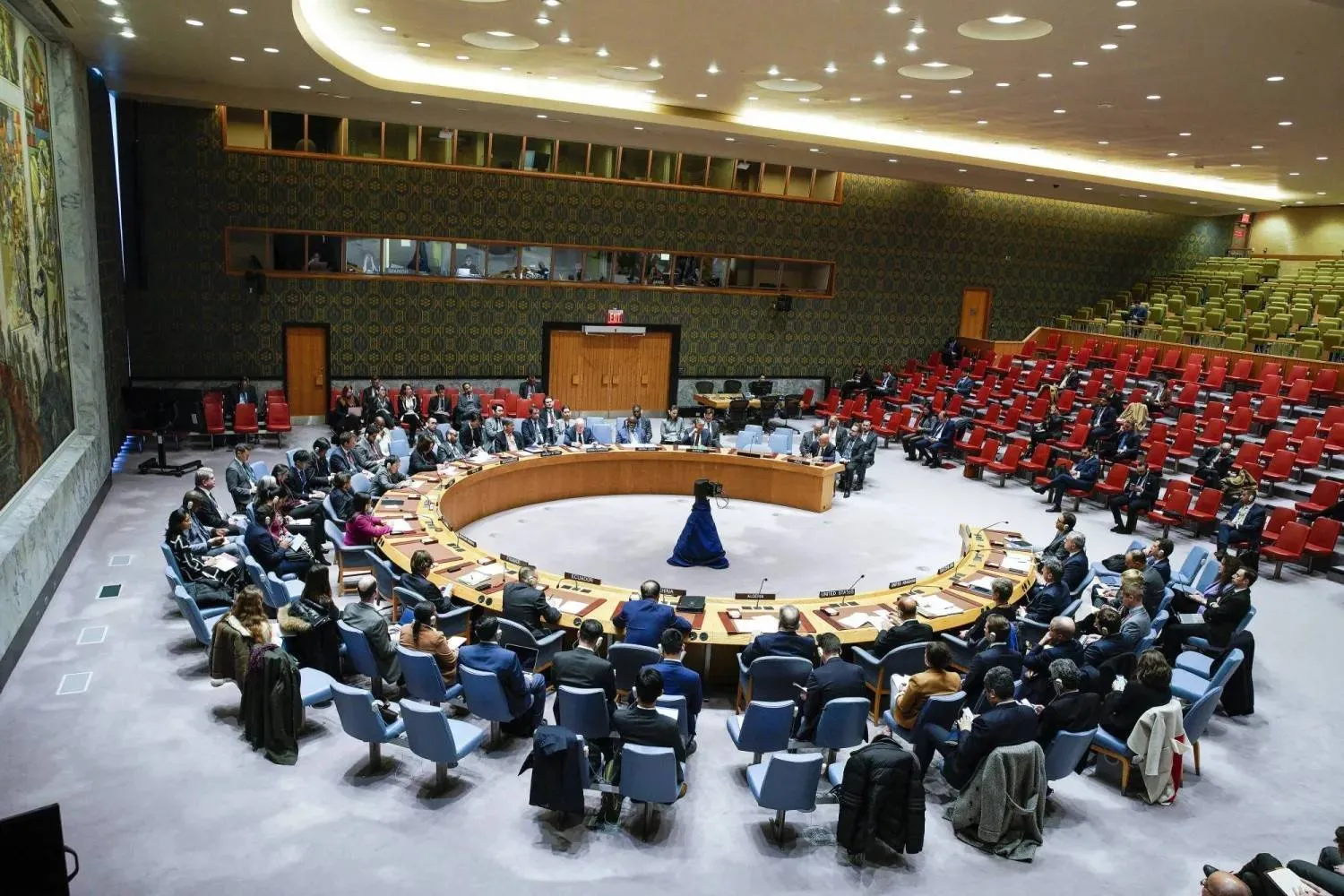
“The need to move Libya's political process forward remains crucial,” Tetteh told the Security Council on Tuesday.
“The recent widespread electricity outages and public discontent, exacerbated by a prolonged heat wave, have exposed the consequences of institutional fragmentation,” she said.
“Approximately $1 billion is spent monthly on fuel imports. Yet electricity systems remain vulnerable to fuel shortages,” she said, seen as “evidence of large scale diversion of subsidized fuel in the electricity and security sectors.”
Politically, she said the UN roadmap is based on three mutually reinforcing pillars: A credible path to presidential and legislative elections through electoral reforms, an inclusive, structured dialogue and the reunification of executive institutions through a unified government.
She told the Council that the Four Plus Four Committee, since its inaugural meeting on April 29 has met seven times, “having addressed some of the most contentious issues” and is set to meet again on August 20.
“Its recommendations, which I presented to the Council in my last briefing, address governance, the economy, security, reconciliation and human rights,” Tetteh said.
On fiscal affairs, she said that the central Bank of Libya commenced in June implementing salary increases for military and security personnel in eastern Libya following a request from the Libyan National Army (LNA) in December 2025, and subsequent legislation for this by the House of Representatives.
A similar request was reportedly made to the central bank from western Libya.
On August 9, the governor of the Central Bank submitted a letter to the two chambers requesting to be relieved of his position. “The move is an indication of the mounting pressure on the central bank,” Tetteh told Council members.
On Security issues, she mentioned that on August 3 heavy clashes erupted among armed actors engaged in trafficking, illicit drugs, human trafficking and fuel smuggling in residential areas across Zawiya and Sorman, resulting in civilian deaths and injuries.
“Furthermore, the use of several drones against the oil refinery and other vital infrastructure in Zawiya is an emerging and worrying development, suggesting deliberate targeting of the oil facility, causing structural damage, risk of fire and disruption of water supplies.
“On the 10th of August, the National Oil Corporation declared a state of emergency at the refinery and called for urgent investigations into these attacks,” she added.
She also referred to the assassination of Major General Fawzi Mansouri, director of the Military Intelligence Department for the LNA, in Benghazi on August 10 in a reported car bombing.
In a positive development, the two Chiefs of General Staff from the West and East met in Sirte on July 12, attended by the Five Plus five Joint Military Commission and the three plus three military committee established under the US track and UNSMIL.
“The meeting demonstrated that practical confidence building measures remain possible,” she said.
“The chiefs agreed on the principle to establish a joint border force and undertake joint exercises, regular coordination and harmonized training,” she added.