



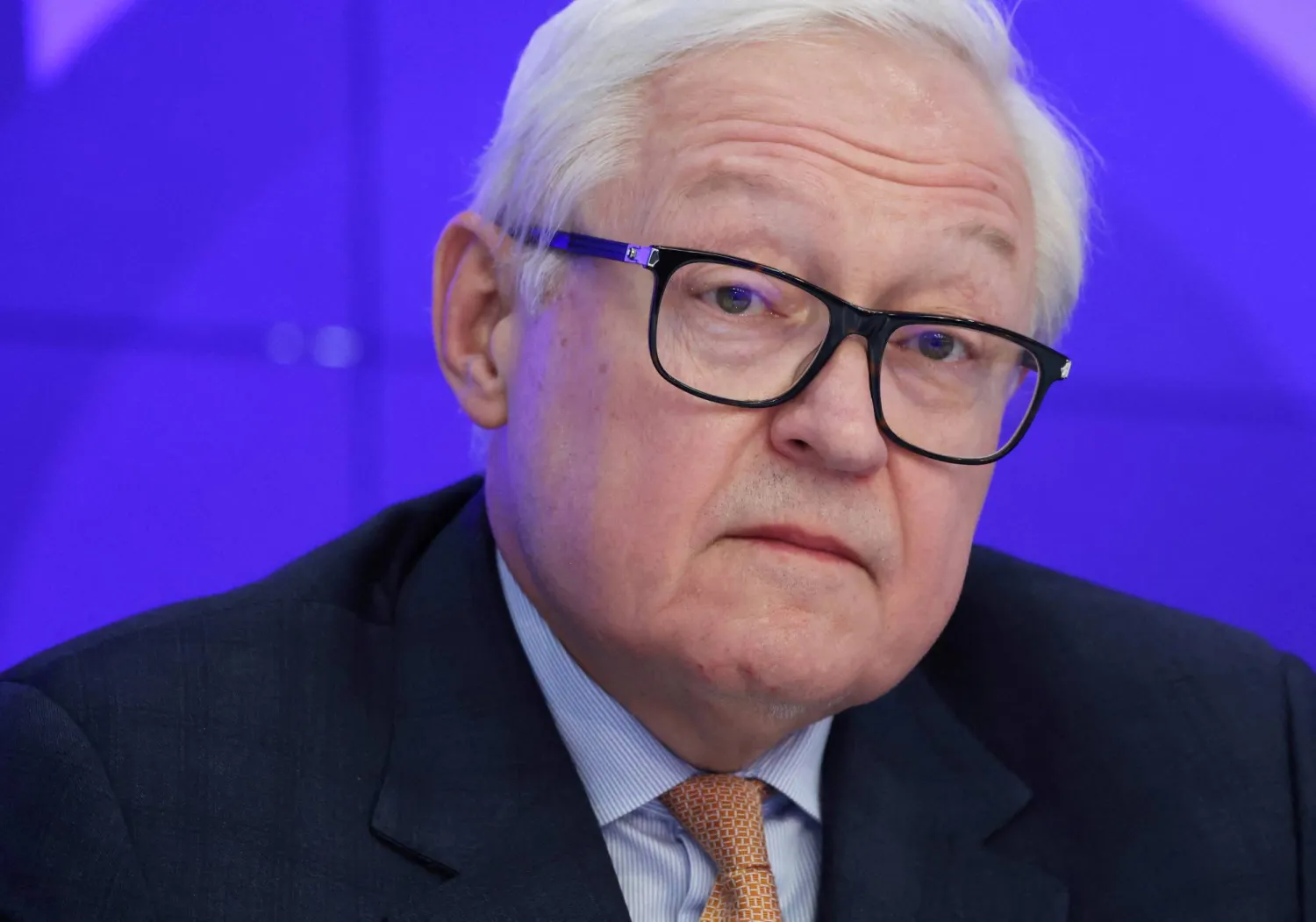

Russia is open to listening to new proposals on how to reach a settlement on the Ukraine conflict, a senior Russian diplomat said, but any proposals should reflect the "realities on the ground".
Russian Deputy Foreign Minister Sergei Ryabkov said in an interview with media outlet News.ru published on Friday that the US demonstrated a readiness for "constructive dialogue" and an "understanding of Russia's position".
"At this stage, it is more important to what extent Washington is able to influence the decisions of the Kyiv regime and its European sponsors, who still dream of a 'strategic defeat' of Russia," he told the outlet.
Negotiations between Russia and the US to bring about an end to the conflict in Ukraine have largely stalled amid the war in Iran.
The Kremlin said on Thursday that it had no information yet on a possible next visit to Moscow by US presidential envoys Jared Kushner and Steve Witkoff, who have led negotiations with Russia in the past.
US Secretary of State Marco Rubio said last month that Washington was committed to helping end the war, following a meeting in Manila with Russian Foreign Minister Sergei Lavrov.
But Rubio cautioned there was no quick deal ahead and the US was trying to "find a middle ground".
Ryabkov said Russia was ready to listen to Rubio's new ideas and continue dialogue with Washington.
"The Russian Federation is ready to listen to any reasonable proposals and ideas that are in line with the goals set by the Russian president and meet the 'realities on the ground'," he said.
After almost 4-1/2 years of war, Russia holds around a fifth of Ukraine's internationally recognized territory. Moscow has repeatedly said it is open to talks, but that these must recognize the "new realities on the ground".
In the interview, Ryabkov also suggested Russia was keen to maintain discussions with the US on nuclear weapons. The New START nuclear treaty expired in February, leaving the world's two biggest nuclear-armed powers with no binding constraints on their strategic arsenals for the first time in more than half a century.
Moscow has said it will keep observing the treaty's missile and warhead limits as long as Washington does the same.
"We remain open in the future to find political and diplomatic ways to stabilize this area," Ryabkov said.


