Saudi Arabia Condemns Israeli Prime Minister's Illegal Entry into Syria

Saudi Arabia Condemns Israeli Prime Minister's Illegal Entry into Syria
TT

Saudi Arabia Condemns Israeli Prime Minister's Illegal Entry into Syria

Saudi Arabia Condemns Israeli Prime Minister's Illegal Entry into Syria

The Ministry of Foreign Affairs expressed Saudi Arabia's strongest condemnation and denunciation of the Israeli prime minister's illegal entry into Syria in a flagrant violation of its sovereignty and territorial integrity, and a blatant breach of international law, SPA reported.

The Kingdom stressed the importance of halting Israeli violations and transgressions against Syrian territory and adhering to the 1974 Disengagement Agreement, in a manner that preserves the security and stability of the region.

The Kingdom also reiterated its support for the sovereignty and territorial integrity of Syria.


Qatar, Bahrain Strongly Condemn Terrorist Houthi Attacks on Saudi Arabia

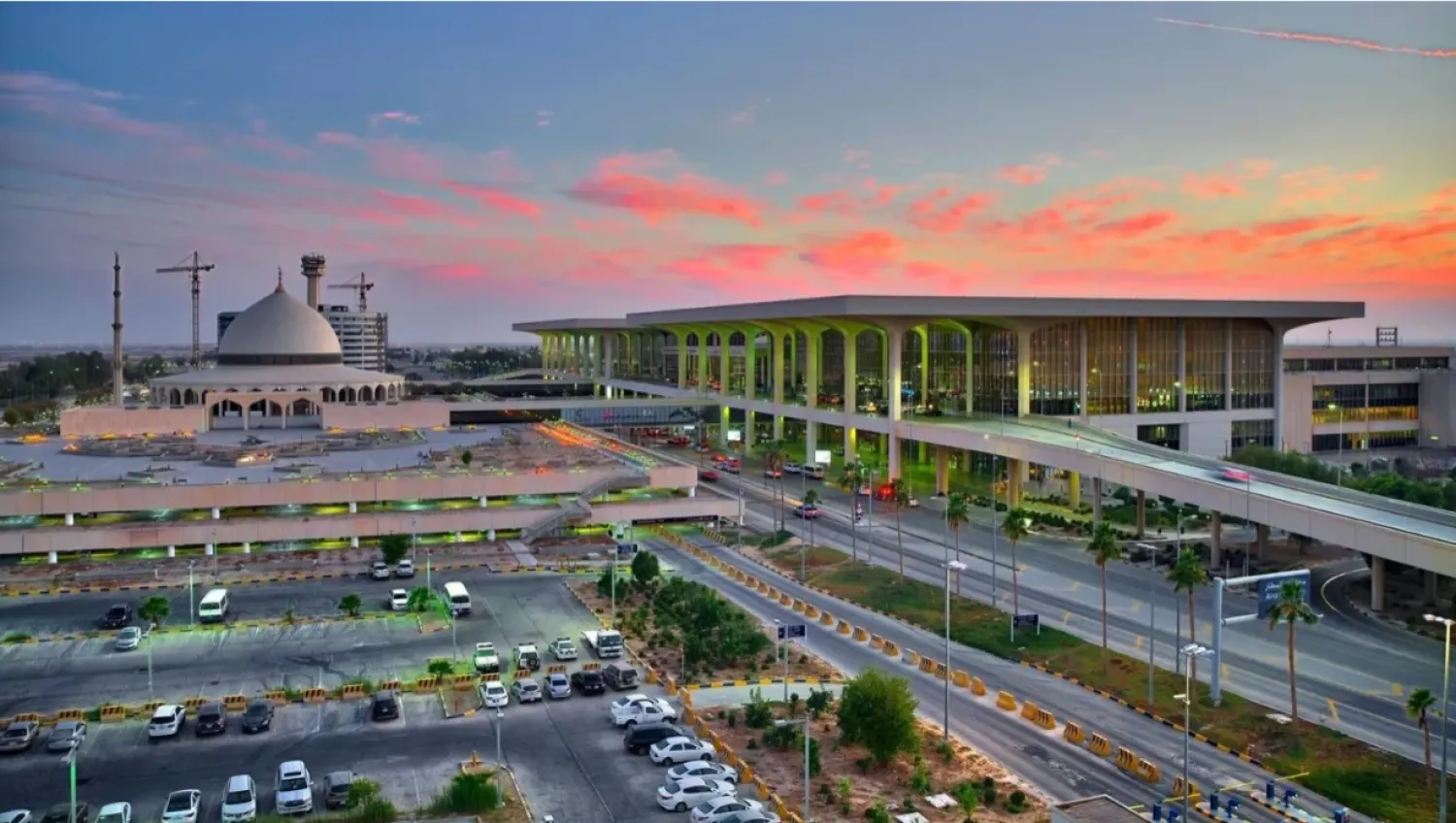
King Fahd International Airport in Dammam (SPA)
TT

Qatar, Bahrain Strongly Condemn Terrorist Houthi Attacks on Saudi Arabia

King Fahd International Airport in Dammam (SPA)

Qatar condemned the Houthi group's attack on King Fahd International Airport in Dammam, which resulted in two deaths, several injuries, and material damage.

Qatar described the attack as a serious violation of Saudi Arabia's sovereignty and a direct threat to regional security, the safety of civilians and civilian infrastructure, and air navigation, SPA reported.

In a statement on Thursday, the Qatari Ministry of Foreign Affairs reaffirmed Qatar's full solidarity with Saudi Arabia and expressed support for all legitimate measures the Kingdom takes to protect its sovereignty, security, territorial integrity, and interests. The ministry emphasized that Saudi Arabia's security is an integral part of Qatar's security and the collective security of the Gulf Cooperation Council (GCC) member states.

The ministry conveyed its condolences to the families of the victims and wished the injured a speedy recovery.

Earlier, the Kingdom of Bahrain also strongly condemned and denounced the two heinous terrorist attacks targeting King Fahd International Airport.

The Bahraini Ministry of Foreign Affairs affirmed that these attacks were not isolated incidents but part of a systematic terrorist campaign. In less than two weeks, four consecutive attacks have targeted King Khalid International Airport in Riyadh, King Fahd International Airport in Dammam, and the Shaybah oil field.

According to SPA, the ministry described the attacks as a dangerous escalation targeting vital facilities and global energy security, requiring immediate international action beyond verbal condemnation.

The ministry reiterated Bahrain's full solidarity with Saudi Arabia and its support for all sovereign measures taken by the Kingdom to safeguard its security, stability, and territorial integrity. It also affirmed Saudi Arabia's inherent right to self-defense under Article 51 of the United Nations Charter (UN), stressing that the Kingdom's security is an integral part of Bahrain's security and that of the Gulf Cooperation Council (GCC) member states.

The ministry extended its sincere condolences and sympathy to Saudi Arabia's leadership, government, and people, as well as to the families of the Saudi citizen and the Asian residents who lost their lives. It prayed that Allah Almighty grant the deceased His abundant mercy and wished the injured a speedy recovery.

The ministry emphasized that the attacks constitute a flagrant violation of international law, international humanitarian law, and the UN Charter, as well as a direct assault on global energy security. It stressed that the attacks pose a threat to international peace and security, warranting action by the United Nations Security Council under Chapter VII of the Charter.

The ministry called for firm and deterrent measures to halt repeated terrorist Houthi attacks against civilians, civilian objects, and vital and economic facilities. It also stressed the need to hold the perpetrators accountable and ensure the full implementation of relevant Security Council resolutions, particularly Resolutions 2216 and 2817, to safeguard regional and international peace and security.


Coalition: Four UAVs Intercepted and Destroyed in Riyadh and Madinah Regions

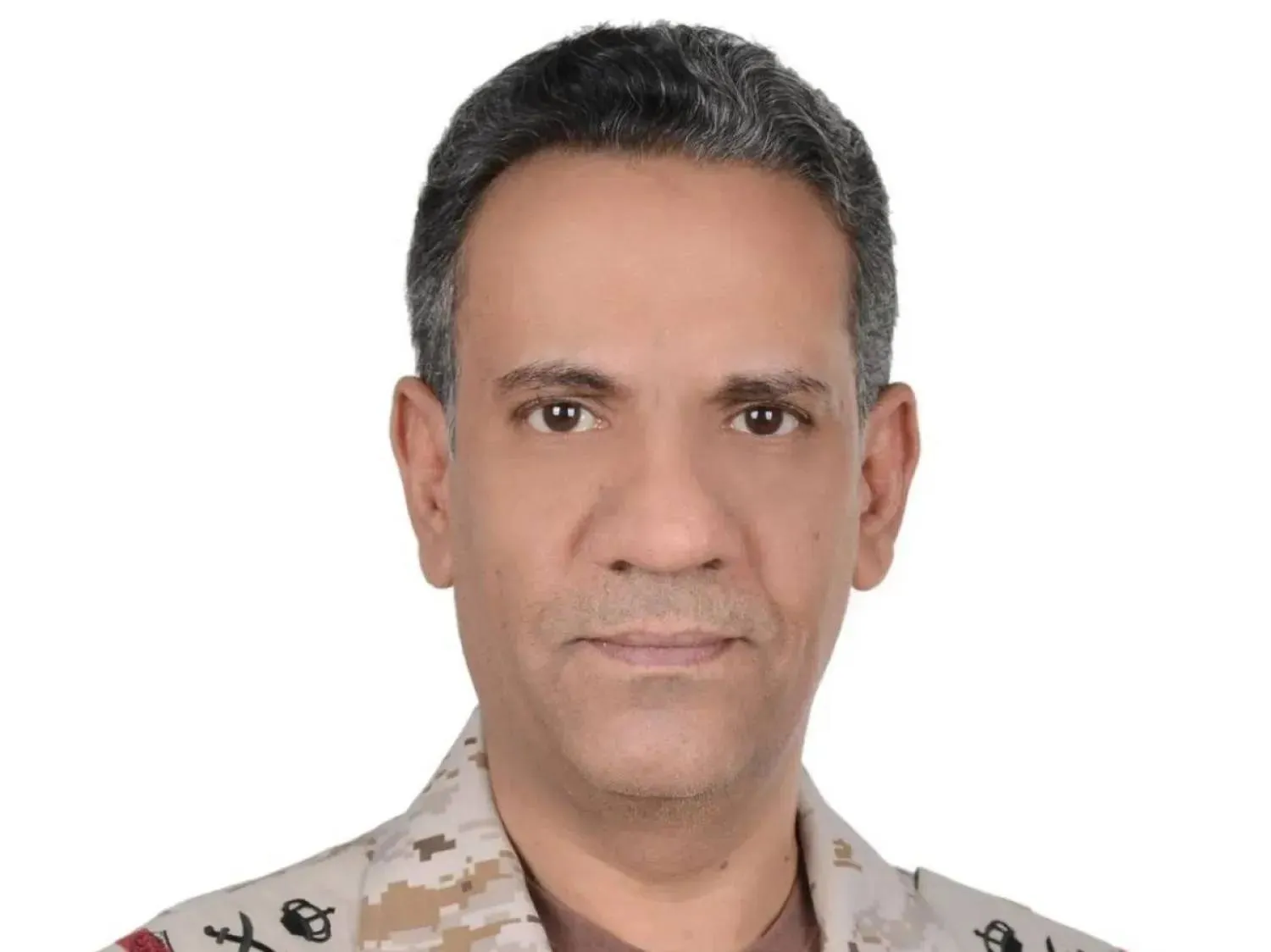
Official Spokesperson for the Coalition to Restore Legitimacy in Yemen Major General Turki Al-Malki (Asharq Al-Awsat)
TT

Coalition: Four UAVs Intercepted and Destroyed in Riyadh and Madinah Regions

Official Spokesperson for the Coalition to Restore Legitimacy in Yemen Major General Turki Al-Malki (Asharq Al-Awsat)

Official Spokesperson for the Coalition to Restore Legitimacy in Yemen Major General Turki Al-Malki stated that four UAVs have been intercepted and destroyed in Riyadh and Madinah regions.


Saudi Arabia: Sudan's Government Cannot Be Equated with Militias

Engineer Waleed al-Khuraiji, Saudi Deputy Minister of Foreign Affairs, during his participation in the meeting hosted by Geneva on Wednesday (SPA)
TT

Saudi Arabia: Sudan's Government Cannot Be Equated with Militias

Engineer Waleed al-Khuraiji, Saudi Deputy Minister of Foreign Affairs, during his participation in the meeting hosted by Geneva on Wednesday (SPA)

Saudi Arabia said the Sudanese government and Sovereignty Council cannot be equated with militias that have committed crimes against the Sudanese people, reiterating its rejection of parallel entities and illegal actions outside official institutions that undermine Sudan’s unity and do not reflect the will of its people.

The remarks were made on Wednesday by Saudi Deputy Foreign Minister Waleed al-Khuraiji at the sixth consultative meeting on coordinating peace initiatives and efforts in Sudan. He underscored the Kingdom’s efforts to secure a ceasefire, preserve Sudan’s unity and safeguard state institutions against collapse.

Al-Khuraiji said these efforts were based on the Jeddah Declaration of Commitment to Protect the Civilians of Sudan, signed on May 11, 2023, and the short-term ceasefire agreement. He added that Saudi Arabia supported the Quad initiative and other regional and international efforts to reach a political solution that preserves Sudan’s sovereignty, unity and territorial integrity.

The deputy foreign minister stressed the importance of supporting the Sudanese government in its efforts to facilitate an intra-Sudanese dialogue inside the country. He said the Kingdom would continue working to end the war and restore stability in Sudan.

Saudi Arabia had announced $100 million in aid to ease the suffering of the Sudanese people and launched a public fundraising campaign through the Sahem platform. Total Saudi assistance to Sudan has exceeded $3.2 billion, in addition to a further $145 million in support, he added.

The aid was part of Sudan’s 2026 Humanitarian Response Plan, al-Khuraiji said, referring to Saudi Arabia’s participation in a humanitarian coordination meeting on the Sudan crisis held in Berlin on April 15, 2026.

On the sidelines of the meeting, al-Khuraiji held separate meetings with Swiss Foreign Minister Alexandre Fasel, UAE Minister of State for Foreign Affairs Sheikh Shakhboot bin Nahyan Al Nahyan, and Massad Boulos, the US president’s senior adviser for Arab and African affairs.

The bilateral meetings covered relations between Saudi Arabia and their respective countries, prospects for cooperation, and efforts to promote security and peace in Sudan, as well as the latest regional and international developments.