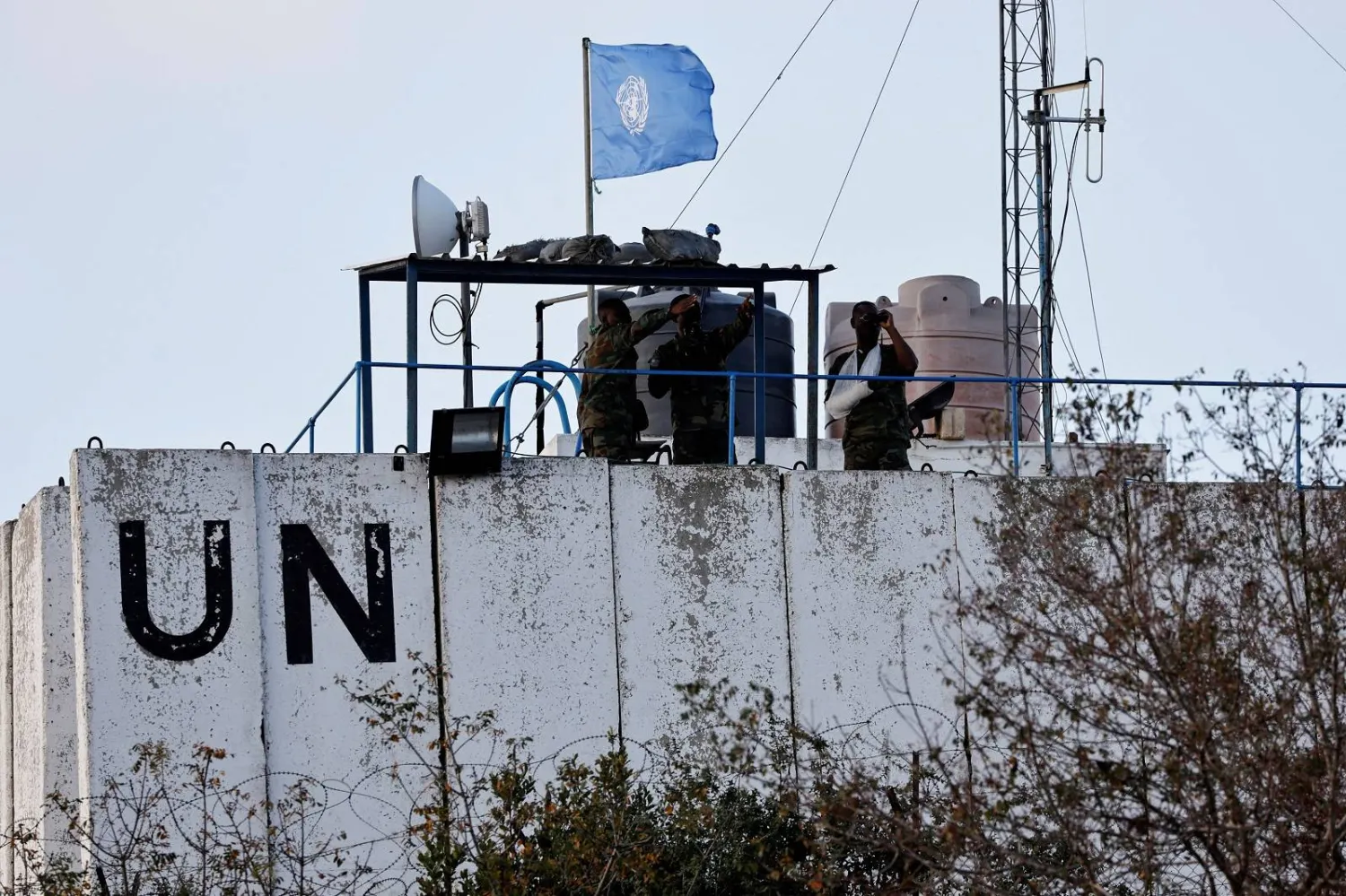

Lebanon is stepping up a political and diplomatic drive to maintain a UN presence in the south while rallying support for its army, as Beirut and Paris push to revisit the deadline to end UNIFIL’s mission.
Beirut is treating that issue separately from proposals for a European initiative to support the military.
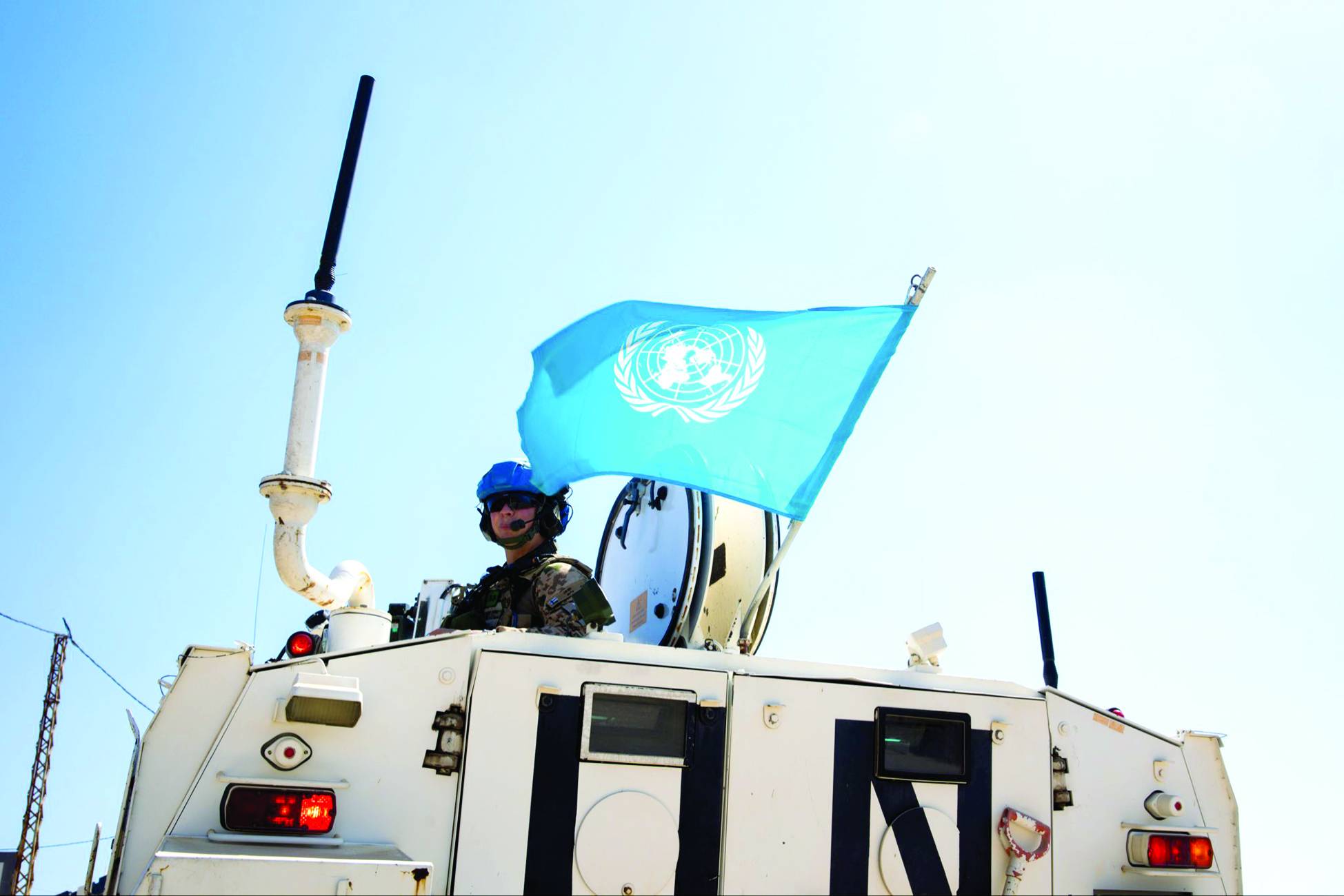
Beirut insists on UN presence
An informed source told Asharq Al-Awsat that the proposed European force “is being discussed on a separate track from the southern Lebanon file and is not directly linked to UNIFIL’s future or to any arrangements concerning the international force in southern Lebanon.”
The European track is largely focused on supporting and training the army, as well as on domestic military and institutional matters, the source said.
“It should not be confused with the debate over the form of the international presence in the south after UNIFIL’s mission ends,” the source added.
Lebanon remains committed to keeping a UN force in the south, though discussions could cover a smaller mission or one with a different structure and mandate.
“For Lebanon, the priority is to preserve a UN framework and an international presence in the south,” the source said. “Diplomatic efforts are continuing, but the proposals remain broad ideas, with no final details.”
International discussions over the next phase are continuing alongside a Paris-launched initiative to train, support and strengthen the Lebanese army. The shape of any future international presence in the south remains undecided.
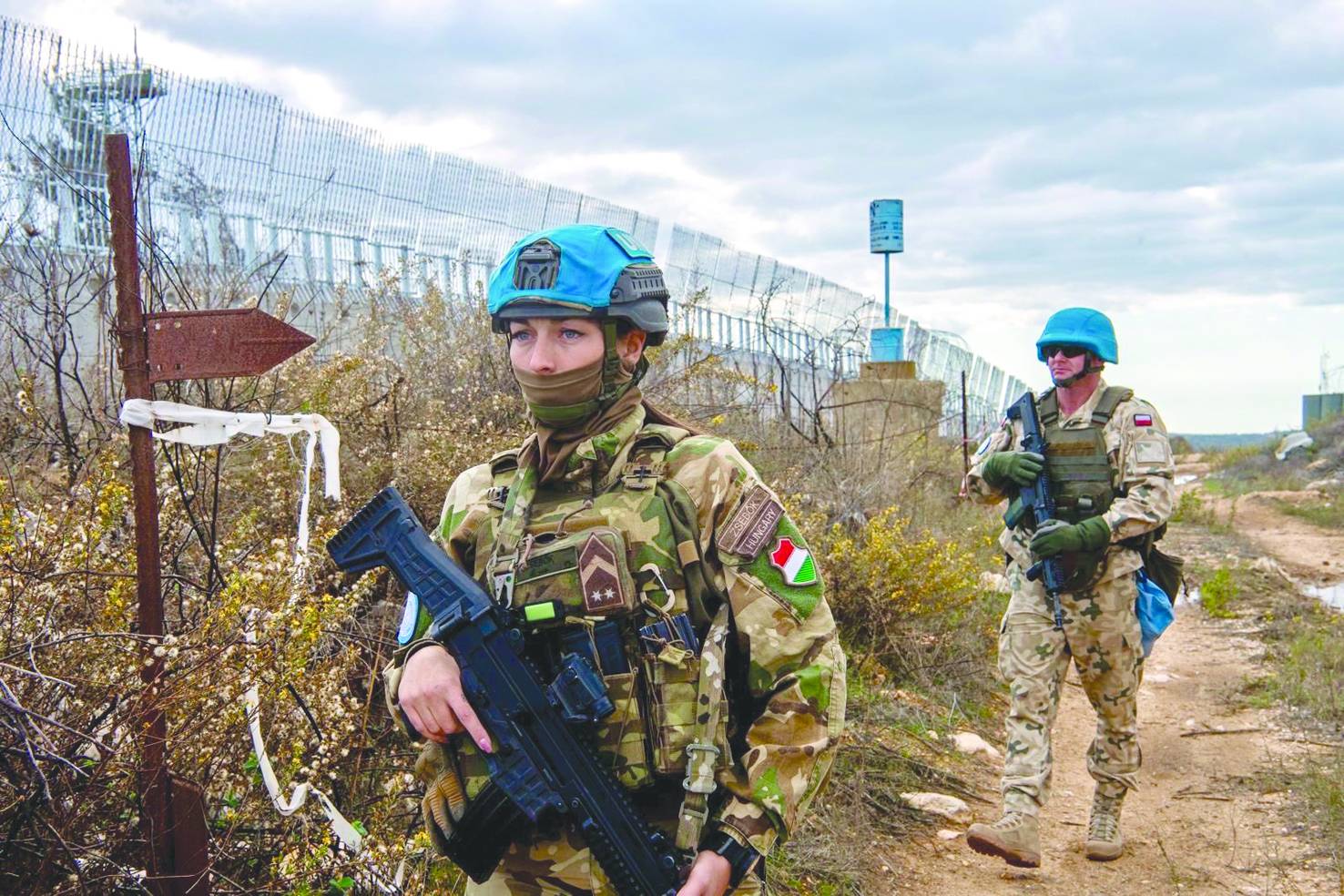
Push for an extension
Lebanese lawmakers are also rallying support for UNIFIL’s continued presence.
MP Fadi Alame, head of the Lebanese parliament’s Foreign Affairs and Emigrants Committee, said the position presented during meetings with representatives of UN Security Council member states was “very clear: Lebanon insists on extending UNIFIL’s mandate and preserving an effective UN presence in southern Lebanon.”
Current conditions make that presence “more necessary than ever,” he told Asharq Al-Awsat.
“The committee hosted representatives of Security Council member states in the presence of the defense minister and a representative of the foreign minister,” Alame said.
“We focused clearly on the need to extend UNIFIL’s mandate. What matters to us is maintaining the UN presence and ensuring that international forces remain active and effective on the ground.”
With parts of southern Lebanon occupied and devastated, the situation increasingly recalls conditions the country faced from the late 1970s onward, he said.
“The south needs an effective UN presence more than ever,” Alame added. “We stressed that point to the ambassadors and diplomatic missions we met.”
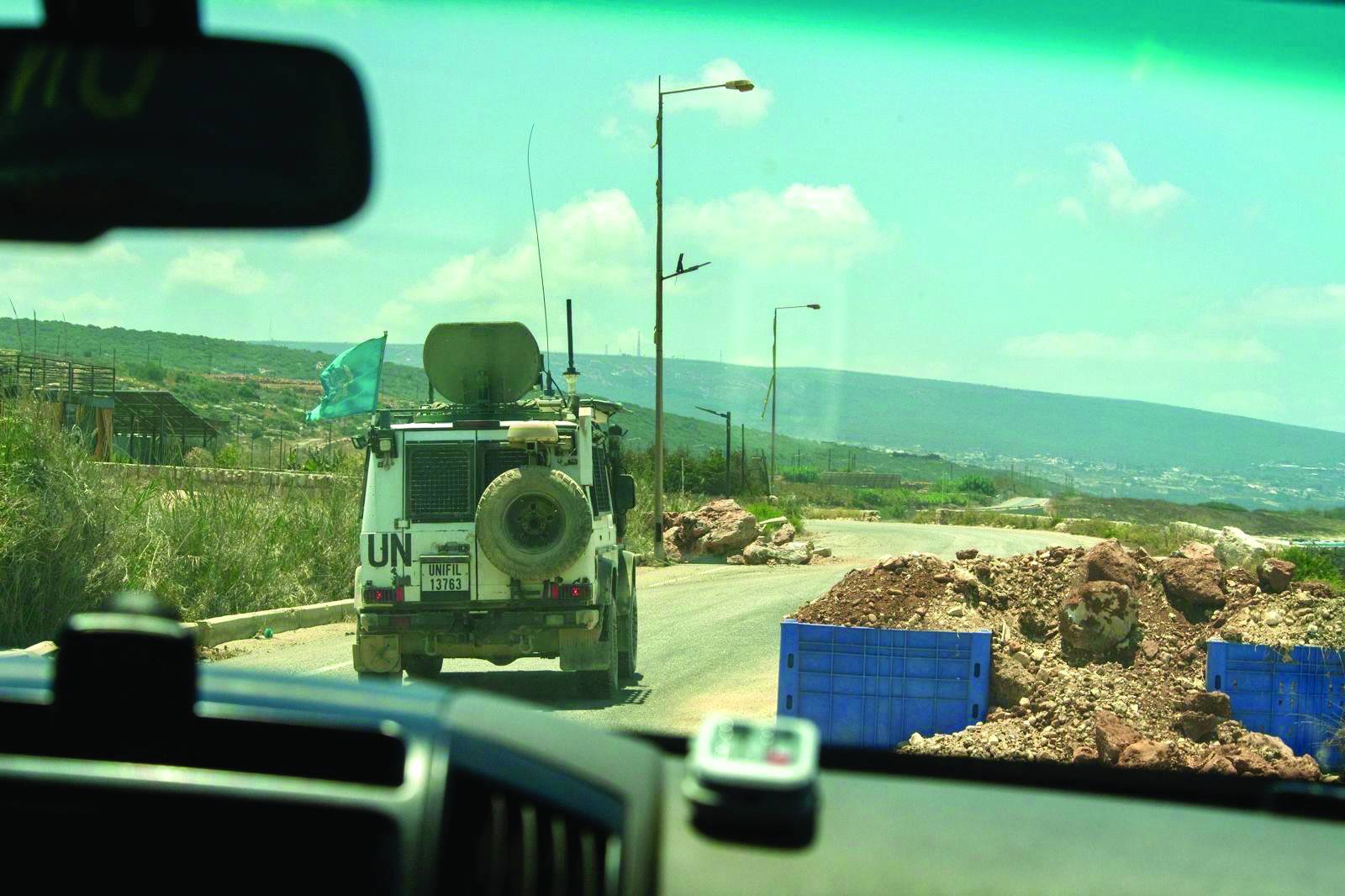
Lebanon, therefore, insists on maintaining a UN mandate and keeping Security Council Resolution 1701 as the guiding framework, he said.
“Implementing that resolution requires UN forces on the ground.”
Mission deadline under scrutiny
The Security Council decided in August 2025 to extend UNIFIL’s mandate for the final time, until Dec. 31, 2026. Operations are due to end on that date, followed by an orderly and safe drawdown and withdrawal over one year.
Alame said the decision to end the mission this year should be reconsidered.
“We, as parliament and as the Lebanese state, are working to convince the countries concerned that the current situation requires this force to remain,” he said. “It must play an effective role, continue its duties, cooperate with the Lebanese army and assist it.”
When Resolution 1701 was adopted, only limited areas remained under Israeli occupation, Alame said. Today, there are both occupied and devastated areas.
“That makes a UN force on the ground more necessary — not only to monitor and record violations, but also to help stabilize the situation and support the Lebanese army’s deployment.”
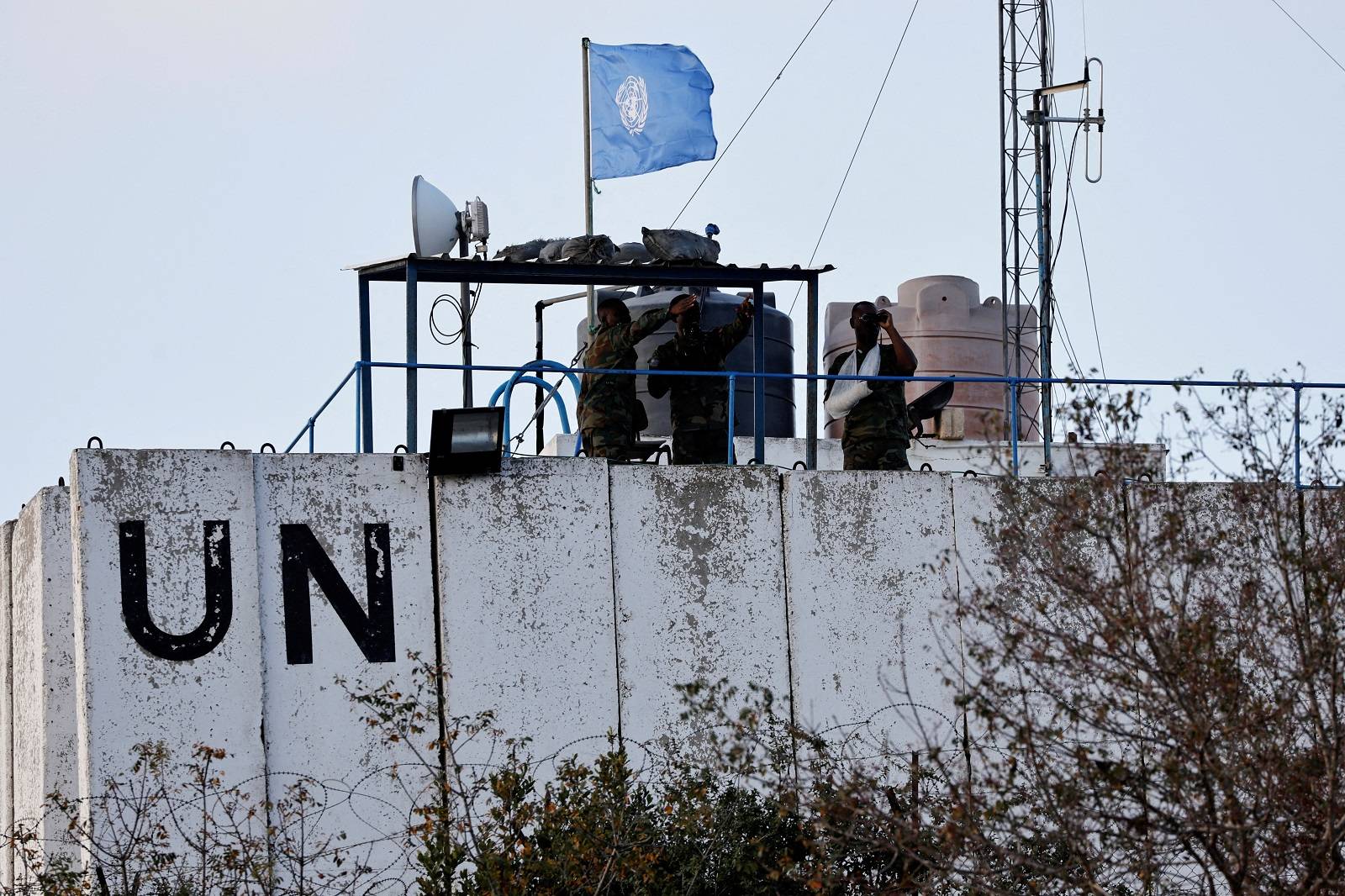
Diplomatic drive in New York
Lebanon and France are meanwhile pushing to keep UNIFIL in place for an additional period.
The Financial Times reported that Beirut had told the Security Council that ending the mandate under current conditions would be premature and called for a limited extension. France and most council members backed the Lebanese request, while Israel opposed it.
Foreign Minister Youssef Raggi has left for New York to attend the UN General Assembly and meet international officials and Arab and foreign counterparts.
Prime Minister Nawaf Salam will lead the Lebanese delegation. The high-level general debate begins on Tuesday, Sept. 22.
In Washington, contacts over Lebanon and negotiations with Israel are continuing after a round of talks scheduled for Rome in September was postponed until October.
A Lebanese presidency statement gave no details about the planned meeting or its participants.