




Saudi Arabia is bringing trade execution, clearing and settlement into a connected electronic workflow for its riyal-denominated sukuk and bond market, a step aimed at making secondary trading more efficient.
The change could make existing liquidity easier to find, improve price discovery and cut manual processing. It follows an approach seen in international markets, where electronic trading has developed alongside integrated local post-trade systems.
Tradeweb’s alternative trading system, previously available to international investors in Saudi Arabia, now also offers an electronic route for domestic investors and dealers.
The US-based company said GIB Capital and Saudi Awwal Bank executed the first domestic trade on the system.
Trade details were sent to the Securities Clearing Center Company, known as Muqassa, for post-trade processing and then to the Securities Depository Center Company, known as Edaa, for settlement.
Tradeweb is licensed by Saudi Arabia’s Capital Market Authority to operate the system for sukuk and debt instruments.
Under the new process, a domestic investor can request and compare quotes electronically from eligible dealers. Once a trade is executed, its details go to Muqassa, which sends settlement instructions to Edaa. Participation is limited to professional investors and domestic dealers who meet the relevant registration and account requirements.
Previously, domestic execution and settlement followed separate processes, which could require trade details to be transferred or entered into different systems.
The connected electronic record should reduce repeated data entry and manual intervention, while making trades easier to trace and audit. The trades remain bilateral, and existing local settlement arrangements still apply.
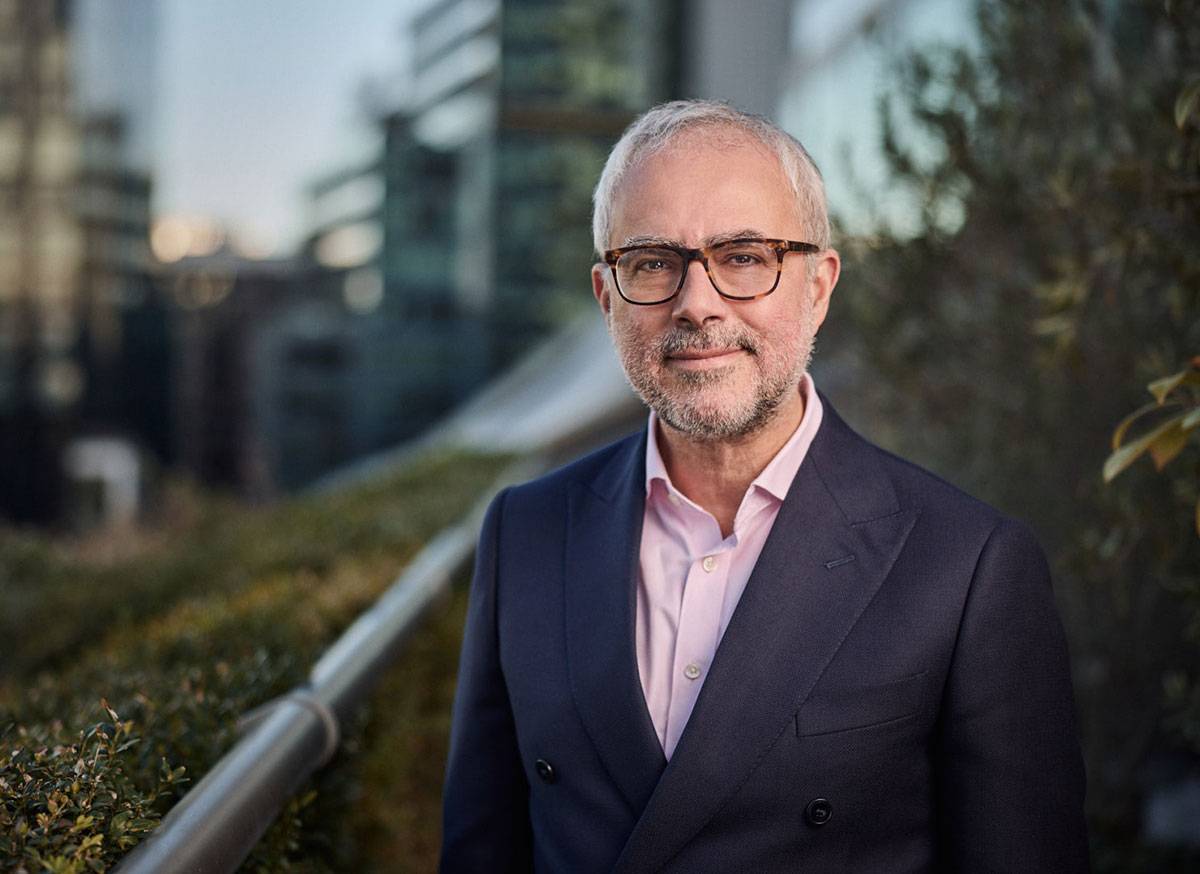
Electronic trading does not create liquidity in itself, Enrico Bruni, Tradeweb’s Managing Director and Co-head of Global Markets, told Asharq Al-Awsat. It does, he said, make existing liquidity easier to find and access.
A standardized, traceable request-for-quote process lets investors compare prices from eligible dealers. Bruni said wider use among clients and dealers could, over time, improve price discovery and deepen the secondary market.
From international to domestic trading
Tradeweb launched the alternative trading system in Saudi Arabia in October 2025, initially allowing international investors to trade riyal-denominated sukuk and debt instruments electronically. Early trades involved international institutions, including BlackRock, BNP Paribas and Goldman Sachs.
The domestic route gives institutions and dealers in Saudi Arabia an electronic trading channel while keeping post-trade processing and settlement within local infrastructure. A transaction can now start with an electronic request for quotes and proceed through local clearing and settlement.
The platform is still at an early stage. Bruni did not provide specific trading-volume figures since its launch, saying activity first focused on access for international investors before trading between domestic participants was added.
A growing need for price discovery
The process arrives as Saudi Arabia’s riyal debt market expands and international participation increases.
Saudi government debt instruments are expected to enter J.P. Morgan’s emerging-market government bond index in stages from January 2027, widening the pool of investors who track the index or invest in its securities.
That broader international investor base, alongside growing domestic participation, could increase demand for efficient access to dealer liquidity and clearer price discovery as the secondary market develops.
Scope for expansion
Bruni said electronic trading could eventually extend beyond government sukuk and riyal-denominated debt instruments to corporate bonds, repurchase agreements and derivatives. Any addition would depend on client demand, available liquidity and regulatory approval.
Tradeweb said the current infrastructure could support other products and trading methods while preserving Saudi market account structures, settlement arrangements and trading practices.
Over the next two to three years, Bruni said, success would be measured less by a particular trading volume than by regular use among more domestic and international investors, a larger network of liquidity providers and a wider range of traded instruments.
For now, the change is chiefly operational: it connects execution with local clearing and settlement and makes dealer liquidity easier to access.
As participation grows, that could help develop secondary trading in riyal-denominated sukuk and bonds.


