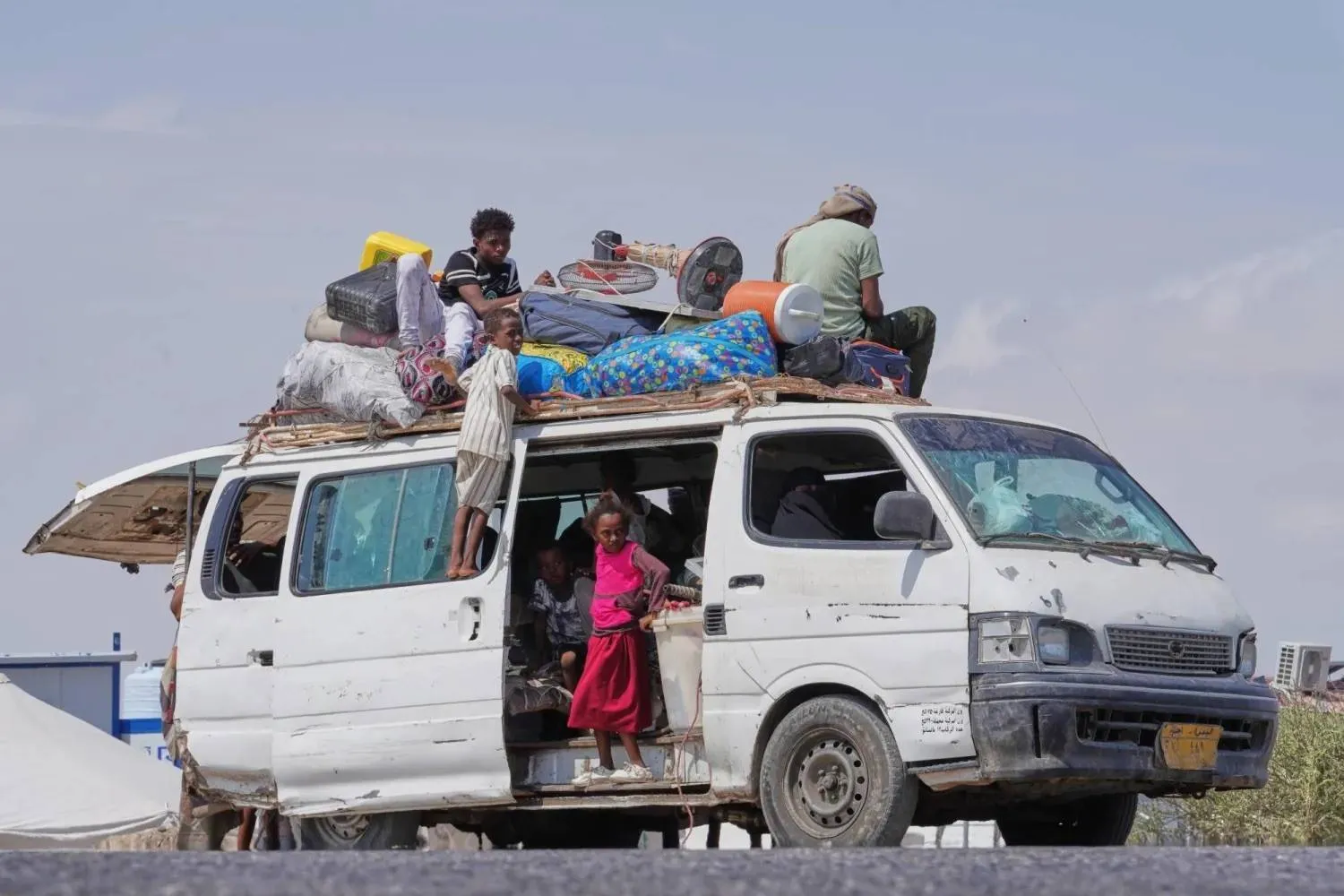

International warnings over the humanitarian impact of the latest Houthi escalation in Yemen intensified as the Yemeni government sought urgent international support in New York for the health, food and development sectors. Britain also pledged £10 million in response to the UN emergency humanitarian appeal for Yemen.
Yemeni Foreign Minister Afrah Al-Zouba held a series of meetings on the sidelines of the 81st UN General Assembly in New York to highlight the growing impact of the escalation on civilians, displaced people and essential services, warning that continued fighting was placing further strain on an already under-resourced health system.
At a high-level event organized by UNICEF, Al-Zouba said the government faced the dual challenge of maintaining essential health services and providing medicines and vaccines while responding to the growing needs of people displaced by the latest escalation.
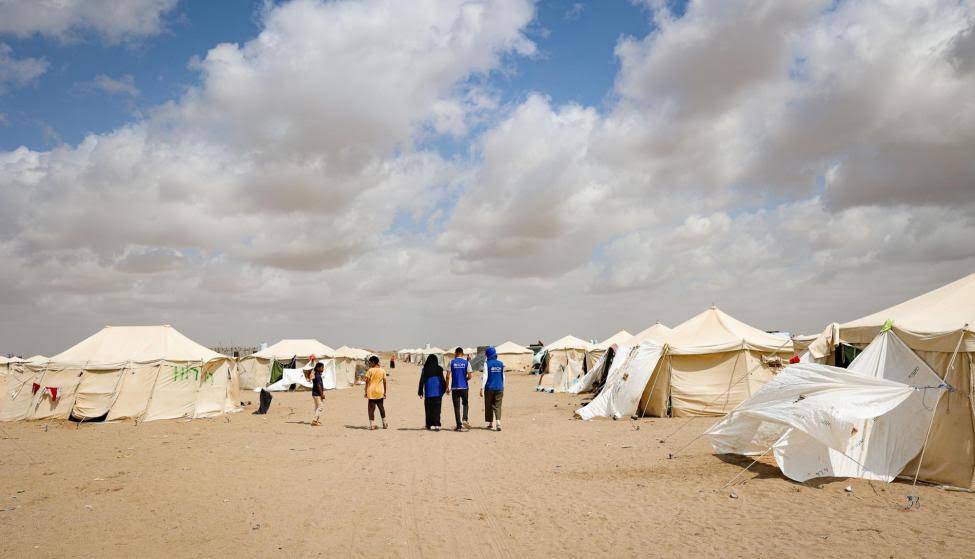
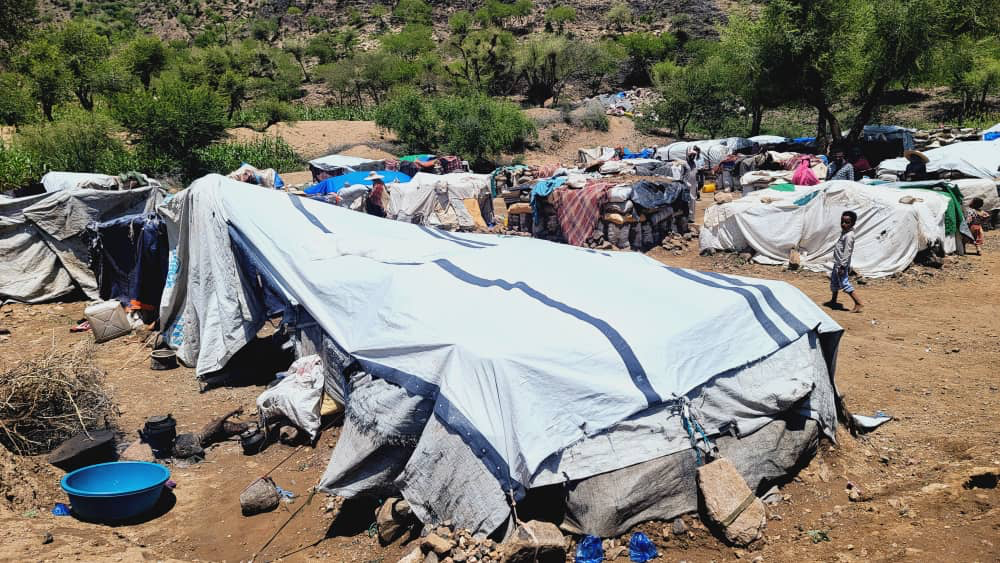
She noted that thousands of civilians were forced from their homes, with some families displaced for a third or fourth time, adding pressure on limited resources and the state budget and hampering plans to improve health services.
Al-Zouba warned that Houthi practices were obstructing the delivery of vaccines to children in areas under the group’s control despite supplies being available for distribution. She added that the detention of health workers involved in childhood immunization campaigns threatened disease-prevention efforts.
The minister said the Health Ministry was preparing a national health strategy for 2026-2030 focused on primary care, maternal and child health, nutrition, immunization and building a health system capable of withstanding and responding to crises.
Food, displacement and detainees
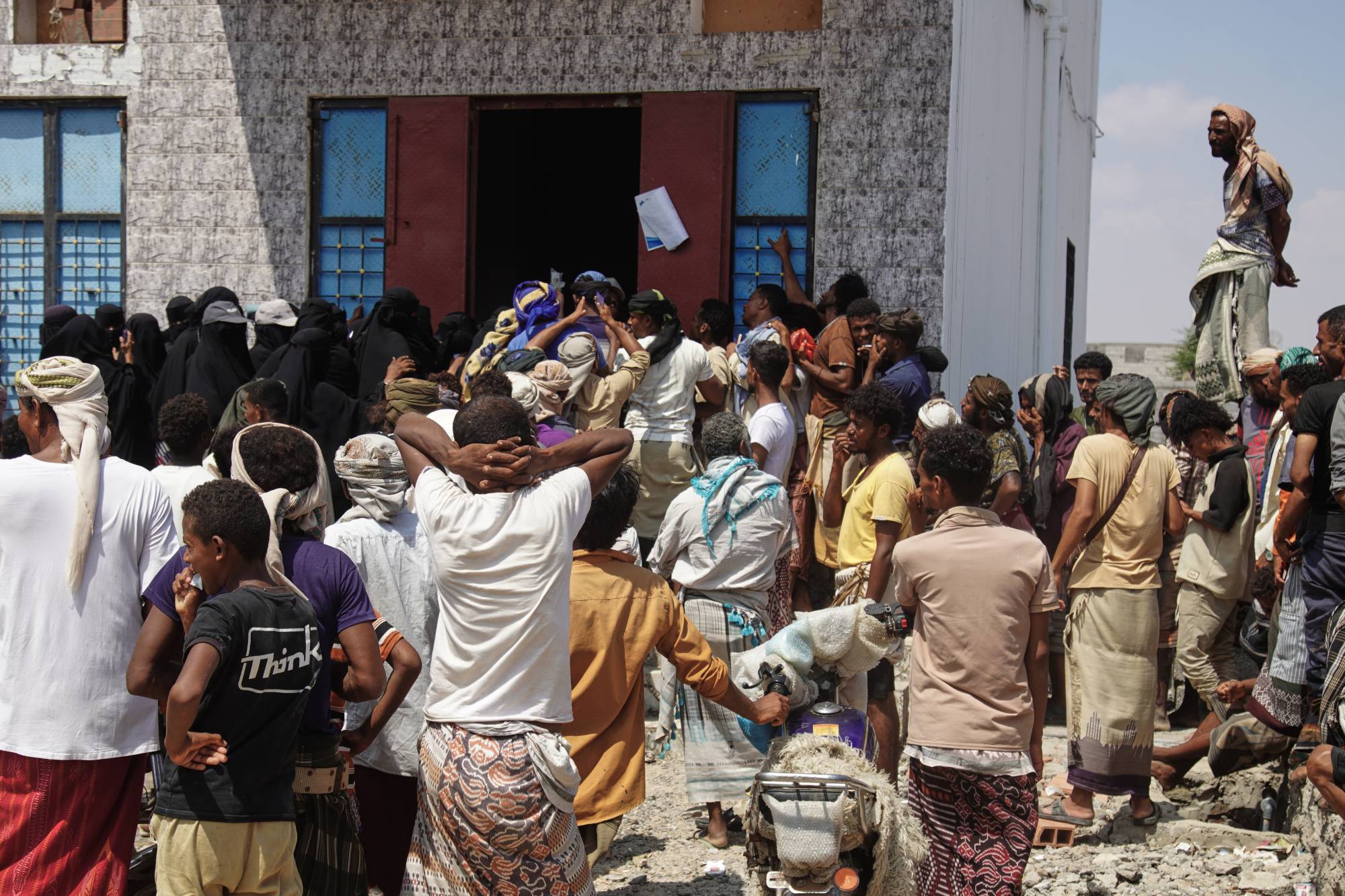
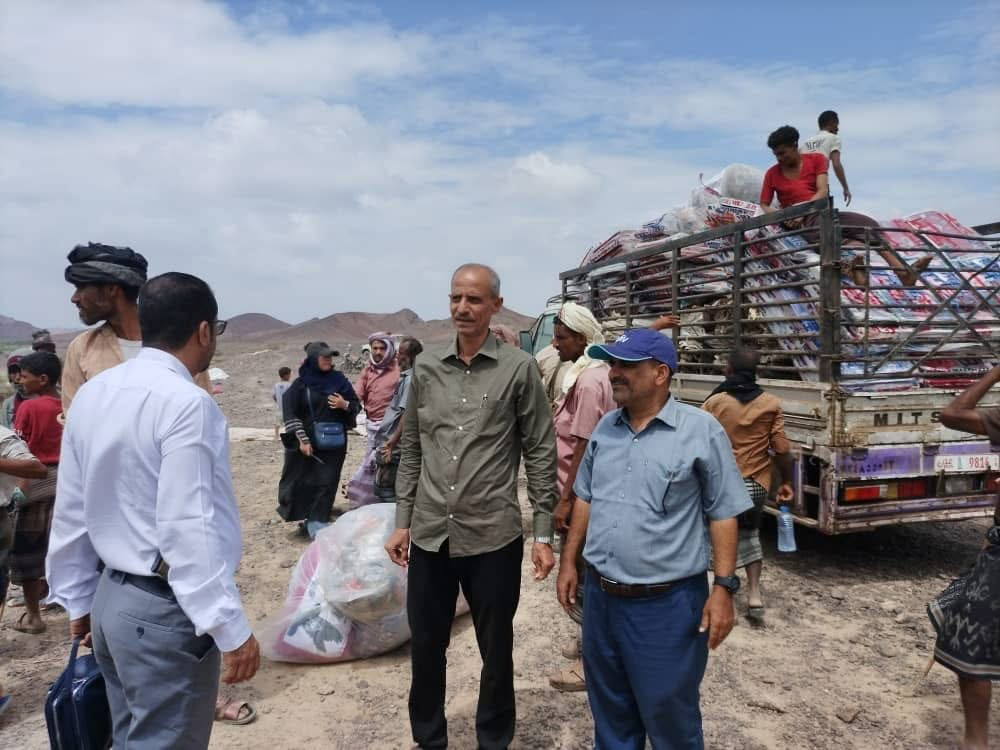
In talks with World Food Program (WFP) acting executive director Carl Skau, Al-Zouba discussed food security and the growing needs of displaced and conflict-affected communities, stressing the importance of ensuring that food and humanitarian assistance reaches those in need safely, regularly and without obstruction.
According to the government, she outlined violations affecting civilians, displacement camps and humanitarian facilities, as well as the looting of food and medical supplies.
Al-Zouba called for additional funding for humanitarian programs and urged the release of UN and humanitarian workers detained by the Houthis.
Skau, for his part, reaffirmed the WFP’s continued support for the Yemeni people and coordination with the government and its partners to strengthen food security and meet humanitarian needs.
Al-Zouba also met International Committee of the Red Cross President Mirjana Spoljaric Egger to discuss humanitarian conditions and the consequences of the escalation.
She warned of continued Houthi pressure on international organizations and humanitarian workers and urged the ICRC to intensify efforts to gain access to detainees held by the group and assess their conditions.
From relief to recovery
On development, the minister discussed infrastructure, essential services and recovery projects with Jorge Moreira da Silva, executive director of the UN Office for Project Services.
Their talks covered the impact of recent developments in the Red Sea and Bab al-Mandeb on living and economic conditions as the government seeks to steer international assistance toward longer-term projects rather than limiting the response to humanitarian emergencies.
At a separate meeting on the Global Development Initiative, Al-Zouba urged international donors and development institutions to translate pledges into projects in infrastructure, health, education, water and energy, while supporting economic recovery and job creation.
Meanwhile, the UK announced £10 million in emergency assistance in response to the UN appeal for Yemen.
The British government said the funding would provide food and nutrition support, emergency health care and vaccines for people displaced or otherwise affected by the latest escalation.
UK Minister for the Middle East Stephen Doughty said the Houthi escalation had caused devastating consequences, undermined regional stability and killed civilians, adding that the new assistance was aimed at Yemenis most vulnerable to the latest developments.