World Bank Projects Regional Growth to Reach 7.8% in 2027

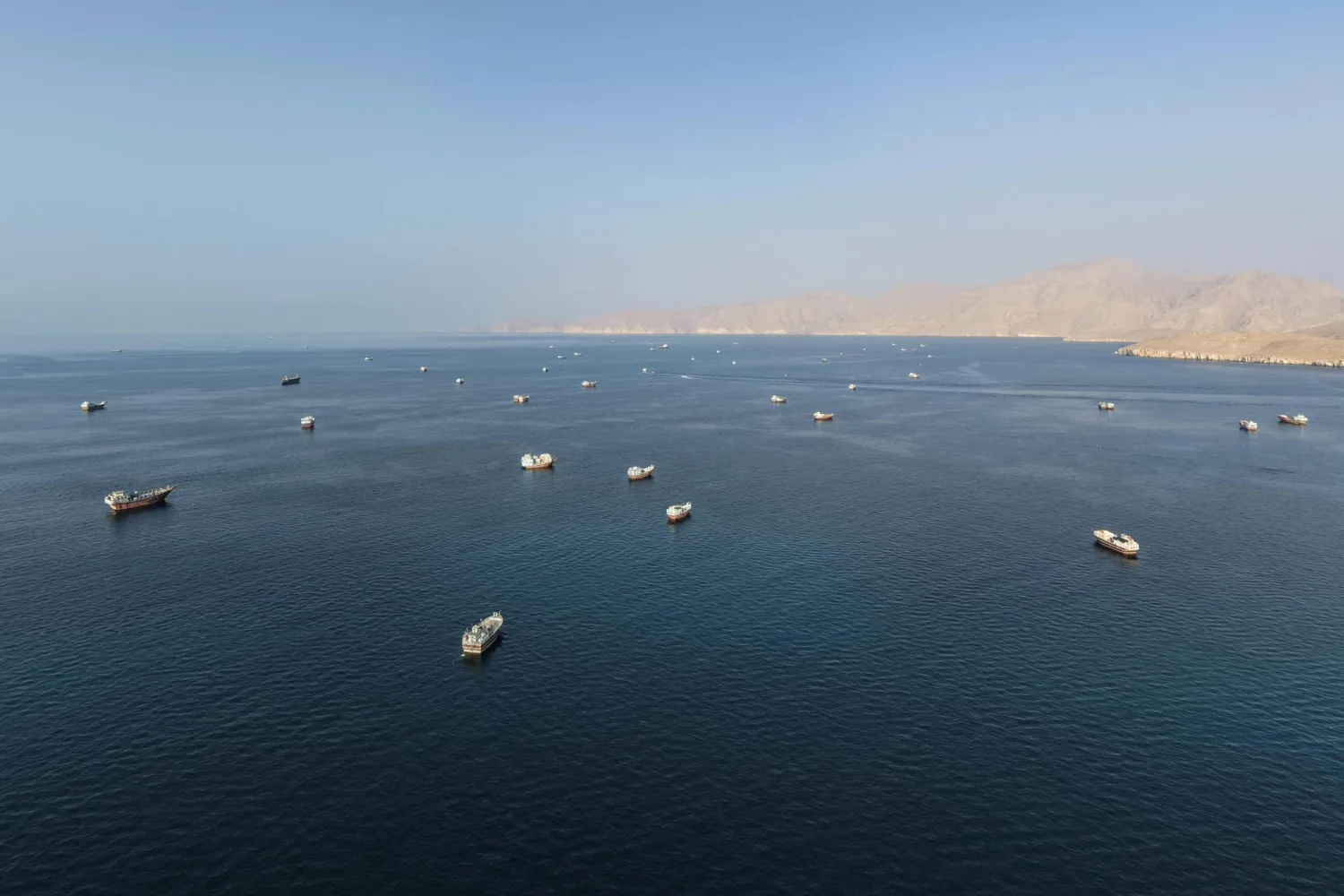
(FILES) An aerial view shows ships anchored off the coast of Khasab in Oman's Musandam Governorate, near the Strait of Hormuz, on October 2, 2026. (Photo by AFP)
TT

World Bank Projects Regional Growth to Reach 7.8% in 2027

(FILES) An aerial view shows ships anchored off the coast of Khasab in Oman's Musandam Governorate, near the Strait of Hormuz, on October 2, 2026. (Photo by AFP)

The World Bank said Tuesday that if the Middle East conflict subsides by the end of this year, regional growth excluding Iran is projected to rebound to 7.8% in 2027.

In a report titled “From Divide to Opportunity: AI, Jobs, and Growth,” the Bank said that regional output is projected to contract by 2.1% on average in 2026, after expanding 3.3% in 2025.

The report on the economic update on Middle East, North Africa, Afghanistan & Pakistan reveals a sharp deterioration compared with its April forecasts. At that time, the Bank projected that the region's economies, excluding Iran, would grow by 1.8 percent in 2026, while it expected the economies of the Gulf Cooperation Council (GCC) countries to expand by 1.3 percent.

But growth expectations for the region have been revised downward by approximately 3.9 percentage points compared with the April forecast. Meanwhile, the outlook for GCC economies has shifted from 1.3 percent growth to a 4.3 percent contraction, representing a deterioration of 5.6 percentage points.

Hormuz Upends Gulf Calculations

This shift reflects the widening scope of the shock since April, as the repercussions of the closure of the Strait of Hormuz and the disruption of energy exports continue to unfold, with the effects spreading to trade, tourism, logistics services, and financial markets.

The World Bank expects the economies of GCC countries to contract by an average of 4.3 percent in 2026, compared with growth of 4.4 percent in 2025.

This marks a notable departure from traditional energy crises, in which rising oil prices typically boost the revenues of energy-exporting countries. In the current crisis, however, the disruption of oil shipments through the Strait of Hormuz has constrained producers' ability to export crude oil, making higher prices insufficient to offset the impact of reduced export volumes.

In contrast, oil-importing economies have shown greater resilience, with the World Bank forecasting their growth rate to rise to 4.3 percent in 2026, compared with 3.9 percent in 2025.

The repercussions of the conflict are not confined to the energy sector. They have also spread to tourism, aviation, and logistics services, while disruptions in shipping have increased import costs and placed additional strain on supply chains, particularly affecting food prices.
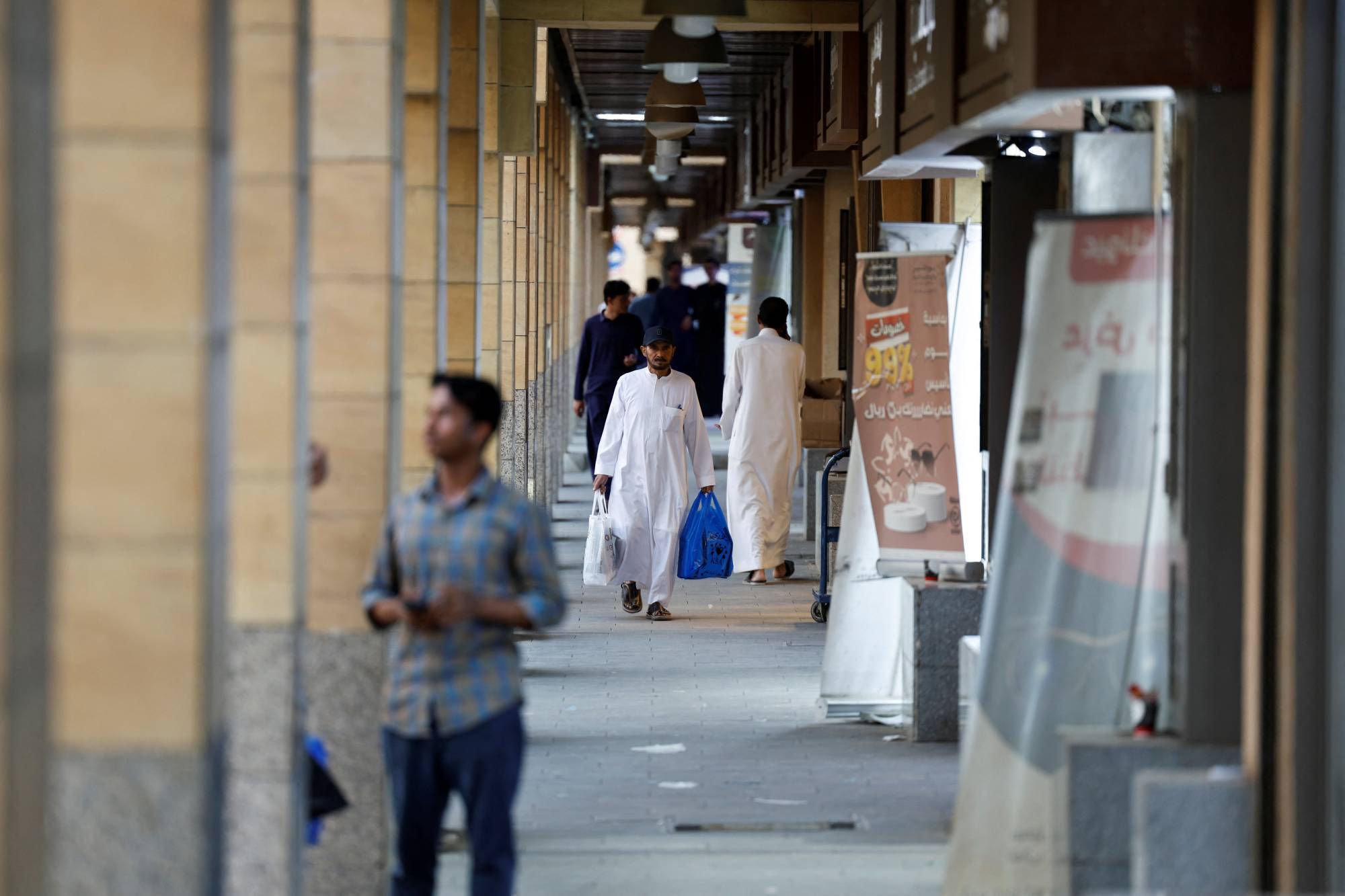
A man walks with shopping bags in a local souq down town Riyadh, Saudi Arabia, May 31, 2025. REUTERS/Hamad I Mohammed

Saudi Arabia Maintains its Recovery Path

As for Saudi Arabia, the World Bank expects real GDP per capita, which is projected to stand slightly above its 2019 level in 2025, to fall below that benchmark in 2026 before the economy benefits from a recovery in hydrocarbon production and exports as the shock recedes.

On the fiscal front, the World Bank estimates that the Kingdom's budget deficit will reach 6.6 percent of GDP in 2026, before narrowing to 3.7 percent in 2027.

The Bank also expects an improvement in the current account balance, with the deficit declining from 1.4 percent of GDP in 2026 to 0.9 percent in 2027.

These projections suggest that the most significant impact of the conflict will be concentrated in 2026, while financial and external indicators are expected to improve in the following year as hydrocarbon production and exports recover.
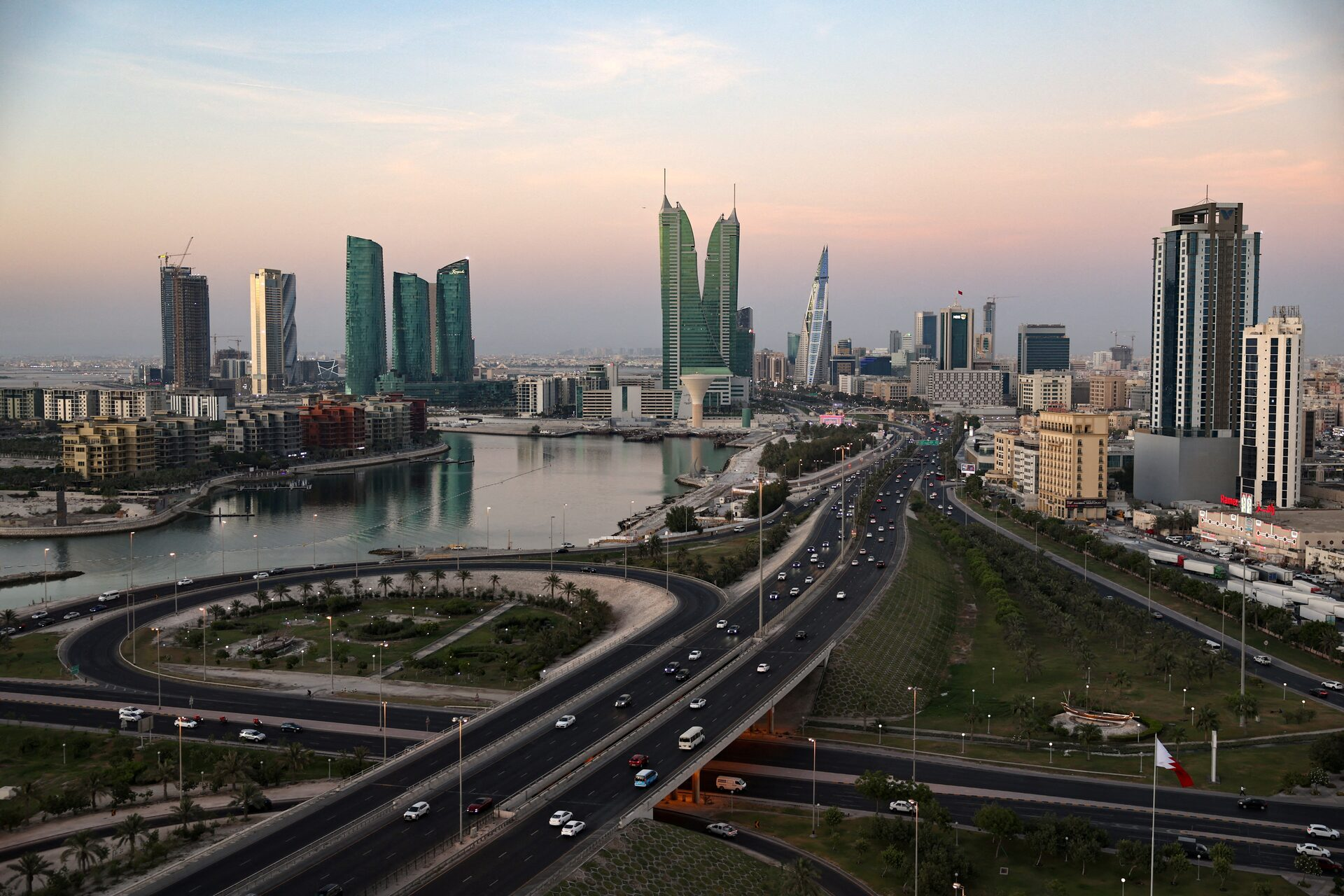
A general view of the skyline in downtown Manama, Bahrain, June 22, 2025. REUTERS/Hamad I Mohammed

Poverty Rising Across the Region

In fragile and conflict-affected economies, the latest shock is compounding pre-existing vulnerabilities. The World Bank notes that poverty in the Middle East and North Africa, Afghanistan, and Pakistan is becoming increasingly concentrated in fragile and conflict-affected settings.

The region accounts for roughly 14 percent of the world's population living in extreme poverty, making it second only to Sub-Saharan Africa. It is also the only region in the world where poverty levels remain above their pre-pandemic levels.

In 2024, some 14.3 percent of the region's population lived on less than $3 a day, compared with 10.4 percent globally. Meanwhile, 26.9 percent lived on less than $4.20 a day, compared with 18.9 percent worldwide.

The World Bank expects these negative trends to persist through 2026, with poverty becoming increasingly concentrated in conflict-affected and fragile economies, where displacement, weak labor markets, and the erosion of assets and basic services make recovery more difficult.

Strong Recovery Possible if Conflict Eases

The World Bank believes the region is capable of achieving a strong recovery if the intensity of the conflict declines by the end of 2026. Excluding Iran, the report projects regional growth to reach 7.8 percent in 2027, driven primarily by a rebound in hydrocarbon production and exports.

However, the recovery will not be automatic. The effects of damaged infrastructure, postponed investments, and the depletion of fiscal buffers could continue to weigh on growth long after the immediate shock has subsided.

Ousmane Dione, the World Bank's Vice President for the Middle East and North Africa, Afghanistan, and Pakistan, said: “Protecting vulnerable households, restoring productive capacity, and investing in more resilient energy and transport infrastructure will be critical to ensuring that a temporary shock does not leave lasting losses in human capital, growth prospects, and living standards.”

“Countries that are able to build up resilience and capacity now will be well positioned to take advantage of the opportunities of the future, particularly in artificial intelligence,” he added.
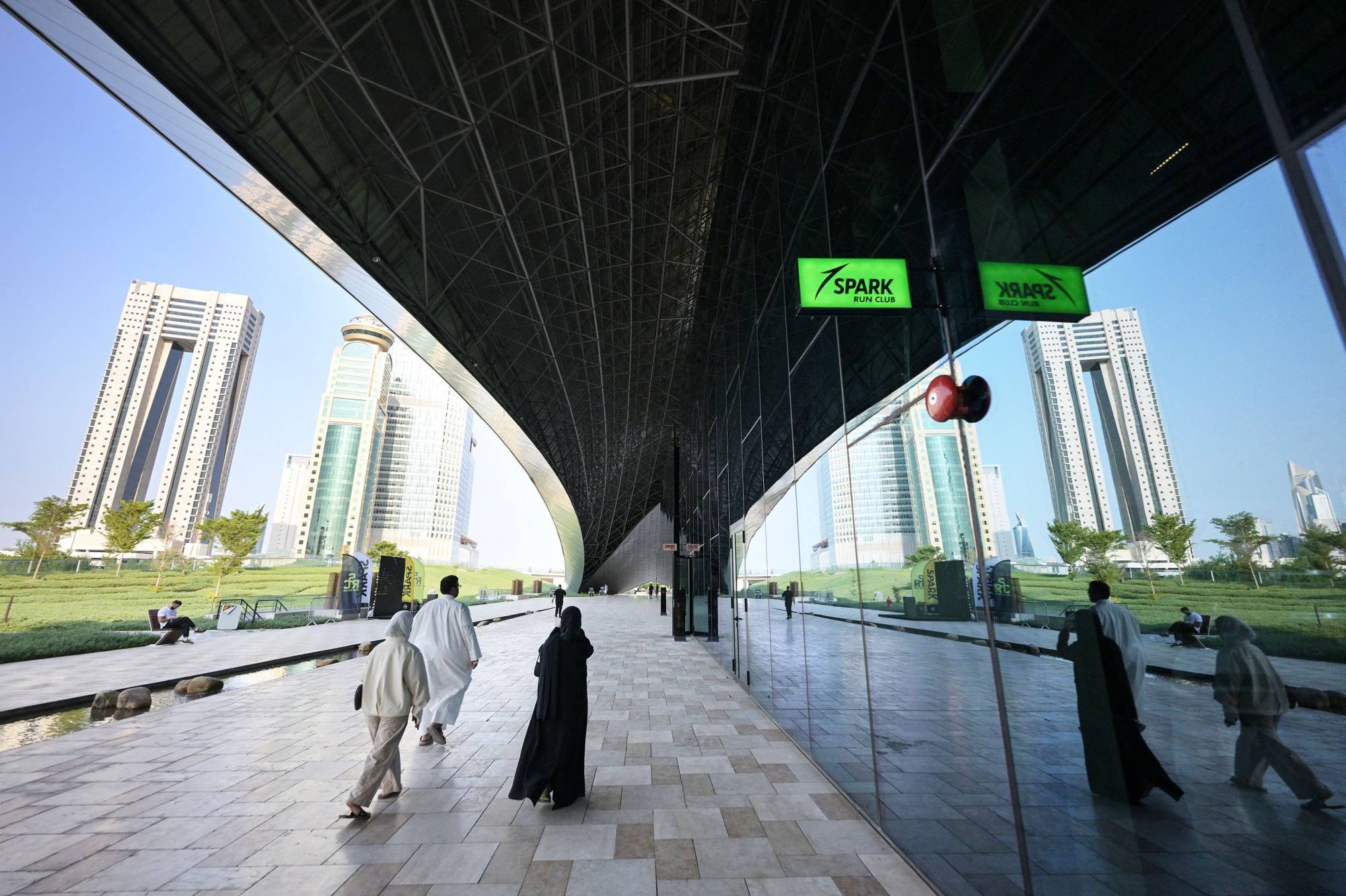
Kuwaitis at Shaheed park in Kuwait city. AFP

Artificial Intelligence: An Opportunity for Growth

Alongside the repercussions of the conflict, the report highlights a long-term transformation that could reshape the region's economies: the rise of artificial intelligence (AI).

According to Roberta Gatti, the World Bank's Chief Economist for the Middle East and North Africa, Afghanistan, and Pakistan, AI could enhance the productivity of 13 to 20 percent of jobs across the region, while fewer than 10 percent of jobs face a near-term risk of automation.

The report suggests that AI's primary impact in the region is likely to come through higher productivity rather than job losses, with workers and businesses that are able to adopt these tools effectively standing to benefit the most.

However, realizing these gains will require addressing a number of structural obstacles that continue to limit the spread of technology. These include the underrepresentation of the region's languages and data in global AI systems, low levels of AI adoption, gaps in human capital and infrastructure, and the limited dynamism of the private sector.

Regional Cooperation

The report notes that regional cooperation could be one of the most important avenues for maximizing the benefits of AI, particularly given the varying levels of technological capacity across countries in the region.

Leading countries such as Saudi Arabia and the United Arab Emirates could share their expertise in AI model development and governance with other regional economies, while middle-income countries could contribute local talent and data resources.

More fragile economies, meanwhile, could benefit from what the report describes as "small AI" solutions: low-cost technologies designed for specific purposes that can operate on basic mobile devices. These tools could help improve essential public services and support local businesses.

The report concludes that the region's ability to overcome the current shock will depend not only on the recovery of oil production and exports, but also on addressing structural weaknesses and investing in infrastructure and human capital. Such efforts would enable artificial intelligence to become an additional driver of productivity, economic growth, and long-term development.


Türkiye Says It Is Starting Offshore Hydrocarbon Exploration in Pakistan, Plans Drilling Next Year

This handout photograph taken on November 10, 2026 and released by Türkiye's Ministry of Energy and Natural Resources on November 12, 2026 shows Türkiye's Minister of Energy and Natural Resources Alparslan Bayraktar (C) during a session at the 31st United Nations Climate Change Conference (COP31) at the Antalya Expo Center in Antalya. (Handout / Turkish Energy Ministry / AFP)
TT

Türkiye Says It Is Starting Offshore Hydrocarbon Exploration in Pakistan, Plans Drilling Next Year

This handout photograph taken on November 10, 2026 and released by Türkiye's Ministry of Energy and Natural Resources on November 12, 2026 shows Türkiye's Minister of Energy and Natural Resources Alparslan Bayraktar (C) during a session at the 31st United Nations Climate Change Conference (COP31) at the Antalya Expo Center in Antalya. (Handout / Turkish Energy Ministry / AFP)

Türkiye's Oruc Reis seismic research vessel will begin exploration for hydrocarbon resources in offshore fields in Pakistan, Turkish Energy Minister Alparslan Bayraktar said on Friday, adding that drilling was expected to start in 2027.

Last year, Türkiye's state oil company TPAO ‌signed hydrocarbon exploration ‌and production agreements ‌with ⁠Pakistani companies including Mari ⁠Energies, Fatima, OGDCL, PPL, Prime and GHDL for three offshore and two onshore fields in Pakistan.

Bayraktar, who attended a ceremony to welcome Oruc ⁠Reis at Karachi Port alongside ‌Pakistan's Foreign ‌Minister Ishaq Dar and Petroleum Minister ‌Ali Pervaiz Malik, said on ‌X the vessel would carry out two- and three-dimensional seismic survey operations in the Indus and Makran basins ‌to "uncover the potential there".

The step marked a "strong ⁠turning ⁠point" in energy cooperation between the two countries, he said, noting that it came at a time of turbulence in global oil and gas markets.

Last month, Bayraktar said the planned operations off Pakistan had been delayed by about six months due to the war in Iran.


ECB's Lagarde: Cyber Threat Boosted by AI is My Top Worry

President of the European Central Bank (ECB) Christine Lagarde addresses guests at the 36th Frankfurt European Banking Congress (EBC) at the Old Opera (Alte Oper) in Frankfurt am Main, western Germany on November 20, 2026. (Photo by Kirill KUDRYAVTSEV / AFP)
TT

ECB's Lagarde: Cyber Threat Boosted by AI is My Top Worry

President of the European Central Bank (ECB) Christine Lagarde addresses guests at the 36th Frankfurt European Banking Congress (EBC) at the Old Opera (Alte Oper) in Frankfurt am Main, western Germany on November 20, 2026. (Photo by Kirill KUDRYAVTSEV / AFP)

The greatest immediate challenge facing the world of finance may be cyber threats supercharged by increasingly sophisticated AI agents, European Central Bank President Christine Lagarde said on ⁠Friday.

Attackers are often ⁠anonymous, and difficult to track, and rely on dubious funding often from "toxic ⁠states" that have a vested interest in disrupting the world, Lagarde said.

"The one (worry) that keeps me awake, and many of you awake as well ... is AI ⁠applied ⁠together with cyber threat," Lagarde told the European Banking Congress in Frankfurt, adding that policymakers have not paid enough attention to this threat.

She also said that the ECB will make its currency swap lines with other countries more accessible to shield the euro area from outside financial shocks and boost the euro's global role.

The ECB only has swap lines with major central banks such as the US Federal Reserve and the People's Bank of China at present, allowing them to exchange their own currencies for euros at times ⁠when financial markets ⁠seize up.

Lagarde's comments suggest these financial lifelines might one day become more widely available as part of the ECB's push to promote the international use of the single currency and make the euro zone less dependent on the US dollar for trade and investment.

"We are working ⁠to keep our swap lines fit for purpose in a more fragmented world," she told the conference. "They will be more accessible, too."

Policymakers globally have been questioning the long-term dominance of the dollar in light of US President Donald Trump's unpredictable economic policy and the United States' ballooning public debt.

Lagarde said the primary goal of the swap lines was to limit spillover of financial stress from abroad, indirectly helping the ECB ⁠control borrowing ⁠costs in the euro area.

But she added these central bank swaps make foreign investors more comfortable holding euros.

"A reserve manager who knows that euro securities can be turned into euro liquidity without a fire sale has more reason to hold them in normal times," Lagarde said.

In a similar vein, the ECB has recently opened up its EUREP facility, which allows foreign central banks to obtain euros against collateral, but only provided that it is denominated in the single currency. More than 30 countries have expressed interest in getting access.


Oil Prices Set for 3rd Straight Weekly Decline on Middle East Export Flows

Oil pumpjacks operate at an oil field run by North American Blue Energy Partners (NABEP) in Lagunillas, Venezuela, Tuesday, Nov. 17, 2026. (AP Photo/Ariana Cubillos)
TT

Oil Prices Set for 3rd Straight Weekly Decline on Middle East Export Flows

Oil pumpjacks operate at an oil field run by North American Blue Energy Partners (NABEP) in Lagunillas, Venezuela, Tuesday, Nov. 17, 2026. (AP Photo/Ariana Cubillos)

Oil prices edged down on Friday and were set for a weekly decline on strong exports from the Middle East.

Brent crude futures were down 95 cents, or 1%, to $91.03 a barrel at 0900 GMT. US West Texas Intermediate futures for December were down $1.40, or 1.7%, to $81.81 a barrel, while the more active January contract was down 83 cents, or 1%, to $81.61, Reuters reported.

Brent is on track for a 5% decline for the week and the December WTI contract for an almost 8% weekly drop as expectations of a supply surplus grew because crude ⁠shipments through the Strait ⁠of Hormuz have returned to roughly pre-war levels. This would be the benchmarks' third straight week of decline.

"This week we keep having relatively strong export flows out of the Middle East. There is also a narrative ongoing that as long as people are talking, maybe there's a deal in the making," said Aldo Spanjer, commodity strategist at BNP Paribas.

"The prices are correct if you believe that this geopolitical risk doesn't come back. I'm not in that camp who thinks ⁠this is done... I probably see a rebound," he said.

Iran's intensifying attacks on tankers transiting the Strait of Hormuz, "running at roughly one incident per day in November", still add a meaningful geopolitical risk premium to the market, according to UOB Group analysts in a client note.

OPEC+ ministers will hold a series of meetings on November 29 to decide their 2027 output policy. The group comprises the Organization of the Petroleum Exporting Countries and allies such as ⁠Russia.

Some analysts expect softness in the broader equities markets to weigh on oil prices, as Asian shares fell on Friday — heading for their worst week since 2020.

"Supply disruptions remain a risk, but near-term demand concerns tied to the AI trade unwind and broader risk-off sentiment are weighing on prices," said Saxo analysts in a note.

In Russia, crude oil output could fall again as Ukrainian attacks on refineries and export infrastructure intensify, analysts and traders say. Ukrainian drone attacks have slashed Russian oil refineries' combined crude processing volumes by 45% since late October, Reuters reported on Wednesday.