



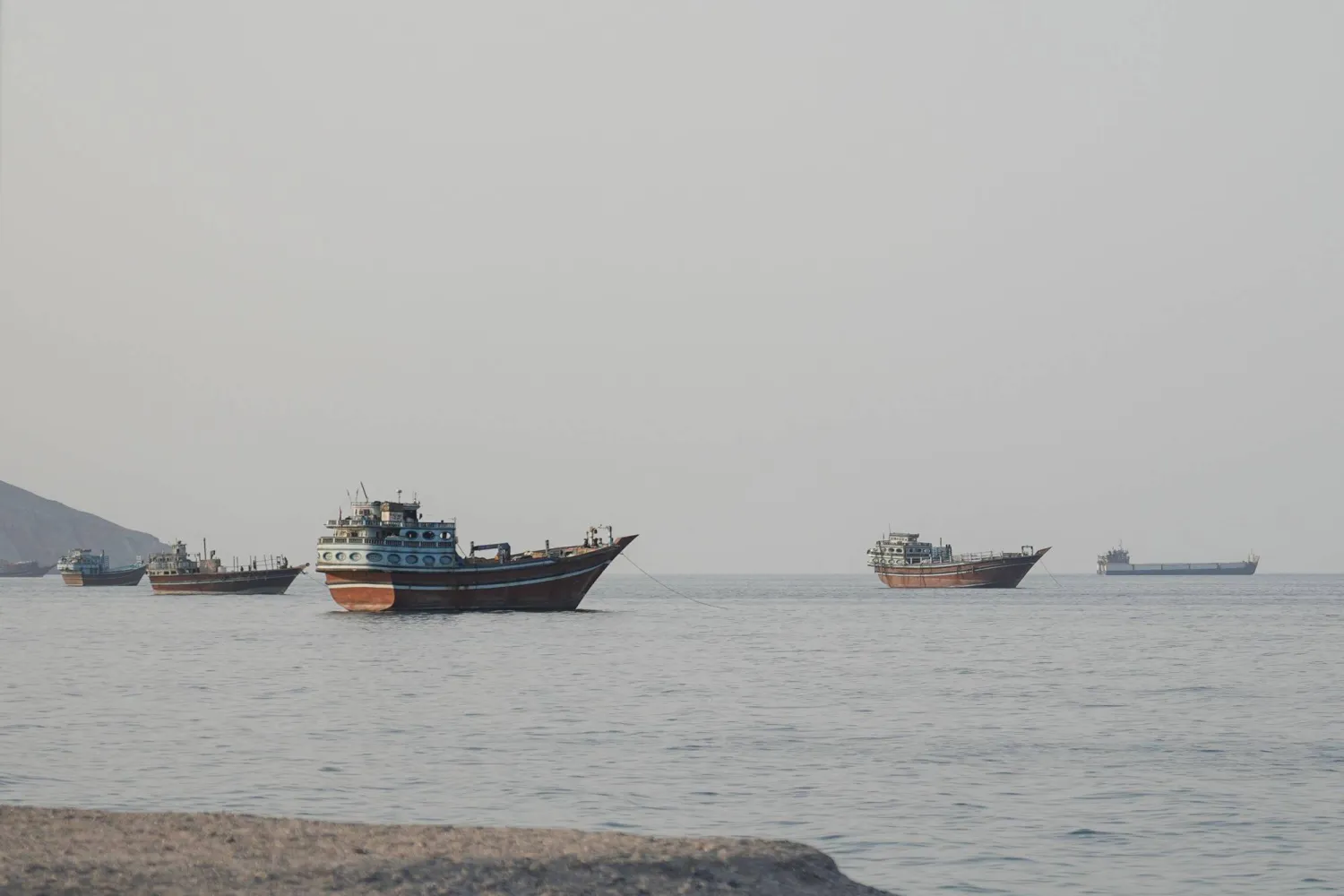

Saudi Arabia's economy is expected to stage a strong rebound in 2027 as the effects of disruptions to energy and trade flows fade. The World Bank forecasts the Kingdom's GDP to grow by 7.9 percent next year, following a projected 2 percent contraction in 2026.
The crisis linked to the Strait of Hormuz closure has demonstrated that diversifying sources of economic growth is just as important as diversifying energy export routes and logistics infrastructure.
In an interview with Asharq Al-Awsat on the occasion of the release of the World Bank's latest regional economic update, Roberta Gatti, the World Bank's Chief Economist for the Middle East, North Africa, Afghanistan, and Pakistan, said that Saudi Arabia and the United Arab Emirates were able to weather the effects of the Strait of Hormuz closure more effectively than some neighboring energy-exporting countries, thanks to their possession of alternative export routes.
She explained that Saudi Arabia redirected a significant portion of its oil exports through the East-West Pipeline to Red Sea ports, while the UAE's ability to export hydrocarbons through Fujairah helped reduce its dependence on the strait.
According to Gatti, the crisis has reinforced rather than undermined the importance of economic diversification, while simultaneously highlighting another critical dimension of resilience: the diversification of export routes.
In her view, diversifying economic and financial activity across multiple income sources and sectors should be accompanied by diversification of trade routes, export infrastructure, and logistics networks.
This comes as the World Bank forecasts that the economies of the Middle East and North Africa, Afghanistan, and Pakistan region will contract by 2.1 percent in 2026, compared with growth of 3.3 percent in 2025.
At the same time, the economies of the Gulf Cooperation Council (GCC) countries are projected to contract by 4.3 percent, marking one of the most severe shocks to hit the region since the COVID-19 pandemic.
By contrast, the World Bank expects regional growth to rebound strongly to 7.8 percent in 2027, provided that conflict eases and trade and export flows gradually return to normal, driven primarily by the recovery of hydrocarbon production and exports.

Saudi Arabia and Resilience
Gatti says the conflict highlighted several strengths that enhanced the Saudi economy's ability to absorb the shock, foremost among them the Kingdom's substantial financial reserves, its ongoing efforts toward economic diversification, and its capacity to redirect a significant share of oil exports through Red Sea ports.
These factors helped preserve a degree of resilience in the face of disruptions to trade and energy flows, compared with what the consequences might have been in the absence of such alternatives.
She explained that Saudi Arabia's ability to diversify its export routes was a key factor in mitigating the impact of disruptions in the Strait of Hormuz, while the economy's trajectory in the coming period underscores the importance of continuing to invest in this resilience.
According to the World Bank's latest forecasts, the Saudi economy is expected to contract by around 2 percent in 2026, before regaining strong momentum and expanding by approximately 7.9 percent in 2027 as trade and energy flows gradually return to normal.
Gatti stressed that the economy would have been affected far more severely had it not been for the availability of alternative export routes, particularly through the East-West Pipeline and Red Sea ports.
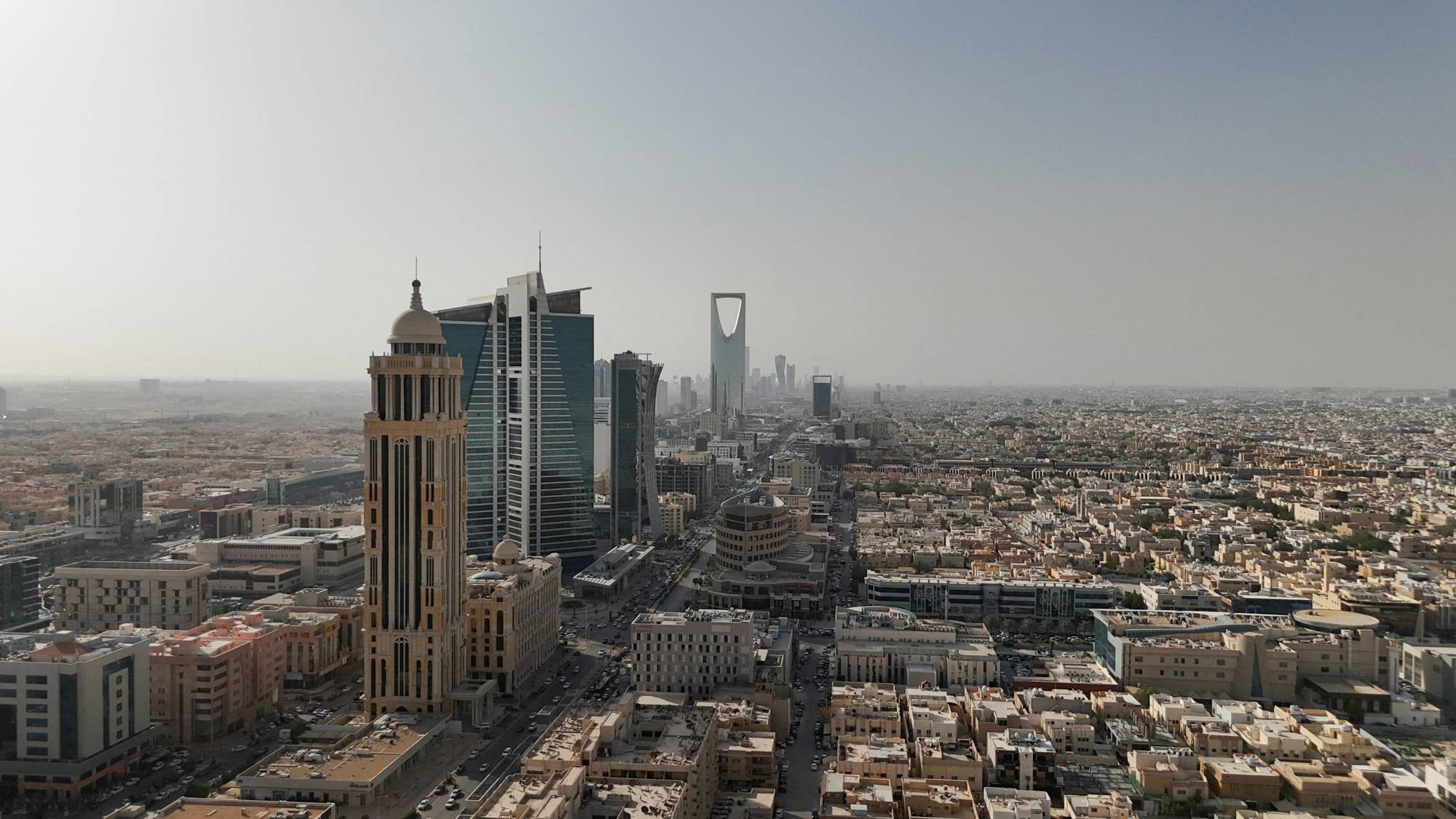
Hormuz Shock Hits Gulf Exports
Gatti says the disruption of the Strait of Hormuz had a profound impact on the World Bank's growth projections. Regional output is expected to contract by 2.1 percent in 2026, representing a decline of 5.7 percentage points from the growth forecasts issued before the conflict erupted in January.
This downturn is largely attributable to the severe disruptions suffered by Gulf oil and gas exporters. The World Bank expects all Gulf Cooperation Council (GCC) economies, with the exception of Oman, to contract during 2026.
The crisis led to a drop of more than 50 percent in oil tanker traffic through the Gulf, while regional oil production fell from approximately 26 million barrels per day to 16 million barrels per day in March.
Despite the magnitude of the shock, its global repercussions were more contained than might have been expected from a similar supply disruption. Several factors helped absorb part of the shortfall, including a pre-existing oil surplus in global markets, the rerouting of some shipments outside the strait, increased production in other regions, withdrawals from inventories, and weaker demand in East Asia.
However, the effects varied considerably among Gulf economies. Countries most dependent on the Strait of Hormuz experienced the steepest declines in output, while alternative export routes in Saudi Arabia and the United Arab Emirates helped mitigate the impact of the disruption.
The World Bank projects that Qatar's economy will contract by 20.9 percent in 2026, Kuwait's by 14.6 percent, Iraq's by 12.4 percent, and Bahrain's by 2.9 percent. At the same time, disruptions affecting tourism, aviation, and logistics services have imposed additional burdens on economic activity.
Strong Rebound in 2027
Gatti believes that the primary channel through which the shock was transmitted to Gulf economies was the decline in export volumes, compounded by damage to infrastructure. If trade routes return to normal and energy exports resume, a large share of the lost output could be recovered relatively quickly, explaining the World Bank's forecast of a strong rebound in 2027. For Saudi Arabia, the Bank expects economic growth to reach 7.9 percent next year.
However, Gatti stresses the need to distinguish between a rebound and a recovery. After a sharp decline in output, rapid growth often reflects the restoration of production from depressed levels rather than a corresponding improvement in underlying economic fundamentals or productivity.
Under the World Bank's baseline scenario, the conflict is assumed to continue until the end of 2026, followed by de-escalation and a gradual normalization of trade flows. Accordingly, regional growth, excluding Iran, is expected to rise to 7.8 percent in 2027 as export flows recover.
Nevertheless, repairing damaged infrastructure could take time, investments may remain on hold amid uncertainty, and fiscal reserves could be weaker than they were before the crisis.
Gatti warns that higher shipping costs, weaker investor confidence, lower tourism revenues, subdued global demand, and tighter financing conditions could prolong the economic impact of the conflict long after the immediate disruptions have ended.
She further notes that prolonged periods of uncertainty may delay investment decisions, weaken business confidence, and slow the accumulation of both physical and human capital, increasing the risk that a temporary shock could evolve into a prolonged slowdown in economic growth.
The Gulf Retains a Cost Advantage
Despite the severity of the shock, Gatti believes that GCC economies still enjoy an important structural advantage, as they remain among the world's lowest-cost and most competitive producers of oil and gas.
As trade flows return to normal, these economies will, in her view, be well positioned to remain key suppliers to global markets. However, the policy challenge extends beyond restoring economic activity in the short term. It also involves continuing economic diversification, strengthening resilience, and protecting both human and productive capital during the crisis.
Gatti argues that such investments are essential to ensure that a temporary disruption does not become a permanent loss of growth potential.
Artificial Intelligence: The New Frontier of Productivity Diversification
Alongside the energy crisis, Gatti sees artificial intelligence (AI) as a potential new source of growth and productivity for the region. However, realizing its full potential will require addressing three major gaps: localization, adoption, and foundational capital, in addition to strengthening private-sector dynamism.
She explains that weak investment, limited training and innovation, as well as state dominance in some economies, corruption, and political instability, constrain companies' ability to adopt new technologies and translate them into broad productivity gains.
Gaps in the AI Ecosystem
The localization gap highlights the importance of local data and language capabilities. Although Arabic is spoken by more than 500 million people, it accounts for less than 1 percent of global website content, while local dialects remain a weakness in Arabic-language AI models.
The adoption and foundational-capital gaps are reflected in limited productive use of AI, shortages in digital skills, and disparities in infrastructure. The region scores below the OECD average in creative-thinking assessments, while mobile broadband subscription rates in eight economies, including Egypt, Iraq, and Pakistan, remain below levels expected for their income levels.
Saudi Arabia's Growing Regional Role
According to Gatti, Saudi Arabia stands out as one of the region's most advanced AI ecosystems. The Kingdom rose from 33rd place out of 36 economies in 2017 to 19th place in 2024 on Stanford University's Global AI Vibrancy Index.
She believes the real test lies in translating substantial investments in data centers and digital infrastructure into widespread adoption by businesses, workers, and public institutions, thereby boosting productivity and accelerating non-oil sector growth.
Saudi Arabia could play a leading role in building a regional AI ecosystem through its computing capacity, data centers, and AI model development capabilities, while developing economies across the region could contribute talent, sector-specific expertise, and local data.
Regional Cooperation: An Opportunity to Strengthen Resilience
Gatti believes that the greatest risk to the outlook for 2027 lies in the continued disruption of trade and energy flows, which could weigh on investment, logistics, tourism, and business confidence, thereby delaying the recovery.
At the same time, however, the crisis presents an opportunity to accelerate regional cooperation, particularly in the field of artificial intelligence. Gulf countries possess advanced infrastructure and computing capabilities, while other economies in the region offer talent, data, and innovation. This complementarity could create new sources of growth, boost productivity, and enhance economic resilience beyond the oil cycle.
For Saudi Arabia, Gatti argues that the Hormuz experience underscored the importance of combining economic diversification with the diversification of trade and export routes. With the Saudi economy projected to grow by 7.9 percent in 2027, the opportunity lies in transforming the post-shock rebound in output into more sustainable growth driven by productivity, investment, and non-oil sectors, while continuing to strengthen trade and export infrastructure capable of withstanding future disruptions.


