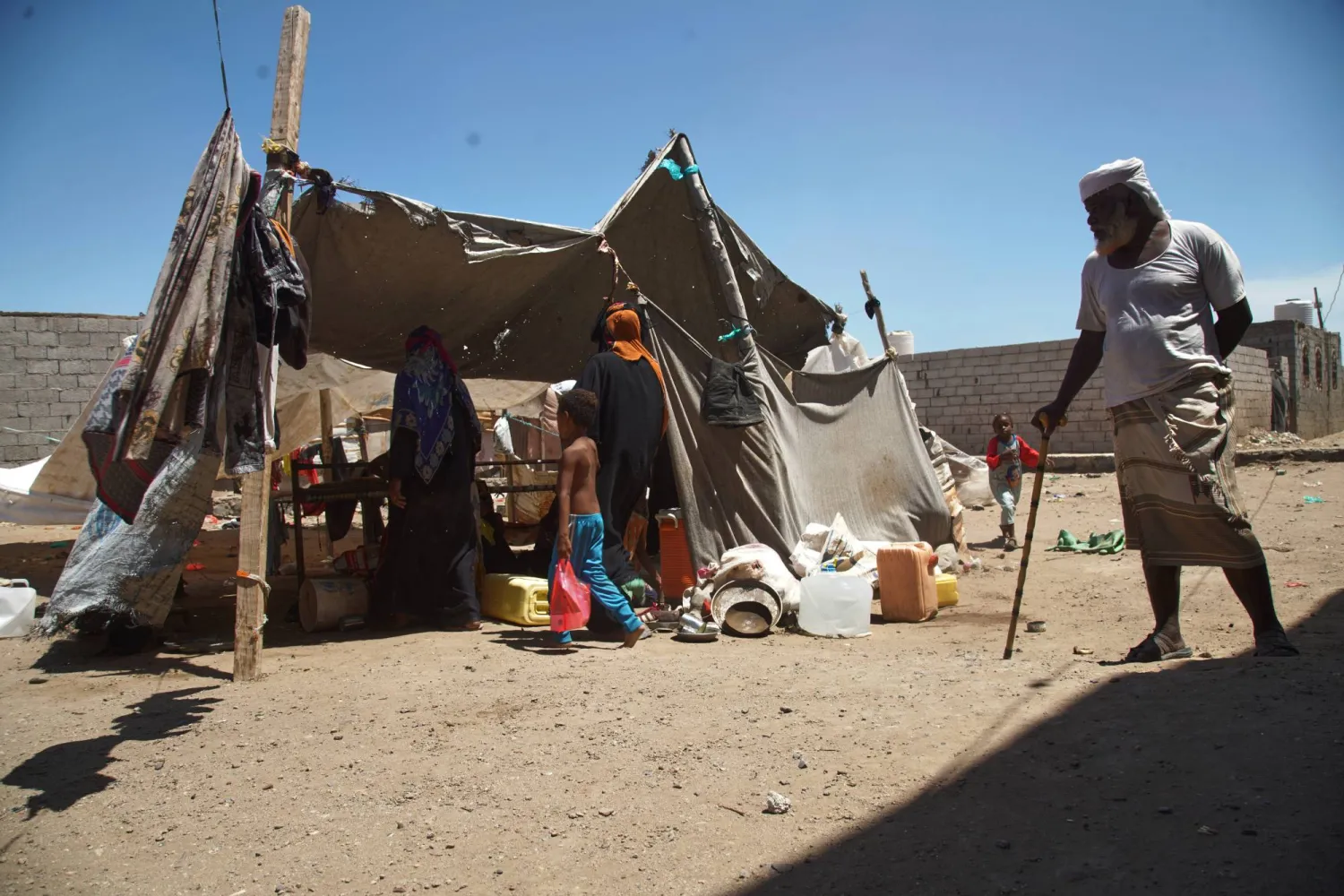

Yemen’s humanitarian crisis is worsening as the Houthi escalation spreads, leaving more than 5,000 people dead or wounded since August, displacing about 200,000 and fueling a rise in suspected cholera and measles cases.
The United Nations is warning of gaps in care and the risk of outbreaks as health services struggle to reach the wounded and deliver emergency treatment, especially in conflict zones and displacement camps.
UN Health Cluster data show 5,166 casualties since Aug. 6, including 959 deaths. In six days alone, 685 new casualties were recorded, a daily average of 114, up from about 101 in the preceding period, signaling a continued rise in the conflict’s human toll.
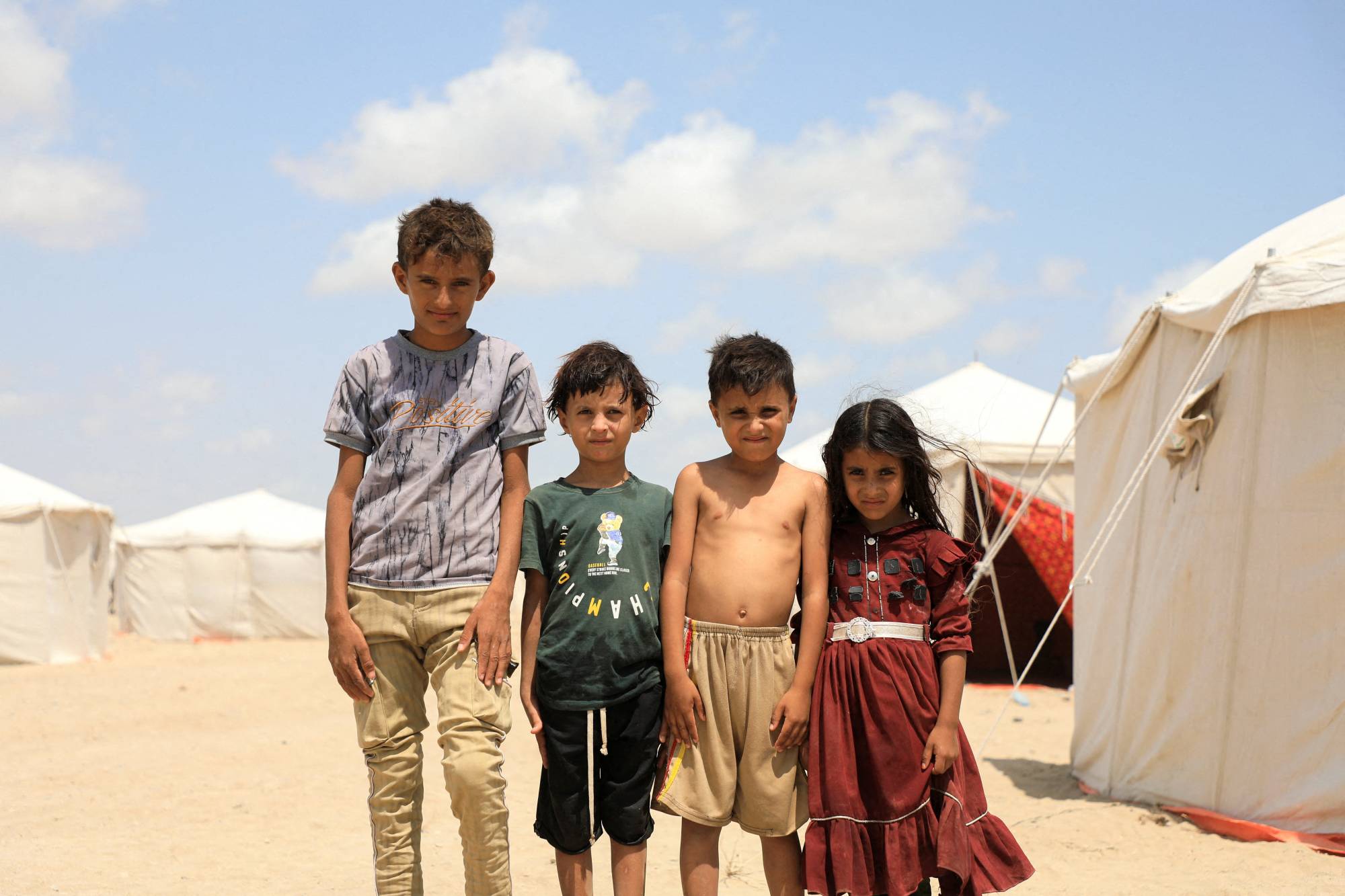
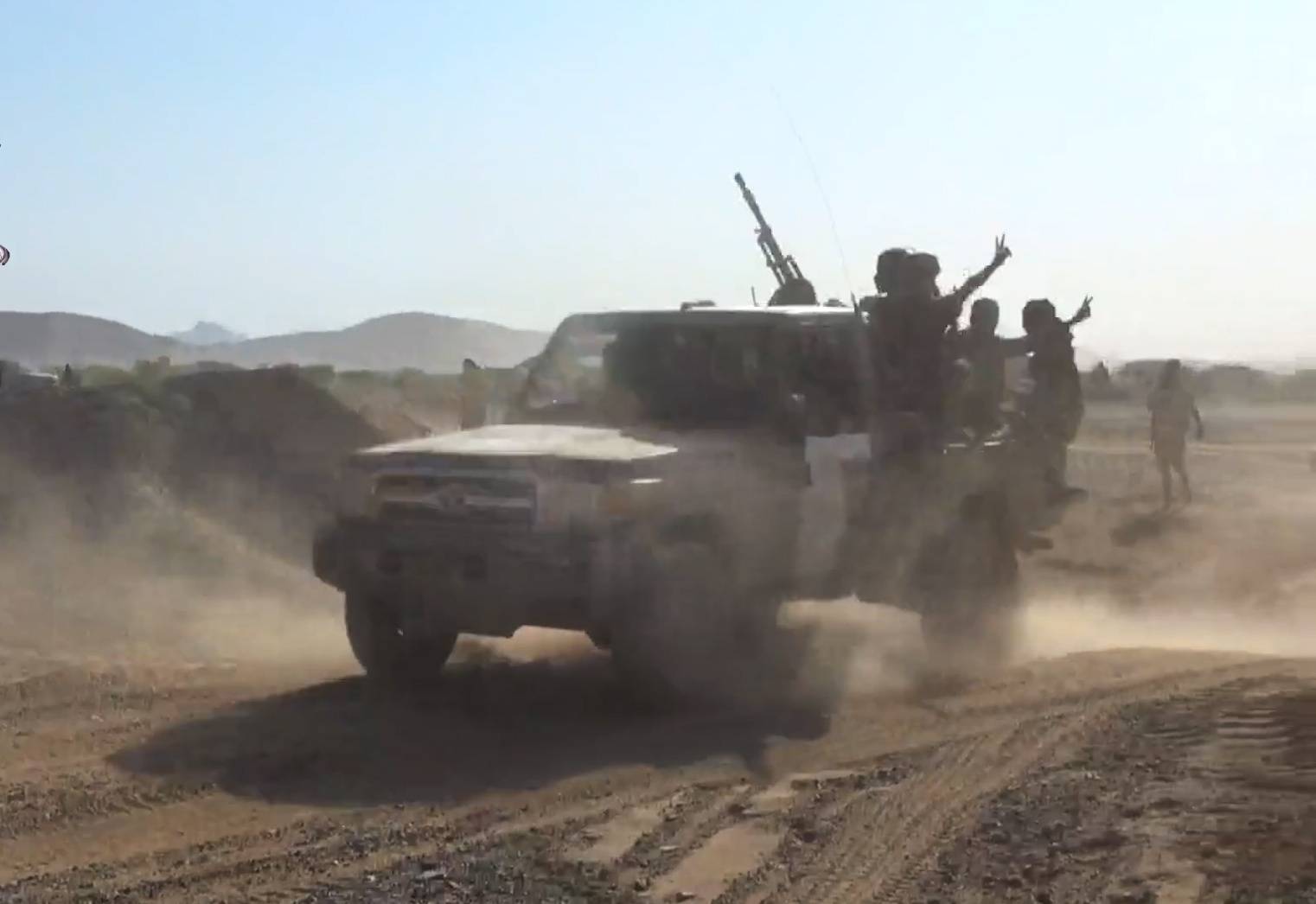
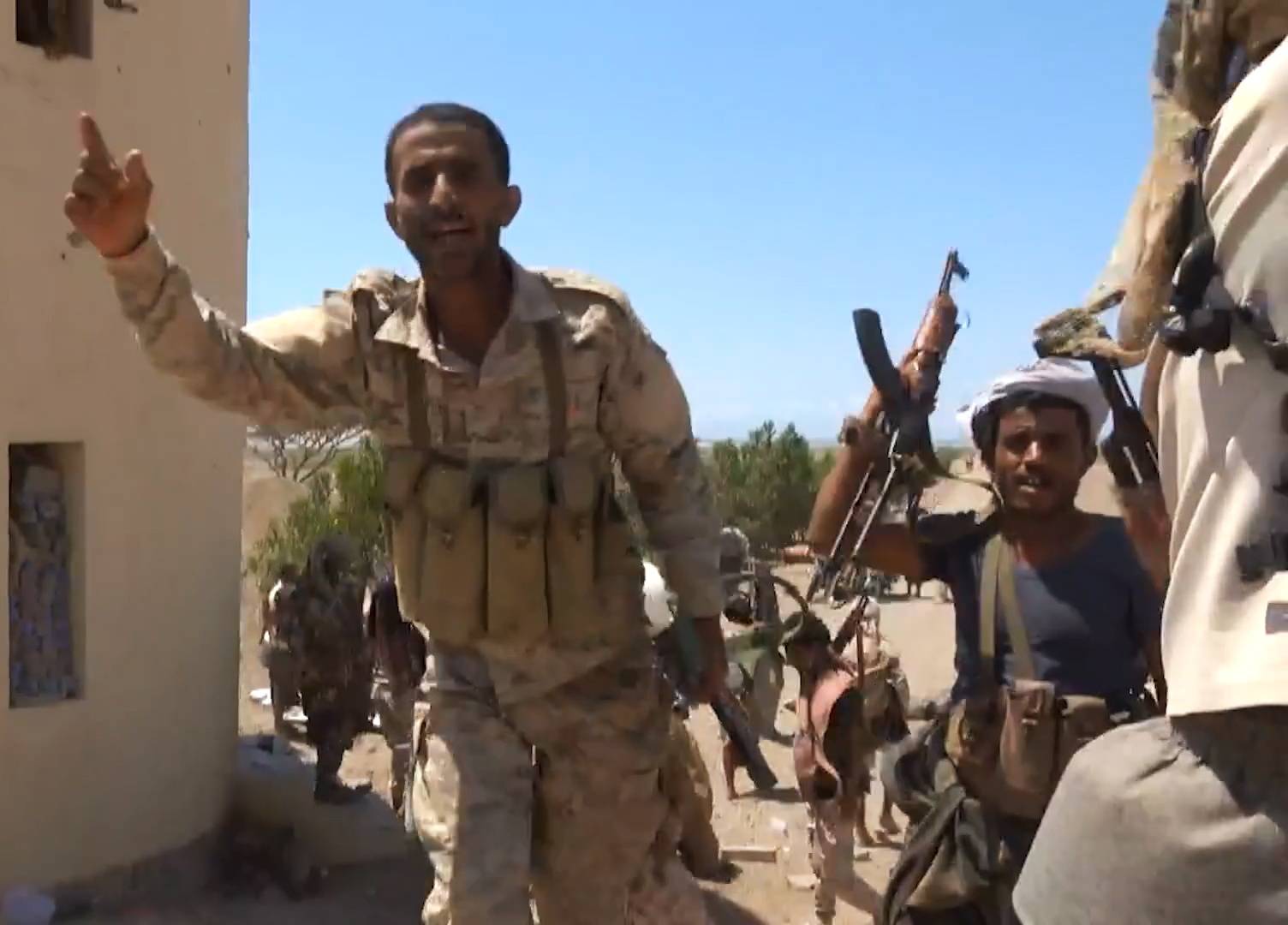
Taiz governorate in southwestern Yemen has become one of the deadliest fronts, with average daily casualties jumping from eight to 109 in a week as fighting moved into Taiz city. Preliminary reports also indicated casualties in Hadramout and Al-Jawf, while violence and casualties remain high in Lahj and Marib.
Displacement is adding to the strain on host communities, while shortages of trauma stabilization points and medical supplies hamper efforts to reach the wounded and meet mounting health needs.
For medical teams near the front lines, reaching the injured quickly is a critical challenge. Too few trauma stabilization points near the fighting mean precious time is lost during the “golden hour,” when urgent medical intervention can improve a wounded person’s chances of survival.
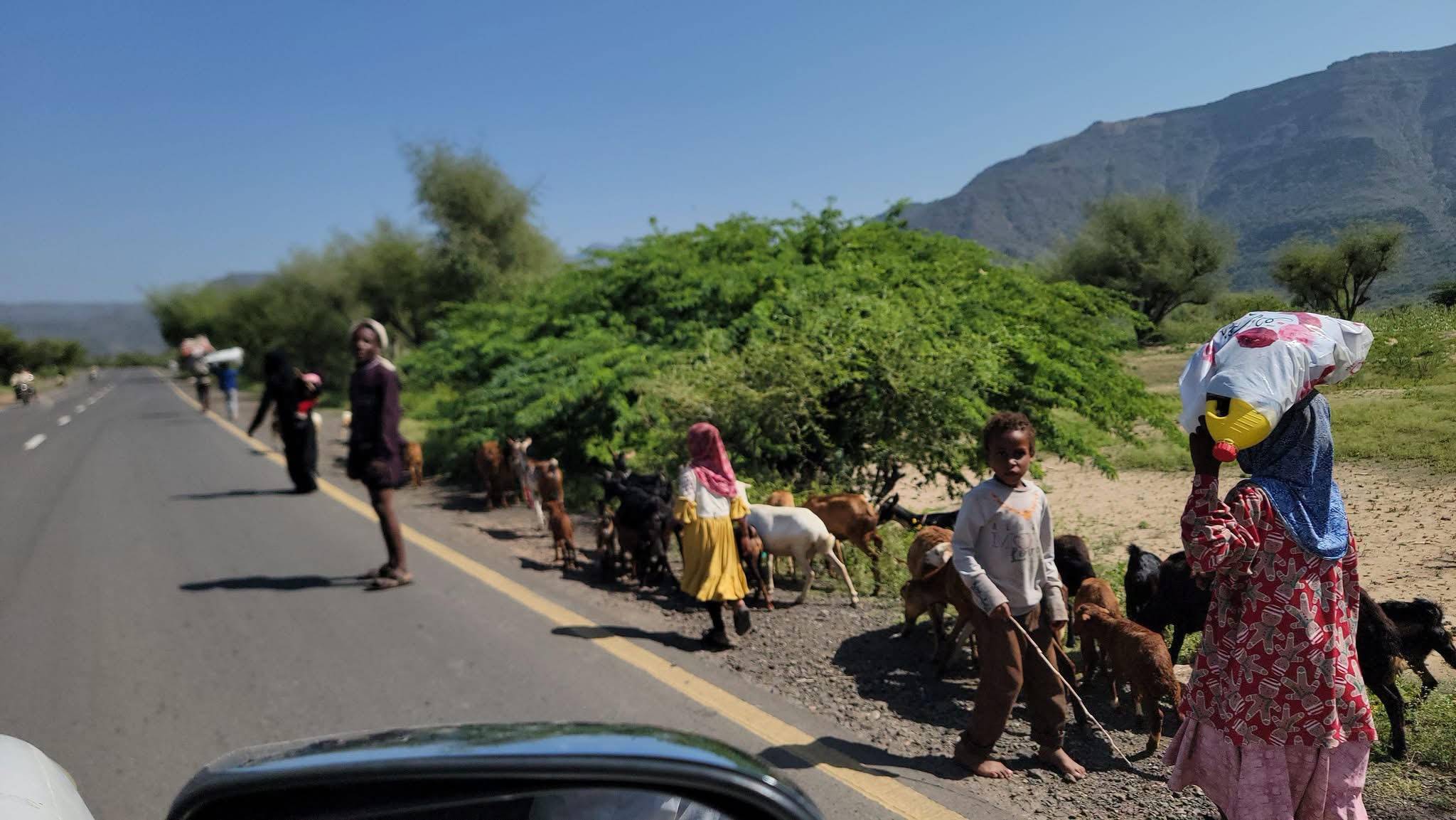
First-level trauma stabilization points remain a major gap in the health response. Six of the 20 planned points still lack partner support, limiting the health system’s ability to stabilize patients and get them to operating rooms within an hour of injury.
Communications outages and security risks are also hampering efforts to track humanitarian conditions. Aid workers believe the available figures understate the actual toll, while continued fighting makes reports of attacks on health facilities difficult to verify.
Displacement and outbreaks
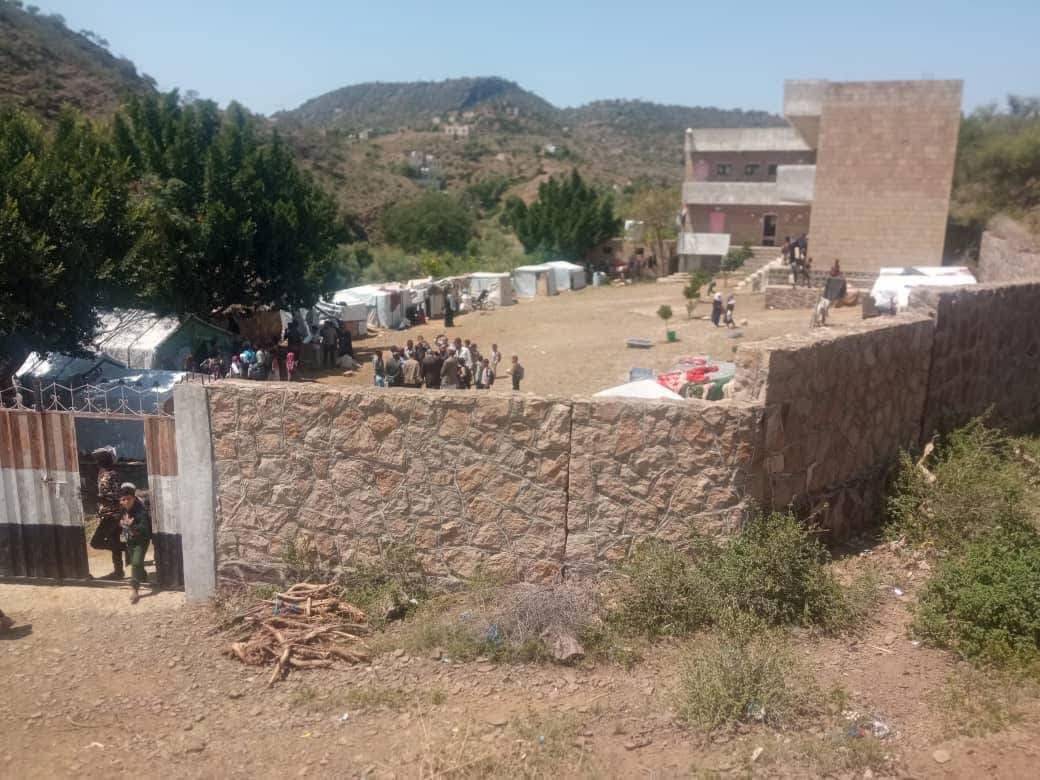
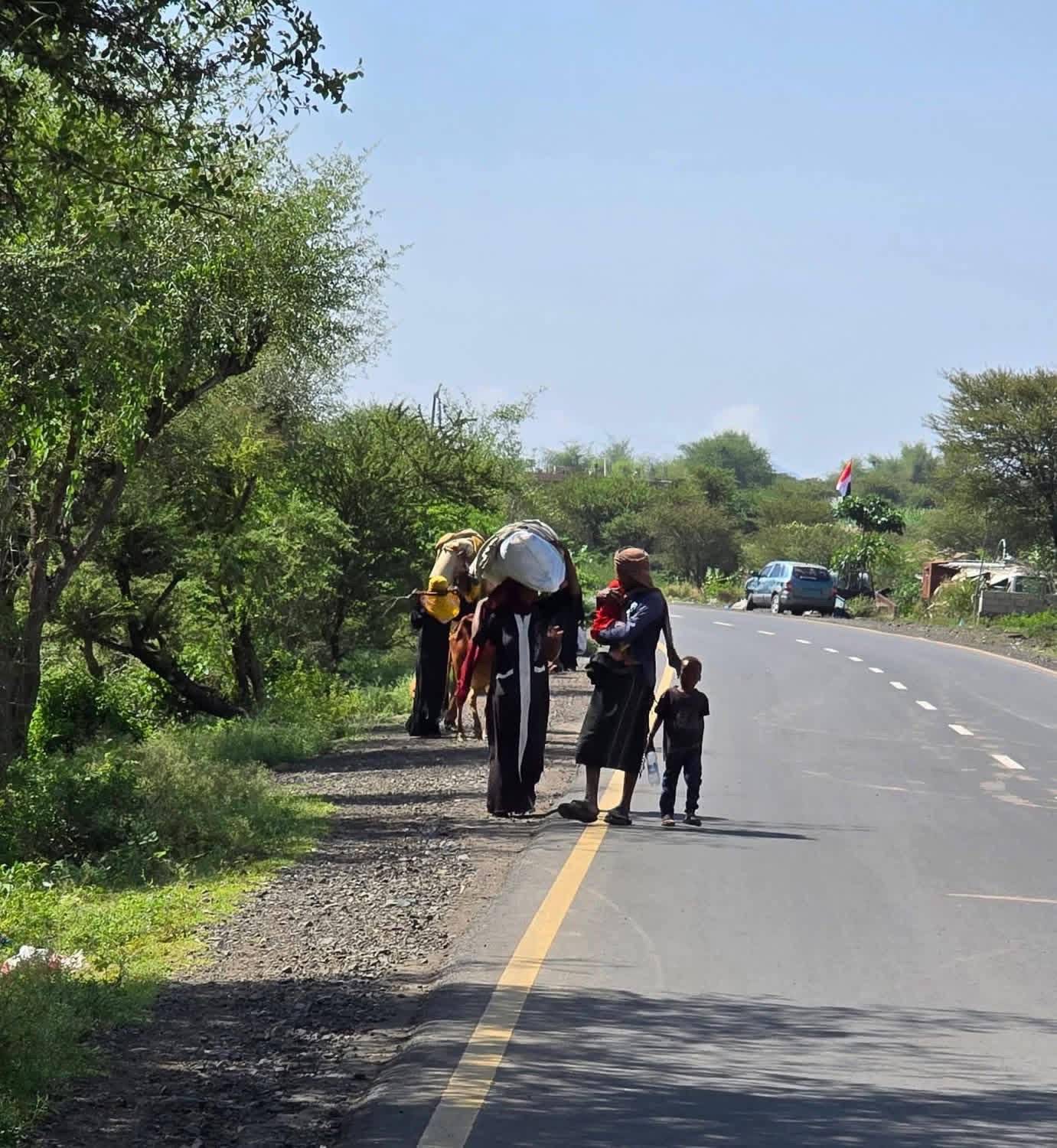
The fallout from the Houthi escalation extends beyond the dead and wounded. About 200,000 people have been displaced, including 29,519 families across 10 governorates, with displacement rising 8% in just five days.
Lahj accounted for about two-thirds of the latest increase, underscoring the pressure on residents and host communities as fighting drives up demand for shelter, basic services and health care.
Displacement has spread further into eastern governorates, including Hadramout, Al-Mahra and Shabwa. The consolidated report lists 454 displaced families in those governorates, up from 201 on Sept. 23.
In Hadramout, the Mukalla center reported another 429 families in Al-Abr, in Wadi Hadramout, who have yet to be included in the consolidated report, suggesting the actual displacement figures are higher.
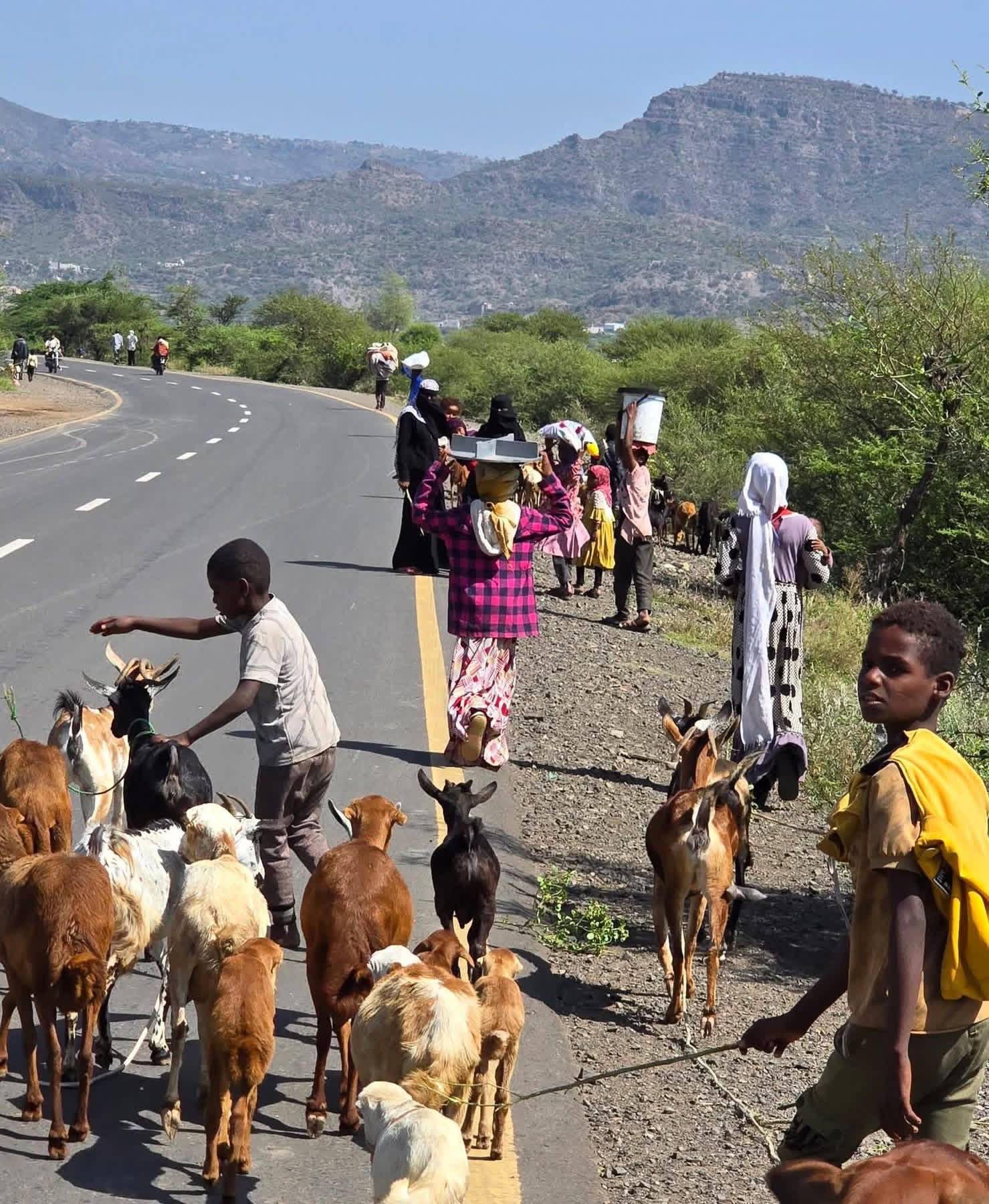
More than 3,600 people have also crossed into Djibouti, according to the data, extending the conflict’s humanitarian repercussions beyond Yemen.
Growing displacement and deteriorating living and health conditions are heightening fears of outbreaks as cholera and measles cases rise, immunization gaps widen and displaced children show alarming levels of acute malnutrition.
Surveillance data show suspected cholera cases nearly tripled in three weeks, reaching 647 in week 39, up from 217 in week 36.
Measles is spreading alongside cholera as displacement and overcrowding in areas hosting affected families widen immunity gaps, increasing health risks for children, especially those suffering from malnutrition.
Malnutrition
Screenings by International Medical Corps mobile medical teams have found high levels of acute malnutrition among displaced children, offering another measure of deteriorating health and living conditions.
Of 54 displaced children under five screened, nine had severe acute malnutrition and 29 had moderate acute malnutrition, highlighting urgent nutritional and treatment needs among the most vulnerable.
At least five health facilities have run out of ready-to-use therapeutic food, and three have exhausted their stocks of supplementary food, threatening their ability to treat children most at risk of complications.