New Saudi Law Broadens Business Participation, Supports Entrepreneurs

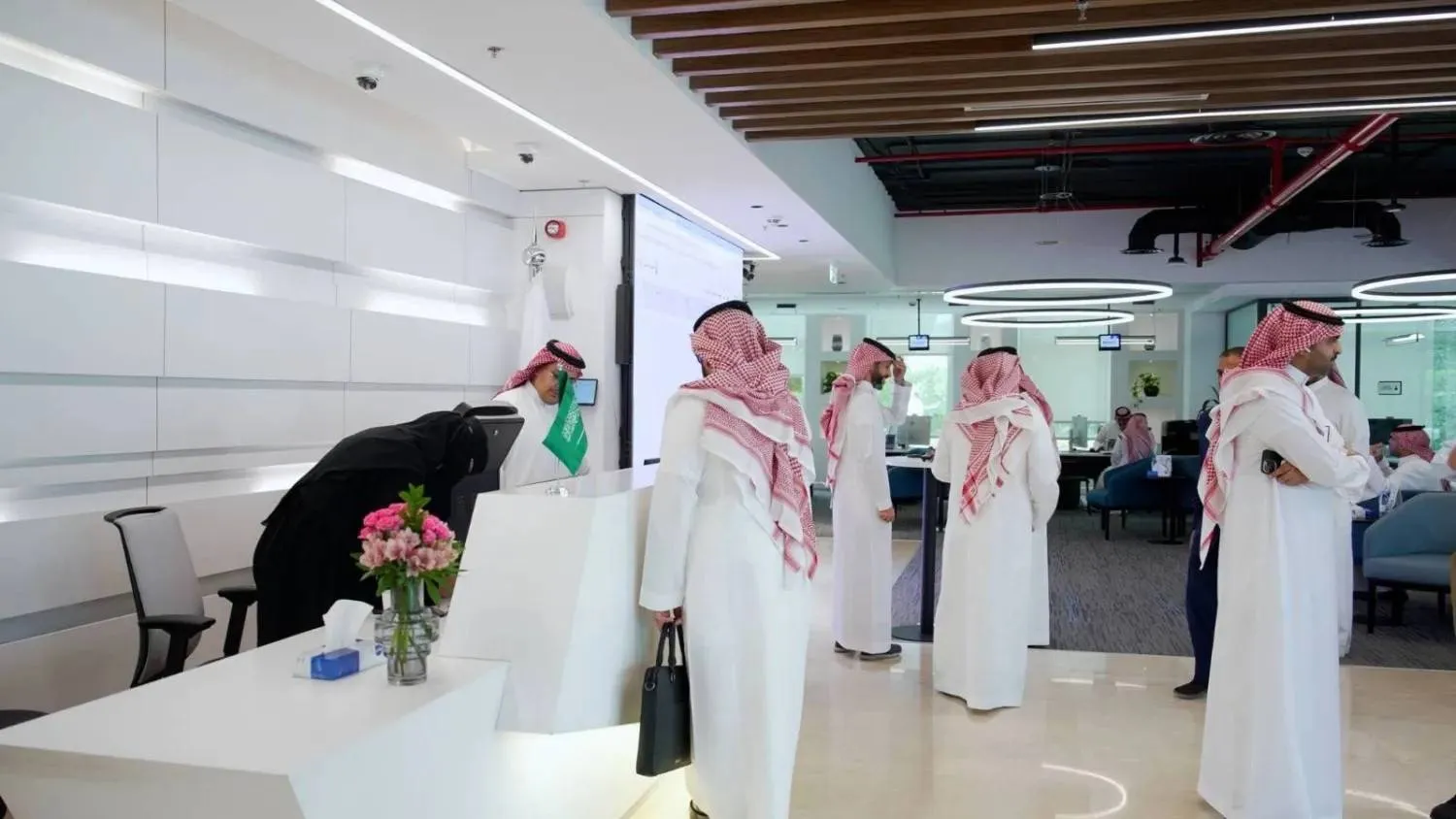
A view of operations at the Saudi Competitiveness and Business Center, which facilitates procedures for companies and businesses entering the local market Photo: Turky Alagili
TT

New Saudi Law Broadens Business Participation, Supports Entrepreneurs

A view of operations at the Saudi Competitiveness and Business Center, which facilitates procedures for companies and businesses entering the local market Photo: Turky Alagili

Saudi Arabia has cleared the way for citizens as young as 15 to do business under a sweeping new commercial transactions law, a move aimed at bringing more young entrepreneurs into the economy while strengthening the Kingdom's business regulations.

The Cabinet, chaired by Crown Prince and Prime Minister Mohammed bin Salman bin Abdulaziz, approved the law on Tuesday, drawing praise from experts who said it would strengthen investor confidence, clarify commercial rules and create a more predictable business environment.

Commerce Minister Majid Al-Qasabi said the law regulates commercial sales, supply contracts, brokerage and commercial agency agreements, while allowing citizens aged 15 and older to engage in business under specific conditions.

The legislation also complements the Civil Transactions Law as part of efforts to stimulate commerce and investment, he said.

The Ministry of Commerce said the 271-article law covers commercial activities, merchants, business establishments, traders' obligations, accounting records, contracts and negotiable instruments, including bills of exchange, promissory notes and checks.

It replaces three existing laws: the Commercial Law, the Negotiable Instruments Law and the Commercial Books Law.

Curbing commercial disputes

The law seeks to promote fair competition and curb practices that harm competitors, giving affected businesses the right to seek court orders to stop harmful conduct and claim compensation.

It also exempts certain categories of merchants from maintaining accounting records and allows records to be stored electronically or on paper in Arabic, with the option of using another language.

By clarifying commercial rights and obligations, the legislation aims to make business outcomes more predictable and reduce disputes.

For the first time, rules governing commercial sales, supply contracts, commercial agencies and brokerage agreements are brought together in a single legislative framework, with provisions designed to protect the rights of all parties.

Boost for smaller businesses

Set to take effect 180 days after publication in the Official Gazette, the law aims to give small and medium-sized enterprises (SMEs) greater legal protection and help them expand through commercial contracts and agency arrangements.

It also seeks to boost business confidence, support SME growth and competitiveness, and make commercial operations more efficient by consolidating rules previously spread across separate laws.

Modernizing business rules

Osama bin Ghanem Al-Obaidi, a legal consultant and professor of commercial law, told Asharq Al-Awsat that the Cabinet's decision marked a significant step in modernizing Saudi Arabia's economic legislation.

The law goes beyond regulating contracts and transactions, he said, reflecting a push for a clearer, more flexible business environment suited to a modern economy and the needs of investors and entrepreneurs.

Al-Obaidi singled out the decision to allow citizens aged 15 and older to engage in business under specific conditions.

The change, he said, could help young Saudis gain practical experience earlier and turn their ideas and skills into viable businesses.

He said the law would also encourage investment by bringing commercial rules into one accessible legal reference, making them easier to understand and apply.

Attracting domestic and foreign investment

Al-Obaidi said the law clarifies commercial contracts, unifies commercial registration rules and regulates negotiable instruments and electronic documents, giving the latter the same evidentiary standing as original paper documents.

"There is no doubt that the law will strengthen the investment environment and the competitiveness of the Saudi economy," he said.

"It will also attract foreign and domestic investment by providing a legal framework aligned with international best practices and reducing commercial risks through clear rules, rights and obligations for all parties."

He said the legislation would close legal gaps and complement the Civil Transactions Law, helping build a more stable commercial regulatory environment.

Building a more stable market

Economic and investment specialist Tahani bint Abdullah AlKhayyal told Asharq Al-Awsat that clearer rules governing commercial contracts and transactions would help businesses understand their rights and obligations, avoid disputes and better anticipate legal outcomes.

Such clarity, she said, is essential to building a more efficient and investment-friendly market.

A predictable legal framework would also help domestic and international investors assess opportunities and risks with greater confidence while supporting more stable, sustainable business relationships.

AlKhayyal stressed the importance of the law for SMEs, which play a key role in diversifying the economy, creating jobs and driving innovation.

Clearer rules, she said, would help smaller businesses organize their operations, protect their rights and compete more effectively.

"This becomes even more important when legislation is integrated with digital services and legal awareness initiatives, making it easier for business owners to understand and comply with requirements while reducing procedural burdens," she said.

AlKhayyal said the law's real test would be its impact on the market: whether it makes doing business easier, strengthens legal protections and encourages new ventures.

Modern legislation, she added, should empower individuals and businesses by opening up economic opportunities.

She said the law would strengthen Saudi Arabia's commercial framework and support Vision 2030 goals to broaden economic participation and reinforce the private sector's role as a key driver of growth and development.


Saudi Intercity Buses Carry Over 960,000 Passengers in Q3 2026

A bus parked at Madinah Airport (SPA)
TT

Saudi Intercity Buses Carry Over 960,000 Passengers in Q3 2026

A bus parked at Madinah Airport (SPA)

Saudi Arabia's Transport General Authority (TGA) reported that more than 960,000 passengers traveled on intercity buses during the third quarter of 2026, an increase of 6% compared with the same period last year, according to its quarterly statistical bulletin, SPA reported.

The Makkah region recorded the highest passenger volume at approximately 287,000, followed by Riyadh with 201,000 and the Eastern Province with 123,000.

Asir ranked fourth with around 75,000 passengers, followed by Madinah with 59,000, Jazan with 56,000 and Tabuk with 41,000.

The Northern Borders region recorded 25,000 passengers, Qassim 24,000, Najran 22,000, Hail 18,000 and Jouf 15,000, while Al-Baha registered approximately 9,000 passengers.


CEER Signs SAR2.6 Billion Financial Agreement with Arab National Bank and Riyad Bank

The signing marks a key milestone that unites CEER with two of the Kingdom’s premier financial institutions - SPA
TT

CEER Signs SAR2.6 Billion Financial Agreement with Arab National Bank and Riyad Bank

The signing marks a key milestone that unites CEER with two of the Kingdom’s premier financial institutions - SPA

CEER, Saudi Arabia’s first homegrown automotive brand, signed a financial agreement worth approximately SAR2.6 billion with Arab National Bank (anb) and Riyad Bank to further advance CEER’s strategic objectives in its contribution towards the growth of the Saudi automotive manufacturing industry.

The agreement was signed at CEER’s headquarters in Riyadh by Chief Financial Officer of CEER Joerg Schuessler, Chief Wholesale Bank Officer at Arab National Bank Louai Alzaher, and Chief Corporate Banking Officer at Riyad Bank Mohammed Abu Al-Naja, SPA reported.

The signing marks a key milestone that unites CEER with two of the Kingdom’s premier financial institutions and demonstrates robust private-sector confidence in CEER’s strategic direction, operational readiness, and long-term commercial viability, directly aligning with the industrial diversification objectives of Saudi Vision 2030.

At the signing ceremony, Schuessler said: "This agreement reflects anb and Riyad Bank's confidence in CEER's business model and long-term outlook. Together, we are investing in the future of a Saudi automotive brand built for the Kingdom and its future economic ambitions."

Alzaher added: “We are proud at anb to have led and arranged this agreement for CEER, reflecting the Bank’s commitment to supporting strategic national projects and enabling businesses to execute their strategic plans. This agreement also underscores anb’s role as an active banking partner in supporting promising economic sectors, particularly the automotive manufacturing industry, contributing to strengthening the Kingdom’s industrial sector and advancing the objectives of Saudi Vision 2030.”

Abu Al-Naja stated: “The signing of this financing agreement with CEER reaffirms Riyad Bank’s commitment to supporting national industries and advancing sustainable transport in line with Saudi Vision 2030 and the Saudi Green Initiative.”


Opening Saudi Legal Market to Foreign Firms Boosts Investment Competitiveness

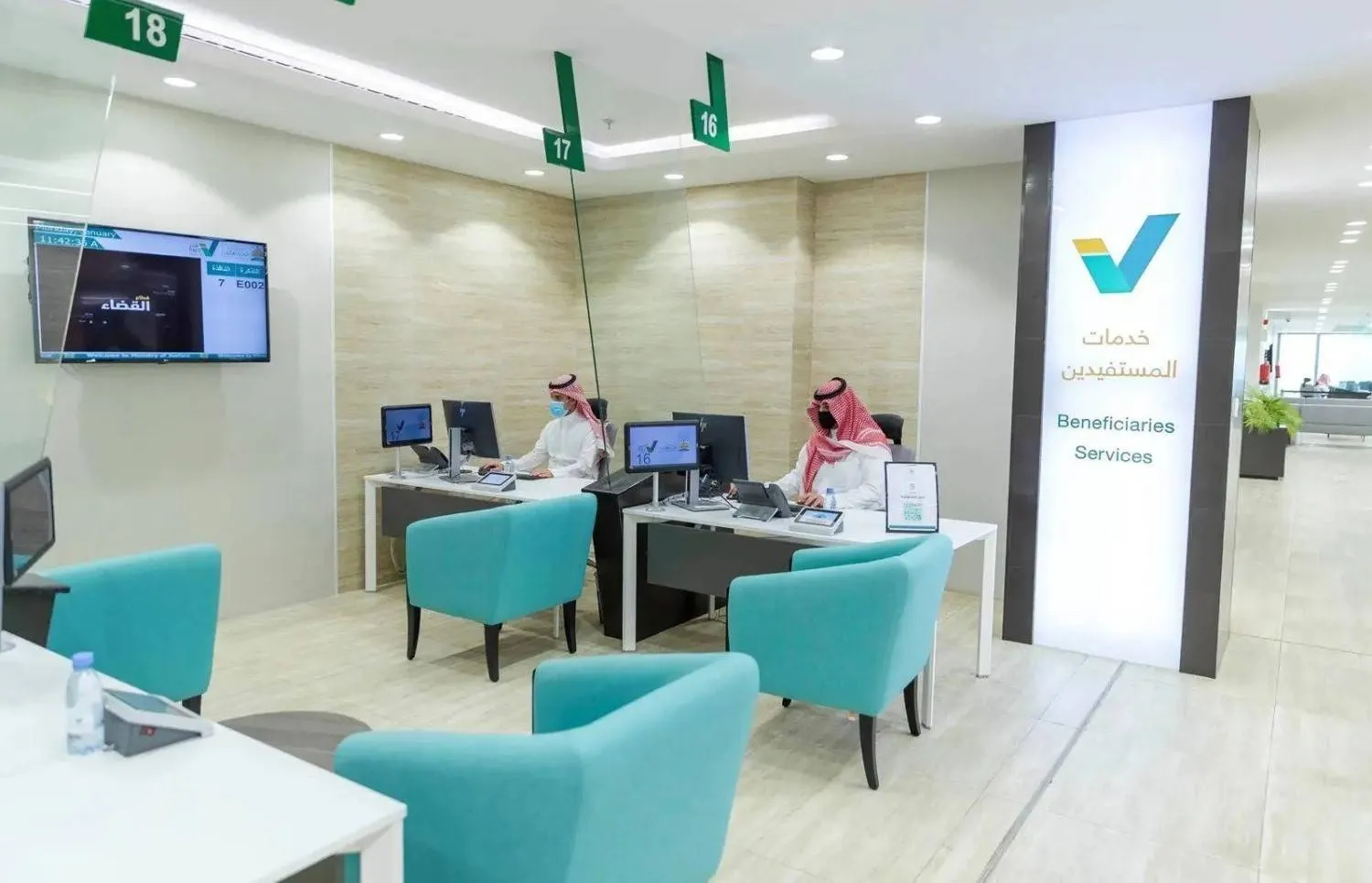
Client services at Saudi Arabia’s Ministry of Justice (SPA)
TT

Opening Saudi Legal Market to Foreign Firms Boosts Investment Competitiveness

Client services at Saudi Arabia’s Ministry of Justice (SPA)


The Saudi Cabinet's decision to amend the Code of Law Practice, allowing foreign law firms to establish professional companies in the Kingdom under specific regulations, opens new opportunities for the legal services sector. The move aims to strengthen competitiveness and expand investment in professional services.

The decision comes as local and international companies increasingly seek specialized legal services to support business expansion and investment projects in Saudi Arabia.

The amendment is expected to do more than increase the number of firms operating in the sector. It is also anticipated to stimulate competition, raise quality and governance standards, facilitate the transfer of international expertise and develop professional practices in line with the Kingdom's ongoing economic and investment transformation.

International Expertise

Among the anticipated benefits is an improvement in the quality of legal services and practices through the adoption of international expertise in handling complex commercial cases and transactions, alongside advanced standards for risk management, compliance and professional governance.

Legal professionals say the decision responds to the growing scale of government and investment projects, which are driving demand for specialized legal services.

They also believe allowing foreign law firms to establish professional companies in Saudi Arabia could attract more regional headquarters of multinational corporations and strengthen the Kingdom's position as a hub for business and professional services.

Expanding Client Choice

Lawyer and legal consultant Khalid Ababtain said opening the Saudi market to international law firms represents an important step toward developing the legal services sector and enhancing its competitiveness.

He explained that a well-functioning market should not be built around protecting service providers from competition, but rather around enabling clients to obtain services that meet their needs at the best possible quality and most appropriate cost.

Speaking to Asharq Al-Awsat, Ababtain said clients have different priorities. Some seek the lowest price, while others prioritize quality and specialized expertise regardless of cost. Still others seek a balance between the two.

He explained that the entry of international law firms would not merely increase the number of competitors. It would also give clients a wider range of options and encourage domestic firms to improve their services, deepen their specializations and enhance operational efficiency.

Ababtain said the expansion of projects and investments across the Kingdom requires a legal market capable of providing sophisticated services in mergers and acquisitions, project finance, commercial arbitration and other highly specialized fields.

He stressed that the impact of competition should not be measured solely by its benefits to legal service providers, but also by the value it creates for clients and investors.

A competitive legal market, he said, is not one that shields lawyers from their rivals, but one that encourages both to compete for client satisfaction. He described this as the essence of competition and one of the most significant benefits of opening Saudi Arabia's legal market.

Improving Legal Practice Standards

Lawyer Zohour Faisal Al-Turki told Asharq Al-Awsat that the Cabinet's decision to amend the Code of Law Practice, allowing foreign law firms to establish professional companies in the Kingdom, would encourage greater specialization within the legal sector rather than continued reliance on general legal service models.

She said the Saudi economy increasingly requires highly specialized legal expertise in sectors such as energy, technology, finance, infrastructure and real estate investment.

According to Al-Turki, the benefits would also extend to developing Saudi legal talent through training and professional development, while creating more opportunities for Saudi lawyers to work in international legal environments and gain experience handling cross-border contracts and commercial and investment disputes.

She added that the decision could turn the entry of international law firms into a meaningful opportunity to train Saudi lawyers, transfer knowledge and develop specialized legal education and training programs.

Al-Turki said the move would also help improve standards for assessing the quality of legal services, ensure adherence to professional ethics, protect client confidentiality and safeguard the independence of legal practice.

She emphasized that the decision would encourage local professional partnerships and knowledge sharing, helping Saudi law firms build the competitive capabilities needed to benefit from market liberalization rather than simply contend with increased competition.

She added that these developments would support the establishment of a legal market capable of providing advanced services to multinational companies and strengthen Riyadh's position as a regional hub for professional services.