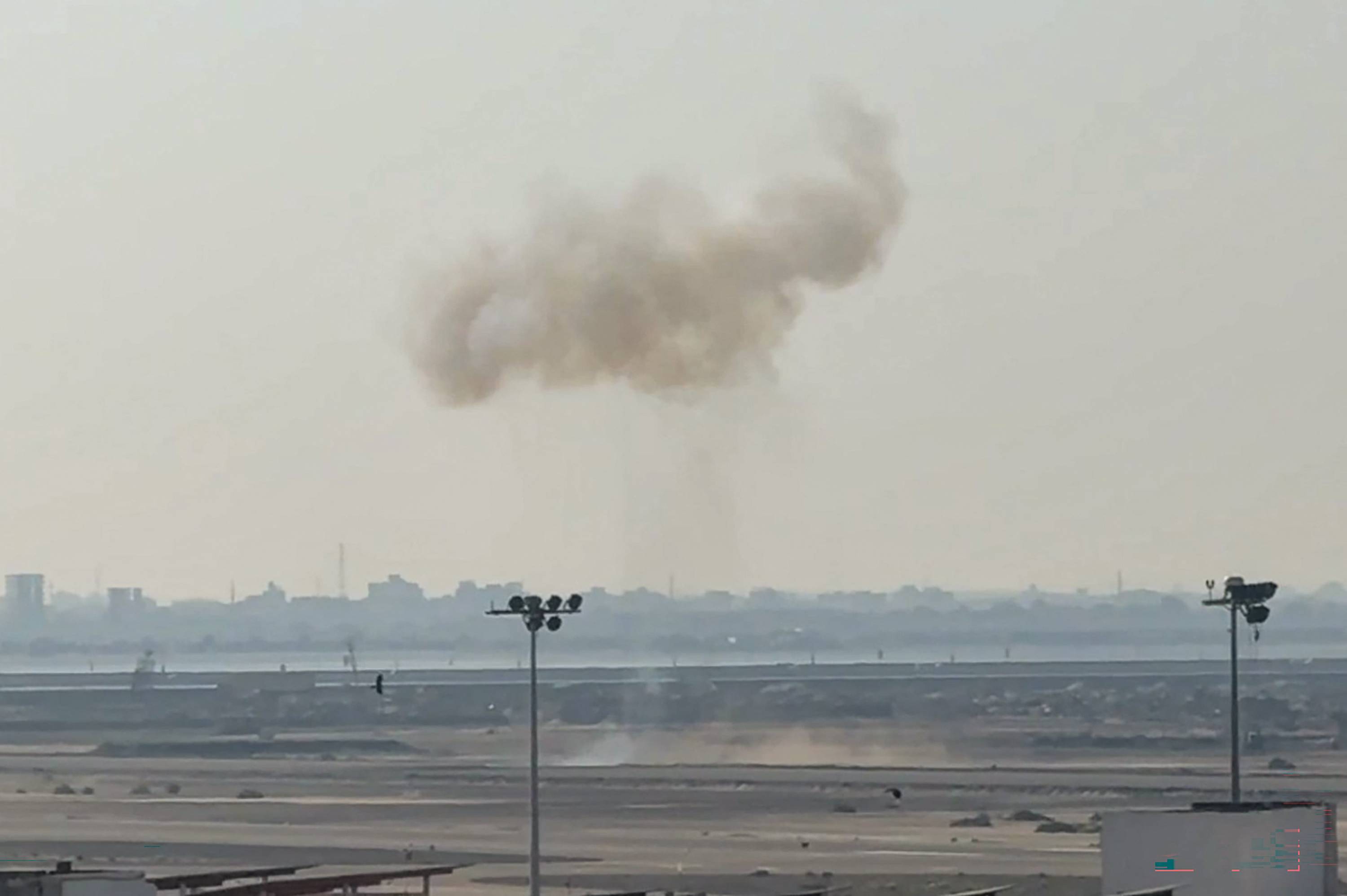

Nearly 10,000 people have been killed or wounded in Yemen's latest military escalation, pushing the country's battered health system to the brink of collapse as a Houthi siege tightens around its third-largest city.
The crisis, the worst in years, has pushed Yemen's healthcare system into what international agencies now classify as a complex emergency that can no longer be contained.
Yemen's Health Ministry warned of an imminent collapse in healthcare services in Taiz province, where stocks of medicines, medical supplies and oxygen have reached critical lows after nearly three months of escalating Houthi military operations and attacks on civilians and infrastructure, compounded by an unprecedented plunge in international funding.
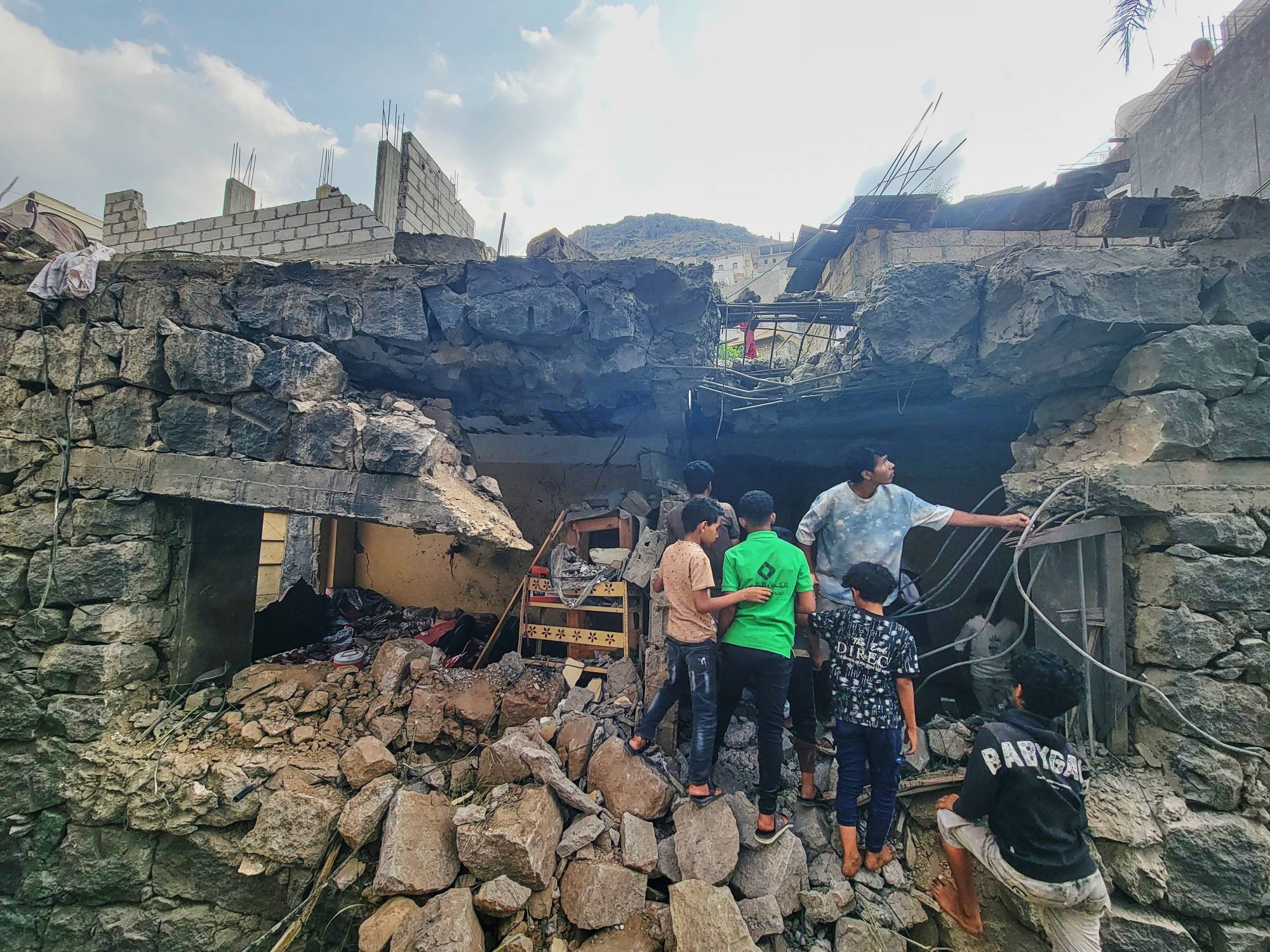
The southwestern city of Taiz remains under Houthi siege as fighting intensifies across the city and surrounding districts. Continued shelling has forced more than 250,000 people to flee rural areas of Taiz and neighboring Lahj province.
The latest verified field data from the World Health Organization (WHO) put the toll from the recent escalation at 9,072 casualties, recorded through the country's remaining health surveillance systems.
The toll includes 1,677 deaths directly linked to hostilities and 7,395 wounded, overwhelming trauma and emergency centers and stretching the surgical capacity of an already crippled health system beyond its limits.
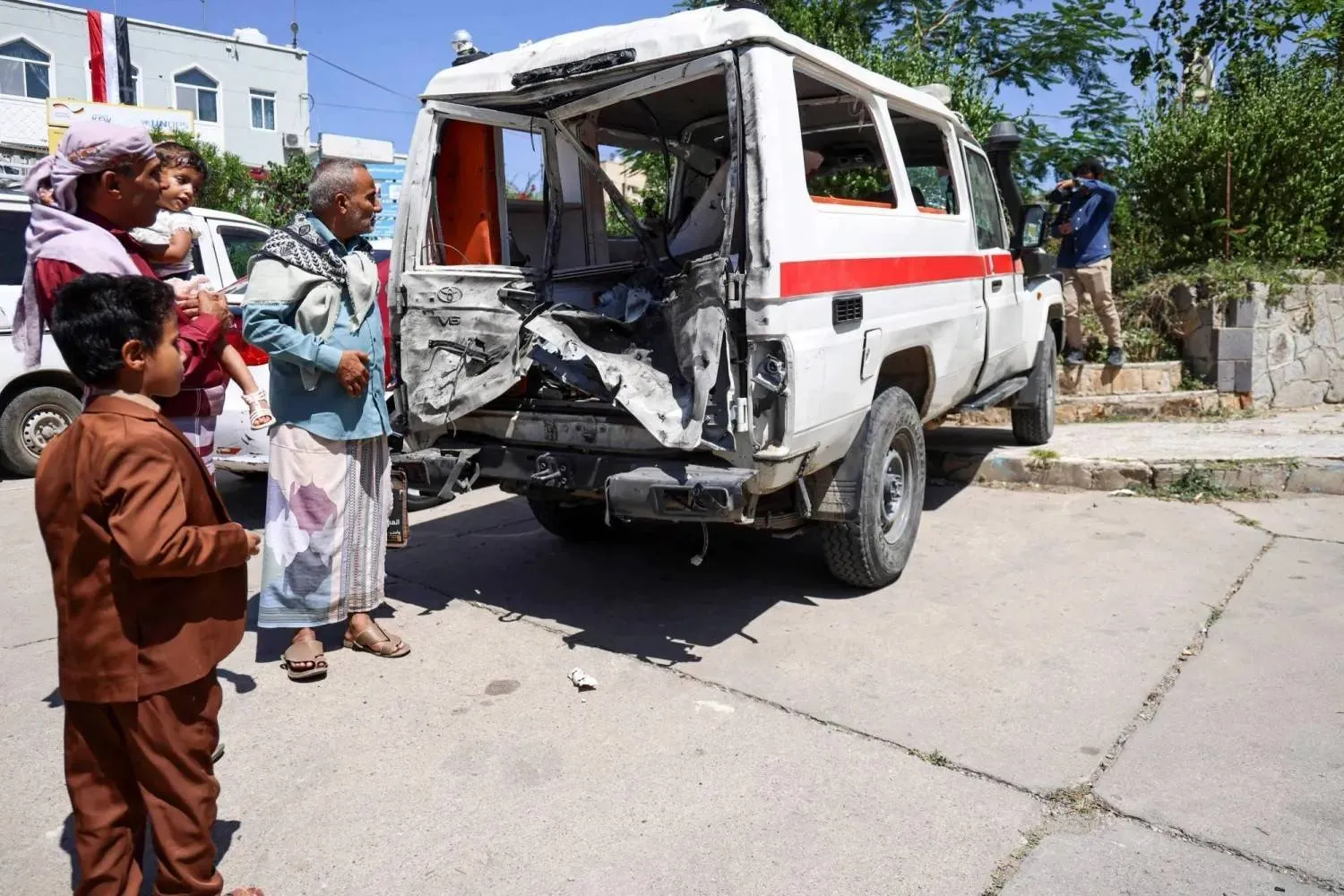
Health authorities in Taiz accused Houthi forces of targeting an ambulance on Wednesday as it attempted to evacuate a wounded civilian from a village under heavy shelling in the Al-Awat area of Sabir Al-Mawadim district, south of the city.
It was the second reported attack on an ambulance during the current escalation. A strike the previous week killed an ambulance driver and a wounded girl being transported for treatment after an earlier shelling attack, and injured a nurse accompanying them.
Press authorities in the province also accused the Houthis of looting 15 ambulances from health offices and medical centers in rural districts.
A final plea for help
In besieged Taiz, the health crisis is nearing breaking point.
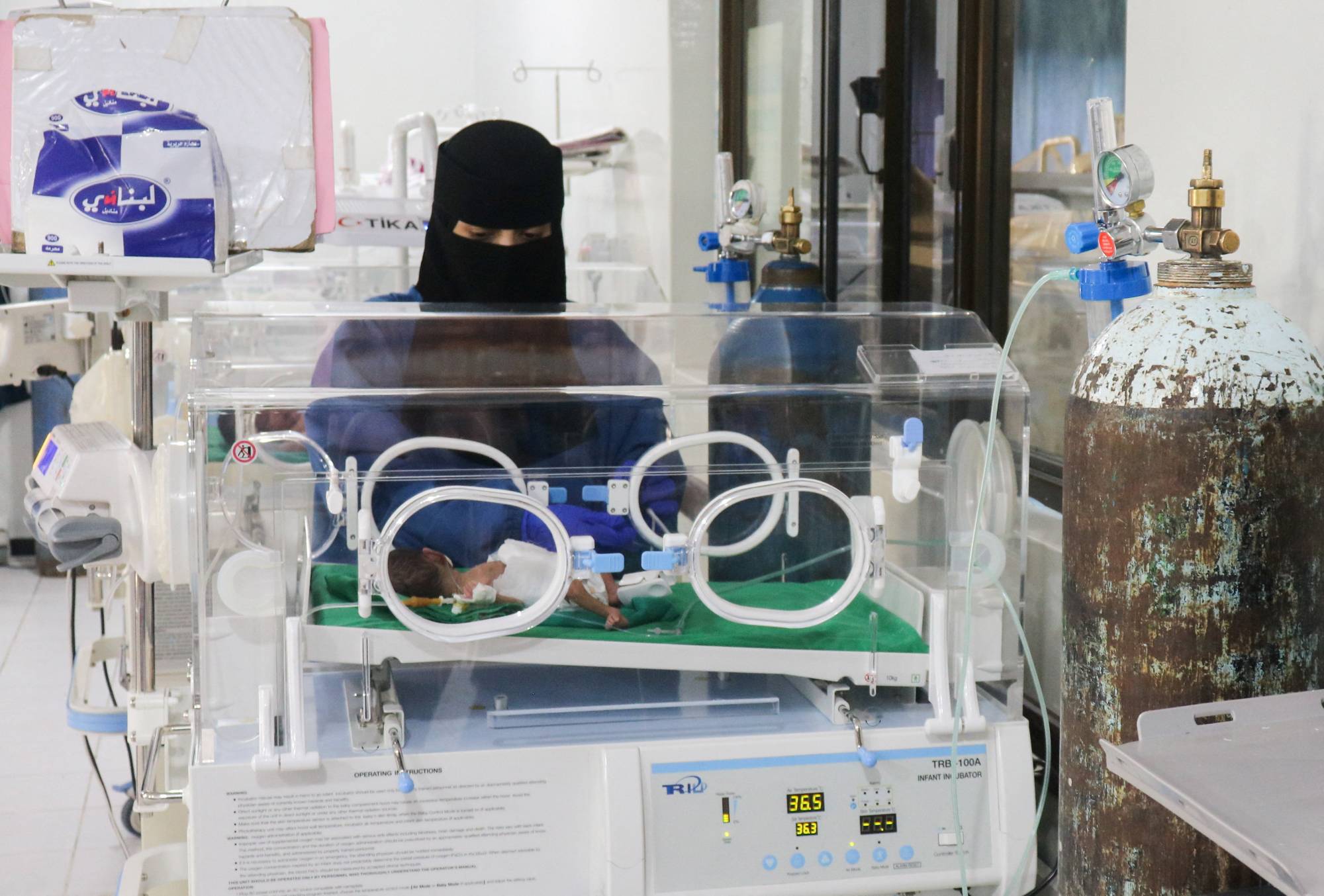
According to Yemen's Health Ministry, 42 healthcare facilities across the province could shut down completely within days as supplies of medicines, lifesaving medical equipment and medical oxygen cylinders run out.
The looming closures threaten services with no ready alternatives, including neonatal incubators, intensive care units and regular dialysis sessions for hundreds of patients.
The crisis has deepened as healthcare facilities continue to come under direct attack. In the latest incident, Houthi gunmen opened fire on Al-Thawra General Hospital, wounding patients and medical staff.
Public health officials are also warning of a cholera outbreak spiraling out of control, with infection rates tripling in just weeks as destroyed water and sewage networks and deteriorating sanitation services fuel the spread of the disease.
The outbreak is colliding with a severe malnutrition crisis. Thousands of displaced children lack the basic immunity needed to fight bacteria transmitted through contaminated water, pushing death rates among children under five to record highs.
Funding dries up as needs surge
As humanitarian needs soar, international and local relief operations are running into what aid officials describe as a crippling funding drought.
Earlier this month, the WHO issued an urgent appeal for $31 million to keep essential healthcare operations running across Yemen. Donors have provided just $2.1 million, leaving a staggering 93% funding gap.
The consequences have been swift. Fifteen vital healthcare facilities have closed permanently, while dozens of mobile medical teams have been disbanded, cutting off what had been the only lifeline for remote communities and displacement camps in conflict-hit provinces such as Marib.
International and local humanitarian groups agree that time has effectively run out.
Without immediate international pressure to halt hostilities, open safe humanitarian corridors to restore the flow of supplies into besieged Taiz and release emergency funding, Yemen faces the prospect of the worst healthcare collapse in its modern history.