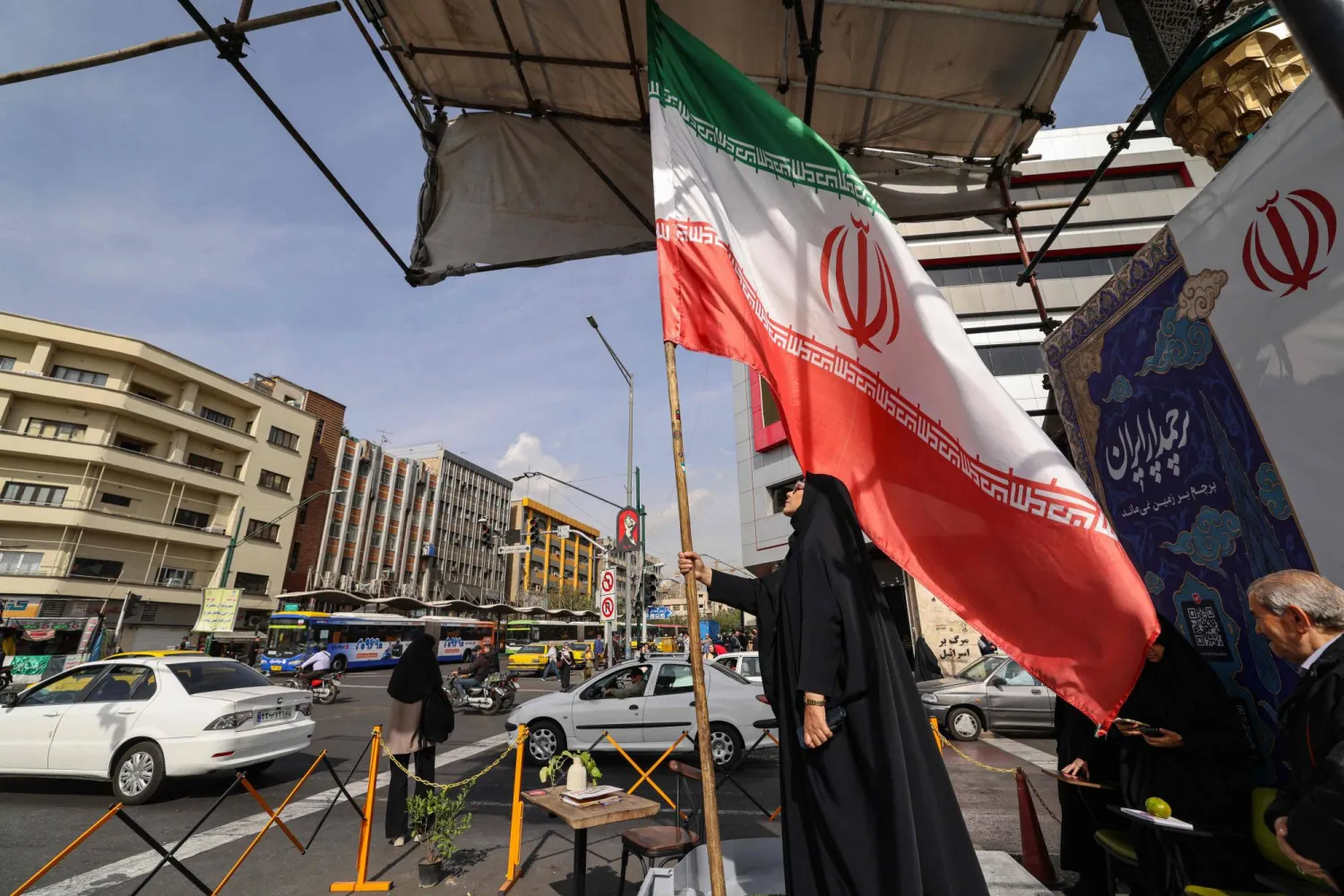

The Middle East is braced for a possible return to all-out war. There are concerns that the United States, along with Israel, could strike Iran shortly after Tuesday’s midterm elections in the US.
Two Iranian officials said their delegation had left Qatar after days of discussions but that messages with the US continued to be exchanged through the mediator. The officials spoke on condition of anonymity due to the sensitivity of the talks, The Associated Press reported.
The diplomatic efforts seek to avert new attacks. Tehran has expanded its threats but said it is waiting for the latest US response to a proposal that would fully open the Strait of Hormuz to shipping within two days if Washington meets several conditions.
Here’s where things stand Monday.
Trump had a ‘very good’ call with Netanyahu
US President Donald Trump on Sunday evening told reporters he and Israeli Prime Minister Benjamin Netanyahu had a “very good” call on Saturday. He said they discussed Iran but gave no details.
Even before Netanyahu and his bloc of allies lost their majority in parliament in last week’s election, there were growing fears that Netanyahu was pushing for new strikes against Iran in an effort to stay in power in an emergency government during renewed war. Since last Tuesday’s election, the prime minister has publicly commented only on the vote.
There was no word from Netanyahu and his office on the latest call with Trump, who has continued to alternate between public comments about pursuing talks with Iran and threats to strike it hard.
Iran greatly expands threats while sticking with diplomacy
The Iranian Republic has stepped up its public messaging during the uncertainty, saying it is ready for both diplomacy and renewed fighting.
The new supreme leader, Mojtaba Khamenei, met with Iran’s military chiefs and said the response to “any kind and level of threat” from the US or Israel should be immediate and without “geographic limits,” and urged an expansion of the list of potential targets.
Khamenei still has not been seen publicly since the opening strikes by Israel and the US on Feb. 28 killed his father, the previous supreme leader.
Iran’s security chief, Mohsen Rezaei, warned on X that any attack would bring “devastating blows on the aggressor using new weapons.”
In an interview with state television, Rezaei said “the tone has completely changed” from the US and called it a “very good sign.” He gave no details about the letter he received from US Vice President JD Vance, which Iran acknowledged last week, and said he had not responded.
Rezaei also said there had been no decision to change Iran’s nuclear doctrine, but he noted that some Iranians had questioned whether that should change if Iran were attacked again. Tehran has insisted its nuclear program is peaceful.
Washington seeks to prevent Iran from obtaining a nuclear weapon and wants to address the issue in any new talks. Iran wants to discuss the nuclear issue later.
Iranian Foreign Minister Abbas Araghchi, on a one-day visit to neighboring Turkmenistan on Monday, has said the final outcome depends on answers provided by the United States to the “Iranian questions.”