
Saudi Arabia's annual inflation rate slowed to 1.7% in October from 1.9% in September, returning to its lowest level this year and signaling the economy's continued ability to contain price pressures and maintain stability despite geopolitical tensions and disruptions to global trade.
Data released Sunday by the Kingdom's General Authority for Statistics (GASTAT) showed that the Consumer Price Index (CPI) rose 0.1% month-on-month in October.
The annual slowdown was driven by relatively modest price increases across several major categories, although housing costs remained the largest contributor to inflation.
The figures showed that prices in the housing, water, electricity, gas and other fuels category rose 3.5% year-on-year in October, matching the increase in actual housing rents. The category remained the biggest driver of overall inflation.
Insurance and financial services prices also increased 3.5%, driven by a 6.5% rise in insurance service costs.
Recreation, sports and culture prices climbed 2.7%, reflecting a 4.6% increase in package holiday prices.
Food and Beverages
Transportation prices rose 2.3% year-on-year, driven by a 9.5% increase in passenger transport services.
Prices for restaurants and accommodation services increased 1.8%, while education services rose 1.3%.
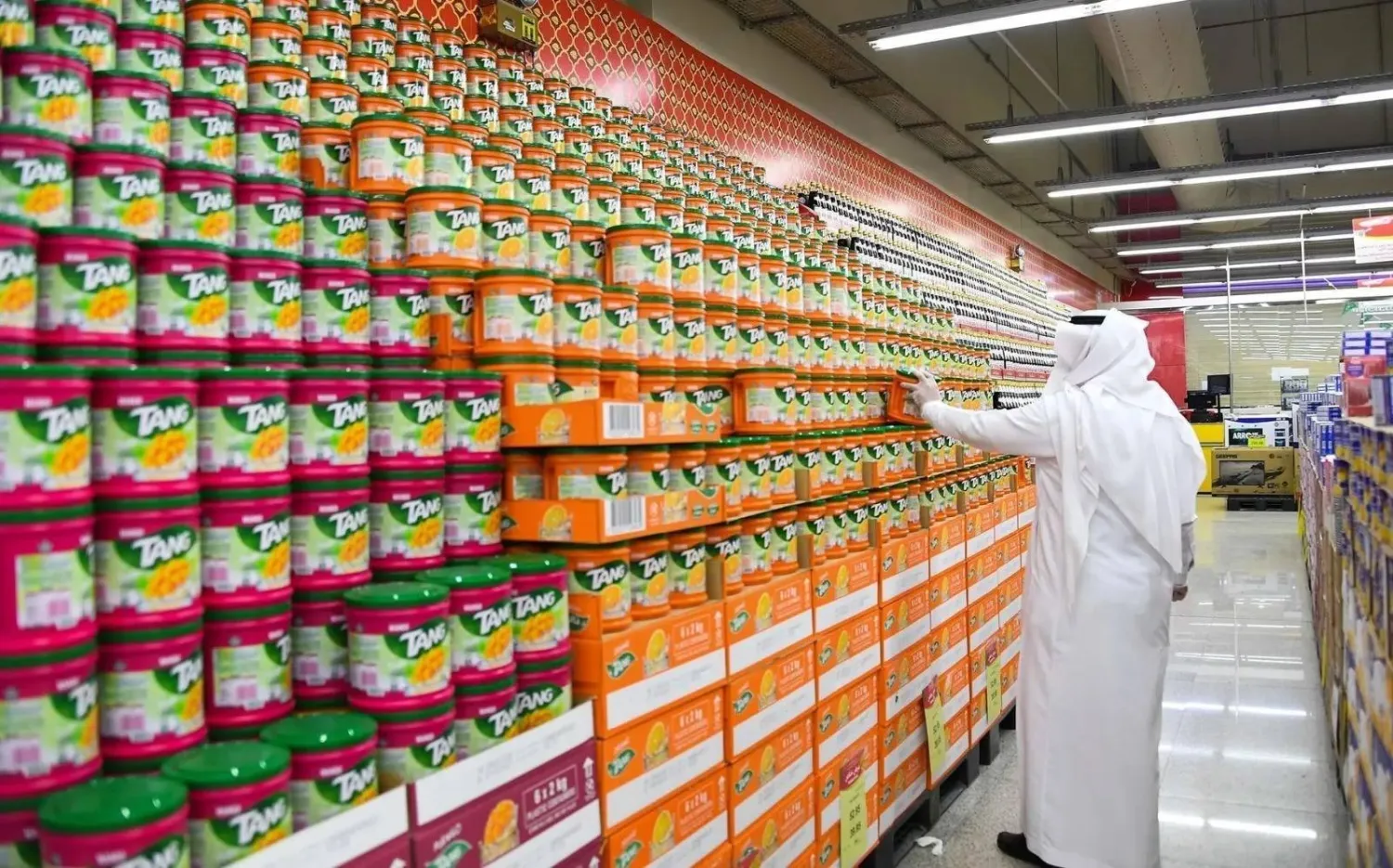
Food and beverage prices, which carry considerable weight in the consumer basket, increased 1.1%, while information and communication prices rose 0.5%.
Conversely, prices for furnishings, household equipment and routine household maintenance declined 0.5%, while clothing and footwear prices fell 0.2%.
The personal care, social protection and miscellaneous goods and services category recorded a 0.6% decrease.
Monthly Comparison
On a monthly basis, the overall CPI increased 0.1%, with housing, water, electricity, gas and other fuels rising 0.2%, driven by a 0.4% increase in actual housing rents.
Food and beverage prices also rose 0.2%, while insurance and financial services increased 1.5%.
Although these figures point to an improving inflation outlook, housing costs and rents remain the most significant challenge for household budgets amid persistent cost-of-living pressures.
This raises questions about how far easing inflation is translating into stronger purchasing power and an improved quality of life.
Trade Disruptions
Saudi Arabia's annual inflation rate slowed to 1.7% in October from 1.9% in September, even as global economies continued to face mounting pressure from geopolitical tensions and disruptions to trade and supply chains.
According to financial and economic adviser Hussein Al-Attas, the slowdown reflects a combination of domestic factors that have supported price stability.
Foremost among them is the Saudi riyal's peg to the US dollar, which provides relative protection against fluctuations in import prices, alongside moderate essential commodity prices, efficient supply chains and diversified import sources.
Speaking to Asharq Al-Awsat, Al-Attas said stable monetary and exchange rate policies, together with government and regulatory measures, had helped limit the transmission of external inflationary pressures to the domestic market.
He noted that food and beverage inflation slowed to 1.1% in October from 1.4% in September, while the increase in housing costs moderated to 3.5%.
Both developments helped ease the overall inflation rate, although residential rents remained a major source of upward pressure on prices.
While October's figures indicate that inflation remains contained at moderate levels, its trajectory in the coming months will depend on domestic demand, housing costs and imported goods prices.
Al-Attas expects inflation to remain relatively moderate through the end of the year, although limited fluctuations could occur as economic activity and major projects expand.
He also warned of risks associated with rising shipping and insurance costs.
Purchasing Power
Economic analyst Ahmed Al-Shehri said the decline in Saudi Arabia's inflation rate to 1.7% in October was a positive indicator of economic stability and the country's ability to contain price pressures, particularly amid global uncertainty and geopolitical and trade challenges.
Speaking to Asharq Al-Awsat, he stressed that what mattered more than the decline in the inflation rate itself was whether that stability translated into tangible improvements in the daily lives, purchasing power and household spending of citizens and residents.
Al-Shehri identified housing costs and rents as the most pressing challenge requiring greater attention.
He explained that continued increases in these expenses meant a substantial proportion of households still faced financial pressure, even as overall inflation slowed.
Consumers, he said, do not assess economic conditions solely through indicators and percentages, but through what they pay each month for housing, food, transportation and essential services.
Controlling living costs should therefore be a priority alongside maintaining overall price stability.
Economic Stability
Al-Shehri said the next phase should focus on leveraging relatively stable inflation to strengthen purchasing power, continuing efforts to address the factors driving rent increases, and improving the efficiency of markets and supply chains.
He emphasized that economic success should not be measured solely by a lower inflation rate, but by the extent to which people experience its benefits in their everyday lives.
Genuine economic stability, he said, is reflected in a better quality of life, greater household confidence in the future and an improved ability to plan and save.