


Russian Fines Google $78 mln for Ignoring Previous Penalties

The logo for Google is seen at a Google store in Manhattan, New York City, US, November 17, 2021. REUTERS/Andrew Kelly
TT

Russian Fines Google $78 mln for Ignoring Previous Penalties

The logo for Google is seen at a Google store in Manhattan, New York City, US, November 17, 2021. REUTERS/Andrew Kelly

A Russian court fined Alphabet's Google 8 billion roubles ($77.9 million) on Tuesday for not complying with previous penalty orders, the Moscow courts press service said on Telegram.

Russia has for several years ordered foreign technology platforms to remove content it deems illegal, issuing small but persistent fines when it sees failures to comply. Tuesday's fine marked a significant increase on fines of around 4 million roubles that are usually levied.

The Chertanovo District Court in Moscow said Tuesday's fine had been issued for Google's failure to comply with an administrative punishment. It did not specify which administrative offence the fine was in relation too, Reuters reported.

YouTube has drawn particular ire for hosting content Moscow objects to. The video platform used to attract around 50 million daily users in Russia, but those numbers have dropped to around 12 million, according to Google data.

Critics accuse the Russian authorities of

deliberately disrupting

YouTube's download speeds to prevent Russians from viewing content there that is opposed to President Vladimir Putin and his government.

Russia denies that, saying the issues are caused by Google's failure to upgrade equipment - a charge disputed by the company and technology experts.

Putin in December accused Google of being a tool used by the US government to score political points.

Ericsson Lags Profit Expectations as AI Demand Drives Up Chip Costs

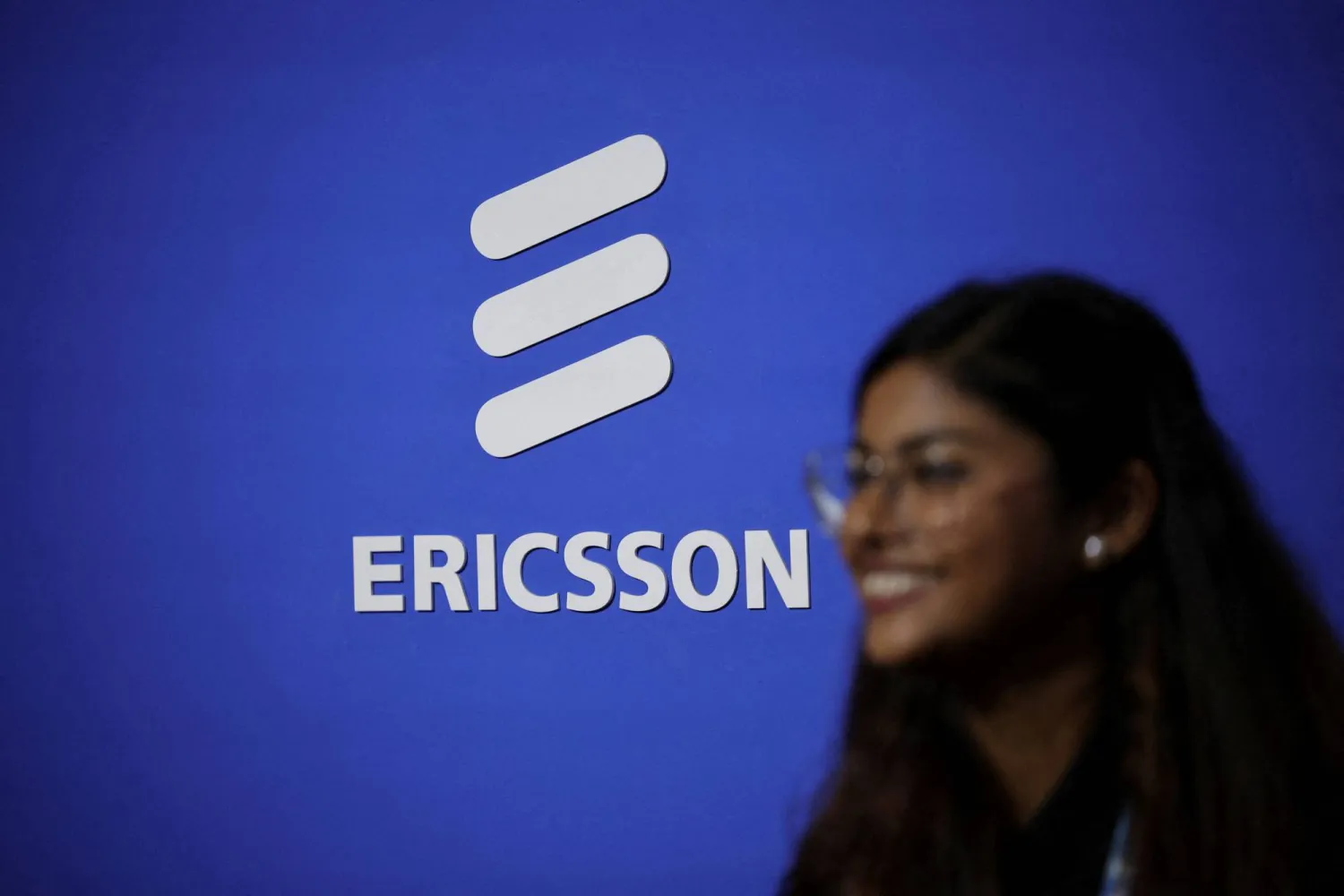
FILE PHOTO: A woman walks across the logo of Ericsson at the ongoing India Mobile Congress 2025 at Yashobhoomi, a convention and expo center in New Delhi, India, October 8, 2025. REUTERS/Anushree Fadnavis/File Photo
TT

Ericsson Lags Profit Expectations as AI Demand Drives Up Chip Costs

FILE PHOTO: A woman walks across the logo of Ericsson at the ongoing India Mobile Congress 2025 at Yashobhoomi, a convention and expo center in New Delhi, India, October 8, 2025. REUTERS/Anushree Fadnavis/File Photo

Sweden's Ericsson reported a first-quarter core profit that slightly missed market expectations on Friday, citing increasing chip costs caused by artificial intelligence demand and a sales slowdown in North America.

The network equipment maker is facing rising input costs partially due to high demand for AI technology that is driving up prices of semiconductors, CEO Börje Ekholm said in a statement.

"We are working ⁠together with our ⁠suppliers to mitigate this. But also, we will need to work with our customers to share the burden on this," finance chief Lars Sandström added in an interview with Reuters.

The company reported an adjusted operating profit of 5.2 billion Swedish ⁠crowns ($566 million), excluding restructuring charges, for the first quarter of 2026. Analysts polled by Infront were expecting 5.4 billion crowns on average.

Ericsson, one of the main Western suppliers of network equipment alongside Finland's Nokia, is betting heavily on the US market even as transatlantic ties have become strained under President Donald Trump's rule.

The Swedish group has significant exposure to the United States, especially after winning a $14 ⁠billion ⁠deal with operator AT&T in 2023, which could help outweigh slower telecoms investments in other markets.

Sandström said sales in North America fell by a mid-single-digit percentage in the quarter, compared to a strong year-ago period that was boosted by tariff-related demand. Underlying market conditions in the region remain solid, he added.

The group reported quarterly net sales of 49.3 billion crowns, compared with an Infront poll estimate of 50.7 billion crowns.


EU: Google Should Allow Third-party Search Engines Access to Data

FILE PHOTO: Google's logo during the CERAWeek energy conference 2026 in Houston, Texas, US, March 24, 2026. REUTERS/Danielle Villasana/File Photo
TT

EU: Google Should Allow Third-party Search Engines Access to Data

FILE PHOTO: Google's logo during the CERAWeek energy conference 2026 in Houston, Texas, US, March 24, 2026. REUTERS/Danielle Villasana/File Photo

The European Commission has sent preliminary findings to Google on proposed measures to comply with the EU's Digital Markets Act, which would allow third-party search engines to access Google search data, including ⁠that of artificial ⁠intelligence chatbots with search functionalities, the commission said on Thursday.

Interested parties have until May ⁠1 to submit their views on the proposed measures, with a final decision to be made in July.

Google, the world's most popular search engine, was charged in March 2025 with ⁠breaching ⁠the Digital Markets Act. It has made its own proposals to mollify rivals and EU regulators, but rivals have complained the measures were insufficient.


Samsung Asks Court to Block Illegal Strike Activities by Unions

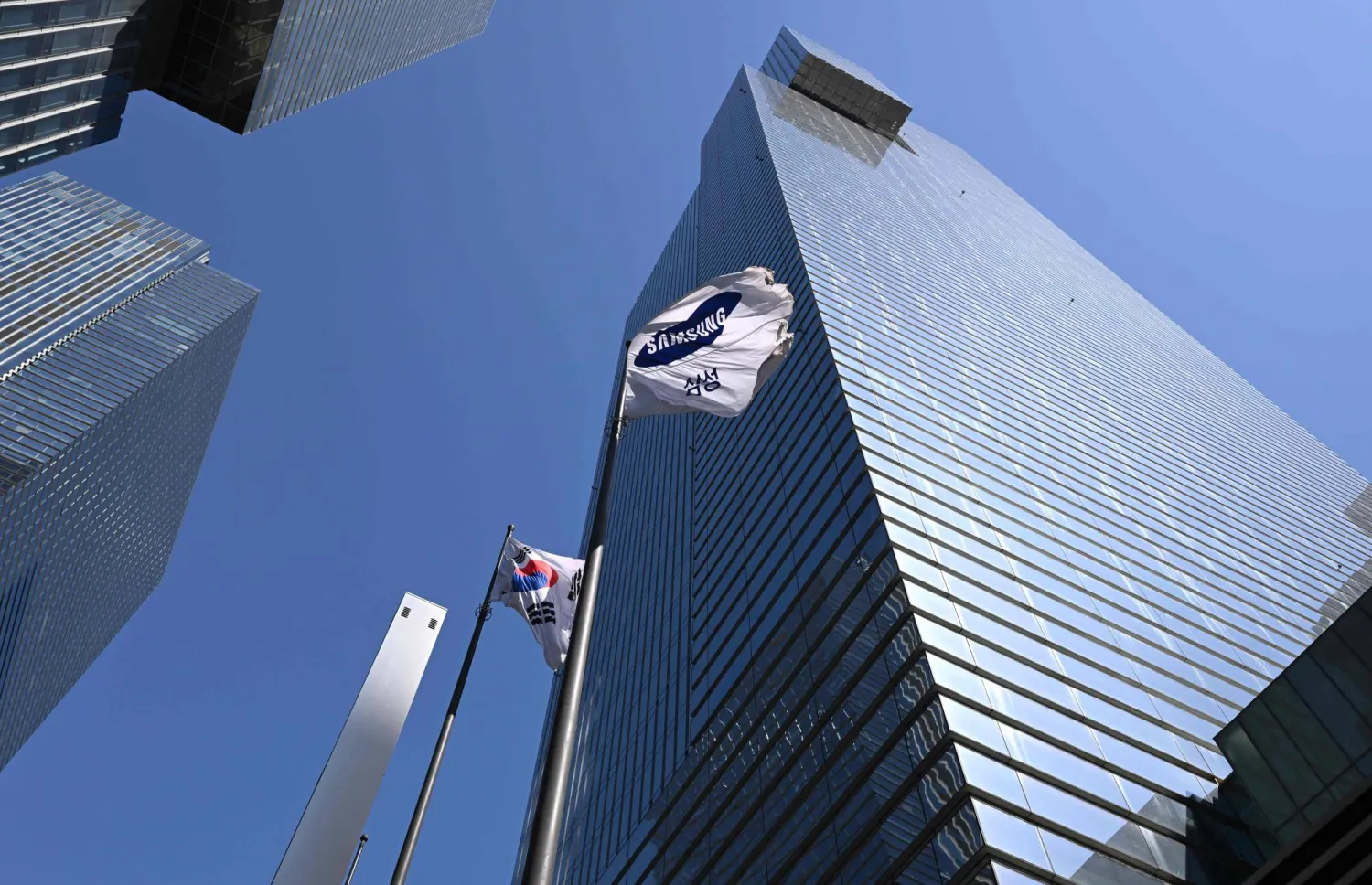
A South Korean national flag (L) and a Samsung flag (R) flutter outside the company's Seocho building in Seoul on April 7, 2026. (Photo by Jung Yeon-je / AFP)
TT

Samsung Asks Court to Block Illegal Strike Activities by Unions

A South Korean national flag (L) and a Samsung flag (R) flutter outside the company's Seocho building in Seoul on April 7, 2026. (Photo by Jung Yeon-je / AFP)

Samsung Electronics asked a court on Thursday to block its South Korean labour unions engaging in illegal activities during a planned strike, a spokesperson said, as a wage dispute threatens to disrupt operations at the world's top memory chipmaker.

Samsung did not elaborate on details of its legal action. Unions labelled it a "declaration of war," accusing the company of infringing on its right to strike, which ⁠is protected under the ⁠law.

Unionized workers at Samsung last month voted to authorize strike plans and threatened to walk out for 18 days from May 21, should they fail to agree on a wage deal with management.

The unions also plan to ⁠hold a major rally on April 23, ramping up pressure on Samsung during wage negotiations.

Samsung workers, frustrated by a pay gap with crosstown rival SK Hynix, are calling on Samsung to remove its performance pay cap and link bonuses to operating profit.

The company estimated it made an operating profit of 57.2 trillion won ($38.85 billion) for the January to March period, more than an eightfold ⁠jump ⁠from 6.69 trillion won a year earlier.

Samsung's union leader told Reuters that a potential strike could affect about half the output at Samsung's giant semiconductor complex in Pyeongtaek, south of Seoul, the capital.

A strike at the world's largest manufacturer of memory chips could worsen bottlenecks in global supply of semiconductors, stemming from robust demand for artificial intelligence data center operations that has curbed supply to industries from cars and computers to smartphones.