


Saudi Arabian Historic Gems under Global Microscope

Al-Ahsa Oasis joined the UNESCO's  World Heritage List
in 2018. (UNESCO).
Al-Ahsa Oasis joined the UNESCO's World Heritage List in 2018. (UNESCO).
TT

Saudi Arabian Historic Gems under Global Microscope

Al-Ahsa Oasis joined the UNESCO's  World Heritage List
in 2018. (UNESCO).
Al-Ahsa Oasis joined the UNESCO's World Heritage List in 2018. (UNESCO).

Riyadh’s embrace of the 45th session of the UNESCO’s World Heritage Committee hosting 3,000 guests from 21 countries, highlights the deep civilizational roots of the Saudi heritage sites.The kingdom boasts six sites enlisted on the World Heritage List, three out of which will be visited by the committee’s representatives. The list is expected to include further sites that reflect the richness of the Saudi culture and heritage in different regions. During its meeting in Riyadh, the committee has studied proposals to add 50 new sites from around the world on its World Heritage List, which already features 1,157 sites in 167 countries.

Six History-rich Heritage Sites

The six Saudi sites featured on the UNESCO’s World Heritage List shed lights on the kingdom’s rich legacy consisting of many historic events and civilizations with esteemed history.

Al-Hijr Valley overlooks 153 stone structures

Wadi Al-Hijr or Al-Hijr Valley was the first Saudi site to join the World Heritage List. Located in northwestern Saudi Arabia, it overlooks 153 sculpted stone structures, Islamic antiquities, fortresses, and the remnants of the Hejaz Railway, which all witness on the different historic eras that Al-Hijr saw, and highlight its strategic location on the route connecting the south of the Arabian Peninsula to Mesopotamia, the Levant, and Egypt.The valley was one of the most prominent centers of the Nabatean Kingdom, which ruled the region until the 4th century AD, and the largest southern Nabatean settlement after Jordan’s Petra. The valley was also the capital of the Lihyanite Kingdom in the north of the Arabian Peninsula.In 2008, the site was the first Saudi site added on the UNESCO’s World Heritage List.

At-Turaif District ... cornerstone in the establishment of Saudi Arabia

Standing proudly in the heart of Diriyah, At-Turaif District is described as a historic gem whose mud walls reflect a bright history. It was the base of the First Saudi State, and the starting point of the country’s unification and the kingdom’s foundation.Surrounded by Wadi Hanifa, one of the most famed valleys in the Arabian Peninsula, At-Turaif District was established in the 15th century. It’s known for its unique Najdi architecture, and was the capital of the First Saudi State and a hub for trade and education.The district has maintained its unique architectural style boasting sturdy buildings and fortresses made of mud and palm branches that survived over the years. It has recently opened its doors as a tourism destination that takes visitors in a trip back to the early moments of the prospering Saudi entity.The historic district embraces the Salwa palace, extending over an area of 10,000 sqm, a historic landmark and a residence of the Al Saud princes and kings. Its name was inspired by its diverse functions, the palace was not only a residence, but also a center of entertainment for its old and current inhabitants.

Al-Balad, Jeddah... Window on the sea, history

Overlooking the Red Sea, the coastal city of Jeddah tells the story of a community with many experiences that cumulated over the years in Al-Balad area, also known as Historic Jeddah, which boasts unique architectural features and ancient houses that captivate visitors flocking from eight gates that each has its own significance and stories.Hundreds-year-old alleys, houses, and khans have formed the historic area from which the contemporary Jeddah has emerged, the charming city on the Red Sea coast that has become one of the brightest Arabic modern cities. The historic city, combined with the promising future and the spirit of great history, make the story of Jeddah, a historic center of Muslims since 647 AD.

Stone art in Hail

The sites of Jubbah, Rata and Al-Manjur in Hail, famed for exceptional stone engravings on their mountains, which dates back to more than 10,000 years BC, have joined the World Heritage List in 2015.Stone engravings can be seen everywhere on the mountains of Umm Senman, Rata and Al-Manjur area. The illustrations, dating back to prehistory, mostly the modern stone age (14,000 years before history) depict people and animals.

Al-Ahsa Oasis... Green Gem

Surrounded by over two million trees, Al-Ahsa Oasis enjoys a natural beauty and historic glare that have made it one of the largest palm oases in the world, and a historic and cultural witness on the ancient human in the Arabian Peninsula, how they adapted to the local environmental conditions and used the available tools to ensure a sustainable life.Located in eastern Saudi Arabia, the oasis includes historic sites, green parks, conventional irrigation channels and fresh water wells. It also features Al-Asfar Lake, the largest water compound in the Gulf region, where lives a complete fungi ecosystem.Alongside the unique natural landscapes, the oasis has many historic buildings and sites that reflect the history and cultural structure of the place, and shed lights on the human settlement in the Gulf region since the modern stone age. This unique cultural and natural landscape is an exceptional model on the interaction between human beings and their surrounding environment.

The Bir Hima Cultural Region ...largest stone art complex

The historic Bir Hima region in Najran, southern Saudi Arabia, is the sixth and last Saudi site that joined the UNESCO’s World Heritage List. It includes over 34 locations of stone engravings and wells that stretch along the route that convoys used to cross from the south to the north of the Arabian Peninsula.The 557-sqm art stone area in Bir Hima features 550 stone art structures with hundreds of thousands of engravings depicting hunting, animals, plants, and the lifestyles of a culture that spanned over 7,000 years.

Sites on the waiting list

In 2015, the UNESCO has added ten Saudi sites to its tentative list, a first step on the way to the World Heritage List, including Al-Ahsa Oasis, which was later upgraded to a World Heritage Site in 2018.Other Saudi sites are expected to join the list given their historic significance, such as the Damascene and Egyptian pilgrimage route, the Zubaydah Trail, the Hejaz Railway, and Qaryat Al Faw.

Hegra Highlights Status as Saudi Arabia’s First UNESCO World Heritage Site

Hegra Highlights Status as Saudi Arabia’s First UNESCO World Heritage Site
TT

Hegra Highlights Status as Saudi Arabia’s First UNESCO World Heritage Site

Hegra Highlights Status as Saudi Arabia’s First UNESCO World Heritage Site

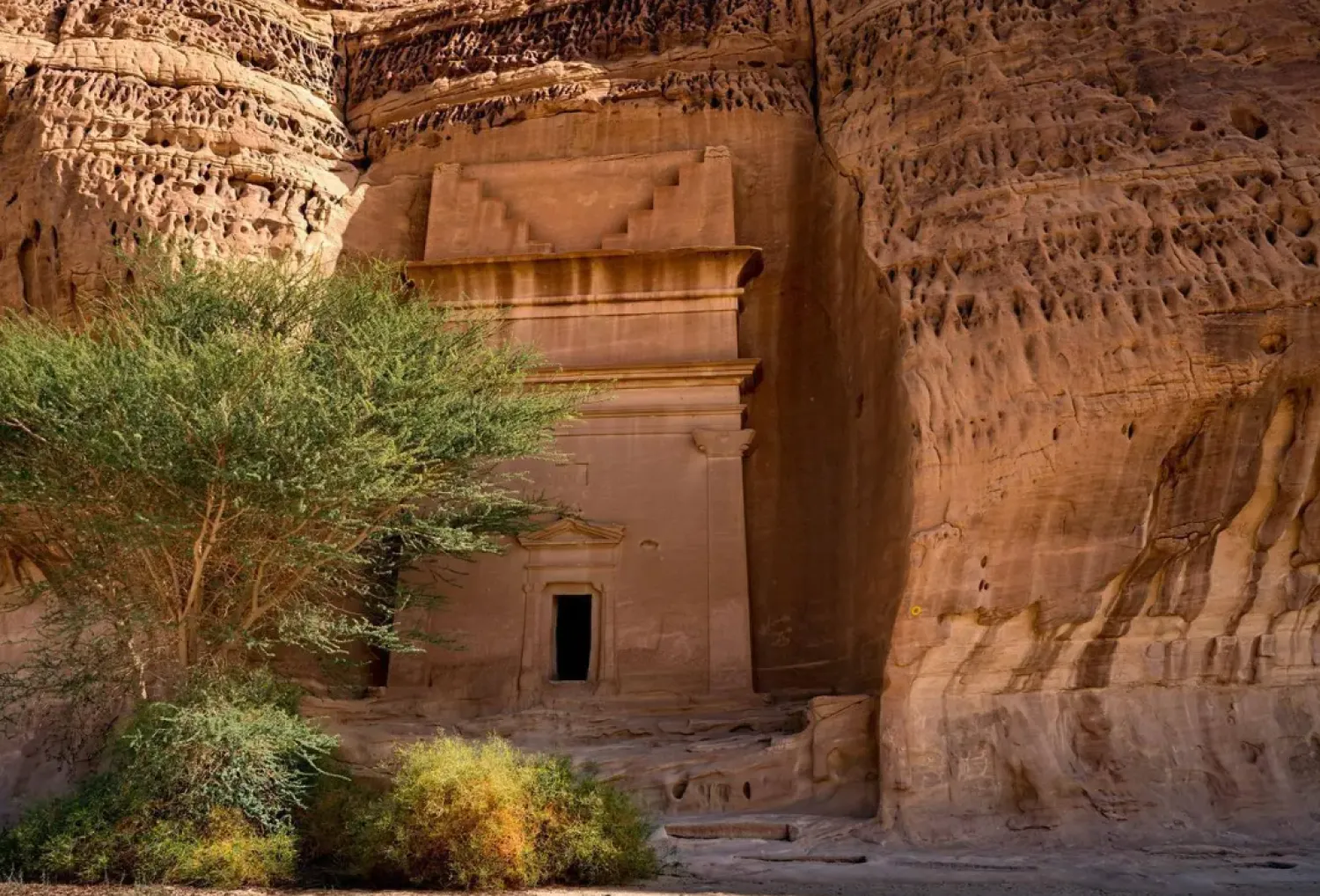
The Kingdom of Saudi Arabia, a land that has witnessed successive civilizations whose traces remain across its regions, is home to AlUla Governorate, where the Hegra Archaeological Site stands as part of this rich human heritage.

It was the first Saudi site inscribed on the UNESCO World Heritage List, a testament to Saudi Arabia’s deep civilizational heritage and its commitment to preserving and safeguarding it for future generations.

As Saudi Arabia celebrates Saudi National Day, Hegra evokes part of the history of the Arabian Peninsula and the civilizational and cultural exchanges that took place across the region through the ages, according to SPA.

The Hegra Archaeological Site was inscribed on the UNESCO World Heritage List in 2008, becoming the first Saudi site to be added to the list, in an achievement that reflects its exceptional historical and civilizational significance. The site contains archaeological remains and carved rock facades that showcase the Nabataeans’ engineering and sculptural expertise.

Saudi Arabia, represented by the Royal Commission for AlUla (RCU), pays particular attention to the Hegra Archaeological Site through comprehensive efforts to preserve the site and safeguard its archaeological and historical components.

These conservation efforts are complemented by archaeological studies, surveys, and research conducted by the RCU in cooperation with experts and academic institutions.

Hegra remains one of the Kingdom’s most prominent heritage sites and a destination for visitors and researchers from around the world.


Tyre’s Ruins Survived the Strikes. Now Divers are Finding their Way Back Underwater

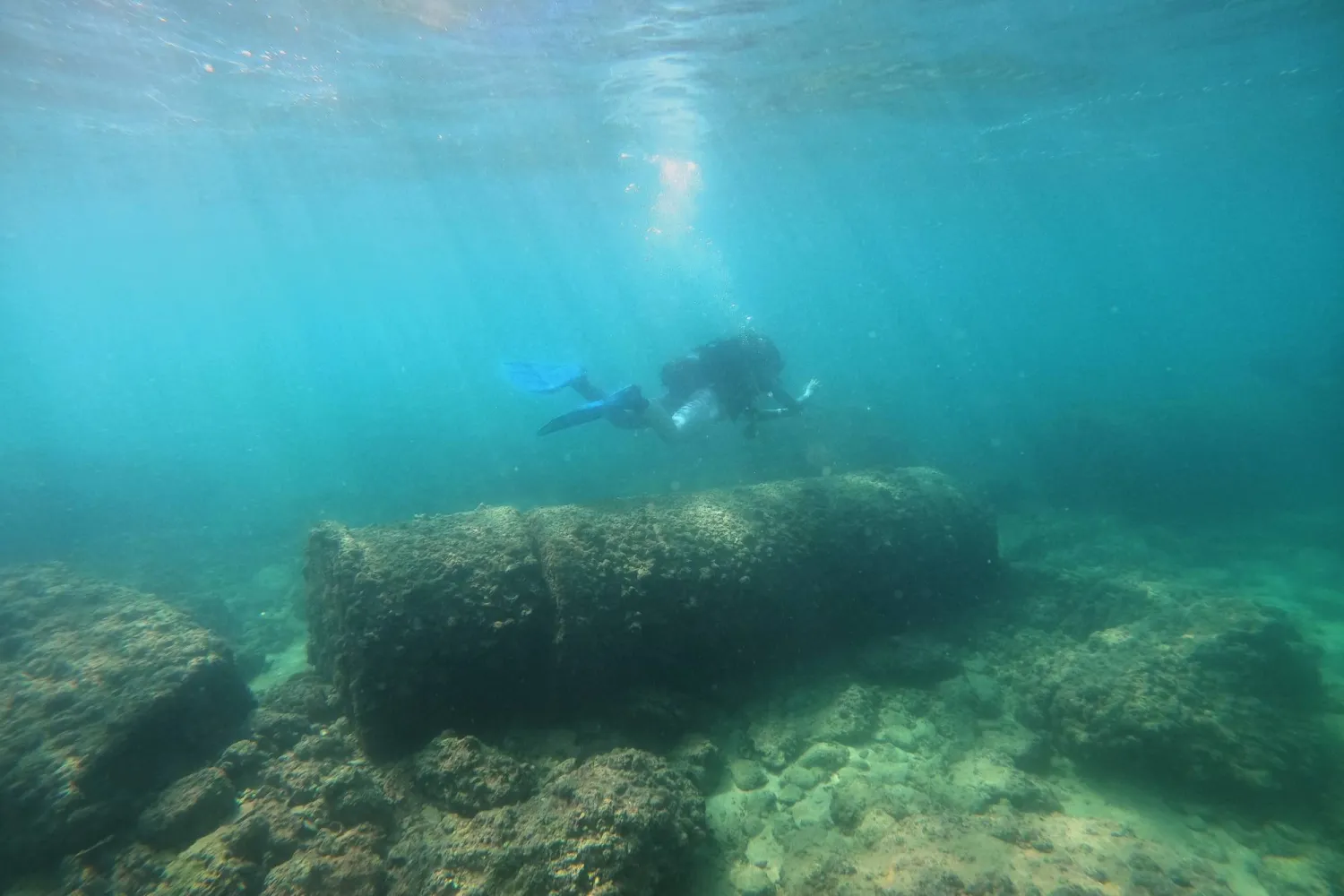
A diver passes above Roman-era columns at an archaeological site near the coast in the southern port city of Tyre, Lebanon, Thursday, Sept. 17, 2026. (AP Photo/Bilal Hussein)
TT

Tyre’s Ruins Survived the Strikes. Now Divers are Finding their Way Back Underwater

A diver passes above Roman-era columns at an archaeological site near the coast in the southern port city of Tyre, Lebanon, Thursday, Sept. 17, 2026. (AP Photo/Bilal Hussein)

Beneath the Mediterranean waters off the southern Lebanese city of Tyre, divers swim past stone walls, ancient structures and a submerged road — remnants of parts of a city that once stood above the water.

With a shaky ceasefire in place after the latest Israel-Hezbollah war, visitors are returning to Tyre, a city known for its Roman ruins and its much older Phoenician history. Diving operators say interest in the underwater archaeological sites is increasing, though the number of visitors remains below prewar levels, The Associated Press said.

“The diving season is not like it used to be before, but the number of people coming to dive to see the ruins is increasing day by day,” said Yousef al-Jundi, manager of the Lebanon Diving Center.

The remains underwater are part of Tyre’s wider archaeological landscape. UNESCO says substantial archaeological remains of the ancient city are submerged, while underwater archaeological research has documented walls, harbor structures and other remains along the former island and coastline.

“This is the identity of this city, which tells us how old this city is and what its history is,” al-Jundi said. He said the underwater sites attract divers from around the world who want to see what is commonly described as Tyre’s “sunken city.”

Tyre was one of the major Phoenician maritime cities of antiquity, with trading networks that extended across the Mediterranean. The city was also famous for its purple dye and later became an important Greek and Roman center. Its archaeological remains were added to UNESCO’s World Heritage List in 1984.

The war raised concerns over the preservation of those remains, both on land and underwater.

“We were worried about the archaeological sites on land, which were affected by the war and the strikes, but at the same time we were also worried about the archaeological sites underwater, but thank God they were not affected,” al-Jundi said.

Before the ceasefire in late June, Tyre came under intense Israeli airstrikes, with neighborhoods in the coastal city heavily damaged during the fighting. UNESCO’s World Heritage Committee placed Tyre on its List of World Heritage in Danger in July 2026, citing the threat and damage caused by the ongoing hostilities.

Ali Badawi of Lebanon’s Directorate General of Antiquities said protecting the underwater sites remains a challenge.

“They’re not very well protected," Badawi said, adding that “encroachments” sometimes happen. “But we are trying very hard through surveys and research that we’re conducting, and we’re trying to develop laws to ensure their safety in the future.”

Badawi said the authorities also want to expand research and investment in underwater tourism, including the creation of underwater archaeological parks that would allow more visitors to see the sites.

The effort comes as Tyre seeks to rebuild its tourism sector after the war, while preserving archaeological remains that reflect thousands of years of the city’s history.


Historic Linah Marks Saudi National Day with Heritage Events, International Performances

Linah is one of the most prominent historical sites in northern Saudi Arabia - SPA
TT

Historic Linah Marks Saudi National Day with Heritage Events, International Performances

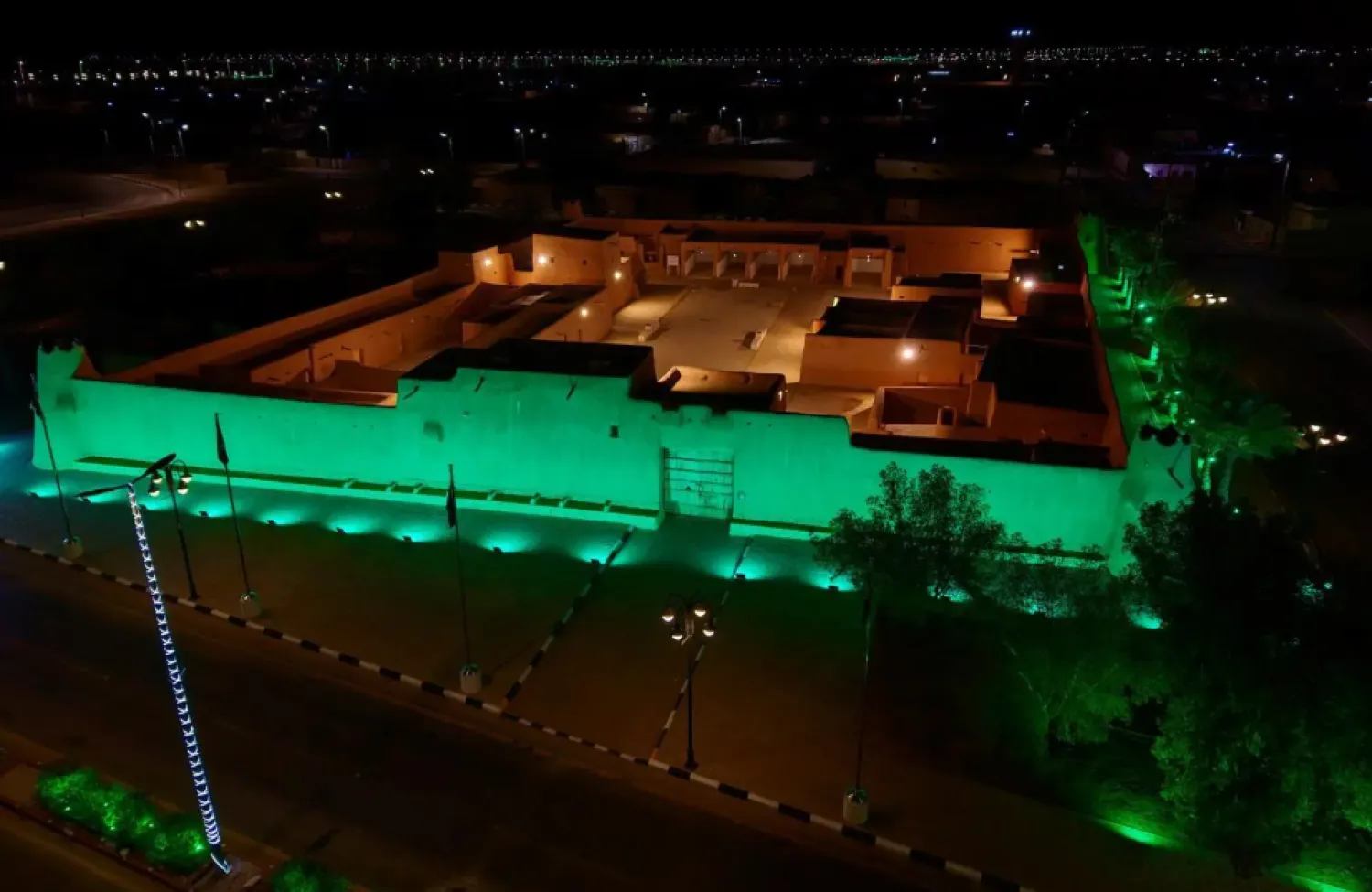
Linah is one of the most prominent historical sites in northern Saudi Arabia - SPA

Historic Linah, located south of Rafha in Northern Borders Region, will celebrate Saudi National Day with a series of national and heritage events at the Historic Linah Market.

The program features performances by local and international artistic groups, along with a variety of artistic segments, solo musical performances, and equestrian and camel-riding displays, SPA reported.

The festivities will also include puppet shows, children’s competitions, and a musical evening showcasing traditional songs.

The Historic Linah Municipality has completed preparations across sites, parks, and roads, decorating streets with national flags and festive lighting to welcome visitors and create a celebratory atmosphere that reflects national pride.

Linah is one of the most prominent historical sites in northern Saudi Arabia.

Once a key stop along ancient caravan routes, the town’s historic palaces and market continue to stand as enduring witnesses to the region’s collective memory.