




National Geographic, in partnership with the Royal Commission for AlUla (RCU), announced it will premiere a new documentary titled “Lost Treasures of Arabia: The Nabataean Kingdom” on August 27 at 9 pm Saudi Arabia time.
An Arabic version will air on National Geographic Abu Dhabi on August 28 at 8 pm, followed by streaming on Disney+ starting August 29.
The film is the second production under the three-year collaboration between RCU and National Geographic, following a documentary on the Kingdom of Dadan.
“Lost Treasures of Arabia: The Nabataean Kingdom” highlights the Nabataean civilization, which flourished in northwest Arabia during the reign of King Aretas IV (1st century BC to 1st century AD).
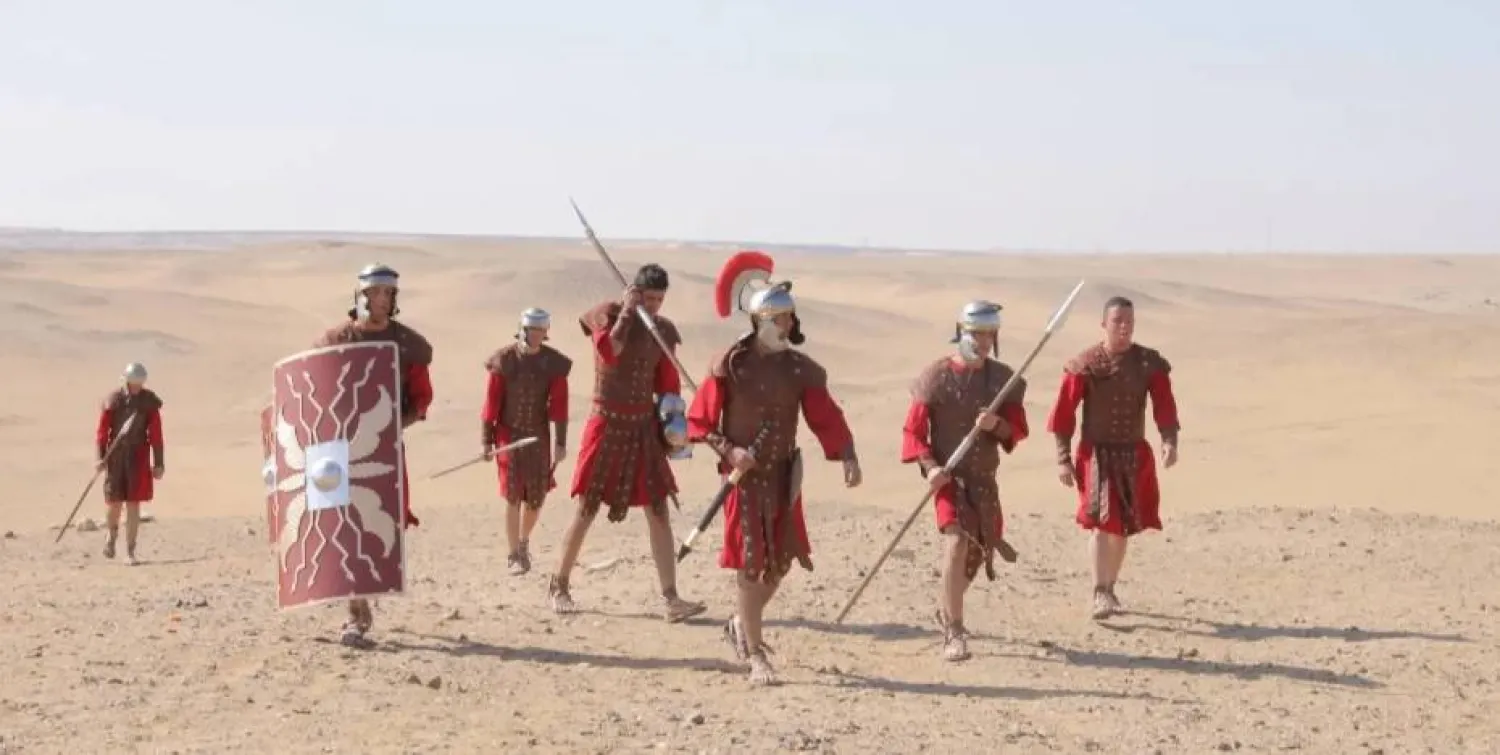
It features live re-enactments, archaeological testimonies, and research led by RCU experts at Hegra, Saudi Arabia’s first UNESCO World Heritage Site.
The documentary explores Nabataean achievements in trade, strategic positioning, and advanced water management systems, including carved rainwater channels, reservoirs, dams, and Petra’s seven-kilometer pipeline network.
It also examines the role of women in Nabataean society through RCU’s “Recreating the Face of Hinat” project, which reconstructed the likeness of a wealthy Nabataean woman from Hegra, an unprecedented scientific achievement that brings viewers face-to-face with a person who lived over 2,000 years ago.
The film concludes by presenting various theories on the decline of the Nabataean Kingdom.
One theory says the Romans’ development of boats eclipsed the dominance of Nabataeans and their control of the overland trade routes known as the Incense Road.
Another theory, backed by Daifallah Altalhi, professor emeritus of archaeology at the University of Hail, says that conflict between the Persian and Roman empires spilled over into the Nabataeans trade routes.
Altalhi said mystery has endured in part because the Nabataeans left few written records. However, he added, an excavation campaign across AlUla is gradually extending researchers’ knowledge of this ancient empire.


