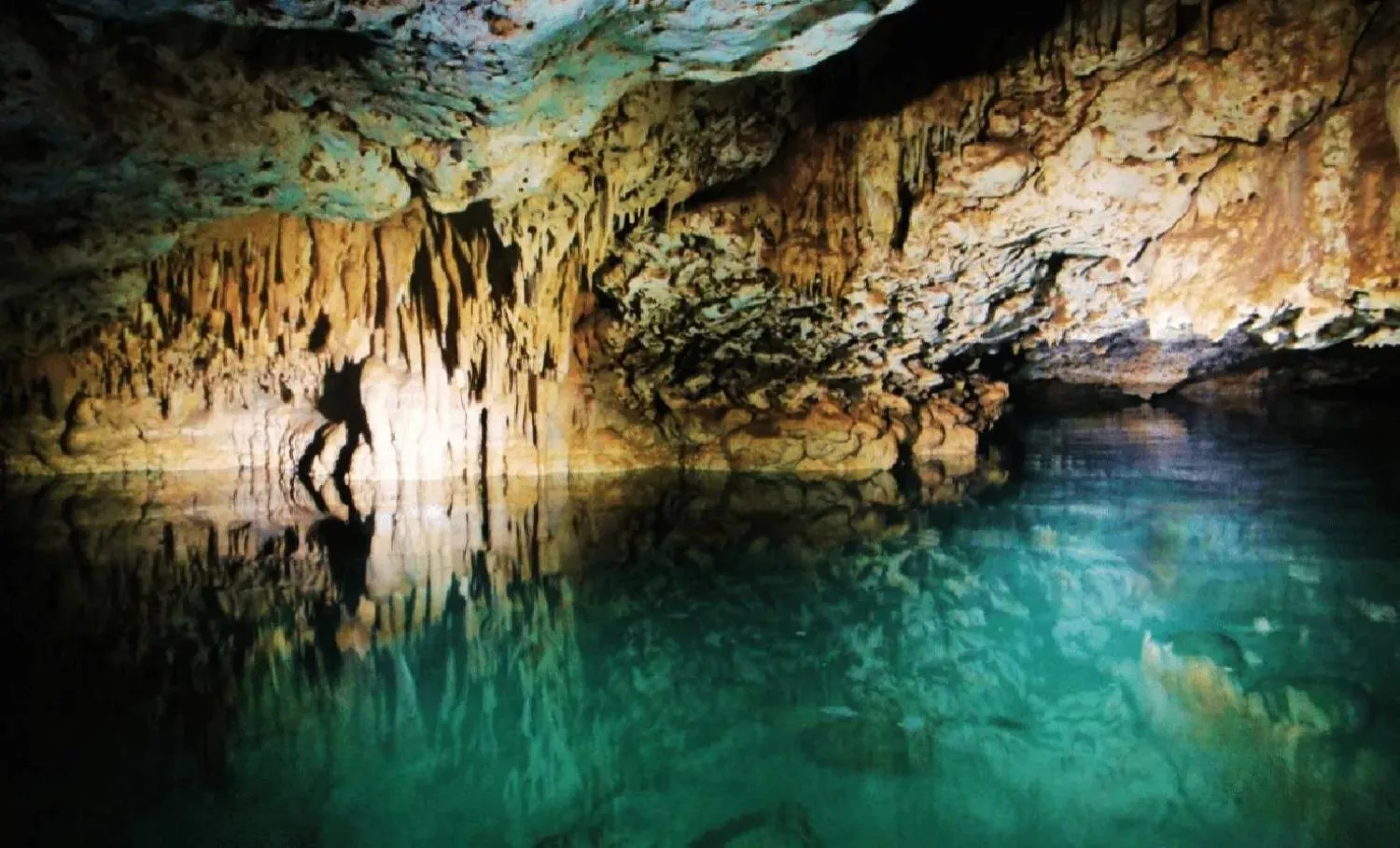

Geologists have unearthed the world’s oldest known water, hidden deep beneath the surface of a Canadian mine for around 2.64 billion years.
The find, which was detailed in a 2016 study published in Nature, has profound implications not only for understanding the planet’s history but also for the possibility of life on other planets.
Within the depths of a Canadian mine nearly 3-kilometers below the Earth’s surface, geologists stumbled upon an unexpected and extraordinary find: a pocket of water believed to be over 2.6 billion years old.
What they found was a water source that had been sealed within the rock for nearly the entire span of Earth’s existence, offering researchers a unique opportunity to study a pristine, untouched ecosystem.
The sheer volume of the water was unexpected, defying initial assumptions and opening new avenues for scientific exploration.
What makes this discovery even more significant is the evidence of life that the water contained. Scientists analyzed the water for traces of sulfate and hydrogen, chemicals that provide clues to the presence of microbial life from ancient times.
The traces found in the water indicate that microorganisms once thrived in this environment, even in the absence of sunlight.
The water’s chemical composition also raised intriguing questions about the Earth’s geological processes.
Researchers discovered that the sulfate found in the water was not modern sulfate that had flowed down from surface waters but rather sulfate produced by a reaction between the water and rock.
Long Li, an assistant professor at the University of Alberta, explained the significance of the finding. “The sulfate in this ancient water is not modern sulfate from surface water flowing down. What we’ve found is that the sulfate, like the hydrogen, is actually produced in place by reaction between the water and rock,” he said. “What this means is that the reaction will occur naturally and can persist for as long as the water and rock are in contact, potentially billions of years.”
Perhaps the most astonishing moment of this discovery came when Professor Sherwood Lollar took the unprecedented step of tasting the ancient water.
While not typical in scientific studies, Lollar’s decision to taste the water was motivated by a desire to understand its unique properties.
“If you’re a geologist who works with rocks, you’ve probably licked a lot of rocks,” she told CNN.
She noted that she was looking for a salty taste, as saltier water tends to be older, and to her surprise, the ancient liquid was “very salty and bitter,” much saltier than seawater.
The saltiness and bitterness of the water confirmed that it had been isolated for an incredibly long time, allowing for the accumulation of minerals and other substances that contributed to its distinct taste. Lollar’s tasting of the water further emphasized the extraordinary nature of this find.