


ICAN: Nuclear States Spent $100 Billion on Weapons in 2024

(FILES) A worker dismantles loudspeakers that were set up for propaganda broadcasts near the demilitarized zone separating the two Koreas in Paju on May 1, 2018. (Photo by KIM HONG-JI / AFP)
TT

ICAN: Nuclear States Spent $100 Billion on Weapons in 2024

(FILES) A worker dismantles loudspeakers that were set up for propaganda broadcasts near the demilitarized zone separating the two Koreas in Paju on May 1, 2018. (Photo by KIM HONG-JI / AFP)

Nuclear-armed states spent more than $100 billion on their atomic arsenals last year, the International Campaign to Abolish Nuclear Weapons said Friday, lamenting the lack of democratic oversight of such spending.

ICAN said Britain, China, France, India, Israel, North Korea, Pakistan, Russia and the United States together spent nearly $10 billion more than in 2023.

The United States spent $56.8 billion in 2024, followed by China at $12.5 billion and Britain at $10.4 billion, ICAN said in its flagship annual report, according to AFP.

Geneva-based ICAN won the 2017 Nobel Peace Prize for its key role in drafting the Treaty on the Prohibition of Nuclear Weapons, which took effect in 2021.

Some 69 countries have ratified it to date, four more have directly acceded to the treaty and another 25 have signed it, although none of the nuclear weapons states have come on board.

This year's report looked at the costs incurred by the countries that host other states' nuclear weapons.

It said such costs are largely unknown to citizens and legislators alike, thereby avoiding democratic scrutiny.

Although not officially confirmed, the report said Belgium, Germany, Italy, the Netherlands and Türkiye were hosting US nuclear weapons, citing experts.

Meanwhile Russia claims it has nuclear weapons stationed in Belarus, but some experts are unsure, it added.

The report said there was "little public information" about the costs associated with hosting US nuclear weapons in NATO European countries, citing the cost of facility security, nuclear-capable aircraft and preparation to use such weapons.

"Each NATO nuclear-sharing arrangement is governed by secret agreements," the report said.

"It's an affront to democracy that citizens and lawmakers are not allowed to know that nuclear weapons from other countries are based on their soil or how much of their taxes is being spent on them," said the report's co-author Alicia Sanders-Zakre.

Eight countries openly possess nuclear weapons: the United States, Russia, Britain, France, China, India, Pakistan and North Korea.

Israel is widely assumed to have nuclear weapons, although it has never officially acknowledged this.

ICAN said the level of nuclear weapons spending in 2024 by these nine nations could have paid the UN budget almost 28 times over.

"The problem of nuclear weapons is one that can be solved, and doing so means understanding the vested interests fiercely defending the option for nine countries to indiscriminately murder civilians," said ICAN's program coordinator Susi Snyder.

The private sector earned at least $42.5 billion from their nuclear weapons contracts in 2024 alone, the report said.

There are at least $463 billion in ongoing nuclear weapons contracts, some of which do not expire for decades, and last year, at least $20 billion in new nuclear weapon contracts were awarded, it added.



NATO: Ukraine Still Receiving Arms Despite Mideast War

NATO Secretary General Mark Rutte via Reuters/File
TT

NATO: Ukraine Still Receiving Arms Despite Mideast War

NATO Secretary General Mark Rutte via Reuters/File

Ukraine is still getting essential defense equipment despite the war in the Middle East, which is depleting stockpiles in Europe and the United States, NATO Secretary General Mark Rutte said Thursday.

"The good news is that essential equipment into Ukraine continues to flow," he told reporters. That included American-made Patriot missile interceptors, which Ukraine desperately needs, he added, AFP reported.

The PURL program, launched last year, allows Ukraine to receive US equipment financed by European countries.

Some 75 percent of the missiles used by Patriot batteries in Ukraine have been supplied through the program, and 90 percent of the munitions used by other air-defense systems, Rutte added.

Rutte called on European countries to increase their own production capacity.

"They need to produce more extra production lines, extra shifts, opening new factories. The money is there," he said.


Germany FM Says 'Encouraging' if US Speaking Directly to Iran

German Foreign Minister Johann Wadephul. (Reuters: File Photo)
TT

Germany FM Says 'Encouraging' if US Speaking Directly to Iran

German Foreign Minister Johann Wadephul. (Reuters: File Photo)

Germany's foreign minister Thursday said it was encouraging if the United States was talking directly to Iran to end the war in the Middle East, but Washington should make its intentions clear.

"I hear that there are signs that the US is speaking directly to Iran. I think that this is encouraging and this is welcome," Johann Wadephul told reporters before heading into the meeting of G7 foreign ministers outside Paris, AFP reported.

With US Secretary of State Marco Rubio set to join the discussions from Friday, he added: "For the German government it is of great importance to know precisely what our American partners are intending."


US Envoy Witkoff Says Iran is Seeking an Off-ramp

US Special Envoy Steve Witkoff speaks during a cabinet meeting at the White House in Washington, DC, US, March 26, 2026. REUTERS/Evelyn Hockstein
TT

US Envoy Witkoff Says Iran is Seeking an Off-ramp

US Special Envoy Steve Witkoff speaks during a cabinet meeting at the White House in Washington, DC, US, March 26, 2026. REUTERS/Evelyn Hockstein

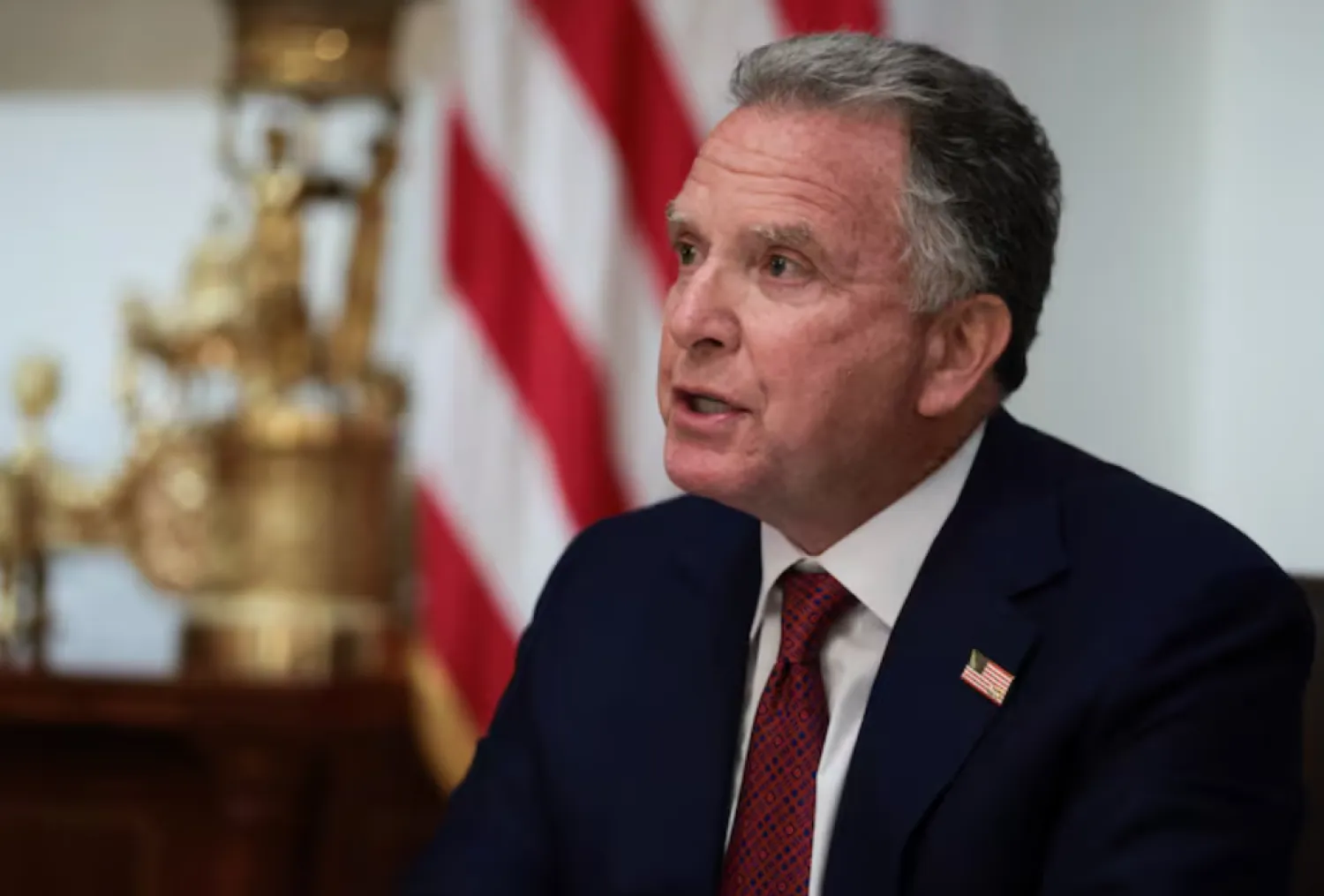
The United States has sent Iran a "15-point action list" as a basis for negotiations to end the current conflict, US Special Envoy Steve Witkoff said on Thursday, adding that there are signs that Tehran was interested in making a deal.


Witkoff, speaking during a cabinet meeting at the White House, said that the nascent talks could be successful if the Iranians realize there were no good alternatives - a realization Tehran might be coming to, he argued, Reuters reported.


"We will see where things lead, and if we can convince Iran that this is the inflection point with no good alternatives for them other than more death and destruction," Witkoff told reporters.


"We have strong signs that this is a possibility."


Witkoff said Pakistan had been acting as a mediator, confirming statements from Pakistani officials.