
Dutch and German intelligence agencies have gathered evidence of widespread Russian use of banned chemical weapons in Ukraine, including dropping a choking agent from drones to drive soldiers out of trenches so they can be shot, they said on Friday.
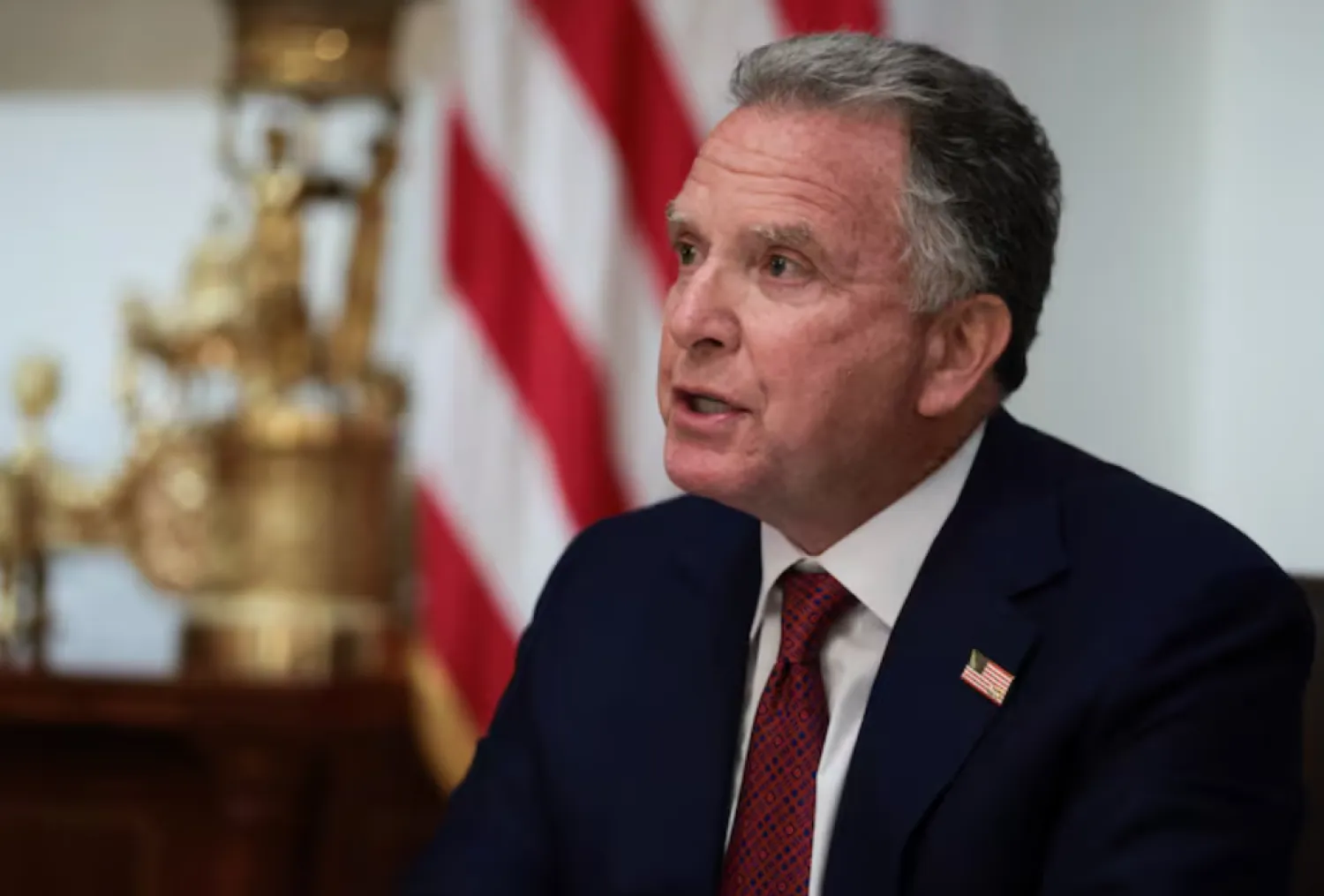
Dutch Defense Minister Ruben Brekelmans called for tougher sanctions against Moscow.
"The main conclusion is that we can confirm Russia is intensifying its use of chemical weapons," he told Reuters.
"This intensification is concerning because it is part of a trend we have been observing for several years now, where Russia's use of chemical weapons in this war is becoming more normalized, standardized, and widespread."
Germany's BND foreign intelligence agency confirmed the findings, saying in a statement that it had obtained the evidence alongside its Dutch counterparts. Reuters was first to report on the intelligence.
The head of the Dutch Military Intelligence Agency (MIVD), Peter Reesink, said the conclusions followed "our own independent intelligence, so we have observed it ourselves based on our own investigations."
Reuters has not been able to independently verify the use of banned chemical substances by either side in the Ukraine war.
The United States first accused Russia of using chloropicrin, a chemical compound more toxic than riot control agents and first used by Germany during World War One, in May last year.
Ukraine alleges thousands of instances of Russian chemical weapons use.
Russia's defense ministry did not immediately respond to a request to comment for this article. Russia has denied using illegal munitions and it has accused Ukraine of doing so.
Maria Zakharova, spokeswoman for the Russian foreign ministry, said on Wednesday that the Federal Security Service discovered a Ukrainian cache of explosive devices in the east of the country containing chloropicrin.
Ukraine has consistently denied such accusations.
The Organization for the Prohibition of Chemical Weapons (OPCW), a disarmament agency in The Hague with 193 member states, said last year that initial accusations levelled by both countries at each other were "insufficiently substantiated".
It has not been asked to conduct a full investigation, which must be initiated by member states.
At least three Ukrainian deaths have been tied to chemical weapons use, Brekelmans said, while more than 2,500 people injured on the battlefield reported chemical weapons-related symptoms to Ukrainian health authorities.
Increased use of chemical weapons by Russia poses a threat not only to Ukraine but to other countries, Brekelmans added.
"We must further increase the pressure. This means looking at more sanctions and specifically not allowing them (Russia) to participate in international bodies like the Executive Council of the OPCW," he said.
Reesink spoke of "thousands of instances" of chemical weapons use, while also citing a Ukrainian figure of 9,000.
Rotating two-year seats on the OPCW council will be up for negotiation in the coming months.
The intelligence findings were presented in a letter to the Dutch parliament on Friday.
LARGE-SCALE PROGRAM
Russia is a member of the OPCW and, like the United States, has destroyed its declared chemical weapons stockpiles. Increased sanctions could happen in conjunction with the European Commission, which has proposed listing 15 additional new entities and individuals to its sanctions framework, including for suspected use of chemical weapons in Ukraine.
The Dutch military and general intelligence agencies, working with foreign partners, say they have uncovered concrete evidence of intensified Russian chemical weapons production. This includes heightened research capabilities and the recruitment of scientists for chemical weapons development, Reesink said. He added that Russian officials have given instructions to soldiers on the use of poisonous warfare agents.
"This isn't just some ad-hoc tinkering at the frontline; it is truly part of a large-scale program. And that is, of course, also concerning because if we don't clarify and publicize what Russia is doing, it's highly likely these trends will continue," Reesink said.
He called the use of chemical weapons by Russian armed forces "almost standing operating procedure."
"We specifically linked the use of chloropicrin to improvised munitions, such as filled light bulbs and empty bottles that are hung from a drone. When it comes to teargas, we see that they are also misusing and converting existing munitions to act as the carrier for the gas," he said.
Chloropicrin is listed as a banned choking agent by OPCW, which was created to implement and monitor compliance with the 1997 Chemical Weapons Convention (CWC).
It can cause severe irritation to the skin, eyes, and respiratory tract. If ingested, it can cause burns in the mouth and stomach, nausea and vomiting, as well as difficulty breathing or shortness of breath.