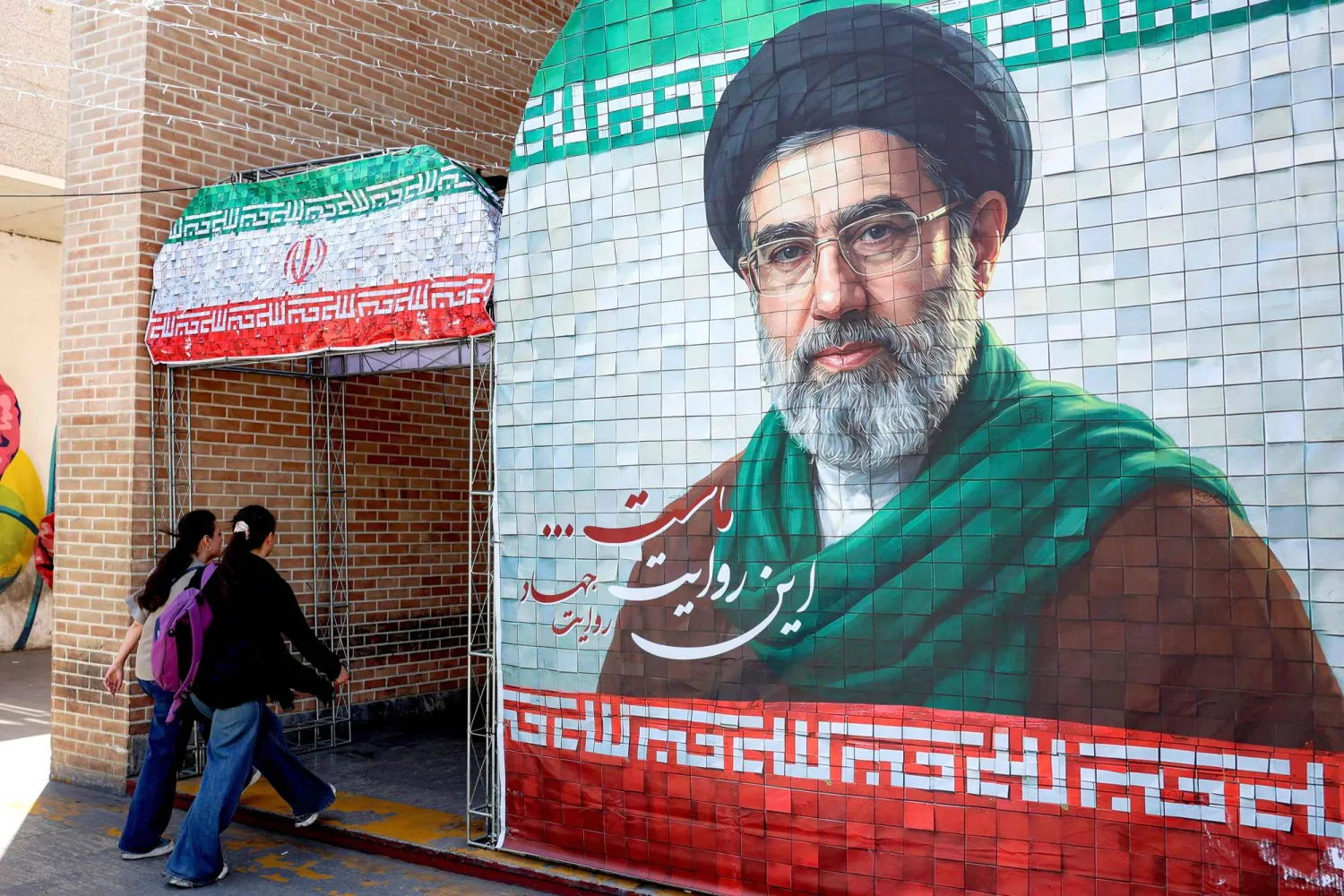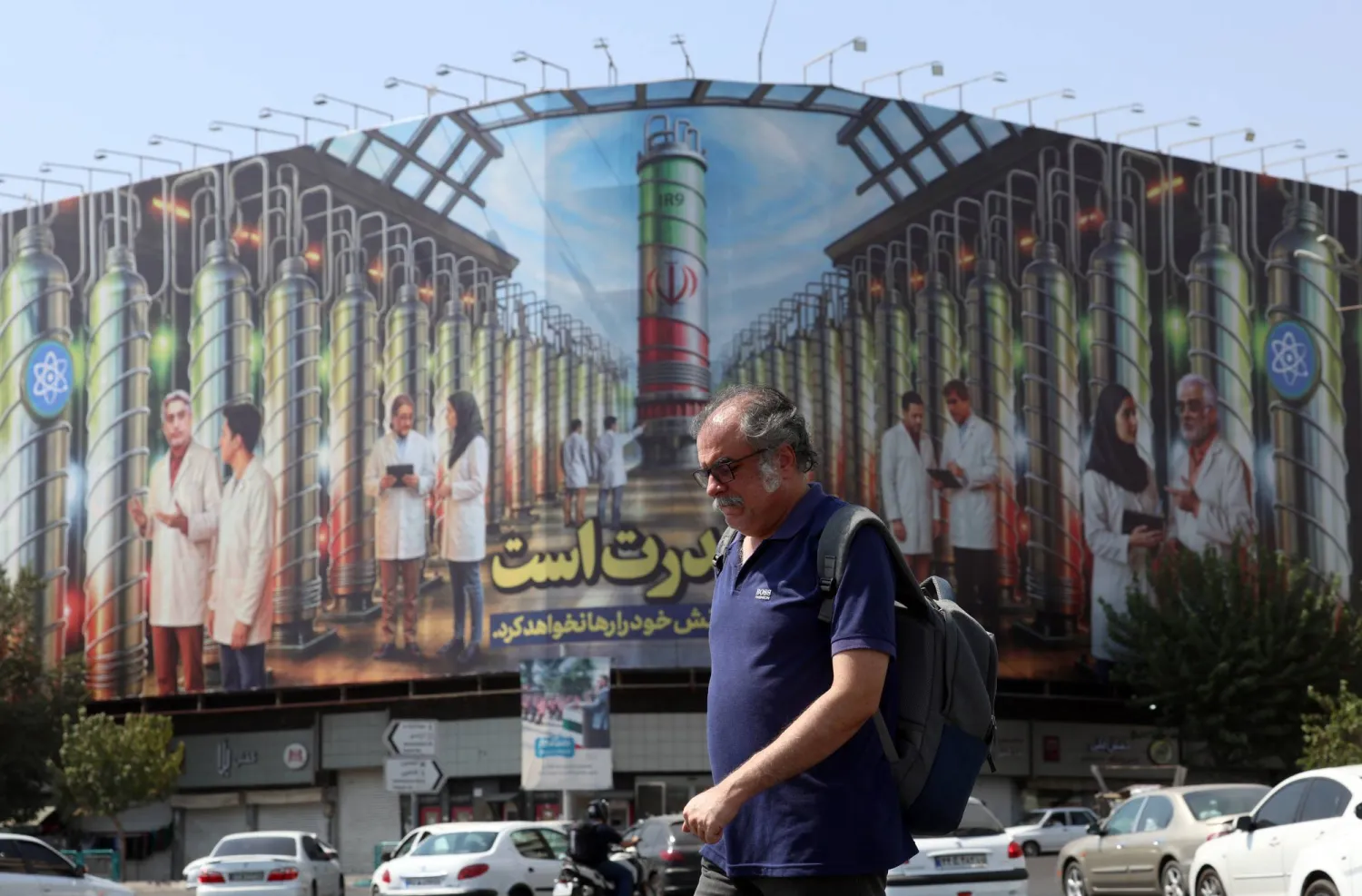

Iran is trying to absorb the snapback mechanism, which France, Britain and Germany have activated under the moribund 2015 nuclear deal, by using a short 30-day period to look for alternatives and mitigate the sanctions’ effects.
On Thursday, the European nations activated the so-called snapback mechanism, saying Iran has violated the 2015 nuclear deal, which was designed to prevent it from developing nuclear weapons.
The mechanism allows sanctions to return automatically after 30 days unless a new resolution blocks it.
The E3 stated they were compelled to act to avoid losing the ability to restore sanctions in mid-October, when UN resolution 2231 is set to expire.
Hours after the three European powers triggered the process, Iran's foreign minister, Abbas Araghchi, said his country is ready to resume “fair” negotiations over its disputed nuclear program if the West shows goodwill.
“Araqchi reaffirmed Iran's readiness to resume fair and balanced diplomatic negotiations, on the condition that the other parties show seriousness and goodwill and avoid actions that harm the chances of success,” he said in a letter sent to European Union foreign policy chief Kaja Kallas.
Araghchi then wrote on X that the E3's decision will have significant adverse impacts on diplomacy. “It will severely undermine the ongoing dialogue between Iran and the IAEA. It will also compel an appropriate response,” he said.
The Iranian minister ended his post by saying, “It is high time for the Council—and the world—to step up and say: ‘ENOUGH.’”
It remains uncertain how Iran's negotiation stance will translate into practical steps before the JCPOA's October 2025 expiration.
Observers say Tehran will likely seek a way out in the remaining time.
But even if Iran resumed full UN inspections and engaged in talks with the US, the E3 had only offered to extend the snapback period for up to six months and not to annul it.
In the phone call with Kallas, Araghchi said the “E3's snapback move further increases doubts about the true intentions of these countries towards Iran.”
For her part, Kallas emphasized the importance of finding a political solution and expressed readiness to facilitate diplomatic engagement.
Earlier, Iran’s Deputy Foreign Minister for Economic Diplomacy Hamid Ghanbari dismissed the potential impact of the snapback process launched by European powers.
According to Iran’s Etemaad newspaper, Mohammad-Javad Zarif, the former vice president for strategic affairs and foreign minister, said what the European nations are trying to do is “unfounded” because Tehran was fully observing the deal, even one year after the United States withdrew from it.
“Now, I don’t know what audacity they have in order to try to use the dispute resolution mechanism. It’s not called snapback in the JCPOA or the [United Nations] Security Council. It’s called dispute resolution mechanism,” he said.
On Friday, Iran’s Parliament drafted and submitted an emergency bill proposing a full withdrawal from the Nuclear Non-Proliferation Treaty (NPT).
Hossein-Ali Haji-Deligani, Deputy Chairman of the Article 90 Committee of Iran’s Parliament, confirmed that the bill will be uploaded to the parliamentary system on the following day and subsequently reviewed in an open session.
He told Iran’s Tasnim news agency that the steps taken were “the most minimal response by Parliament to the recent action of the European countries, and further regret-inducing measures are also on the agenda.”
Just before the European move, a member of the parliamentary committee,
Alaeddin Boroujerdi, said: “The real aim of the enemies is to spark fear and economic anxiety among the Iranian people.”