
More than a dozen countries said on Friday they were willing to join an international mission to protect shipping in the Strait of Hormuz when conditions permit, Britain said, just as US President Donald Trump said he did not need allies' help.
Some 50 countries from Europe, Asia and the Middle East joined a video conference chaired by France and Britain that followed on initial military planning and aimed to send a signal to Washington.
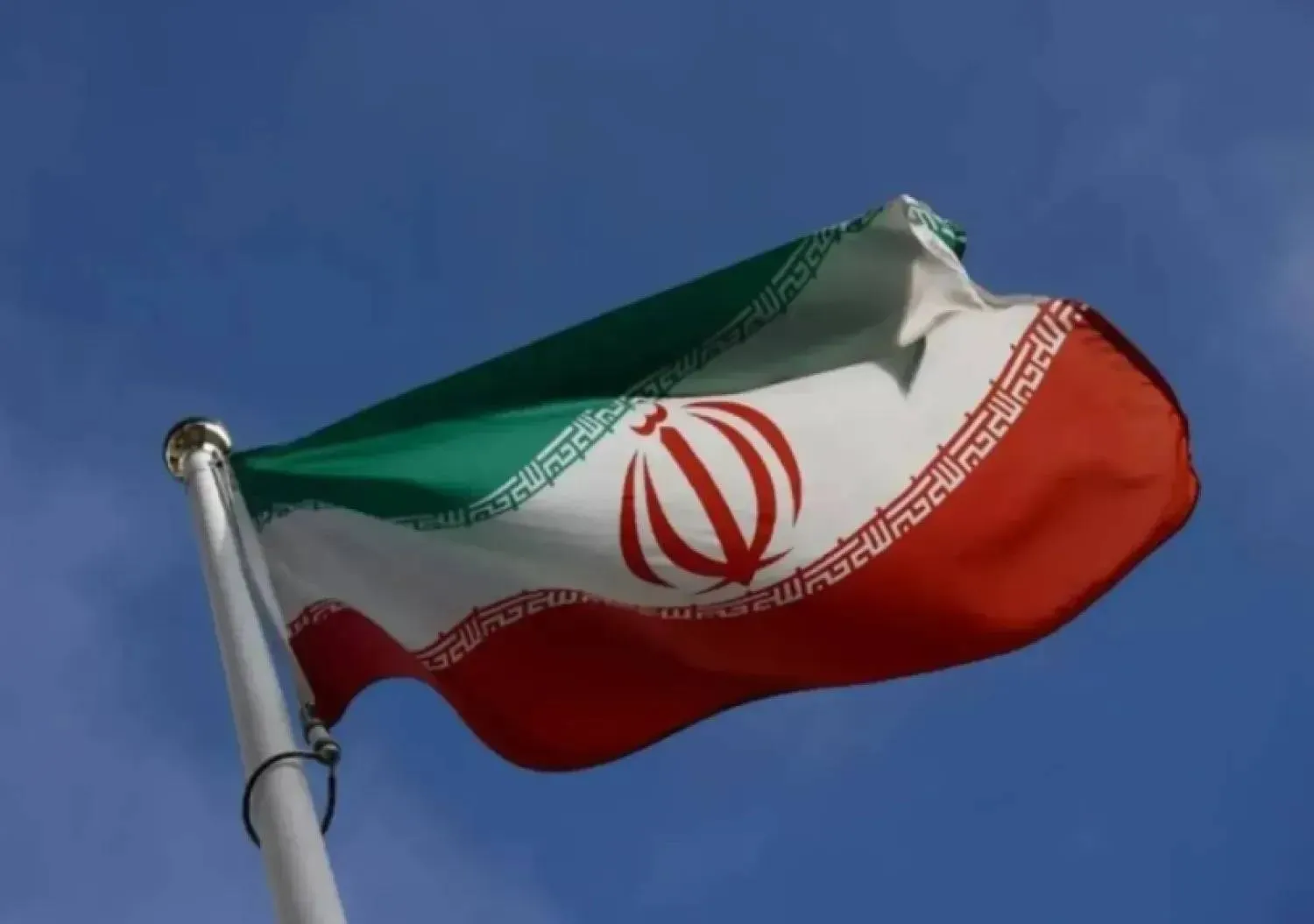
Iran, which said on Friday it was ready to open the strait, has largely closed it to ships other than its own since the start of US-Israeli airstrikes against it on February 28. On Monday, Washington imposed a blockade on ships entering or leaving Iranian ports.
Trump has called on other countries to help enforce the blockade and has criticized NATO allies for not doing so, but just as the Paris talks concluded, Trump said he had told NATO to stay away.
Britain, France and others say joining the blockade would amount to entering the war, but that they would be willing to help keep the strait open once there was a lasting ceasefire or the conflict ended.
MORE TALKS NEXT WEEK
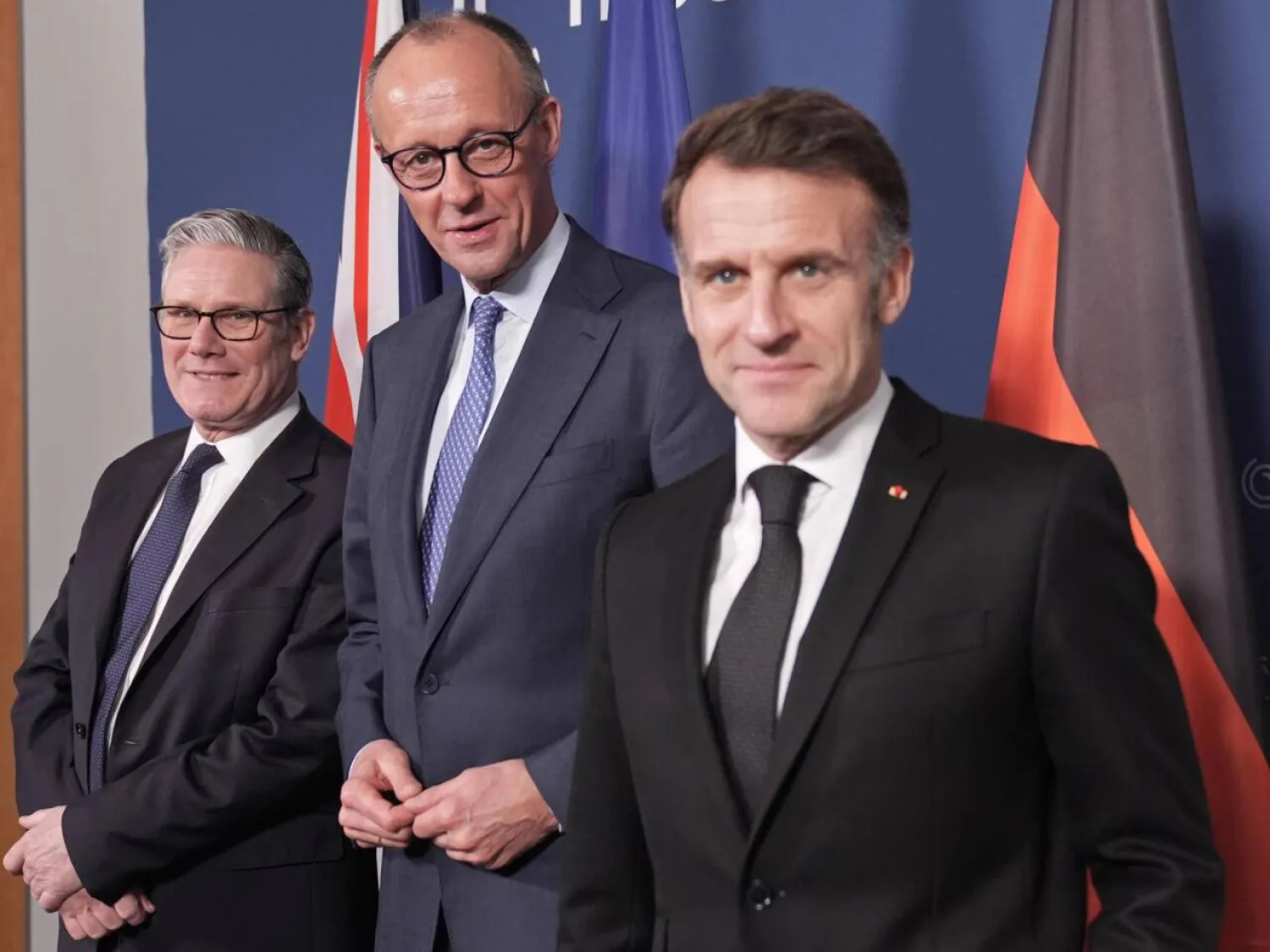
French President Emmanuel Macron said the meeting had allowed them to send a united message to demand the immediate and unconditional reopening of the strait, through which around a fifth of the world's oil and liquefied natural gas usually passes, and restoration of free passage.
"We all oppose any restriction, anything that would amount, in effect, to an attempt to privatize the strait, and obviously any toll system," Macron told reporters.
He said part of French naval assets currently deployed in the eastern Mediterranean and Red Sea could be used for the mission.
"We will take this forward with a military plan conference in London next week where we will announce more detail on the composition of the mission, and over a dozen countries have already offered to contribute assets," British Prime Minister Keir Starmer said.
The initiative being discussed did not, for now, include the United States or Iran, though European diplomats said any realistic mission would ultimately need to be coordinated with both.
RESOURCES WILL DEPEND ON SITUATION, OFFICIAL SAYS
German Chancellor Friedrich Merz said his country was prepared to contribute to the mission, adding that input from the US would also be "desirable" and that he did not want the issue to become a "stress test" for transatlantic relations.
Several diplomats said the mission might never materialize if the situation in the Strait of Hormuz returned to normal.
Others said shipping companies and insurers could seek such a deployment during a transitional phase to provide reassurance.
"It can involve intelligence sharing, mine-clearance capabilities, military escorts, information procedures with neighboring countries and more,” a senior French official said.
"The objective is clear, and the resources deployed will naturally depend on the situation."