



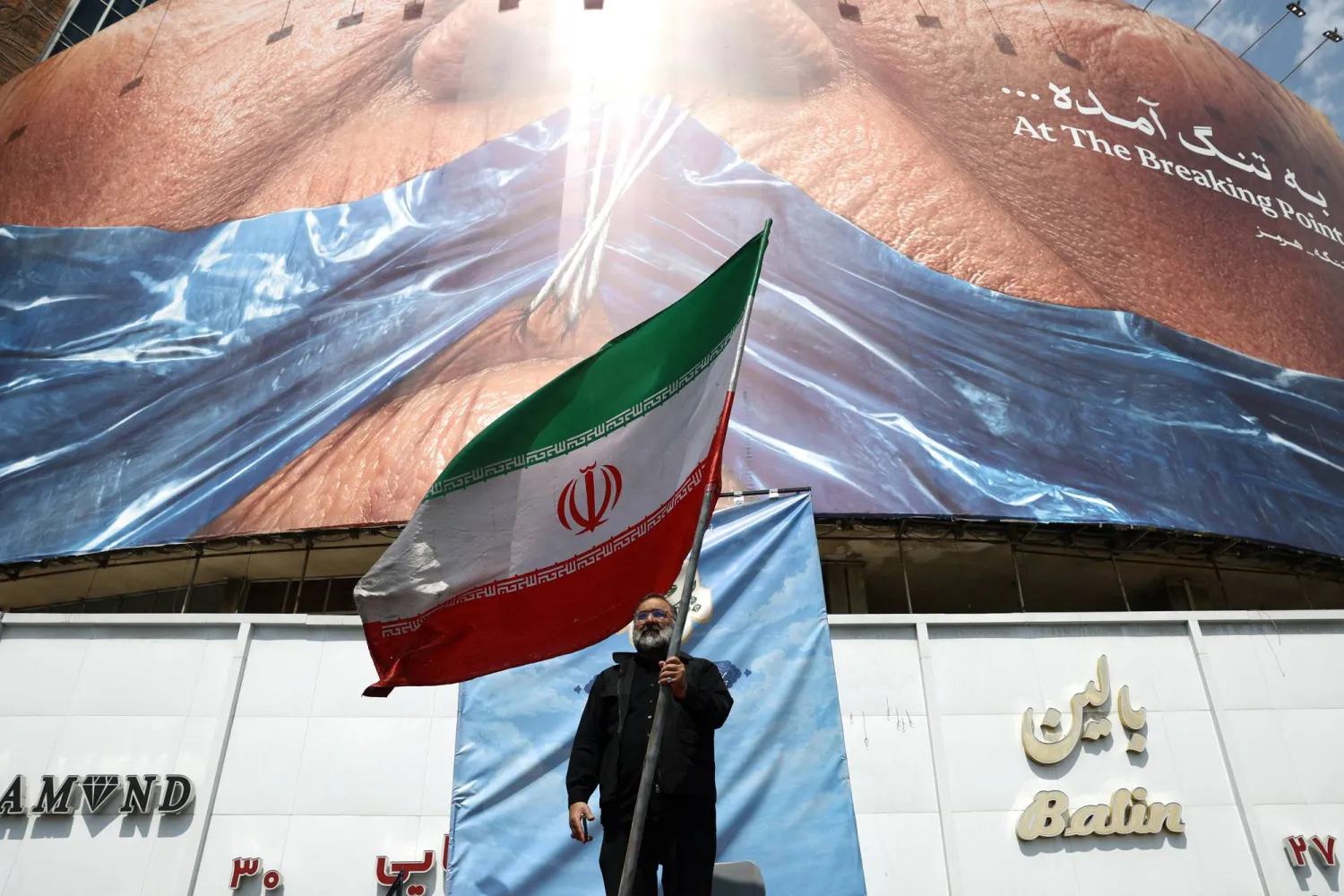

Iran's foreign ministry spokesman Esmaeil Baqaei said on Monday that the United States must reduce its demands on the country, with negotiations stalled over ending the two-month-long Middle East war.
"At this stage, our priority is to end the war," he said in a briefing broadcast by state television. "The other side must commit to a reasonable approach and abandon its excessive demands regarding Iran."
Negotiations between the two countries have been stalled since a ceasefire took effect on April 8, with only one round of direct peace talks held so far.
A key sticking point has been Iran's stranglehold on the Strait of Hormuz since the US and Israel launched strikes on February 28, choking off major flows of oil, gas and fertilizer, while the United States has imposed a blockade on Iranian ports.
But US President Donald Trump said on Sunday that Washington would begin escorting ships through the waterway, drawing a threat of attacks from the Iranian military.
"We have repeatedly said the security of the Strait of Hormuz is in our hands and that the safe passage of vessels needs to be coordinated with the armed forces," said a statement from the unified command of Iran's armed forces.
Trump gave few details about what could be a sweeping attempt to help hundreds of vessels and some 20,000 seafarers.
Trump said in a social media post that "neutral and innocent" countries have been affected by the Iran war, and "we have told these Countries that we will guide their Ships safely out of these restricted Waterways, so that they can freely and ably get on with their business."
"By now, the Americans should have learned that they cannot use the language of threats and force against the Iranian nation," said Baqaei.
"Iran has shown that it considers itself the guardian and protector of the Strait of Hormuz and this vital waterway."
He said the strait was a "secure and safe route" for international shipping before the war.
"The international community must hold the United States and the Zionist regime accountable for imposing insecurity on this waterway and for creating problems that are being felt across the world," he added, referring to Israel.
Baqaei told state television before Trump's announcement of an escort plan that Tehran had submitted a 14-point proposal "focused on ending the war," and that Washington had responded to it in a message to Pakistani mediators.


