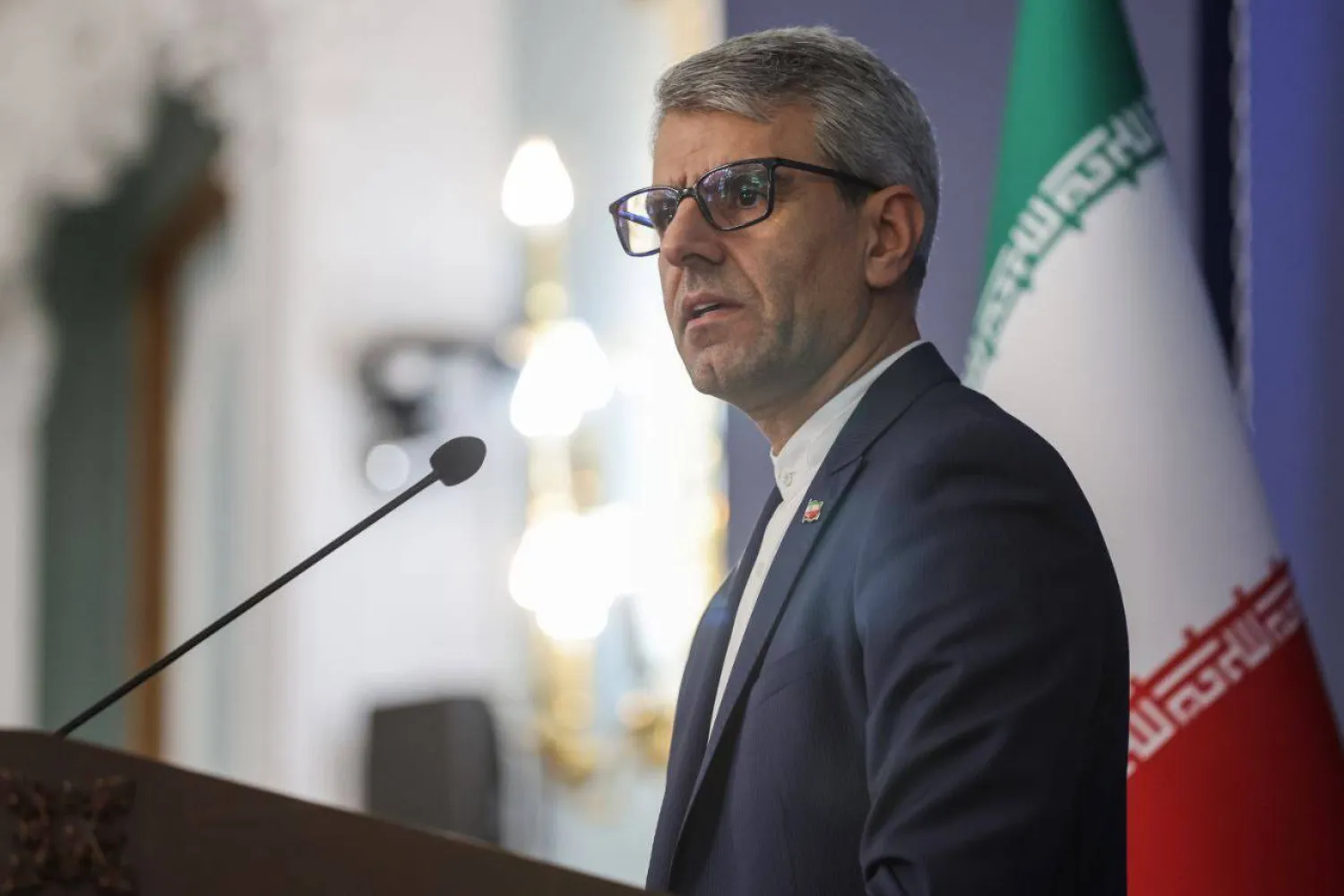

Iran's proposal to end war with the US and reopen the Strait of Hormuz was legitimate and generous, Foreign Ministry Spokesperson Esmaeil Baghaei said on Monday, adding that the US continues to uphold unreasonable and one-sided demands.
"Our demand is legitimate: demanding an end to the war, lifting the (US) blockade and piracy, and releasing Iranian assets that have been unjustly frozen in banks due to US pressure," Baghaei said according to Reuters.
"Safe passage through the Strait of Hormuz and establishing security in the region and Lebanon were other demands of Iran, which are considered a generous and responsible offer for regional security."
Iran responded to Washington's latest peace proposal on Sunday, after drones threatened several Gulf region targets and Tehran warned it would not hold back from retaliating against any new US strikes.
According to state broadcaster IRIB, Tehran's response, passed to Pakistani mediators, focuses on ending the war "on all fronts, especially Lebanon" -- where Israel has kept up its fight with Iran-backed Hezbollah -- as well as on "ensuring shipping security".
US President Donald Trump had said he was expecting Iran's reply by Friday, but as the wait dragged on, the ceasefire in the Gulf came under increasing strain, including from Sunday's drone strikes, one of which hit and damaged a freighter sailing towards a port in Qatar.
The United Arab Emirates accused Iran of being behind another attack that targeted its territory in what would be, if confirmed, only the second strike on a Gulf country since the start of the month-old truce.
"We will never bow down to the enemy, and if there is talk of dialogue or negotiation, it does not mean surrender or retreat," Iranian President Masoud Pezeshkian said on X Sunday.
Tehran's military chief Ali Abdollahi, meanwhile, met the country's supreme leader Mojtaba Khamenei and received "new directives and guidance for the continuation of operations to confront the enemy", according to Iranian state television.