Steve Bannon: Turkey is more Dangerous than Iran

File photo of Steve Bannon. Carlo Allegri / Reuters
TT

Steve Bannon: Turkey is more Dangerous than Iran

File photo of Steve Bannon. Carlo Allegri / Reuters

He is the scariest name in the US politics (and overseas) these days...

New political candidates are lining up, trying to land a photo op with him, if not a full endorsement.

Incumbents - on the other hand - are trying not to irritate the man, who has declared WAR on many of them except for Senator Ted Cruz and on the Republican National Committee.

His long title - The Executive Chairman of Breitbart and former Chief Strategist of the Trump Administration - says it all. While other people who were fired from the Trump administration have vanished, Steve Bannon, has a platform! He went directly from his office at the White House, to what he likes to call: "The Breitbart Home". By now - he enjoys both worlds: The "Outsider" with the knowledge (and some contacts) of an "insider".

There are people who hate him or fear him, or follow him blindly.

Nobody is indifferent to THE X FACTOR in US politics today.

Bannon, whom I’ve met a couple of days ago, is charming. He and I have tons of mutual friends: Politicians, big donors, Hollywood figures. Couple of my close friends are famously perceived by him as big enemies! And no, Steve Bannon does not believe in the option of not confusing ideological disputes with personal ones.

But we will get to names later...

He tells us in the exclusive interview that his chief mission is to contest any Republican incumbent, with his hand-picked new candidates, and to shake the establishment as well as its leaders (He is mentioning Mitch McConnell, Majority Leader of the Senate). He continues: "This is like the French Revolution".

And that brings us to another advantage he has: Bannon is smart, quick and educated. When he argues passionately, he is inserting names of books, must read articles (written by both right and leftwing writers), historical events. His knowledge is part of his power!! And I suspect that some people find it hard to rise to the occasion and argue back.They feel, somehow, unequipped to match him.

So here is what Bannon is thinking about the topics which matter;

"THE PAINFUL TRUTH ABOUT N. KOREA"

Bannon shocked many, when he said to a reporter that - despite his then boss, Trump's threats - there is not really a military option about North Korea, without killing, "ten million people in Seoul in the first 30 minutes of any US military attack …"

Many believe that, that was the last straw, which caused him to be ousted from the White House.

Bannon doubles down on his infamous remark by now.

I ask if he stands by, "They got us...?"

He says shortly: "No military solution” for the North Korean crisis.

But he is aiming towards, at least two "more dangerous situations, people should pay attention to..."

"MOST DANGEROUS – TURKEY"

"Turkey is the biggest danger for us (US)!" He tells us with conviction. "No, not even close to (its neighbor) Iran..." He waves his hand in total rejection.

"No! We don't read well what is going on in Turkey right now, under (President Recep Tayyip) Erdogan!! This is an issue I am going to pursue hard."

"THE MUST ISOLATION OF QATAR"

Bannon simply loves to declare a new war. In fact - when he was fired from the White House, it took, a senior editor of Breitbart, seconds to tweet #WAR.

His next global war - he shares with a smile - is against Qatar.

"I credit Donald Trump on the measures taken against Qatar by the UAE, Bahrain, Egypt and Saudi Arabia. The boycott happened shortly after the (Trump) visit to Saudi Arabia, just like that..."

According to Bannon, Trump said that he backed Saudi Arabia’s stance even if he recently said he wanted to mediate this dispute.

Bannon added: “Qatar is as dangerous as North Korea! People should pay attention to this important situation." He was referring to accusations against Qatar of backing extremist and terrorist groups.

"MISUNDERSTANDING ABOUT CHINA"

We are mentioning Trump's upcoming trip to five countries in Asia. China is the first stop.

While Trump says, he has established friendship and mutual understanding with the Chinese leader, Bannon is doubting it!

"Re China: We don't just make a small mistake... It is a big strategic mistake... If you listen to President Xi's (recent) speech, it was not about how China is going to be superpower with the US. No! It was about They, are going to have a hegemony.

This mistake had started with the Bush and Clinton administrations. They thought that if we let China into the World Trade Organization, and treat them favorably, they would become a liberal democracy as they get bigger...Well, the Chinese have already run the tables on us.”

"AMERICA FIRST VS GLOBALISM"

Trump put a budget of 30 billion dollars to update the readiness of the US military. “It was a law, because of the wars we have been fighting for 17 years.”

“This is like the entire defense budget of Germany... Europe does not make any attempt to defend itself. They are protected by the USA,” Bannon said. “The US is committed to protecting Gulf states and the same applies to Japan and South Korea.”

“I don’t suggest it, but we have become ‘Isolationists.’ It is not that we are going to walk away from the world... No! But - we are going to start acting like adults.”

"MY ROLE IN BREXIT"

British politician Nigel Farage has been a friend, says Bannon. “I was proud, that the morning after we won, Nigel announced: "If it had not been for Breitbart London, there would have not been Brexit..."

I tell Steve, that I know Nigel, and recall, how he was having coffee with me, early in the morning, in Washington DC, plotting how to see Trump.

But first - he would, "Stop to see Steve and we will see..."

That meant, that the way to President Trump was with one stop at Bannon...

Steve is smiling, not disputing it.

In fact he was playing a bridge between two surprising victories on both sides of the Atlantic.

Back to internal topics: One of them is of course the mid-term elections (2018) where the Republican establishment will try to maintain their majority in both houses, which will affect Trump's ability to govern, and his next elections on 2020.

Bannon is enjoying the glory of, "Winning Alabama Over!"

His candidate Judge Moore, who is considered by some Republicans, as super-extreme won big time in that state! Trump and VP Mike Pence had campaigned in person for his rival.
Bannon explains: Naturally - after such a victory, more and more candidates want his "Magic Touch.”

"The blessing of a King Maker"? I ask. We laugh.

I then mention my recent conversation with billionaire Mark Cuban. The one-time friend of Trump, has become his big enemy! In fact - he was sitting in the front row, during the first Presidential debate, as a guest of Hillary Clinton.

Like Trump, he is a reality show star ("Shark Tank") and therefore - a household name. They are both wealthy. And yes, Cuban told both Bannon that he is thinking about running, since he is "that concerned" about the Trump Presidency.

Here Bannon surprises me, when he adds: "Yes, he has been asking for my advice... He has been talking with me about running... I guess, he wants me to run his campaign."

Bannon says, casually that he would not run a campaign against Trump.

Yet it is clear, how much he is enjoying being "In demand" only few weeks after he was fired by White House Chief of Staff John Kelly.

I was at the West Wing, for meetings, on the "Monday after Cannon was fired". Some senior advisers and I stared at the Eclipse through these fun glasses. But the conversation was about Bannon. Some seemed so relieved. Others were wondering: "Who is next? "

Bannon repeats his claim that he had planned to leave anyway: "It was a year after I took over the Trump Campaign. I had planned to give it a year. "

However - his emotions about the people he calls "Globalists" are strong! Among them: Jared Kushner, Gary Cohn and mainly - NSA H.R. McMaster.

"MCMASTER IS MY ENEMY!"

"I know, he is your friend. No, no way to repair any relations...There will never be relationship… and we will win."

McMaster had removed Bannon from the National Security Council, after Mike Flynn was fired by Trump. He then - fired some of Bannon's allies, who had reportedly continued to report to Bannon.
So, ideology aside: it has become very personal.

"24/7 SECURITY"

Bannon is surrounded with security people at all time. We were all staying at a secure floor in the hotel. Even then, there were security people outside his suite as well.

His extreme visions as well as his growing power, are reasons for concern for some.

I ask him if he is scared.

He says: "Even if someone kills me, this revolution has already started...Nobody can kill it... Others will carry on..."
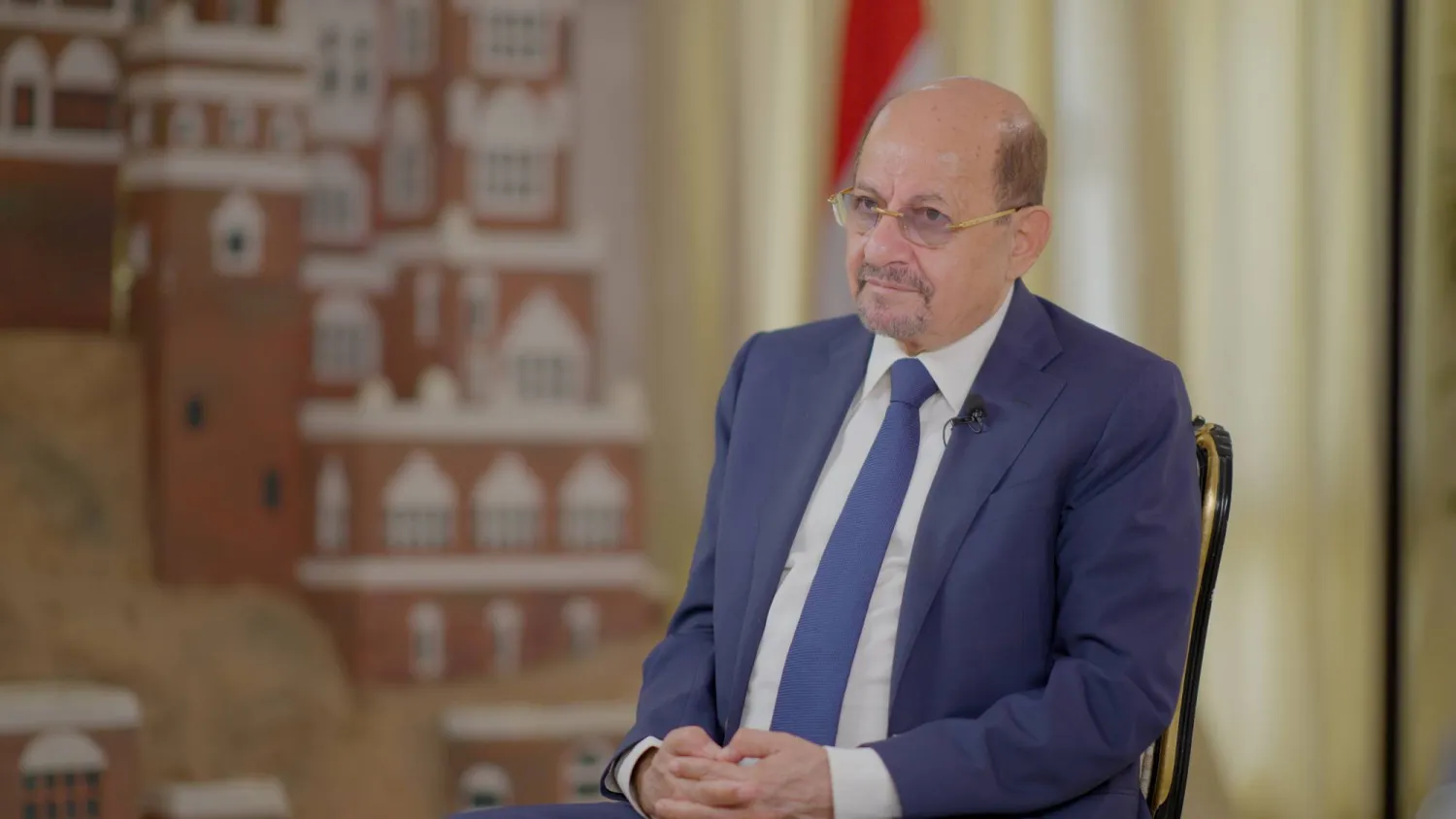
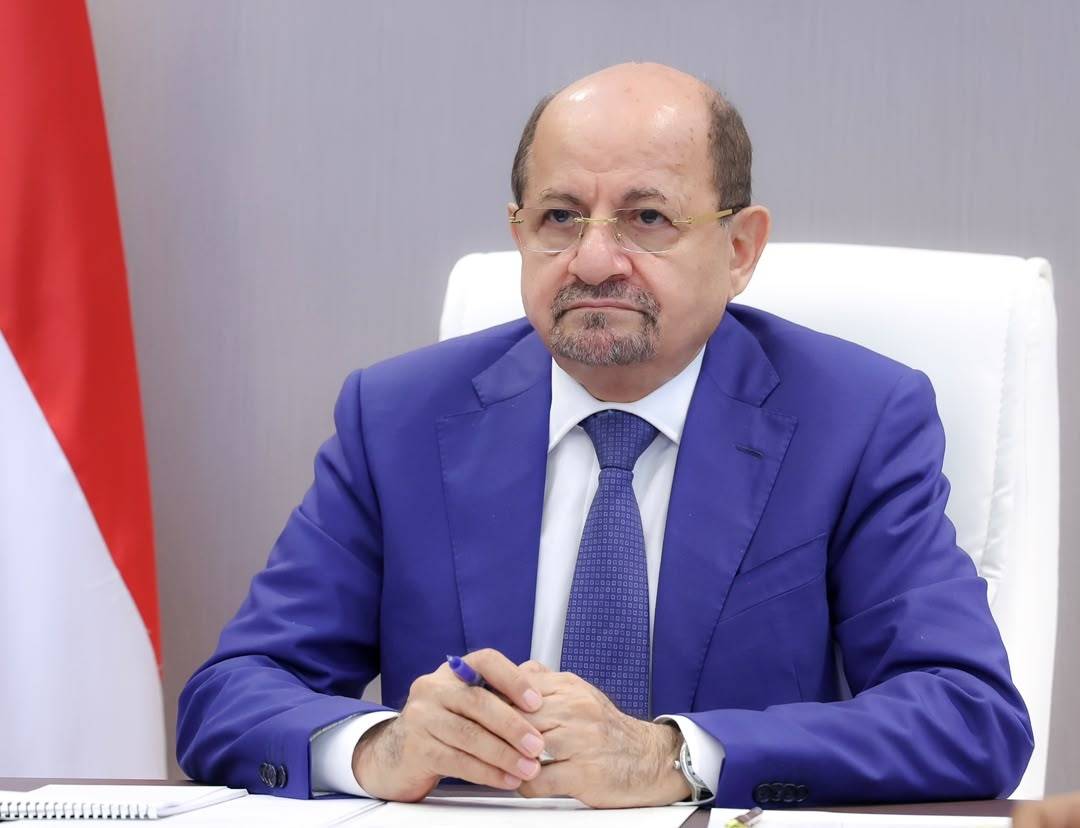
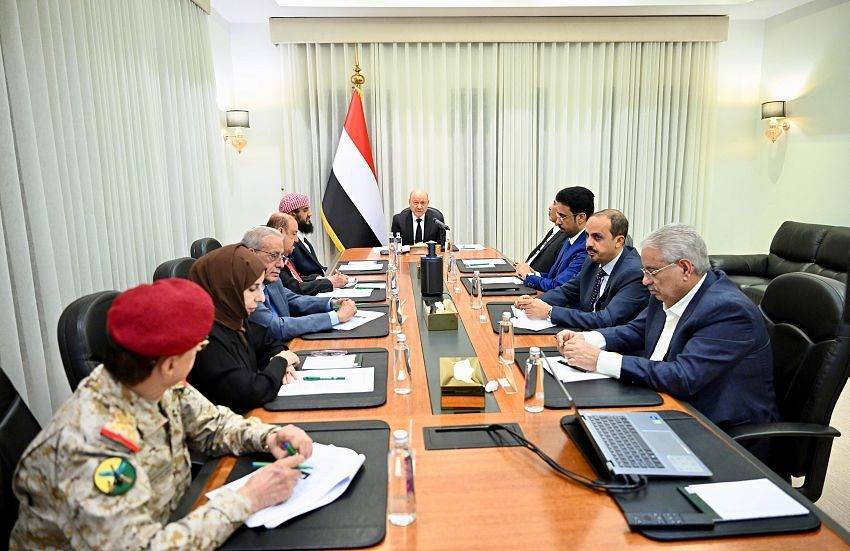
Yemeni Interior Minister: Assassination Cells in Aden Backed by Foreign Funding, Seeking to Undermine State

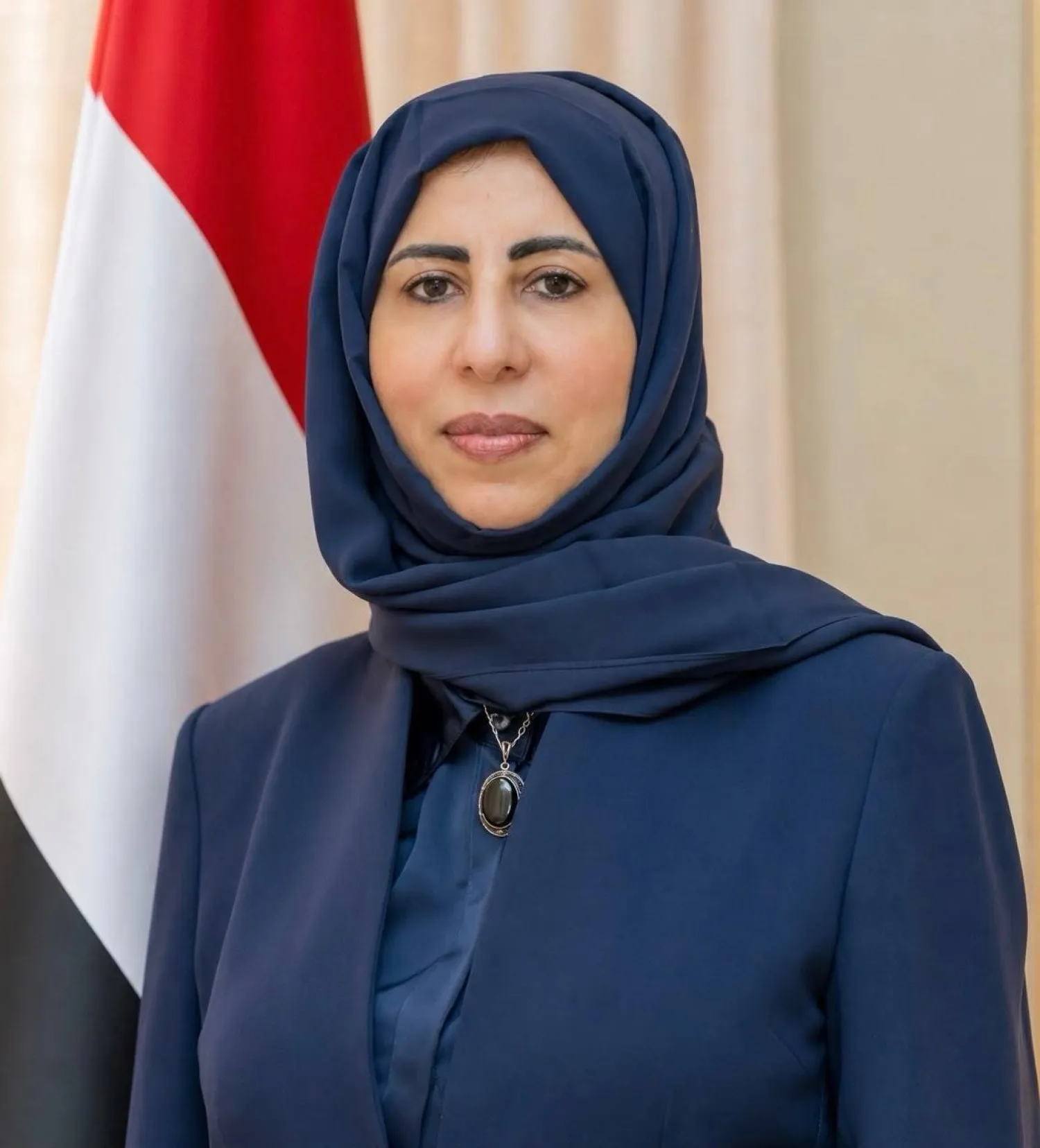
Haidan stated that security coordination between Yemen and Saudi Arabia is at its highest levels (Photography: Turki Al-Oqaily)
TT

Yemeni Interior Minister: Assassination Cells in Aden Backed by Foreign Funding, Seeking to Undermine State

Haidan stated that security coordination between Yemen and Saudi Arabia is at its highest levels (Photography: Turki Al-Oqaily)

Yemen’s Interior Minister Major General Ibrahim Haidan revealed what he described as the foiling of the "largest political assassination plot" in the temporary capital Aden, saying security forces had carried out a successful pre-emptive operation against terrorist cells linked to foreign actors that were planning to target prominent political and security figures as part of what he called an “intelligence war” against the Yemeni state and its institutions.

In an extensive interview with Asharq Al-Awsat, Haidan said investigations had uncovered foreign funding and logistical support for the cells behind the recent assassinations in Aden, adding that authorities found documents, maps and tools in the possession of cell members that exposed the scale of the plot and its objectives.

The minister said security coordination with Saudi Arabia was taking place "at the highest levels," describing ties between the two countries as a "shared destiny" and praising support provided by the Kingdom under the leadership of Custodian of the Two Holy Mosques King Salman bin Abdulaziz and Crown Prince Mohammed bin Salman.

Prince Abdulaziz bin Saud, Saudi Interior Minister, during his reception of Major General Haidan in February 2024 (SPA)

Shared destiny with Saudi Arabia

Haidan stressed that Yemen’s relationship with Saudi Arabia represented a "shared destiny."

"Given the circumstances Yemen is going through, we find our brothers in Saudi Arabia dedicating all their efforts to supporting Yemen’s legitimate government in restoring the state and achieving security, economic and political stability," he said. "Therefore, Yemen’s security is an integral part of the region’s security."

He added that this made security coordination between Yemen and Saudi Arabia "at its highest levels," while expressing appreciation for the "generous and continued support" provided by the Kingdom, including in training, rehabilitation, logistical and technical assistance.

Haidan said the support had played a major role in ensuring the resilience and continuity of Yemen’s security institutions, adding: "We consider the Kingdom our primary strategic partner in the battle against terrorism."

Haidan explained that the assassination operations were an attempt to create social unrest to undermine public trust in the state (Asharq Al-Awsat)

Security situation in Aden

The minister said the security situation in liberated areas in general, and in the temporary capital Aden in particular, was seeing continuous improvement despite what he described as a "systematic targeting" of the city’s security aimed at undermining efforts to restore the state.

He said progress could be measured through several indicators, including the effectiveness and rapid response of security agencies, declining crime rates, and public support for state institutions. He added that those factors had helped foil what he described as the largest political assassination plot, although "the price was high."

According to Haidan, the plot claimed the lives of three prominent figures over recent weeks: Major Abdul Karim Abdullah, deputy director of the Seventh Security District; Dr. Abdulrahman Al-Shaer, director of Al-Nawras Schools; and Wissam Qaed, acting executive director of the Social Fund for Development.

He said the Interior Ministry, backed by military and intelligence institutions, was working to achieve security and stability under a comprehensive security plan aimed at strengthening state institutions and enforcing the rule of law, while noting positive cooperation from citizens.

Haidan added that security forces had become "more professional, disciplined and vigilant" in confronting threats posed by militias and their regional allies.

Why assassinations have returned

Haidan said the resurgence of assassinations in Aden was intended to create social unrest and erode public confidence in the state.

"By examining the nature of the targets chosen by militias backed by regional actors, we can understand the mechanism of the plot," he said. "The assassinations recently targeted the security sector, education and development, meaning that both the state and society were being targeted simultaneously."

He said the attacks were also aimed at obstructing efforts by the Presidential Leadership Council and the government to unify decision-making and normalize conditions in the country.

Who is behind the assassinations?

Responding to a question about those responsible for the recent assassinations in Aden, Haidan said security agencies, in coordination with the public prosecution, had made significant progress in collecting evidence and tracking leads.

"Many leads indicate that the rebellious coup militias received support from foreign parties to create chaos, disrupt the project of restoring the state and obstruct development efforts in liberated areas, especially Aden," he said.

Assassination of Wissam Qaed

Regarding threats allegedly received by Wissam Qaed from the Houthis before his killing, Haidan said the group had a long history of using assassinations as a political tool.

"The preliminary evidence and threats received by the martyr before his assassination place these militias under direct suspicion," he said, adding that the perpetrators may not necessarily have been directly affiliated with the Houthis but could have cooperated with allied groups pursuing a common goal of chaos and undermining the state.

Major General Haidan with General Fahd Al-Salman, Commander of the Joint Forces, in November 2024 (SPA)

Foreign funding and support

Haidan confirmed that some of the terrorist cells behind the assassinations had foreign links and had received financial and logistical backing.

"There is an intelligence war taking place on our soil aimed at shedding the blood of our people and dismantling the social fabric in order to undermine the state and obstruct the restoration of its institutions," he said.

He added that Yemen was coordinating with regional and international partners to "dry up the sources of cross-border terrorism."

Dismantling assassination cells

Speaking about the recently dismantled assassination cells, Haidan said the arrested group had been trained to carry out assassinations and plant explosive devices and included individuals with criminal records directly linked to a command center in Houthi-controlled areas.

He described the operation as a successful pre-emptive strike, adding that authorities had found documents, maps and tools revealing a major plot targeting prominent political and security figures.

Security in liberated areas

The minister said there had been "tangible progress" in the security situation across liberated provinces, noting growing coordination and integration among security agencies nationwide, with Aden receiving particular focus because of its political and symbolic significance.

He added that official statistics showed a slight decline in crime rates while maintaining the same level of enforcement.

"Compared with the first quarter of 2025, which recorded 3,111 crimes, the first quarter of 2026 recorded 3,064 crimes, with a clearance rate reaching 90 percent," Haidan said.


Lebanon’s Foreign Minister to Asharq Al-Awsat: Only the State Decides on Talks with Israel

Lebanese Foreign Minister Youssef Raggi - File Photo
TT

Lebanon’s Foreign Minister to Asharq Al-Awsat: Only the State Decides on Talks with Israel

Lebanese Foreign Minister Youssef Raggi - File Photo

Lebanese Foreign Minister Youssef Raggi said Lebanon “has started to gradually reclaim its natural right to determine its own fate independently of others’ calculations,” stressing that the Lebanese state “alone holds the decision to negotiate,” and that Lebanon “is not subordinate to anyone and is not a card in the hands of any axis.”

He expressed regret that the state’s efforts to secure financial and political support for reconstruction “are being confronted by an internal party, Hezbollah, which continues to gamble with the fate of these villages and their residents in service of goals and agendas unrelated to the national interest or to the suffering of the people of the south.”

In an interview with Asharq Al-Awsat, Raggi said that “the national priority today is to fully restore sovereignty, without diminution,” adding that “there is no shame in the Lebanese state negotiating with Israel if the goal is to end the war and recover territory.”

He also condemned “what has been uncovered of roving sabotage networks linked to Hezbollah in a number of Arab countries,” while at the same time denouncing the targeting of brotherly Arab states and their security and stability.


Lebanese Minister of Foreign Affairs and Emigrants Youssef Raggi (L) meets UN Under-Secretary-General for Peace Operations Jean-Pierre Lacroix (R) at the Lebanese Foreign Ministry in Beirut, Lebanon, 07 January 2026. Lacroix is on an official visit to meet Lebanon's leaders. EPA/WAEL HAMZEH

Negotiations exclusively in the hands of the state

The Lebanese ambassador to Washington, Nada Hamadeh Mouawad, held a second direct meeting with her Israeli counterpart, Yechiel Leiter, at the US State Department to discuss extending the truce and to set a date and venue for negotiations between the two delegations, in what is the first track of direct talks since 1993.

Raggi noted: “Iran dragged Lebanon into a war that was neither the choice of the Lebanese state nor of the majority of the Lebanese, but was imposed on it under an approach that treats Lebanon as a pressure card to be used at regional and international negotiating tables.”

He continued: “This led to the step taken by President Joseph Aoun to pursue a path of direct negotiations, clearly declaring that the Lebanese state alone holds the decision to negotiate, and that Lebanon is not subordinate to anyone and is not a card in the hands of any axis.” He stressed that “this step is not limited to its negotiating dimension, but lays the groundwork for restoring independent national decision-making and reinstating the concept of the state as the sole reference in war, peace, and foreign policy.”

Raggi reaffirmed that “the Lebanese track is now separate from the Iranian track,” and that “Lebanon’s interests are no longer hostage to the progress or deadlock of Iranian negotiations,” noting that “the second preparatory meeting is being held while talks related to Iran are facing stagnation and complications, which proves that Lebanon has begun to gradually reclaim its natural right to determine its own fate independently of others’ calculations.”He said: “This is a pivotal moment in Lebanon’s modern history, as it ends a long phase in which national milestones were tied to external agendas.”

No longer an arena

Raggi said: “We will no longer accept using Lebanon as an arena for settling regional scores or as a platform for military and political adventurism whose cost is borne by the Lebanese in their security, economy, and national unity.” He explained: “Experience has shown that turning Lebanon into an open arena for conflict has brought it nothing but destruction, isolation, and collapse. What is required today is to reassert its position as a sovereign state, not as a sphere of influence or a permanent front line.”

Lebanese President Joseph Aoun holding talks with Foreign Minister Youssef Raggi (Presidency)

Objectives of negotiations

On the objectives of negotiations, Raggi said that “Lebanon’s move toward negotiations is intended to address outstanding issues between the two countries, foremost among them border, security, and humanitarian matters,” stressing that “negotiation is not surrender, as some try to portray it, but a tool for defending national interests when conducted from a position of state authority and with careful calculation.”He added: “The balance of power is not measured only in weapons, but also in the legitimacy of the state, unity of the national position, international support, and the ability to use law and diplomacy to protect rights.”

He noted that “it is a grave mistake to portray Lebanon as being in a position of absolute weakness, just as it is equally wrong to portray it as being in a position of surrender. The reality is that Lebanon, if its institutions are unified, can negotiate from a clear national-interest position.”

Raggi added: “The national priority today is to fully restore sovereignty, without diminution. There is no shame in the Lebanese state negotiating with Israel if the goal is to end the war, recover territory, and secure a lasting peace that preserves the dignity of the Lebanese and prevents the recurrence of tragedies, especially for our people in the south who have paid a heavy price in lives, homes, and livelihoods.”

He continued: “The futile adventures carried out through what are called ‘proxies’ have proven that their outcome was neither liberation nor victory, but further fragmentation and weakening of the Lebanese state and depletion of its society and economy.”

Monopoly of arms

Raggi said Lebanon “has long delayed implementing governmental and constitutional decisions related to restricting weapons to the state, particularly Hezbollah’s arms, at a time when the majority of Lebanese are calling for a real state that alone holds the right to use force.” He added: “Restricting arms is not a political demand by one side against another; it is the only gateway to building a modern state, because the very concept of the state fundamentally contradicts the existence of armed groups outside its authority. A state cannot exist with two sets of arms, two sovereignties, or two decisions on war and peace.”

He pointed out that “facts have shown that weapons outside state control did not liberate occupied land, did not protect Lebanese citizens, and did not prevent destruction; rather, they deepened national losses.”

He explained: “Before the ‘support for Gaza’ war and linking Lebanon to the Iranian confrontation, the disputed border points were limited and confined to known issues, including the thirteen points, the Shebaa Farms, and the Kfar Shouba hills. After October 7, 2023, Israeli occupation expanded inside Lebanese territory at five points, and after March 2, the occupied areas widened further, while dozens of villages were destroyed and vast areas suffered devastation and displacement.”

He added: “This catastrophic outcome confirms that the logic of uncontrolled arms did not produce protection; rather, Hezbollah’s war calculus ultimately imposed the path of direct negotiations as the only way to recover what Lebanon has lost.”

Lebanese Foreign Minister Youssef Raggi - AFP

Targeting Arab states

Raggi strongly condemned “the discovery of roving sabotage networks linked to Hezbollah in a number of Arab countries.” He said: “This behavior is another example of the nature of the cross-border Iranian project, and its danger is not limited to Lebanon’s sovereignty but also extends to the security of sister and friendly states that have long stood by Lebanon in its most difficult times.”

He added: “We have informed our friends in the concerned countries of Lebanon’s full readiness for judicial and security cooperation, to pursue those responsible for these networks and provide all necessary assistance. We also reiterate our absolute rejection of using Lebanese territory or any Lebanese entity to harm the security of any Arab or friendly country.”

Hezbollah ‘gambling with the south’

Meanwhile, Israel continues explosions in border villages in the south. Raggi said: “We are closely following developments on the ground in the south, particularly the security belt imposed by Israel. The Foreign Ministry is working through all available diplomatic channels to achieve a full Israeli withdrawal, ensure residents can return to their villages, and launch reconstruction.”

He added: “But it is regrettable that while the state seeks to secure financial and political support for rebuilding, it faces an internal party, Hezbollah, that continues to gamble with the fate of these villages and their residents in service of goals and agendas unrelated to Lebanon’s interest or the suffering of the people of the south.”

Raggi said: “The painful scene of destroyed villages in the south, and of residents who have lost their homes, livelihoods, and sense of safety, should be a moment for courageous national reassessment,” stressing that “those who caused this war and dragged Lebanon into it against the will of its people must bear their political, moral, and historical responsibility and review their calculations before it is too late.”

Raggi affirmed that “Lebanon can no longer bear others’ wars, their projects, or illusions of victory that bring only ruin.” He concluded: “The future must belong to the state, to sovereignty, and to a just peace that protects all Lebanese.”


Healey to Asharq Al-Awsat: UK Has More Jets Flying in the Region Than at Any Time in the Last 15 Years

British Secretary of State for Defense John Healey arrives for a cabinet meeting at 10 Downing Street in London, Britain, 24 March 2026.  EPA/ANDY RAIN
British Secretary of State for Defense John Healey arrives for a cabinet meeting at 10 Downing Street in London, Britain, 24 March 2026. EPA/ANDY RAIN
TT

Healey to Asharq Al-Awsat: UK Has More Jets Flying in the Region Than at Any Time in the Last 15 Years

British Secretary of State for Defense John Healey arrives for a cabinet meeting at 10 Downing Street in London, Britain, 24 March 2026.  EPA/ANDY RAIN
British Secretary of State for Defense John Healey arrives for a cabinet meeting at 10 Downing Street in London, Britain, 24 March 2026. EPA/ANDY RAIN

British Defense Secretary John Healey revealed Wednesday that UK pilots and aircrew have flown over 1,200 hours on defensive missions across the Middle East since the conflict with Iran erupted, saying they have now had over 80 engagements together with RAF Regiment Gunners.

In an interview with Asharq Al-Awsat following his visit to Saudi Arabia, Healey said that the UK has around 1,000 personnel in the region and an extra 500 air defense personnel in Cyprus.

“I continue to work closely with our partners in the region on what further support we can provide,” he said, lauding the UK-Saudi Arabia defense partnership which he said is “founded on mutual security interests and longstanding industrial collaboration.”

“Although our friendship is historic, it has evolved into a modern partnership that responds to contemporary challenges,” he added.

On ties between Moscow and Iran, Healey did not rule out a hidden Russian hand behind some of the Iranian tactics.

The following are the key points from the interview:

80 engagements

“UK pilots and aircrew have flown over 1,200 hours on defensive missions across the region. Together with our RAF Regiment Gunners, they have now had over 80 engagements since the conflict began,” said Healey.

“I am proud of the work that our UK Armed Forces are doing alongside our Gulf partners to help keep people safe in the region. Their dedication and professionalism is helping to save lives as Iran indiscriminately targets countries across the Gulf,” he added.

Heavy Deployment

“The UK has around 1,000 personnel deployed to the region, not including our personnel in Cyprus,” he told Asharq Al-Awsat. “Force protection is at the highest levels for UK bases in the region.”

“We have more UK jets flying in the region than at any time in the last 15 years. We are undertaking defensive counter air operations over Bahrain, Jordan, Qatar, and the UAE as well as Cyprus,” he said.

“Since January, I have deployed extra equipment and people to the region. This includes Typhoon and F-35 jets, Wildcat helicopters armed with purpose-built counter-drone Martlet missiles, a Merlin Crowsnest helicopter, providing airborne surveillance and control plus radar systems, air defense systems and counter-drone units.”

He added that there are now an extra 500 air defense personnel in Cyprus, and the warship, HMS Dragon - which is fully integrated within the layered air defense system with allies and partners - is deployed in the Eastern Mediterranean.

Defense Systems to Support the Gulf

“I continue to work closely with our partners in the region on what further support we can provide, which was the purpose of my visit (to Riyadh) this week,” Healey told Asharq Al-Awsat.

“I confirmed during my meeting with the Defense Minister, His Royal Highness Prince Khalid bin Salman Al Saud, that we will deploy Sky Sabre to the Kingdom of Saudi Arabia - an air defense system that will be integrated into Saudi Arabia’s defenses to support Saudi Arabia's efforts in repelling Iran's attacks,” he added.

He also said that Rapid Sentry – a system made up of a radar and a missile launcher – was deployed to Kuwait, and Lightweight Multiple Launchers to Bahrain.

“We have extended the operations of our jets in Qatar which are flying defensive missions every night, and through Taskforce Sabre we're ensuring UK industry steps up too. The Taskforce brings together industry who offer counter drone and air defense capabilities with governments, including Gulf partners ... to rapidly provide them with the equipment they need.”

Advanced defense partnership with Saudi Arabia

On his visit to Saudi Arabia, he said the trip was aimed at showing support “during this period of sustained and indiscriminate Iranian attacks, and also to discuss further cooperation between our nations to protect our people and our shared interests in the Kingdom. That's why I was delighted to meet with His Royal Highness Prince Khalid bin Salman to discuss recent events in the region.”

“The UK and Saudi Arabia have a close, longstanding friendship, and share a decades-long defense partnership, founded on mutual security interests and longstanding industrial collaboration.”

That friendship “has evolved into a modern partnership that responds to contemporary challenges. This really matters in times like today: it means we have the trust and the shared understanding to respond quickly and decisively when the security environment demands it. It is precisely because of that deep foundation that we are able to act as we have done, such as deploying Sky Sabre to Saudi Arabia.”

Russian-Iranian cooperation

On Russia’s role in the Iran war, Healey said: “Our assessment is that, even prior to US and Israeli strikes, Russia highly likely shared intelligence and provided training to Iran, including on things such as drone technology and operations, and electronic warfare. And our intelligence also indicates that this cooperation is ongoing.”

“No one will be surprised that Putin’s hidden hand may be behind some of the Iranian tactics and potentially some of their capabilities as well. We see an axis of aggression between Russia and Iran - two countries that menace their neighbors and that pose a threat more widely to us all.”

No assessment on targeting Europe

Healey said that there is no assessment Iran is trying to target Europe with missiles. “Even if they did, we have the resources and alliances we need to keep the UK and our allies safe from any kind of attacks, whether it's on our soil or from abroad. The UK stands ready 24/7 to defend itself and protection of forces is at the highest levels for our bases in the region.”