
Iraq came out “victorious” and exhausted after its long war with Iran. Saddam Hussein rejoiced because he lived long enough to see Khomeini reluctantly agree to a ceasefire without achieving his dream of toppling the Baath regime in Baghdad.
The general impression was that the regime would now be preoccupied with treating its wounds and paying back its massive debts. No one predicted that Saddam would make the suicidal move of invading Kuwait.
Tensions with Kuwait were no secret. They first emerged when Emir Sheikh Jaber al-Ahmad refused to sign a security agreement with Baghdad. However, the majority of observers never expected the crisis to lead to a full-blown invasion.
The unexpected took place in August 1990. In the early hours of August 2, the defense minister and chief of staff were summoned to the general command headquarters and informed that Republican Guards had infiltrated Kuwait overnight. Salem al-Jomaili, director of the US branch of the intelligence agency, heard the news of the invasion over the radio.
It was rumored at the time that only three people knew of the planned date of the invasion. They were Saddam, his son-in-law Hussein Kamel and relative Ali Hassan al-Majid.
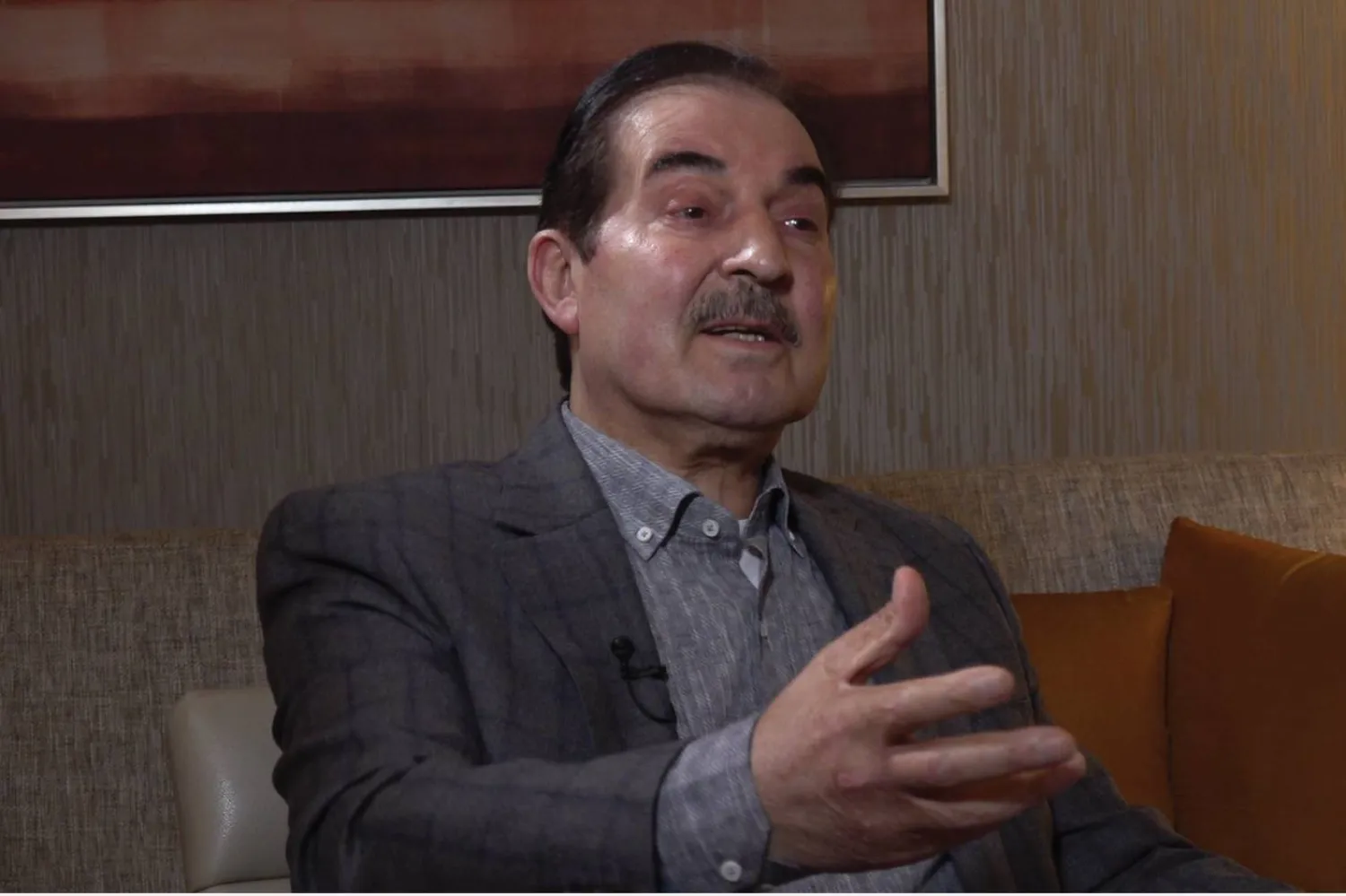
Iraqi intelligence found itself confronted with a new reality. In an interview to Asharq Al-Awsat, al-Jomaili described the invasion as “the major mistake that broke the regime” and led to it being besieged, effectively destroying its economy and society and halting all development and growth. It also exposed the regime to various threats and dangers.
Iraq became an isolated island that was being choked by international resolutions, sanctions and damning condemnations. The American forces dealt Iraqi troops devastating losses and the Iraqi opposition found itself presented with opportunities they had never dreamed of.
Years later, the invasion of Kuwait would give the United States, under President George W. Bush, the excuse to invade Iraq in 2003. Washington used several excuses to justify its own invasion, such as Saddam’s alleged possession of weapons of mass destruction and his regime’s so-called ties to al-Qaeda. Al-Jomaili said Iran played a significant role in promoting fabricated claims against the regime.
There has long been speculation over whether Saddam’s regime had contacts with al-Qaeda.
Al-Jomaili was actually the Iraqi official who - through Syrian mediation - sent the first oral message from Iraq to al-Qaeda leader Osama bin Laden, who was living in Sudan at the time.
The first attempt at communication failed. Hassan Al-Turabi, leader of Sudan’s National Islamic Front and “godfather” of Omar al-Bashir's regime, then successfully intervened as a mediator that led to bin Laden agreeing to meeting with chief of Iraqi intelligence, Farouk Hijazi. Hijazi was executed in wake of the 2003 invasion.
Al-Jomaili recalled that Iraq and Saudi Arabia had reached a security agreement whereby both sides would refrain from meddling in each other’s affairs and from carrying out espionage and security activity on their territories. Relations were good, he added, but the agreement effectively collapsed with the invasion of Kuwait.
Information began to pour in that Saudi Arabia was in contact with the Iraqi opposition. “We sent an open letter to the president requesting that the security agreement with Saudi Arabia be annulled, but he refused,” added al-Jomaili. “He later requested that we send him a monthly report about the issue. He later concluded that Saudi Arabia had started to support regime change in Iraq.”
The president then ordered that all efforts be dedicated to undermining the American military presence in the region, continued al-Jomaili. When the president makes such an order, all concerned agencies do whatever they can to carry it out.
“At the time, I was director of the Syria branch of the intelligence agency. We enjoyed good ties with the Muslim Brotherhood in Syria that was led by Adnan Aqla,” he continued. Iraq sought to arrange a meeting with bin Laden, who had ties to the Muslim Brotherhood.
Al-Jomaili met with a Muslim Brotherhood official in Baghdad seeking to convey a message to bin Laden that he and Iraq have a shared goal: getting the American troops out of the Arabian Peninsula and the region and that they can cooperate to this end.
The official delivered the message to the al-Qaeda leader, who refused to cooperate with Iraq, saying its regime was the reason why the American troops were deployed in the region in the first place. Bin Laden was adamant: there would be no meeting with his representatives or any cooperation with him.
This was during the early 1990s. Hijazi received a similar response from bin Laden when he sought contact with him through another channel.
“I later found out that Hijazi had traveled to Khartoum where he met with bin Laden through mediation by Turabi who was reportedly at the meeting,” al-Jomaili told Asharq Al-Awsat.
Hijazi came back empty-handed to Baghdad and al-Qaeda and the regime never ended up cooperating with al-Qaeda. George W. Bush was likely aware of this, but he refrained from mentioning it when he justified the US invasion of Iraq.