
Lebanon’s electoral scene remains subdued amid growing political confrontation between the Shiite “duo” - Hezbollah and the Amal Movement - and the Free Patriotic Movement, as well as with the parliamentary majority over whether Lebanese citizens abroad can vote from overseas.
The dispute has delayed agreement on the electoral law that will govern the 2026 parliamentary elections, a process increasingly entangled with broader questions about Lebanon’s future after the Gaza war. Hezbollah, wary of what it calls the “Gaza-style solution” being discussed for southern Lebanon, fears that Israel may expand its campaign, targeting its remaining military infrastructure - particularly tunnels allegedly used for precision missiles - to pressure Beirut into disarming under US cover.
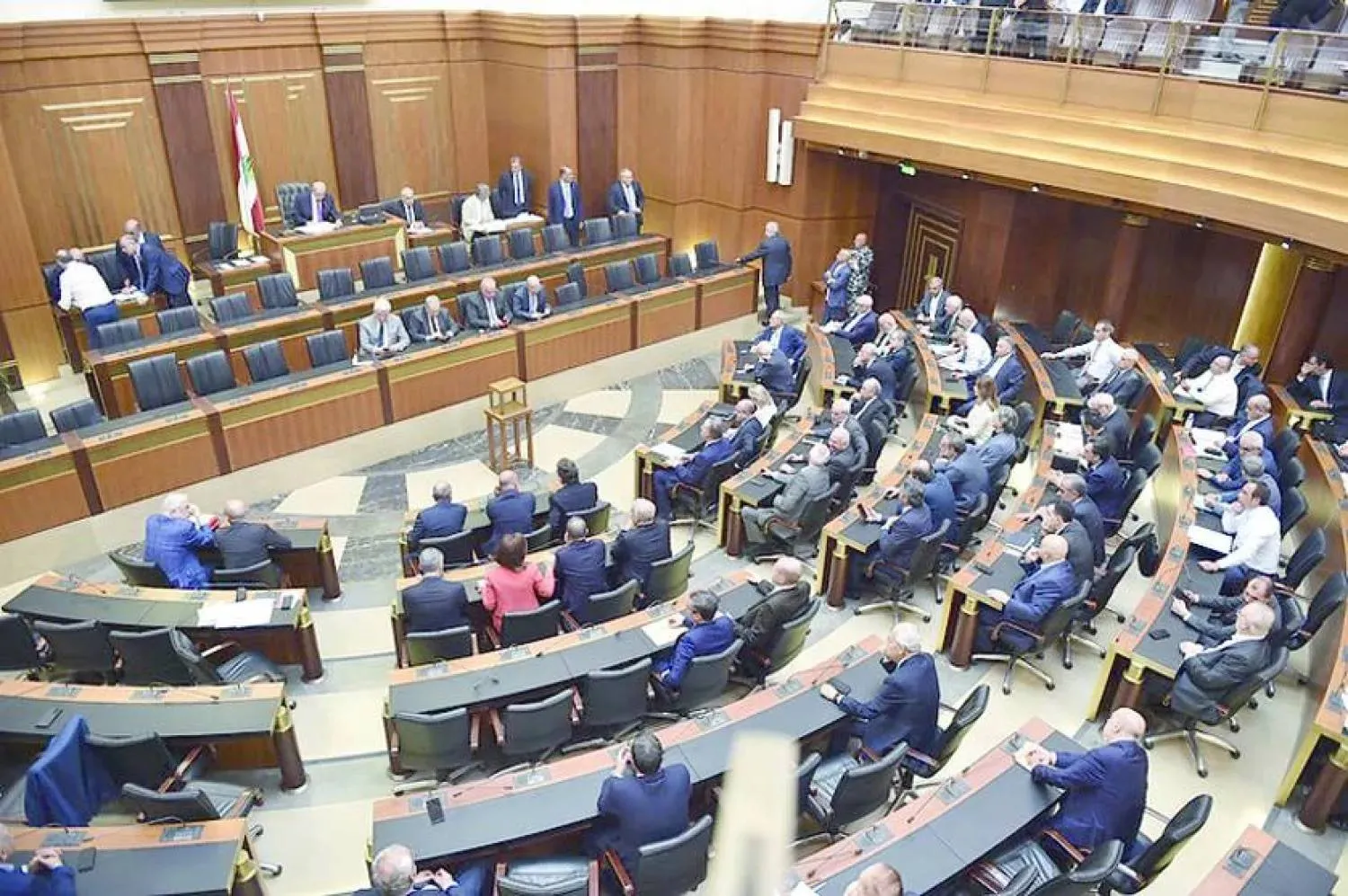
The disagreement over the voting rights of expatriates has paralyzed the parliamentary subcommittee tasked with reviewing election law amendments. Without a compromise, legislative progress will remain frozen. A political settlement would be required to reactivate the committee and pave the way for a vote in Parliament.
Although all blocs publicly support holding elections on schedule in spring 2026, failure to agree on the legal framework threatens the process.
According to visitors to President Joseph Aoun quoted by Asharq Al-Awsat, the President insists that the elections must take place on time and has urged political forces not to waste months in delay. Behind the scenes, discussions are intensifying over a possible compromise that would cancel the allocation of six parliamentary seats for expatriates and revoke their right to vote from abroad.
A senior source within the Shiite duo confirmed the position to Asharq Al-Awsat: “We remain opposed to allowing expatriates to vote for all 128 MPs from abroad.”
He added: “We are open to a compromise, provided that Article 112 of the current law, which governs external voting, is not removed. Eliminating it would tilt the playing field in favor of our rivals, who can campaign freely in the diaspora, unlike us. Hezbollah is listed as a terrorist organization in several countries, and many of our members are under US sanctions. We must protect our community abroad and avoid exposing them to any form of legal or security pursuit.”
The source stressed that the decision to cancel overseas voting, effectively dropping the six seats allocated to expatriates, is “final and irreversible.” Those wishing to vote, he said, must return to Lebanon to exercise their democratic right.
“We are fighting an existential battle,” he added. “Our opponents rely on foreign support and aim to weaken our parliamentary influence by running Shiite candidates against us. But the elections will reaffirm our popular legitimacy.”
The parliamentary subcommittee studying electoral reforms has suspended its meetings “until political conditions mature,” the source said. No consensus has been reached, and progress now depends on “outside intervention” from senior political figures to forge a national agreement that Parliament could later formalize.
Speaker Nabih Berri, meanwhile, has reiterated that elections will proceed under the current law, a stance widely seen as a counter to the parliamentary majority’s demand to delete Article 112, which would allow expatriates to vote from their countries of residence. Berri’s position suggests a trade-off: dropping the six dedicated expat seats in exchange for excluding overseas voting altogether.