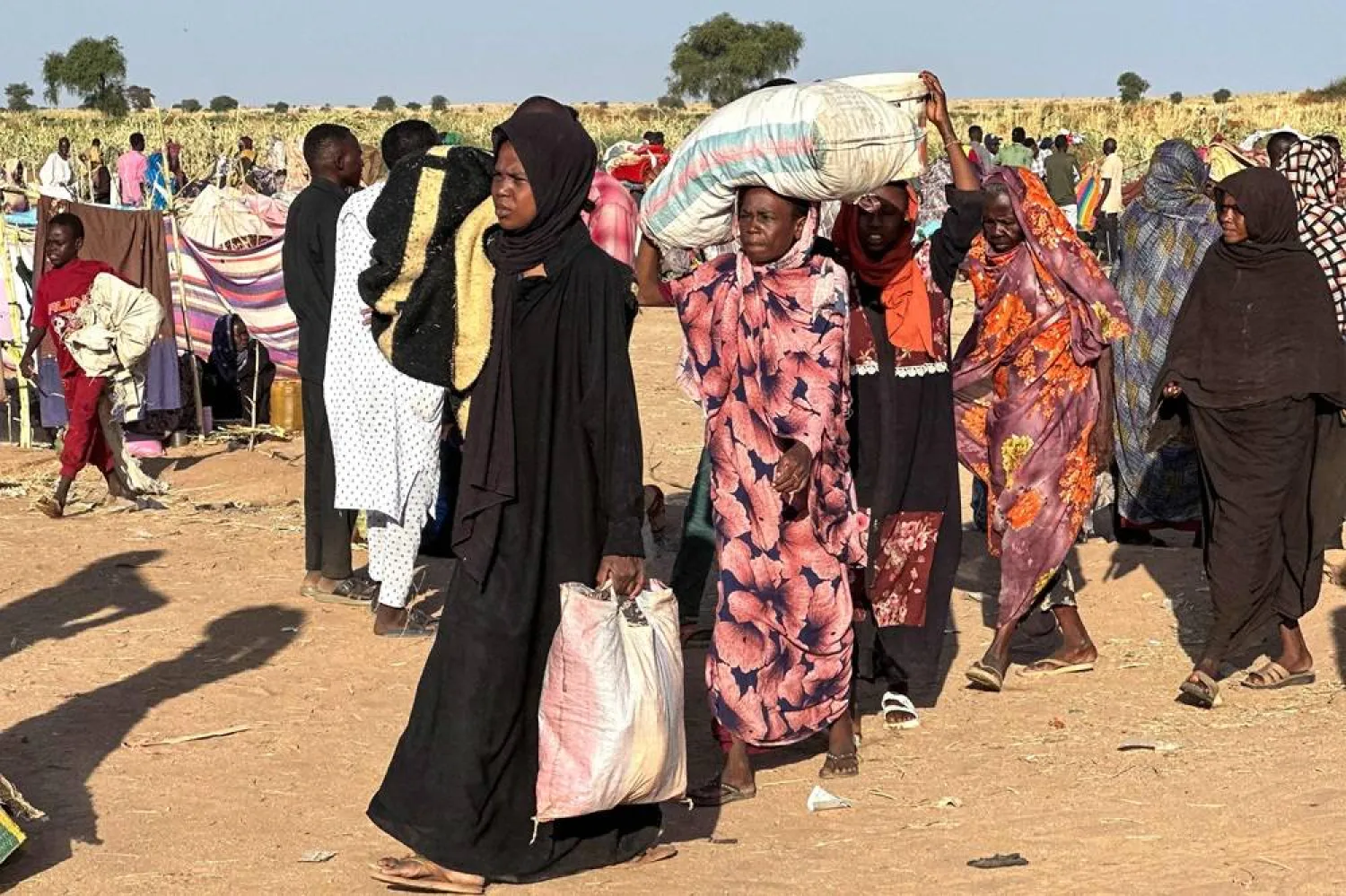
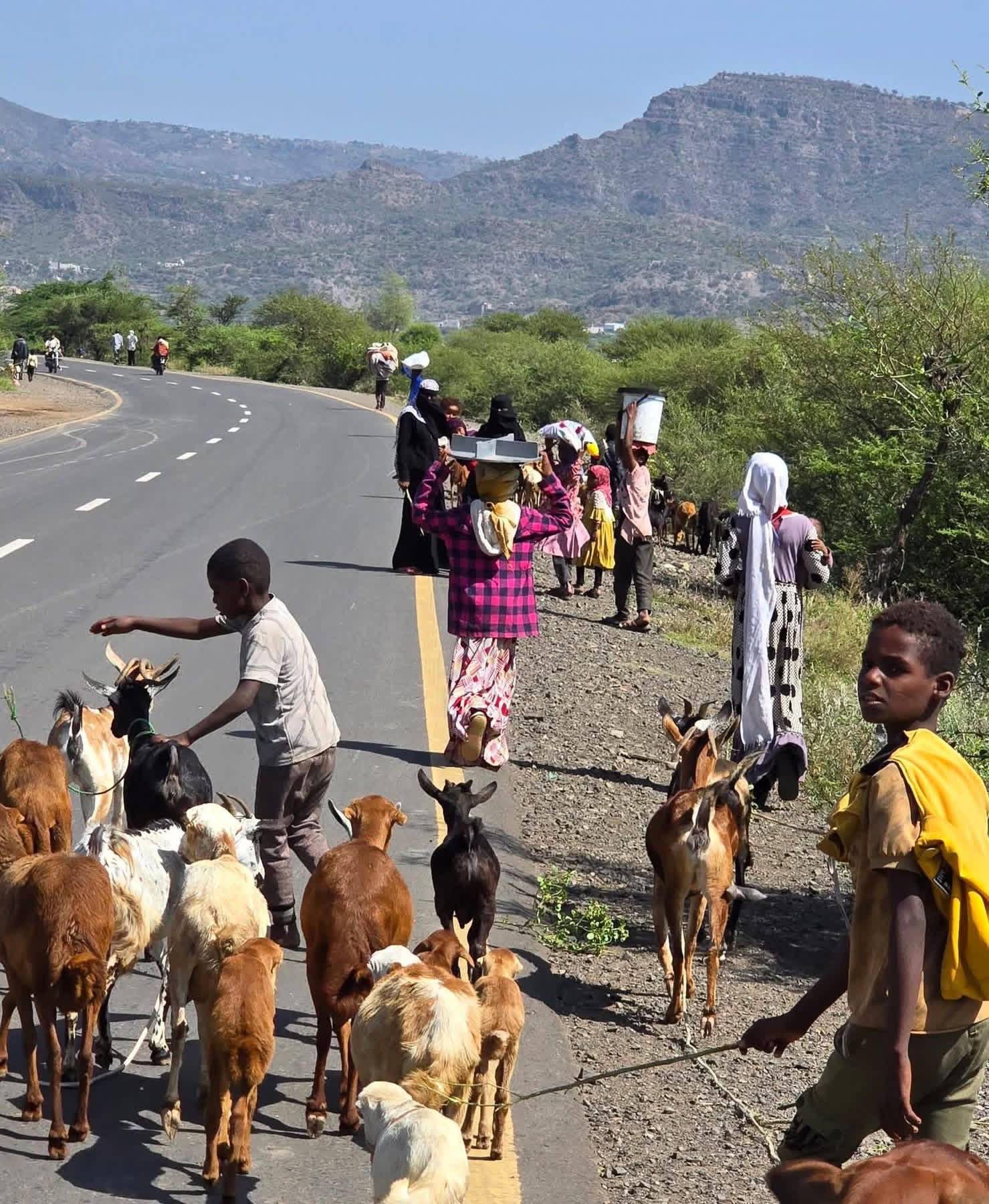
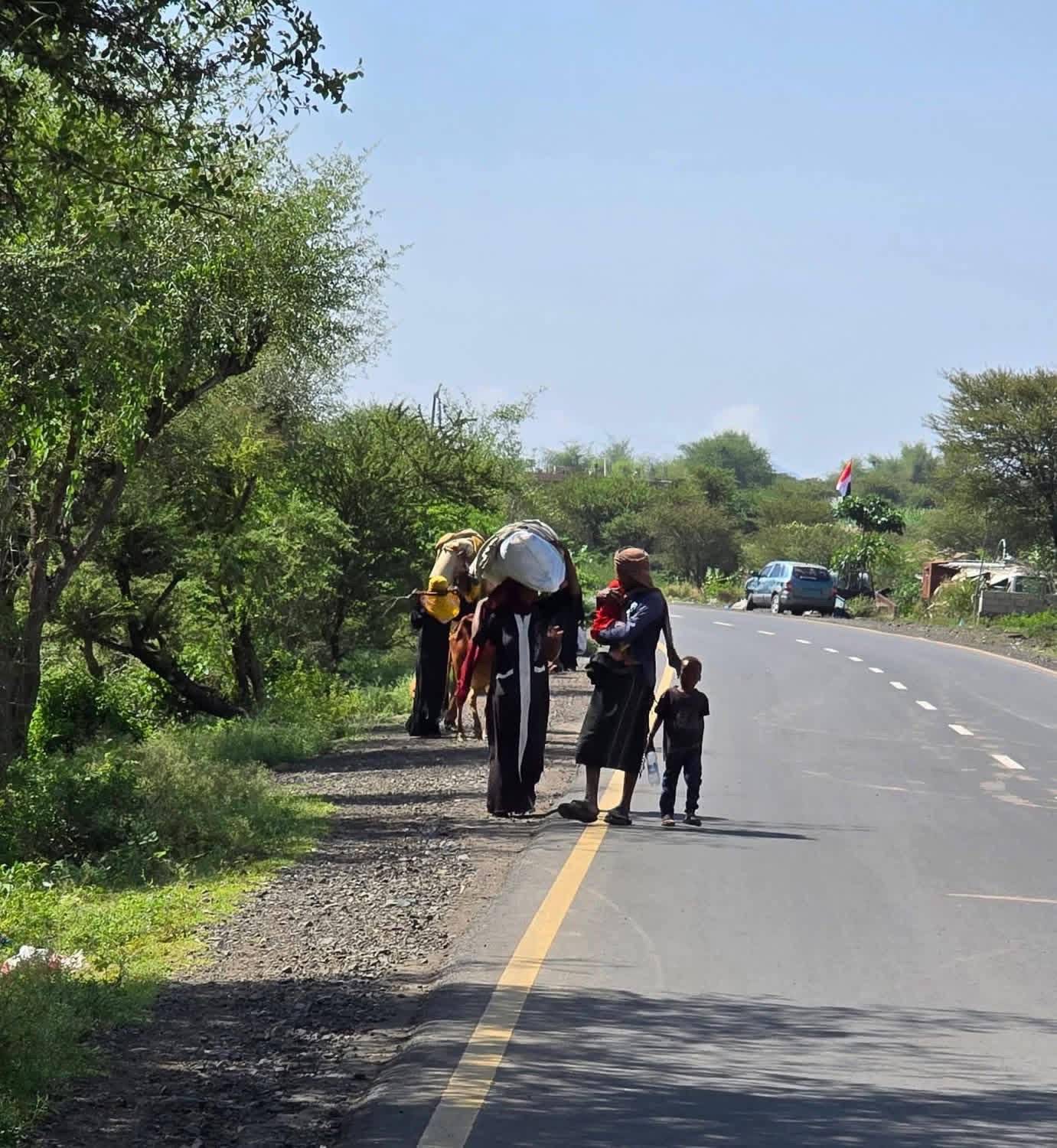
Displaced Sudanese who fled el-Fasher after the city fell to the Rapid Support Forces (RSF), arrive in the town of Tawila war-torn Sudan's western Darfur region on October 28, 2025. (AFP)
TT
TT
UN Issues 'Stark' Warning on Sudan's Kordofan
Displaced Sudanese who fled el-Fasher after the city fell to the Rapid Support Forces (RSF), arrive in the town of Tawila war-torn Sudan's western Darfur region on October 28, 2025. (AFP)
The United Nations issued a "stark warning" Friday over preparations for intensified fighting in Sudan's Kordofan region, as it made a new call for an end to the violence.
The paramilitary Rapid Support Forces (RSF), who have been locked in conflict with Sudan's regular army since April 2023, announced on Thursday that they had agreed to a humanitarian truce proposal made by mediators.
Following the RSF capture of el-Fasher in late October of the army's last major stronghold in the western Darfur region, the paramilitaries appear to be shifting their focus eastward towards Khartoum and oil-rich Kordofan.
UN human rights chief Volker Turk said traumatized and trapped civilians were being prevented from leaving el-Fasher.
"I fear that the abominable atrocities such as summary executions, rape and ethnically motivated violence are continuing within the city," he said in a statement.
And for those who do manage to escape, the exit routes have been the scenes of "unimaginable cruelty", he added.
"At the same time, I issue a stark warning about events unfolding in Kordofan," said Turk.
"Since the capture of el-Fasher, the civilian casualties, destruction and mass displacement there have been mounting. There is no sign of de-escalation.
"To the contrary, developments on the ground indicate clear preparations for intensified hostilities, with everything that implies for its long-suffering people."
The RSF have been accused of mass killings, looting and sexual violence in el-Fasher.
Turk said that given the "cataclysmic violence" in the city, countries were on notice that without quick and decisive action, "there will be more of the carnage and atrocities that we have already witnessed".
He said the provision of military support to sustain parties committing serious violations must stop.
"I repeat my plea for an immediate end to the violence both in Darfur and Kordofan. Bold and urgent action is required by the international community," said Turk.
The fall of el-Fasher gave paramilitaries control over all five state capitals in Darfur, raising fears that Sudan would effectively be partitioned along an east-west axis.
A displaced Yemeni family enters a makeshift shelter at the Al-Kod Al-Othmani displacement camp in Sheikh Othman district, Aden, Yemen, Thursday, Oct. 8, 2026. (AP Photo/Abdulnasser Alseddik)
Houthi Escalation Strains Health Services, Deepens Displacement
A displaced Yemeni family enters a makeshift shelter at the Al-Kod Al-Othmani displacement camp in Sheikh Othman district, Aden, Yemen, Thursday, Oct. 8, 2026. (AP Photo/Abdulnasser Alseddik)
Yemen’s humanitarian crisis is worsening as the Houthi escalation spreads, leaving more than 5,000 people dead or wounded since August, displacing about 200,000 and fueling a rise in suspected cholera and measles cases.
The United Nations is warning of gaps in care and the risk of outbreaks as health services struggle to reach the wounded and deliver emergency treatment, especially in conflict zones and displacement camps.
UN Health Cluster data show 5,166 casualties since Aug. 6, including 959 deaths. In six days alone, 685 new casualties were recorded, a daily average of 114, up from about 101 in the preceding period, signaling a continued rise in the conflict’s human toll.
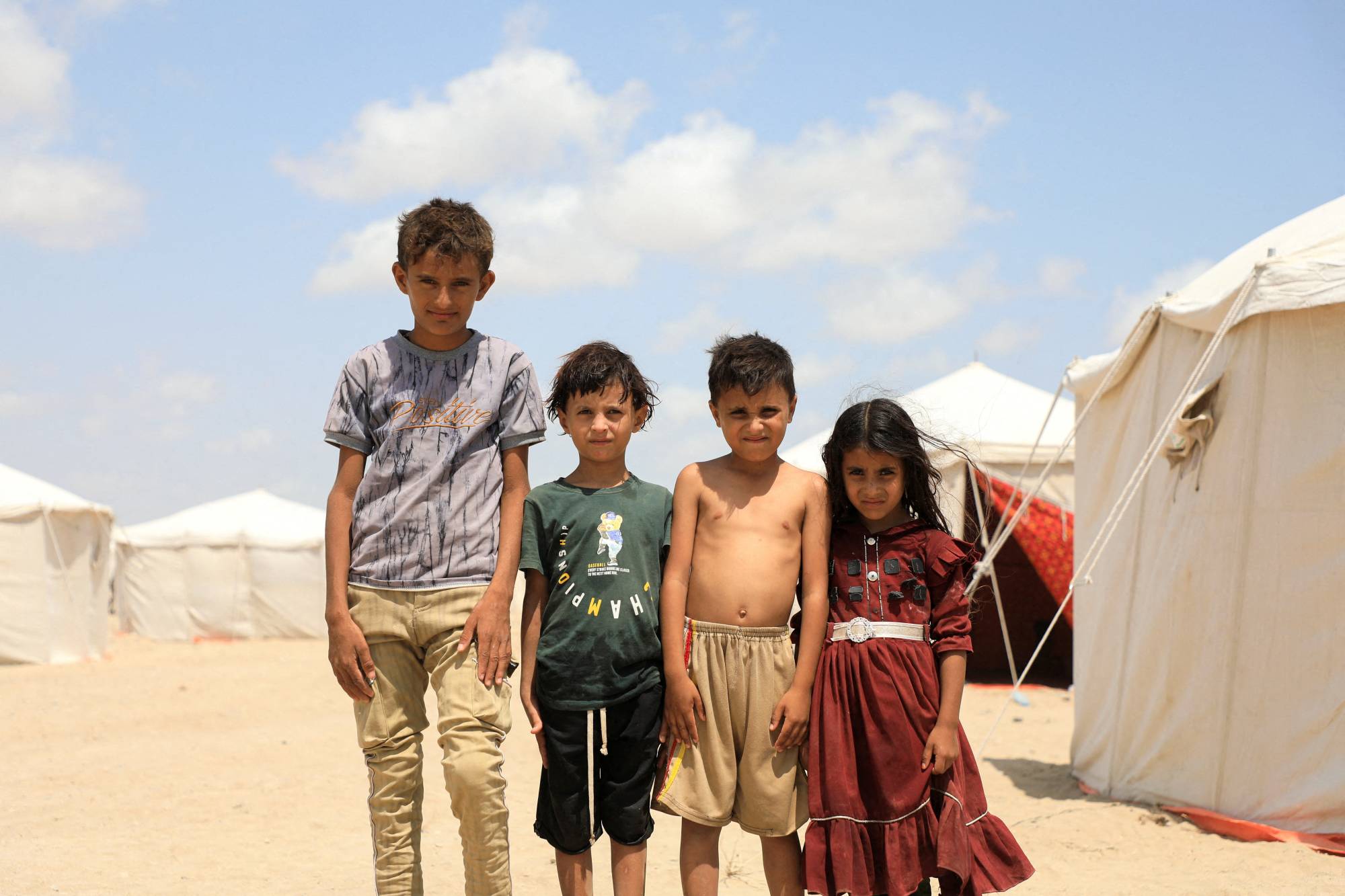
Children pose for a photo in a makeshift camp for people displaced by clashes near Aden, Yemen October 7, 2026. REUTERS/Stringer
Taiz governorate in southwestern Yemen has become one of the deadliest fronts, with average daily casualties jumping from eight to 109 in a week as fighting moved into Taiz city. Preliminary reports also indicated casualties in Hadramout and Al-Jawf, while violence and casualties remain high in Lahj and Marib.
Displacement is adding to the strain on host communities, while shortages of trauma stabilization points and medical supplies hamper efforts to reach the wounded and meet mounting health needs.
For medical teams near the front lines, reaching the injured quickly is a critical challenge. Too few trauma stabilization points near the fighting mean precious time is lost during the “golden hour,” when urgent medical intervention can improve a wounded person’s chances of survival.
Difficulties in providing medical services on the front lines with the Houthis (local media)
First-level trauma stabilization points remain a major gap in the health response. Six of the 20 planned points still lack partner support, limiting the health system’s ability to stabilize patients and get them to operating rooms within an hour of injury.
Communications outages and security risks are also hampering efforts to track humanitarian conditions. Aid workers believe the available figures understate the actual toll, while continued fighting makes reports of attacks on health facilities difficult to verify.
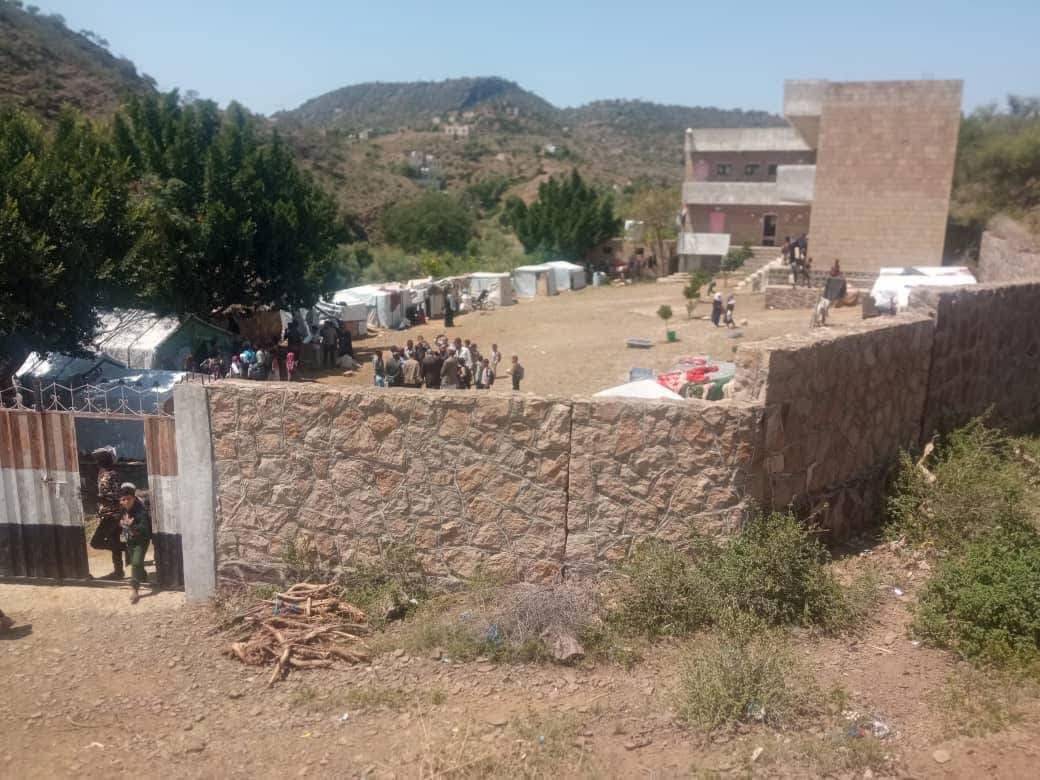
Displacement camps in Yemen lack basic necessities (local media)
Displacement and outbreaks
The fallout from the Houthi escalation extends beyond the dead and wounded. About 200,000 people have been displaced, including 29,519 families across 10 governorates, with displacement rising 8% in just five days.
Lahj accounted for about two-thirds of the latest increase, underscoring the pressure on residents and host communities as fighting drives up demand for shelter, basic services and health care.
Displacement has spread further into eastern governorates, including Hadramout, Al-Mahra and Shabwa. The consolidated report lists 454 displaced families in those governorates, up from 201 on Sept. 23.
In Hadramout, the Mukalla center reported another 429 families in Al-Abr, in Wadi Hadramout, who have yet to be included in the consolidated report, suggesting the actual displacement figures are higher.
Civilians pay the price for Houthi escalation in several governorates (local media)
More than 3,600 people have also crossed into Djibouti, according to the data, extending the conflict’s humanitarian repercussions beyond Yemen.
Growing displacement and deteriorating living and health conditions are heightening fears of outbreaks as cholera and measles cases rise, immunization gaps widen and displaced children show alarming levels of acute malnutrition.
Surveillance data show suspected cholera cases nearly tripled in three weeks, reaching 647 in week 39, up from 217 in week 36.
Measles is spreading alongside cholera as displacement and overcrowding in areas hosting affected families widen immunity gaps, increasing health risks for children, especially those suffering from malnutrition.
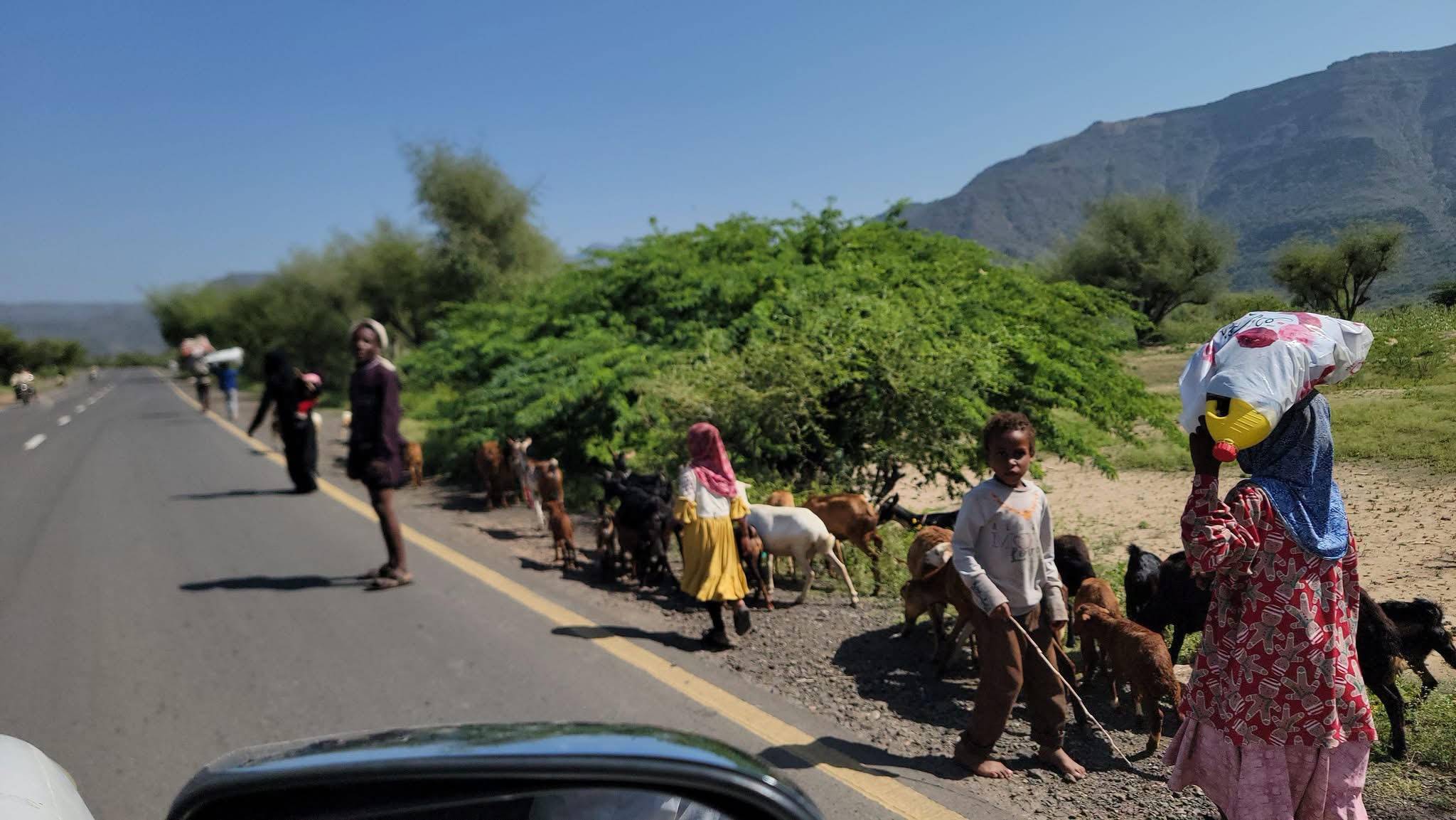
People fleeing Houthi escalation in Taiz governorate (local media)
Malnutrition
Screenings by International Medical Corps mobile medical teams have found high levels of acute malnutrition among displaced children, offering another measure of deteriorating health and living conditions.
Of 54 displaced children under five screened, nine had severe acute malnutrition and 29 had moderate acute malnutrition, highlighting urgent nutritional and treatment needs among the most vulnerable.
At least five health facilities have run out of ready-to-use therapeutic food, and three have exhausted their stocks of supplementary food, threatening their ability to treat children most at risk of complications.
Yemen's Houthis Mobilize Blood Banks as Casualties Mounthttps://english.aawsat.com/arab-world/5327791-yemens-houthis-mobilize-blood-banks-casualties-mount
Yemen's Houthis Mobilize Blood Banks as Casualties Mount
Houthis mobilize blood donations for hospitals packed with their wounded fighters (X)
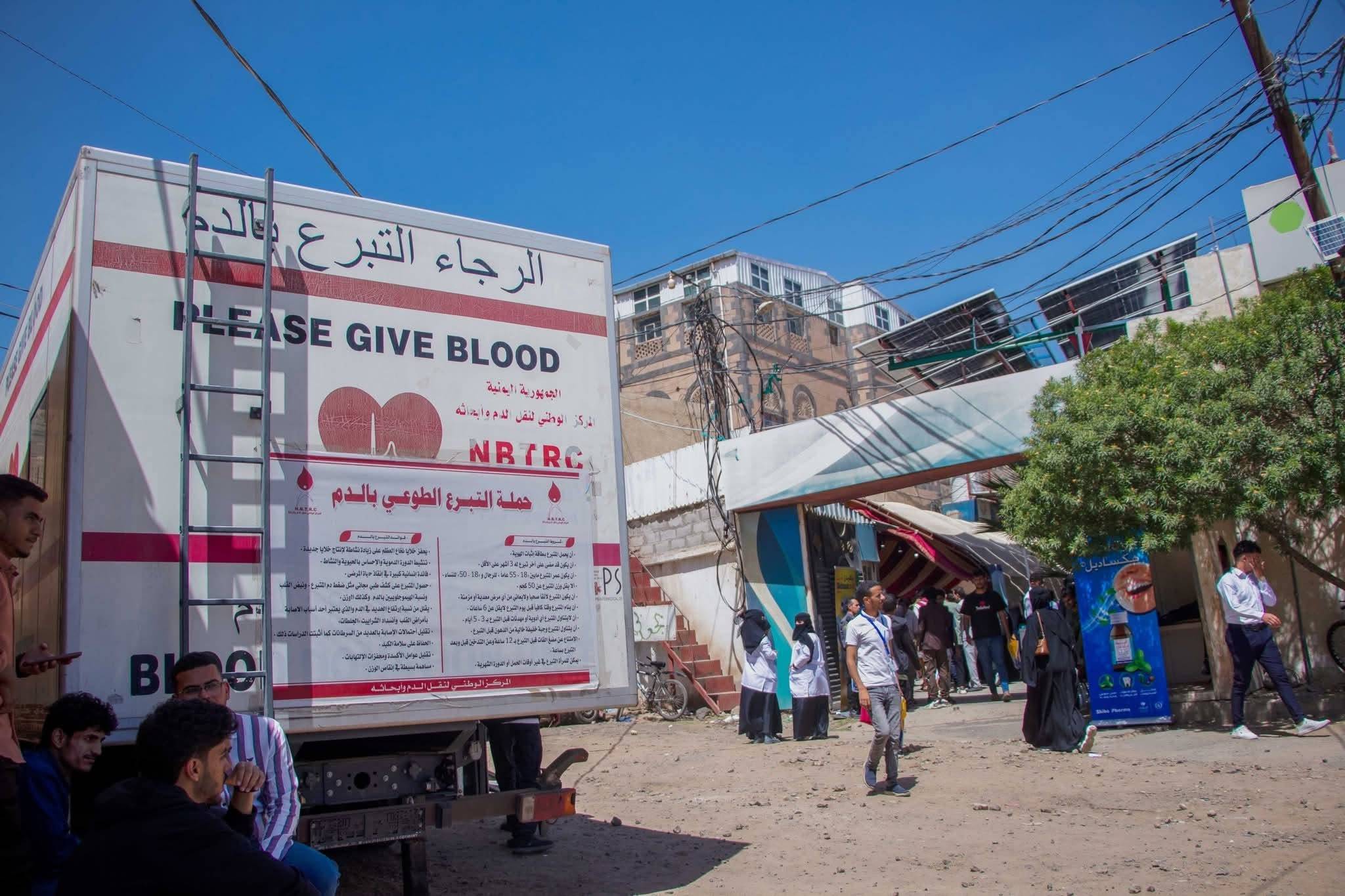
The Houthi group has sent blood donation vehicles into streets, neighborhoods and squares across Sanaa and four Yemeni provinces over the past two days, urgently appealing for donors amid signs of rising numbers of wounded fighters following recent military developments.
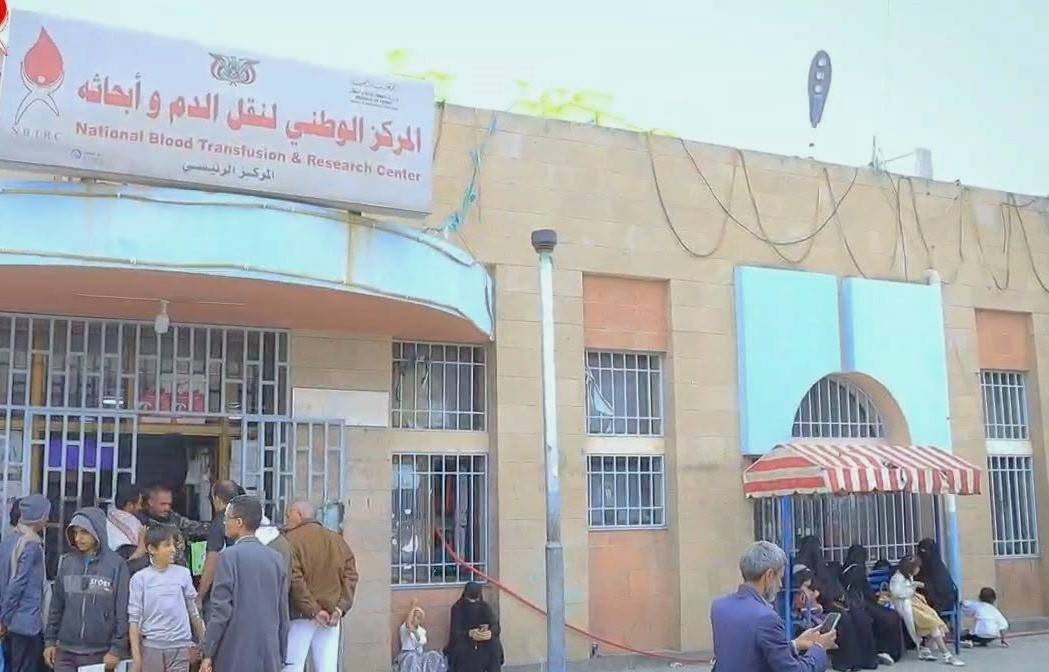
Vehicles and trucks belonging to the so-called “National Blood Transfusion and Research Center” were deployed across the seized Yemeni capital and the provinces of Dhamar, Ibb, Al-Mahwit and Hodeidah in an intensive drive to mobilize residents to donate blood.
The vehicles toured densely populated areas, broadcasting appeals through loudspeakers.
Local sources told Asharq Al-Awsat that the group had ordered medical workers, neighborhood officials and community leaders in the targeted provinces to mobilize residents and direct them to donation centers as fighting spread across several fronts.
The sources said Houthi-controlled health facilities were on high alert, with demand rising for various blood types. Hospitals were receiving growing numbers of wounded Houthi fighters, according to local accounts.
The Houthi-controlled National Blood Transfusion and Research Center in Sanaa (Facebook)
Residents in Sanaa and elsewhere described the heavy deployment of donation vehicles over the past two days as striking, citing repeated loudspeaker appeals urging people to visit donation points.
They linked the campaigns to recent battlefield developments and questioned the scale of injuries behind the group’s decision to expand the drive to more areas.
High alert, mounting losses
“Houthi appeals this time are more urgent than in previous campaigns,” said Qassem, a Sanaa resident.
“No one refuses to donate blood to save a human life, but the question is: Why do they keep sending people to the front lines, then ask residents to provide blood to treat the consequences of those battles?”
In Ibb, 193 kilometers south of Sanaa, resident Majdi said the intensified appeals “do not come out of nowhere.” The group was using various methods to mobilize residents, he said, without disclosing the scale of losses driving the surge in demand for blood.
“People are struggling with poverty, rising prices and deteriorating services, and now they are also being asked to bear the consequences of war and provide blood for the wounded,” he said.
In Dhamar, 100 kilometers south of Sanaa, sources and residents reported that blood donation vehicles from the center’s local branch were operating in several city neighborhoods, alongside urgent appeals for donors.
They said growing numbers of wounded Houthi fighters continued to arrive at hospitals, particularly Dhamar General Hospital, putting further pressure on health facilities.
In Al-Mahwit and Hodeidah in the west, local sources said turnout was initially very low. The group then expanded the campaigns to government institutions and private establishments, urging employees and workers to donate.
Houthi vehicles used loudspeakers to urge residents to donate blood (Facebook)
The sources described the campaigns as part of a wider state of high alert. Their timing, alongside military developments, reinforced residents’ belief that large numbers of wounded fighters urgently needed blood.
Residents in Houthi-controlled areas, meanwhile, face deteriorating health services and shortages of medicines and medical supplies.
They are calling for treatment services that meet civilians’ needs, rather than further burdens on facilities already stretched by limited resources.
26 Women, 4 Children Killed in Sudan RSF Drone Strikehttps://english.aawsat.com/arab-world/5327771-26-women-4-children-killed-sudan-rsf-drone-strike
FILE PHOTO: A collapsed mosque wall following a drone strike in Khartoum North, in Bahri city, Sudan, August 12, 2026. REUTERS/El Tayeb Siddig/File Photo
26 Women, 4 Children Killed in Sudan RSF Drone Strike
FILE PHOTO: A collapsed mosque wall following a drone strike in Khartoum North, in Bahri city, Sudan, August 12, 2026. REUTERS/El Tayeb Siddig/File Photo
A drone strike launched by Sudan's Rapid Support Forces killed 26 women and four children on Friday near the southeastern border with Ethiopia, an official and eyewitnesses told AFP.
The latest front line in Sudan's war between the regular army and the RSF is the border region with Ethiopia, which is facing its own internal conflict that threatens to escalate into a regional war.
Since Sudan's war broke out in April 2023, it has killed more than 200,000 people, aid workers estimate, and created the world's largest hunger and displacement crises.
This year alone, nearly 100,000 people have been displaced across Blue Nile state, according to UN figures.
In a displacement camp in Blue Nile's Abu Shendi, survivors "buried 26 women and four children" from Friday's strike, one person involved in the burial told AFP.
The drone hit just outside the camp, near an informal gold mining site, where women earn a daily wage using chemicals and their bare hands to clear gold nuggets from clumps of earth men have extracted.
The victims included "young girls who work with their families in refining the gold", another eyewitness said.
The country's multi-billion-dollar gold trade, built mostly on makeshift operations like Abu Shendi's, fuels the war efforts of both sides.
Mahgoub al-Sheikh, the governor of Wad al-Mahi where the attack took place, said the drone was launched from "inside Ethiopia".
Sudan has repeatedly accused Ethiopia of harboring RSF fighters and bases within its territory.
Ethiopia has denied the accusations, though local sources say the porous border is a key supply line for the paramilitary and its allies.
Throughout this year, the RSF has pushed an offensive approaching state capital El-Damazin.
The advance could put the army in a bind, forcing it to defend territory on both the Blue Nile front and in the Kordofan region, where a year of deadly drone strikes has left the two sides in a stalemate.
The Sudan war, now in its fourth year, has evolved into an ever more sophisticated conflict using armed drones, enabling both sides to launch far-reaching attacks without sacrificing their fighters.
More than 1,100 people were killed by drone strikes during the first five months of this year alone, according to UN figures.
The conflict, which the UN calls a "war of atrocities", has visited a litany of horrors on civilians including ethnic massacres, famine and indiscriminate attacks on residential areas.
لم تشترك بعد
انشئ حساباً خاصاً بك لتحصل على أخبار مخصصة لك ولتتمتع بخاصية حفظ المقالات وتتلقى نشراتنا البريدية المتنوعة