
Sudan’s war enters its fourth year on Wednesday after three years of bitter fighting that have reshaped life for millions, not only in casualty figures but in daily stories of loss, endurance, and shattered hopes for safety and stability.
The conflict, which erupted between the Sudanese army and the Rapid Support Forces on April 15, 2023, and continues across large parts of the country, has upended daily life, leaving behind fear, grief, and deep social scars.
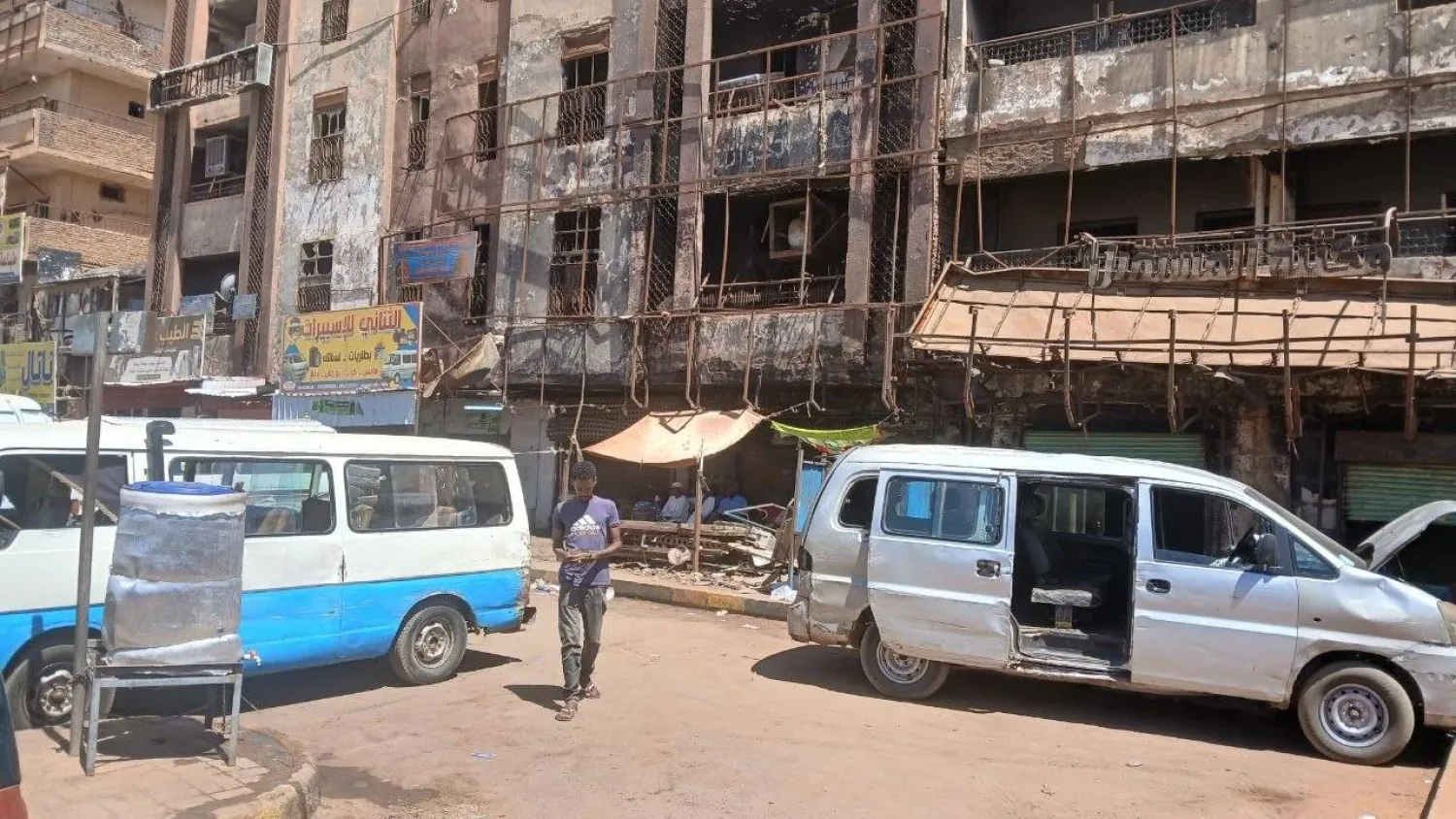
In Khartoum, streets that once bustled with life are now eerily quiet. Burned buildings, cracked facades, and abandoned, rusting cars line roads where only a few people pass.
Near total paralysis
Across the capital, daily life has been severely disrupted. Markets that once drove economic activity are largely paralyzed, while disease spreads, electricity cuts stretch for hours, and prices surge. Those who remain survive on the bare minimum.
Entire neighborhoods reflect the scale of the crisis. Many homes stand empty after residents fled, while others lie in ruins. Schools and hospitals have been damaged, triggering a sharp decline in education and health care services.
Yet amid the devastation, small signs of resilience persist. Volunteers clean streets, reopen modest shops, and assist those in need, reflecting a determination to reclaim what remains.
Deferred dream
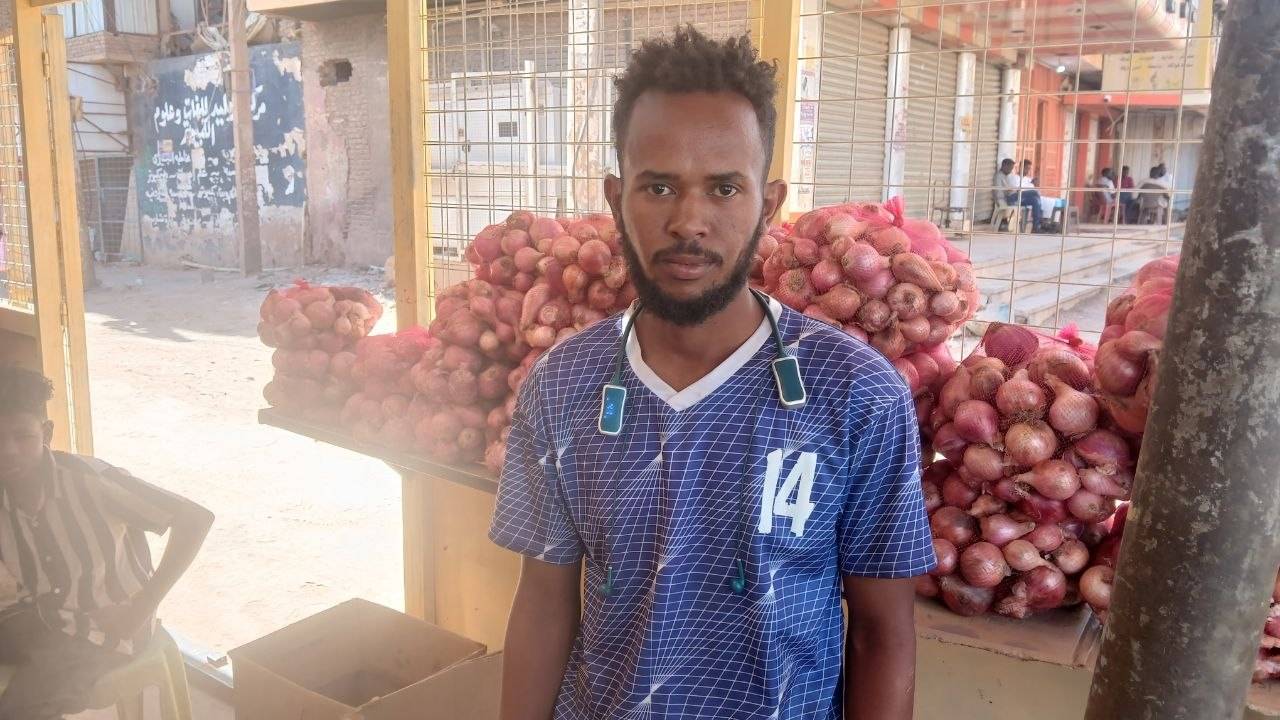
Ali al-Tayeb, a university student, once had a clear path: studying chemical engineering. The war abruptly derailed those plans.
He said panic in the early months forced him and his family to flee from White Nile state to Talodi in South Kordofan.
“The suffering was not just a geographical move; it was the collapse of an entire educational path because of the harsh economic conditions,” he said.
“Now I work as a salesman in a small shop after my studies stopped, and I live day by day, hoping that one day I will return to university.”
Awatif Abdelrahman, a tea seller, carries a deeper loss. Her son disappeared in the chaos after leaving to buy bread.
Her home in Omdurman’s Wad Nubawi district was shelled, forcing her to flee north to al-Thawra. When she returned months later, she found only rubble, her house destroyed and looted.
“All I want is for the war to end, and for my son to return safely,” she said.
Resilience and hope
Khartoum stands at a crossroads between a past marked by destruction and an uncertain future. Despite deep wounds, the city endures.
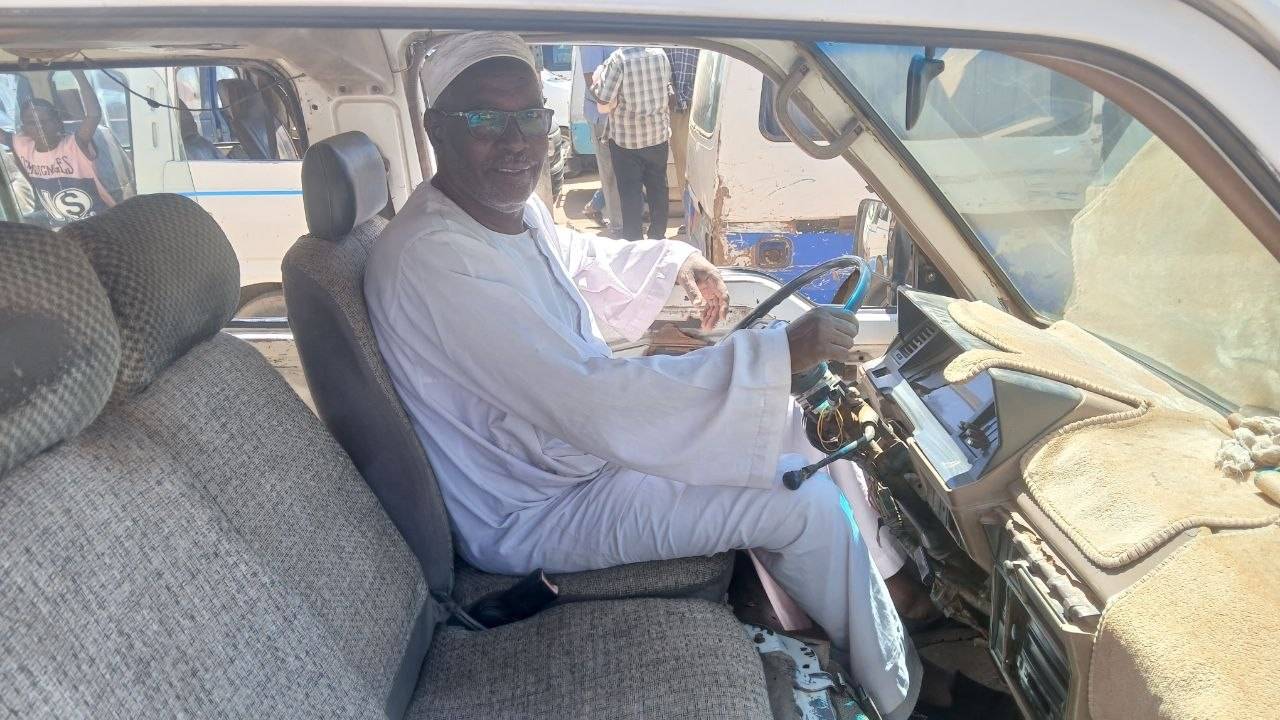
Public bus driver Magdi Khalifa lost not only his livelihood but also relatives and friends, some killed in the war, others due to the collapse of health care.
“They are unforgettable days of cruelty, and they have left their mark on every detail of our lives,” he said.
Elsewhere, butcher Mohamed Darwish is trying to rebuild after heavy financial losses forced him to start from scratch.
“We live on hope, and we only want a safe life without fear,” he said.
Their stories converge on one point: war not only takes lives, it erases stability, security, and the future itself, while exposing a fragile but persistent hope.
Rising hunger and poverty
Poverty has surged during the war, with 70% of the population now living below the poverty line, according to Luca Renda, the United Nations Development Program’s resident representative in Sudan, speaking to AFP.
Before the war, about 38% of the population lived below the poverty line; now the UNDP estimates that figure has reached around 70%,” said Renda, adding that one in four Sudanese lives on less than $2 a day.
In conflict zones such as Darfur and Kordofan, poverty rises to around 75%.
The World Food Program recently described Sudan as facing the world’s largest hunger crisis, with more than 19 million people experiencing acute food insecurity.
A UNDP report released Tuesday said average income has fallen to levels not seen since 1992, while extreme poverty has exceeded levels recorded in the 1980s.
After three years of this conflict, it’s not just that Sudan is facing a crisis, but that the international community is witnessing the systematic erosion of the future of an entire country, according to Renda.
These figures reflect families torn apart, children out of school, and livelihoods lost.
The war has killed tens of thousands and displaced at least 11 million people, creating the world’s largest hunger and displacement crisis.
An accurate death toll remains elusive due to limited information, communications blackouts, and restricted movement across a country where much of the infrastructure has been destroyed.
The missing
The International Committee of the Red Cross said at least 11,000 people have gone missing since the war began, highlighting deep psychological suffering among families.
The number of missing persons cases has risen by more than 40% over the past year alone.
These figures most likely represent only a fraction of the real number, and show the human cost of protracted conflicts, noted James Reynolds, the ICRC’s deputy director for Africa.
The ICRC added that 70 to 80% of health infrastructure in conflict areas is either out of service or severely lacking resources.
Berlin is hosting a donors conference on Wednesday aimed at making tangible progress toward ending the war and addressing urgent humanitarian needs, after similar meetings in London and Paris over the past two years failed to produce a diplomatic breakthrough.