Fighting between Yemeni government forces and the Houthi group intensified on several fronts as Operation “Dawn of Yemen” entered its 10th day, with the southwestern province of Taiz emerging as the main strategic and operational battleground.
The clashes have seen government forces capture Houthi security officials, while fighting has spread to neighboring Lahj province and to Marib and al-Jawf in northeastern Yemen.
Ground battles are raging on five main fronts around Taiz city, while government forces continue to track and strike Houthi positions and fighters in Lahj, Marib and al-Jawf.
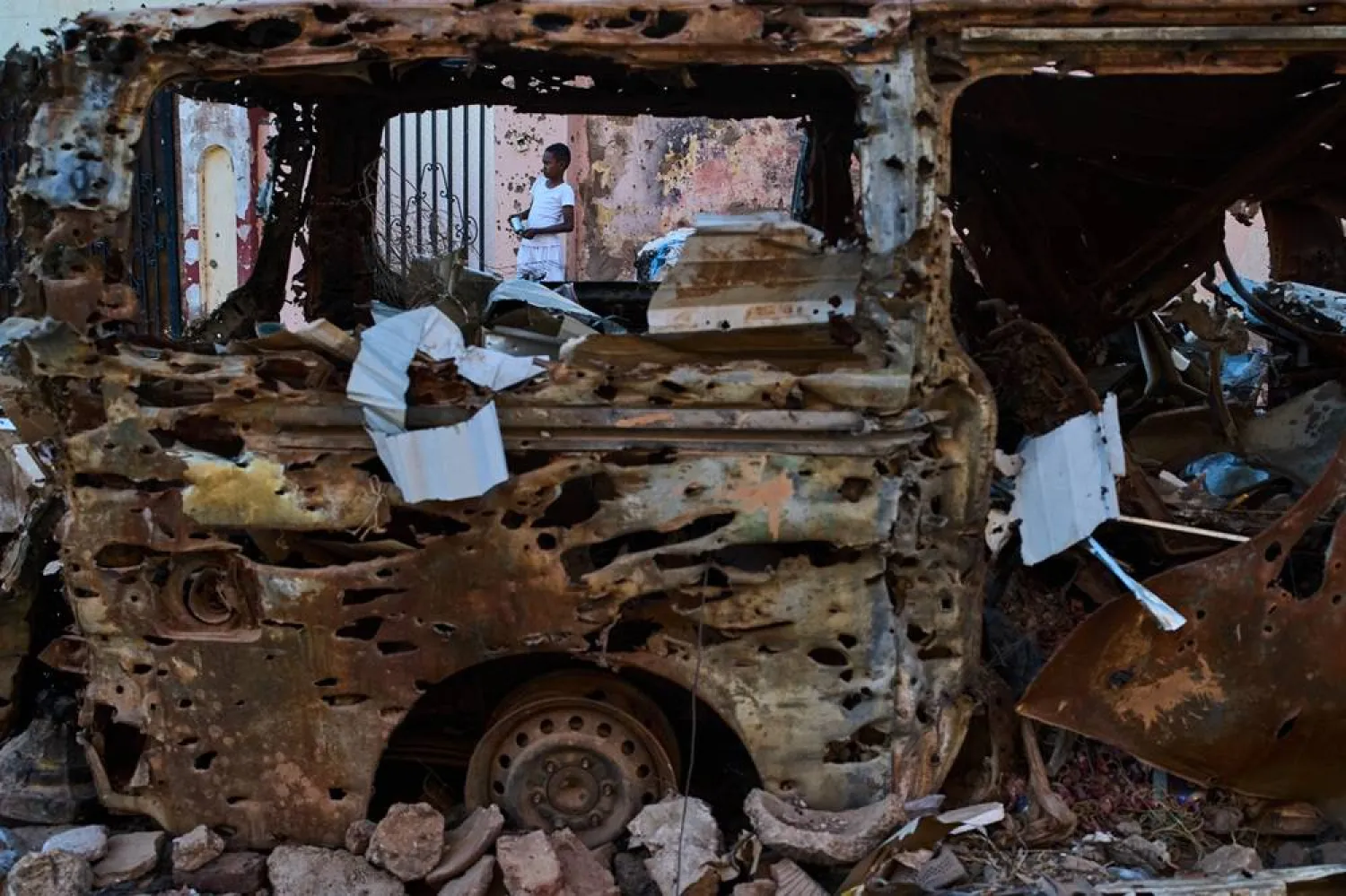
At the same time, the humanitarian situation in Taiz is worsening, amid accusations that the Houthis have attacked civilians in incidents that killed and wounded several people.
The media center of the Taiz Military Axis said fierce clashes broke out between its forces, backed by the Popular Resistance, and the Houthis on fronts west and northwest of Taiz.
Fighting has continued since Wednesday morning on the al-Dhabab front west of the city and on the al-Aqroud and al-Shaqab fronts to the south, intensifying later in the day.
According to the center, warplanes struck a convoy of Houthi tanks, vehicles and armored vehicles in the Ras al-Najd area of al-Misrakh district.
It said aircraft also carried out two strikes on Houthi positions on Sofitel Hill east of Taiz city, followed by two more strikes on Wednesday evening targeting a tank and a vehicle on the al-Dhabab front.
The center said more than 200 Houthi fighters were killed or wounded. It also reported the destruction of a vehicle and an armed convoy, damage to two tanks and the downing of a drone.
Yemeni Presidential Leadership Council Chairman Rashad al-Alimi announced on the fifth of this month the launch of the large-scale “Dawn of Yemen” operation, aimed at restoring state institutions, recapturing the capital Sanaa, ending the Houthi takeover and returning weapons and decisions over war and peace to the constitutional state.
Security blow hits Houthis
The Taiz Military Axis media office described fighting on the al-Dhabab front as the bloodiest, saying the Houthis were trying to break through the city’s western entrance around the strategic Jabal Han area, Wadi Hadharan and the outskirts of al-Sayahi.
At the same time, the group launched a heavy-weapons assault on the Jawlat al-Qasr front east of the city, it said.
An operational statement issued by the Yemeni armed forces’ media center said troops had thwarted a Houthi flanking attack near the al-Hangar checkpoint at the city’s western entrance.
It said artillery destroyed three armored vehicles and two ammunition supply vehicles.
In a separate statement, the Fifth Presidential Guard Brigade said army units carried out a swift flanking operation west of Taiz, capturing five Houthi security officials.
Footage released by military media showed the capture of intelligence official Mohammed Saeed al-Junaid, director of a branch of what the Houthis call their “Preventive Security” service in the al-Hawban area east of the city.
Also captured was Akram Amer, director-general of the anti-narcotics department at the Interior Ministry run by the internationally unrecognized Houthi government.
After government forces said they had captured five Houthi officials and the Fifth Presidential Guard Brigade released video of the detainees, Abdulqader al-Murtada, head of the Houthi prisoners’ committee, acknowledged that those detained were Interior Ministry employees.
He said they had gone to Taiz to arrange and secure the central prison after taking control of it but lost their way because of overlapping front lines.
Fierce clashes are also continuing around the strategic Jabal Han area west of Taiz, where government forces said they had repelled repeated Houthi attacks over the previous 24 hours despite the mountain being hit by hundreds of shells.
Jabal Han overlooks the Hadharan and al-Rubaie areas, as well as the road linking Taiz with the interim capital Aden and the road to Hodeidah, making it a key point for supply lines.
Residential neighborhoods in Taiz city have meanwhile come under heavy Houthi shelling, increasing the risks facing tens of thousands of civilians.
Humanitarian concerns are mounting as the siege of the city continues alongside severe shortages of basic and medical supplies.
The Information and Training Center for Human Rights documented the killing and wounding of five civilians, including two children, after three Houthi mortar shells struck homes in the village of Aad in Sabir al-Mawadim district.
The shelling also caused extensive damage to 11 homes, which were partially destroyed.
In al-Wazi'iyah district, one civilian was killed and another wounded after being run over by a Houthi military vehicle.
Separately, a woman was killed and three of her female relatives were wounded when a Houthi landmine exploded in Wadi Usus in al-Shamayatayn district in the south of the province.
Fighting spreads beyond Taiz
In Marib, the media center of the Third Military Region said army artillery, backed by drones, struck Houthi fortifications on the northwestern axis, helping government forces advance on high ground overlooking the strategic Mas military camp in Madghal district.
An operational report said a Houthi military convoy carrying combat vehicles was destroyed on the al-Kasara, al-Zour and southern Harib fronts.
Video released by the Yemeni army also showed warplanes striking Houthi barracks and fortifications in the area of responsibility of the Seventh Military Region in Marib.
In al-Jawf province, platforms affiliated with Yemen’s Defense Ministry said air strikes hit a military barracks and a gathering point for Houthi vehicles east of al-Hazm, the provincial capital.
The strikes paved the way for government forces to advance toward the outskirts of the city, they said.
In Lahj province, military media for the Nation’s Shield Forces, together with the Southern Giants Brigades, said they had detected heavy Houthi military movements and reinforcements in the al-Aghbara and al-Mansoura areas and on the al-Mudaraba front.
According to the statement, the forces responded with direct preemptive artillery strikes aimed at preventing any breach that could threaten the strategic coastal route leading to the Bab al-Mandab Strait.
Separately, the Southern Giants Brigades rejected as false a video released by the Houthis claiming the group had fought its forces in Bab al-Mandab, seized military positions, destroyed and captured vehicles and taken members of the force prisoner.
The brigades said the footage was fabricated and that their forces remained in position and in full control of the situation in the Bab al-Mandab area.