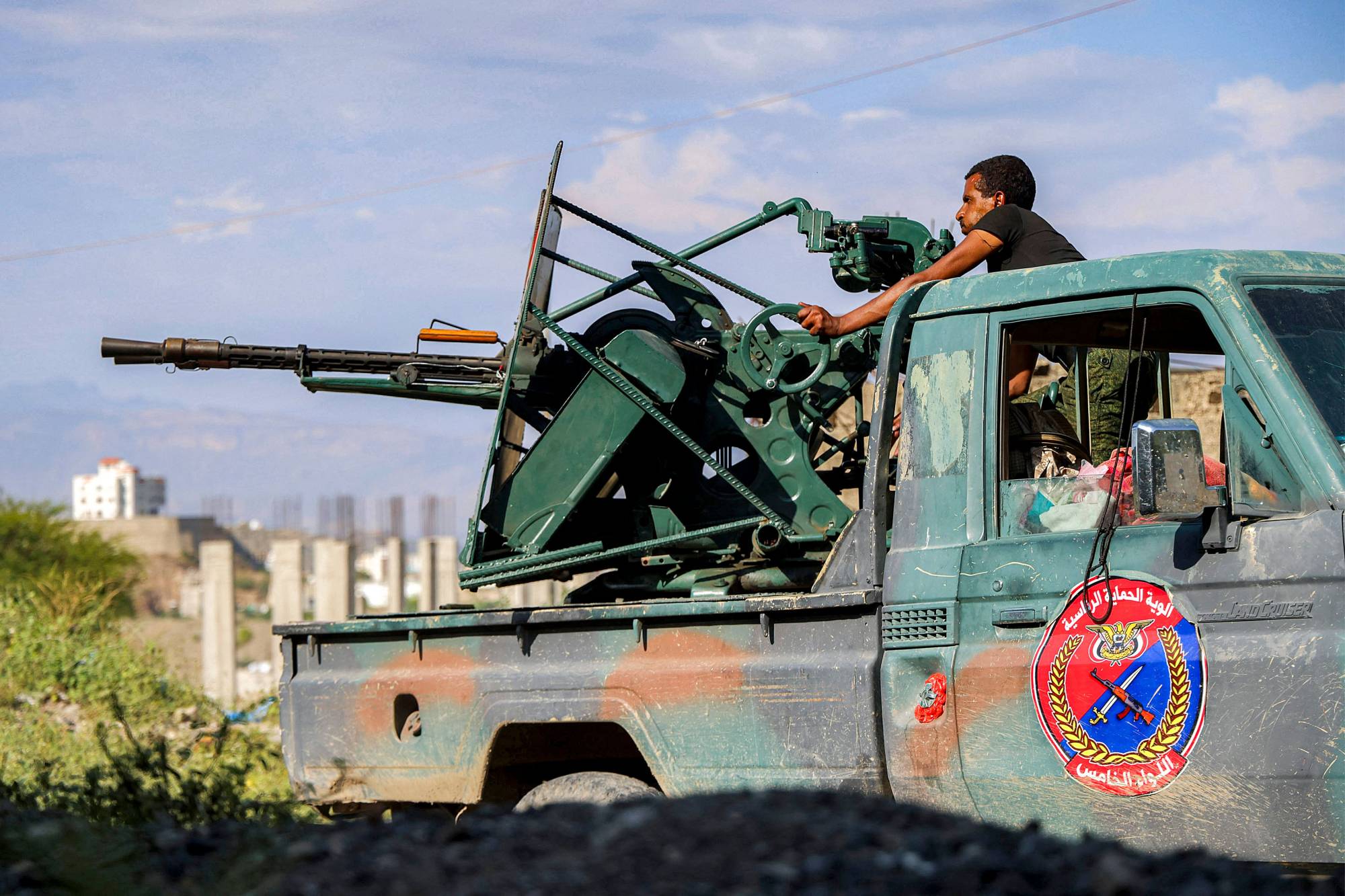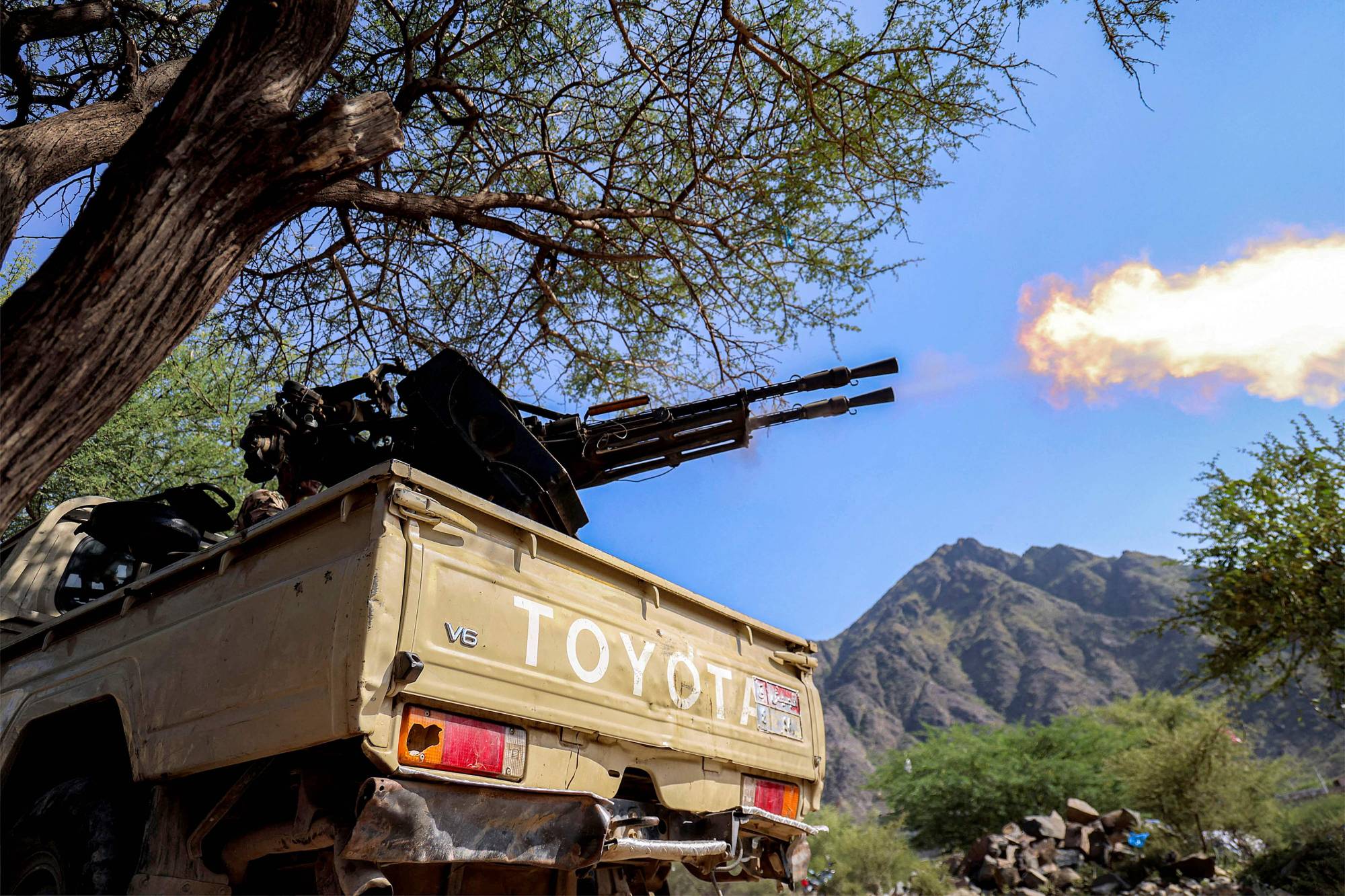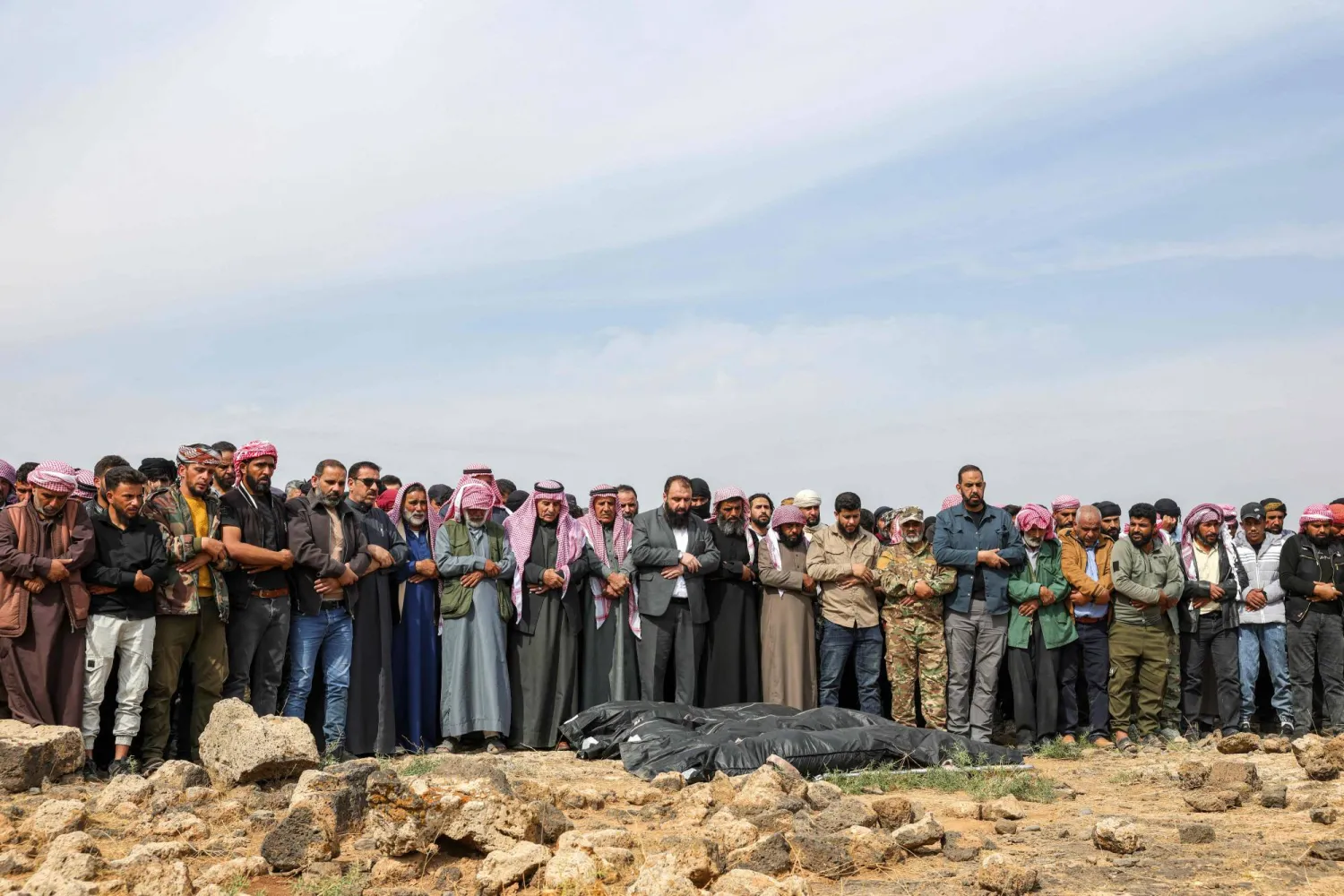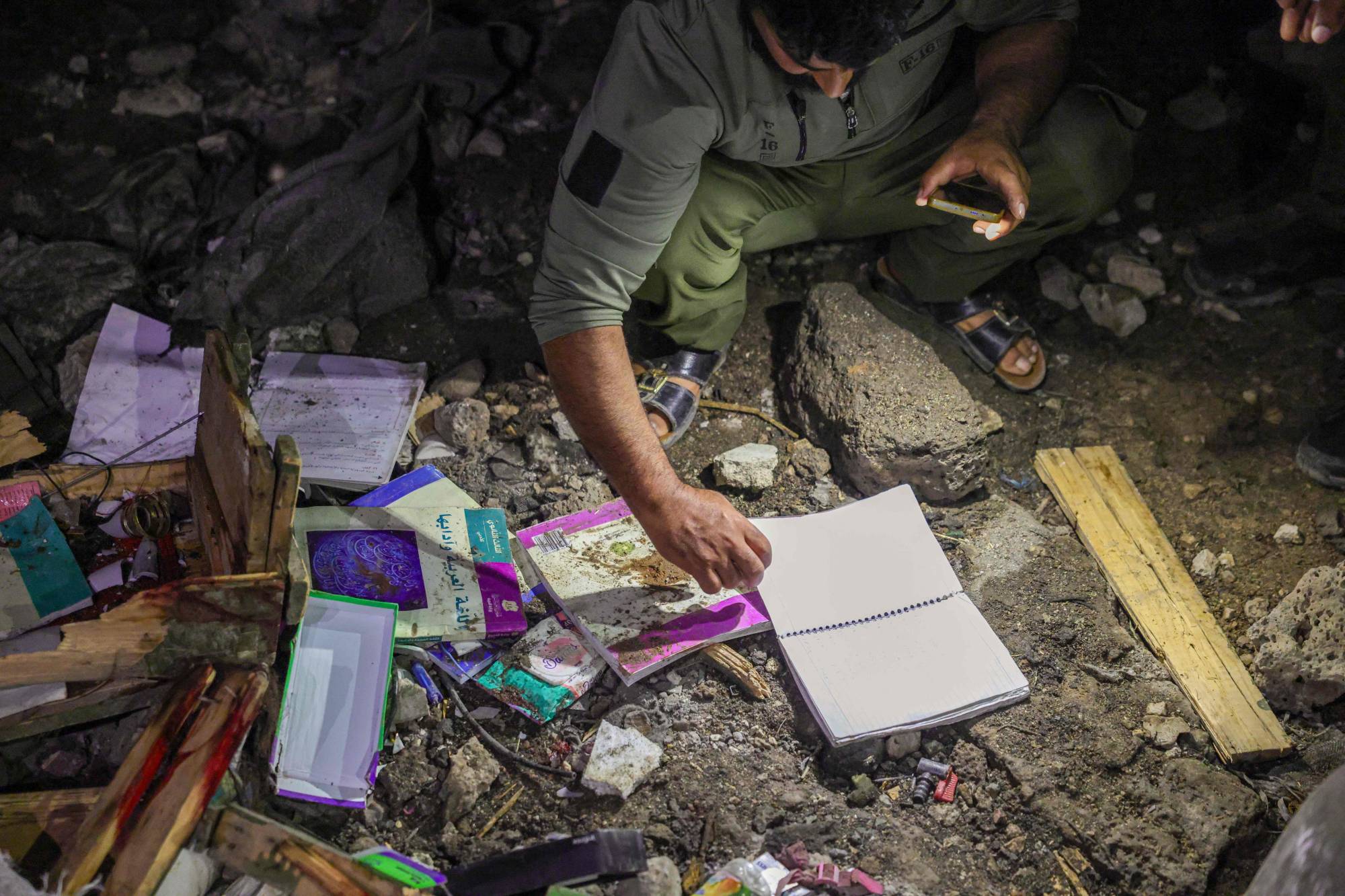

Sudan’s highest military and security authority has called for tighter controls on the movement of armed personnel, combat vehicles, and security cells inside cities and marketplaces, following reports and videos alleging incidents of “disorder” attributed to armed forces and army-aligned groups in areas recently recaptured by the military or currently under its control.
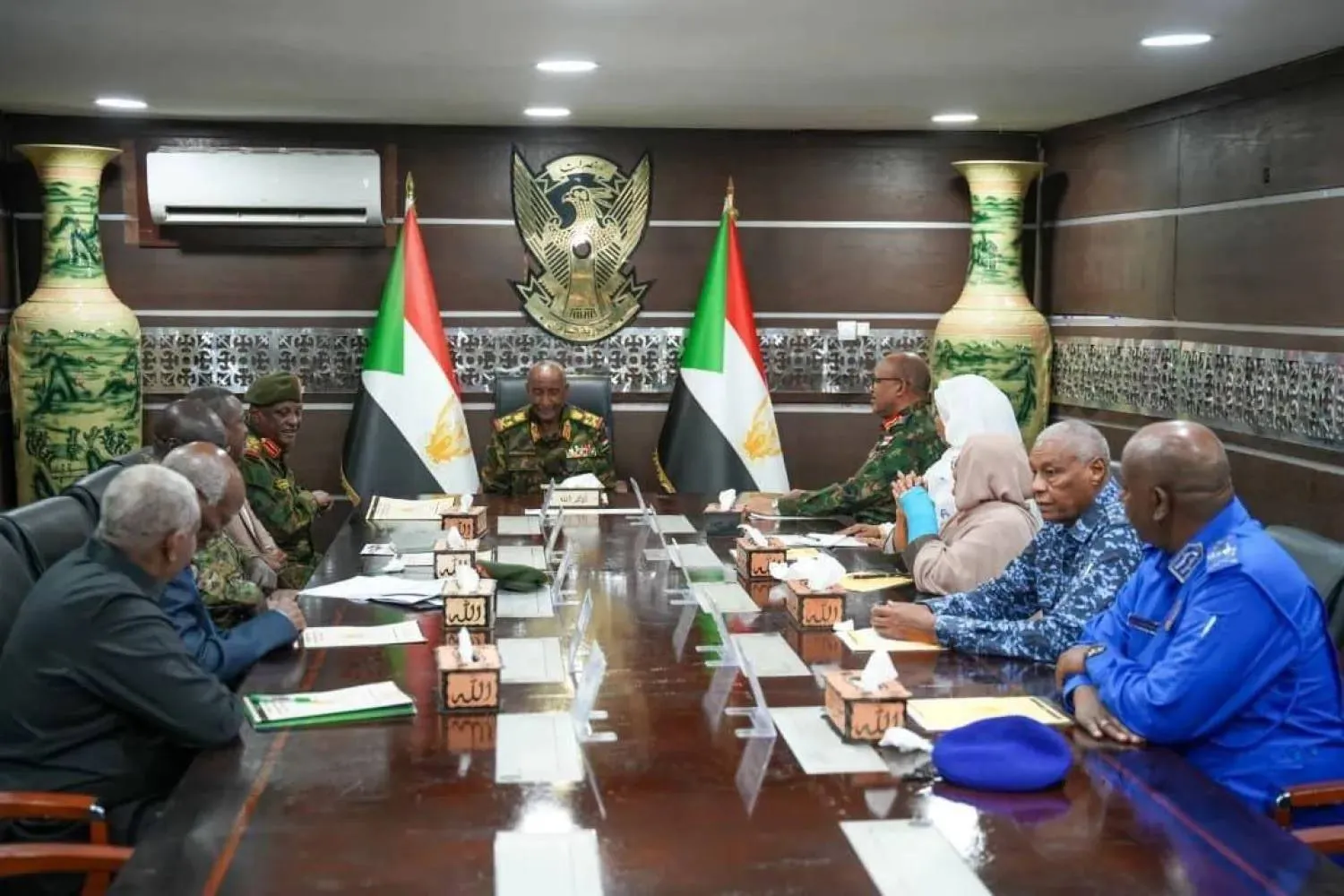
Following the Security and Defense Council’s regular meeting on Tuesday evening, Sudanese Defense Minister Lt. Gen. Hassan Daoud Kabroun said that the council had instructed the relevant authorities to regulate the movement of armed individuals and vehicles inside cities and markets, and to establish rules governing the work of “security cells” in local districts, with a focus on investigations involving those authorities describe as collaborators with the Rapid Support Forces (RSF).
The term “security cells” refers to groups or units operating in support of military and security agencies. They are typically engaged in surveillance, monitoring, inspections, and intelligence-gathering activities in neighborhoods, markets, and conflict zones.
Authorities say their role is focused on “tracking down collaborators with the RSF, dismantling sabotage cells, and protecting areas retaken by the army.” Critics of the Transitional Sovereignty Council, however, describe them in social media commentary as an extension of Islamist organizations tied to the former regime, alleging that they seek to eliminate political opponents.
The Security and Defense Council is one of Sudan’s most prominent military and sovereign decision-making bodies. It includes executive, military, and security leaders, among them the ministers of defense, interior, foreign affairs, and finance, as well as army commanders and heads of security agencies. The council is chaired by Sovereignty Council President and Armed Forces Commander-in-Chief Gen. Abdel Fattah al-Burhan.
According to media affiliated with it, the council met Tuesday under al-Burhan’s chairmanship, with all members in attendance, to review the country’s security and military situation.
The council’s role in managing security and military affairs has expanded since the outbreak of war between the army and the RSF on April 15, 2023, amid the widening conflict and mounting concerns over security violations in war-affected areas.
On the military front, Kabroun said the armed forces and allied troops had achieved “major victories” in recent weeks on several battlefronts, particularly in South Kordofan, Blue Nile, and Darfur.
He added that the council stressed the importance of adherence to the law, respect for human rights and Sudan’s sovereignty, as well as the need to provide essential services to citizens returning to their areas, especially electricity and water.
Citizens’ Complaints
Residents in some army-controlled areas - particularly the capital, Khartoum, parts of Al Jazirah State, and other states retaken by the military in recent months - have complained of what they describe as growing “security abuses.”
The allegations include looting, arrests, and other violations attributed to armed groups or individuals wearing military uniforms, in addition to the widespread presence of weapons and combat vehicles in neighborhoods and markets.
Videos and local testimonies concerning these incidents have circulated widely on social media platforms, while authorities say they are working to regulate armed movements and pursue those responsible.
Independent verification of all the accounts has not been possible because of the ongoing war and the complexity of the security situation.