



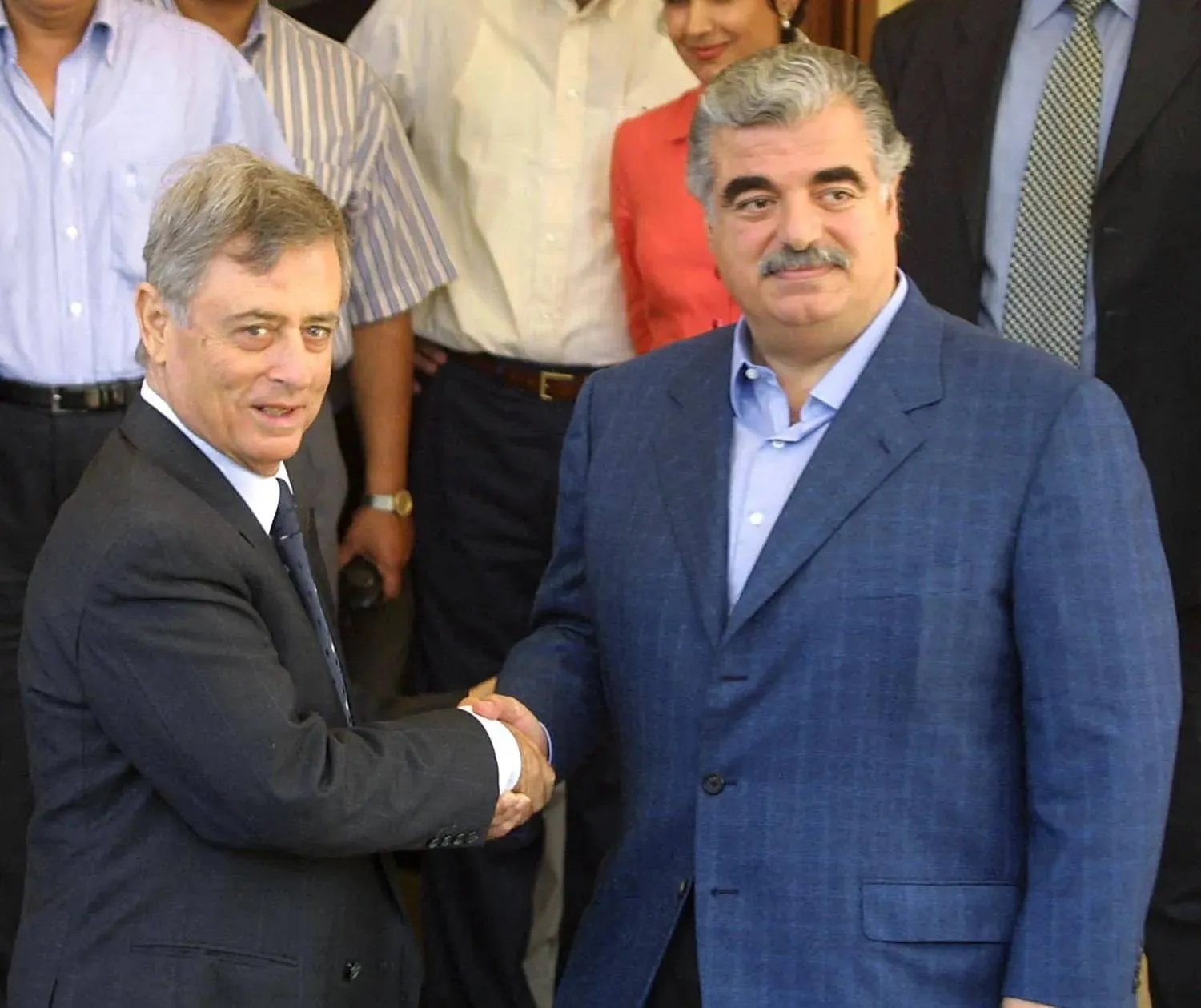

Former Syrian Vice President Abdul Halim Khaddam reveals new details in his memoirs about a February 2005 meeting with late Lebanese former Prime Minister Rafik al-Hariri at his Beirut residence six days before his assassination.
The memoirs, edited and introduced by Ibrahim Hamidi, are due to be published in early September by Raff Publishing, a subsidiary of the Saudi Research and Media Group (SRMG).
Khaddam recalled that he and Hariri met over a lunch, where the Syrian official, concerned over the former PM’s life, urged him to leave Lebanon “immediately.”
They met on February 8, 2005. Hariri was killed six days later.
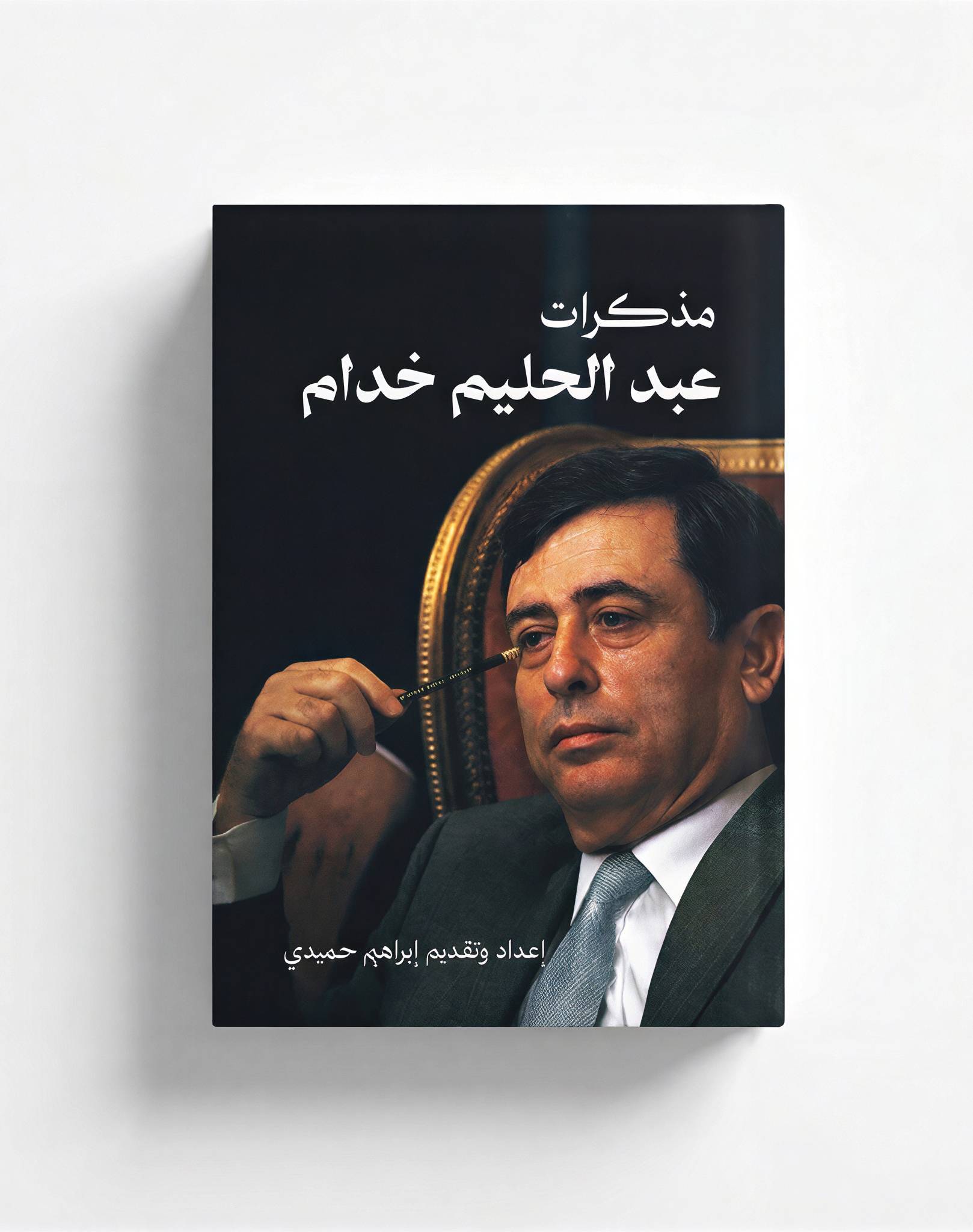
In January 2005, during a Baath party meeting at the Syrian presidential palace, then President Bashar al-Assad told the command members: "There is an American-French conspiracy against Syria, and Rafik al-Hariri is involved in it."
Khaddam said that he and the other members were surprised by this dangerous talk, and that two days later, he sent a verbal message to Hariri through former Lebanese Defense Minister Mohsen Dalloul, warning him that dangers were growing and he must leave Lebanon immediately.
On February 8, 2005, Khaddam traveled to Beirut for a medical appointment and accepted a lunch invitation from Hariri. The former PM was anxious and inquired about the message conveyed by Dalloul. Khaddam explained the situation and advised him to leave Lebanon immediately.
Hariri responded, "I have elections... how can I leave the people?"
Khaddam replied: "Your life is more important than the people, and your family is more important than the elections."
The memoirs note two striking details from that lunch. The first was Hariri’s inquiry about the role of Maher al-Assad, Bashar’s brother. He revealed that Aouni Al-Kaaki, owner of Al-Sharq newspaper had informed him that Maher was keen on forming ties with him – Hariri - and was ready to resolve the existing disputes between him and Bashar because he is viewed as "a loyal friend to Syria."
Khaddam replied: "You must be careful and leave Lebanon."
The second detail was Hariri’s revelation about his security detail: "I used to have 50 security personnel, but they withdrew them and left only six."
Six days later, on February 14, while Khaddam was attending a Baath meeting in Damascus, he saw the breaking news flash on a television in a colleague's office about a massive explosion in Beirut. It was subsequently reported that the explosion had targeted Hariri's convoy, killing him along with his security guards and several citizens.
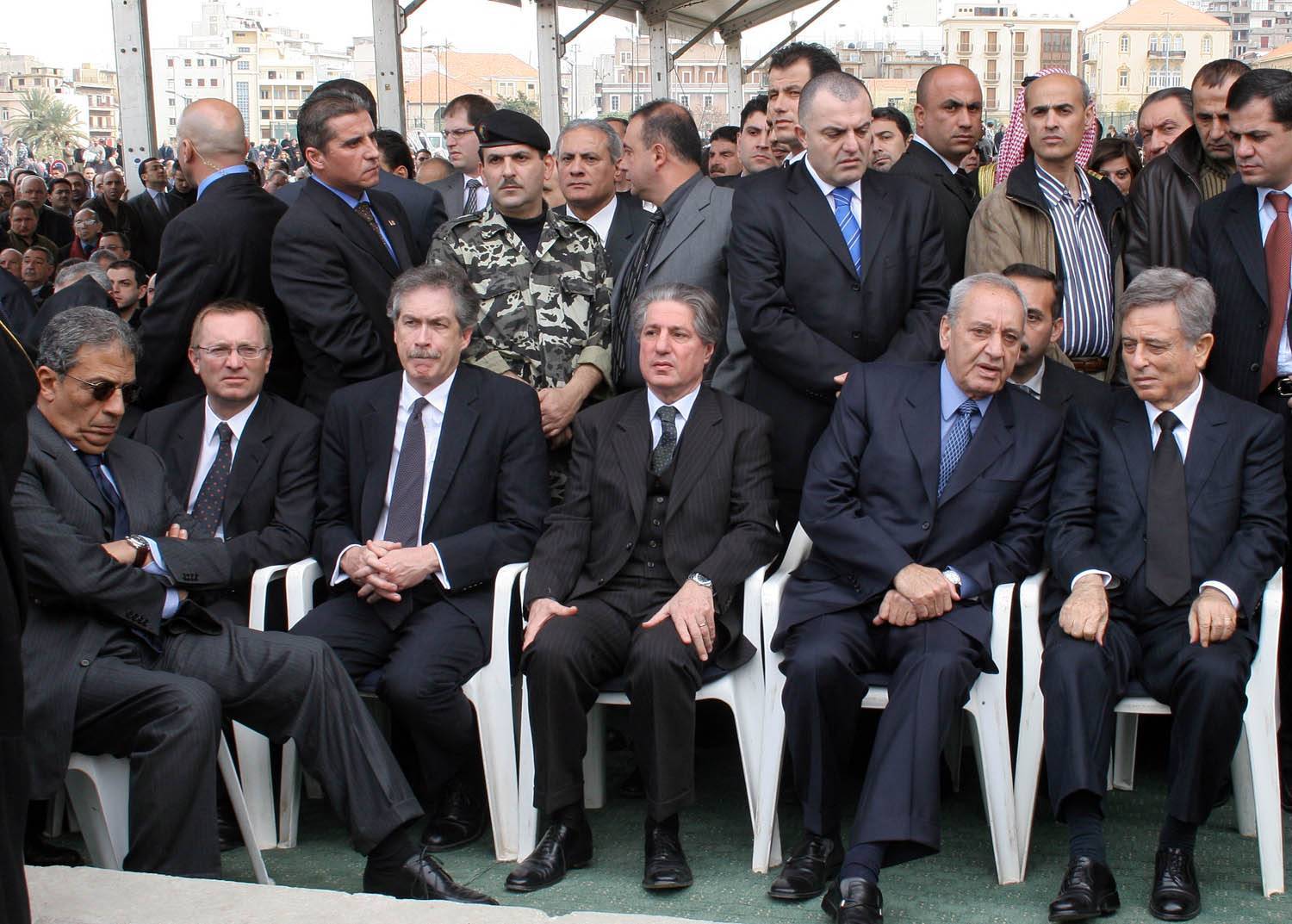
Khaddam recounted that he informed the presidency of his intention to travel to Beirut to offer his condolences. The reply, which came through the president's chief of staff, said "If you wish to go, go in your personal capacity."
He did indeed attend with his wife and two sons, while the Syrian regime decided to boycott the funeral and the wake.
Syrian official newspapers carried the headline "Massive Explosion in Beirut" without Hariri's name appearing on their front pages, merely noting in the report that he was "among" the casualties - a detail Khaddam said further directed the accusation toward Bashar al-Assad.
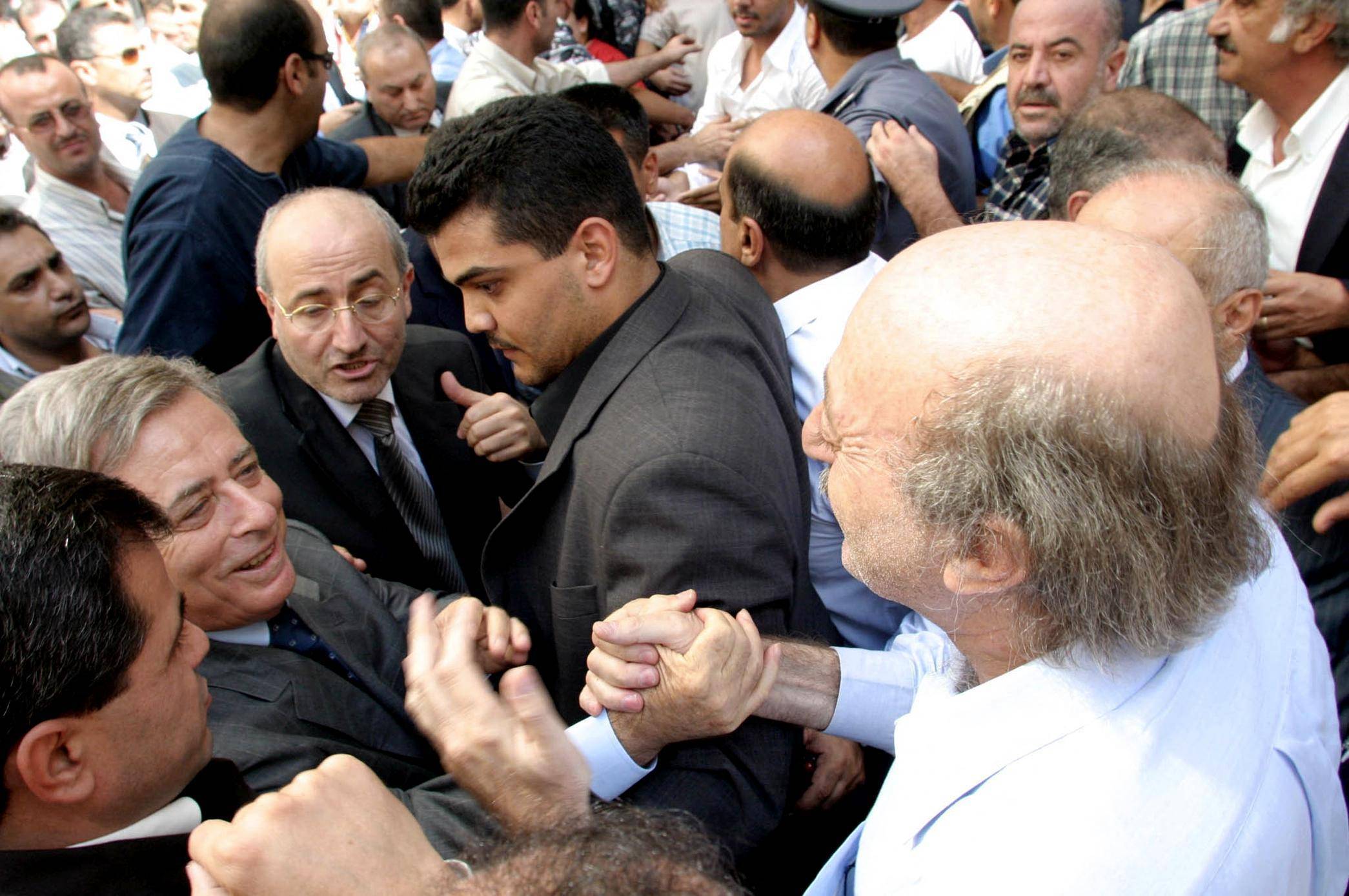
The memoirs also shed light on an incident that preceded the lunch by four months: the assassination attempt on Lebanese Minister Marwan Hamadeh, an ally of then Progressive Socialist Party leader Walid Jumblatt, in October 2004, which Khaddam described as "a warning to all opponents of President (Emile) Lahoud in Lebanon."
He recounted that the following day, he called Rustom Ghazaleh, the head of Syrian military intelligence in Lebanon, to inform him that he was heading to Beirut to visit Hamadeh. He was received by Jumblatt at the Beirut hospital, along with his party leaders, and Jebran Tueni, while the injured minister was in the operating room.
Khaddam noted that his direct contact with the president had effectively ceased since late October 2004, with communications subsequently taking place through his chief of staff or through written letters.
The strength of this testimony lies in its place within a sequence of publicly documented events: the extension of Lahoud’s presidential term on September 3, 2004, the adoption of UN Security Council Resolution 1559 a day earlier, the assassination attempt on Hamadeh, followed by the political and media campaign against Hariri, and ultimately, his assassination.
The memoirs do not render a judgment; rather, they add an insider perspective, completing a full countdown: an accusation within the command, a warning message, a final lunch, and then the February 14 explosion.
The details of the final lunch and the messages that preceded it appear in full in the chapter titled "The Assassination of Rafik Hariri" in Khaddam’s book.


