
Anwar Abdullah had no choice but to flee his home in Yemen’s western Hodeidah province with his wife and six children as Houthi attacks drew close on the night of Sept. 10.
He initially did not know what was happening, but soon realized staying was no longer an option.
“We didn’t know what was happening, then we realized there was fighting. I took my children and my wife and we came to Aden. We left everything behind,” said Abdullah, 29.
The family headed toward Mokha before continuing to Aden, leaving their home, belongings and former life behind.
They now live in a temporary shelter in northern Aden with few basic necessities. Even preparing a simple meal is a daily challenge: lacking basic cooking equipment, they must cook with firewood beside the shelter.
Reaching a safer place has not ended their suffering. For Abdullah’s family and thousands of other displaced people, fleeing brought a new struggle: getting medical care when a family member falls ill.
They are among thousands of families that arrived in Aden during the latest wave of displacement following renewed fighting along Yemen’s western coast.
By the end of September, the Yemeni government had recorded nearly 200,000 people displaced. Four sites in Aden and Lahj were hosting about 6,500 displaced people before the latest wave arrived.
Since then, the population at some sites has doubled.
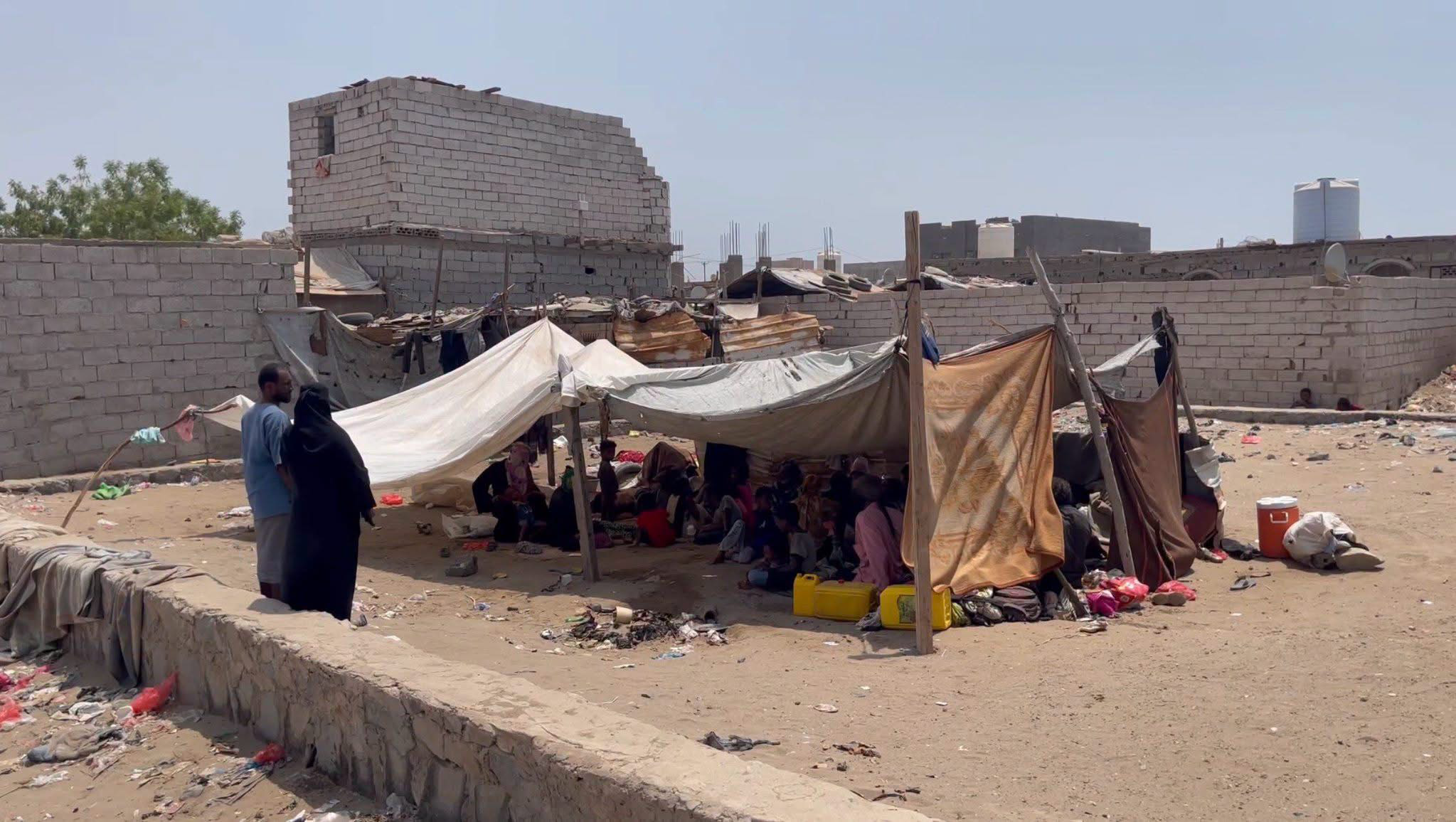
Their needs go beyond shelter and food. Many need treatment, but health facilities are difficult to reach for families worn down by displacement and poverty.
The displacement sites visited by teams from Doctors Without Borders, known by its French acronym MSF, are four to 10 kilometers from health facilities.
Distances that might seem short under normal circumstances become a major barrier for families struggling to meet basic needs.
Fuel shortages and rising prices put transport costs, along with the cost of medicines, beyond many families’ means.
“We see sick children, pregnant women who cannot access health care, people with wounds and older people who need medical services but struggle to access them,” said Sara Ghanim, MSF mobile health activity manager in Aden.
Patients without care
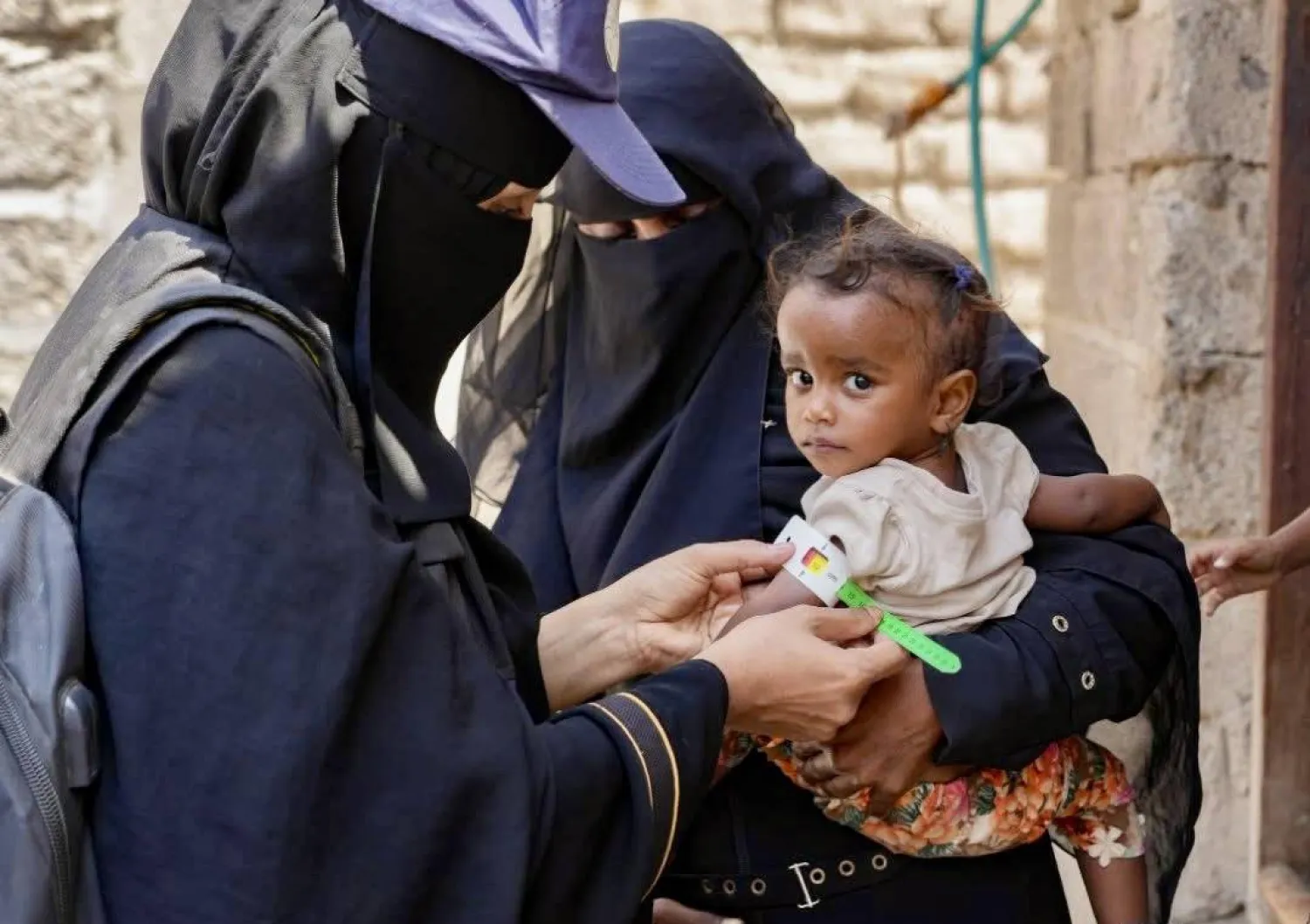
The health crisis is evident at the sites visited by medical teams. They have treated wounds and injuries, malnutrition, fever and diarrhea, along with untreated communicable and noncommunicable diseases.
They have also identified pregnant women who received no prenatal care, children with severe malnutrition and others who have not completed their vaccinations.
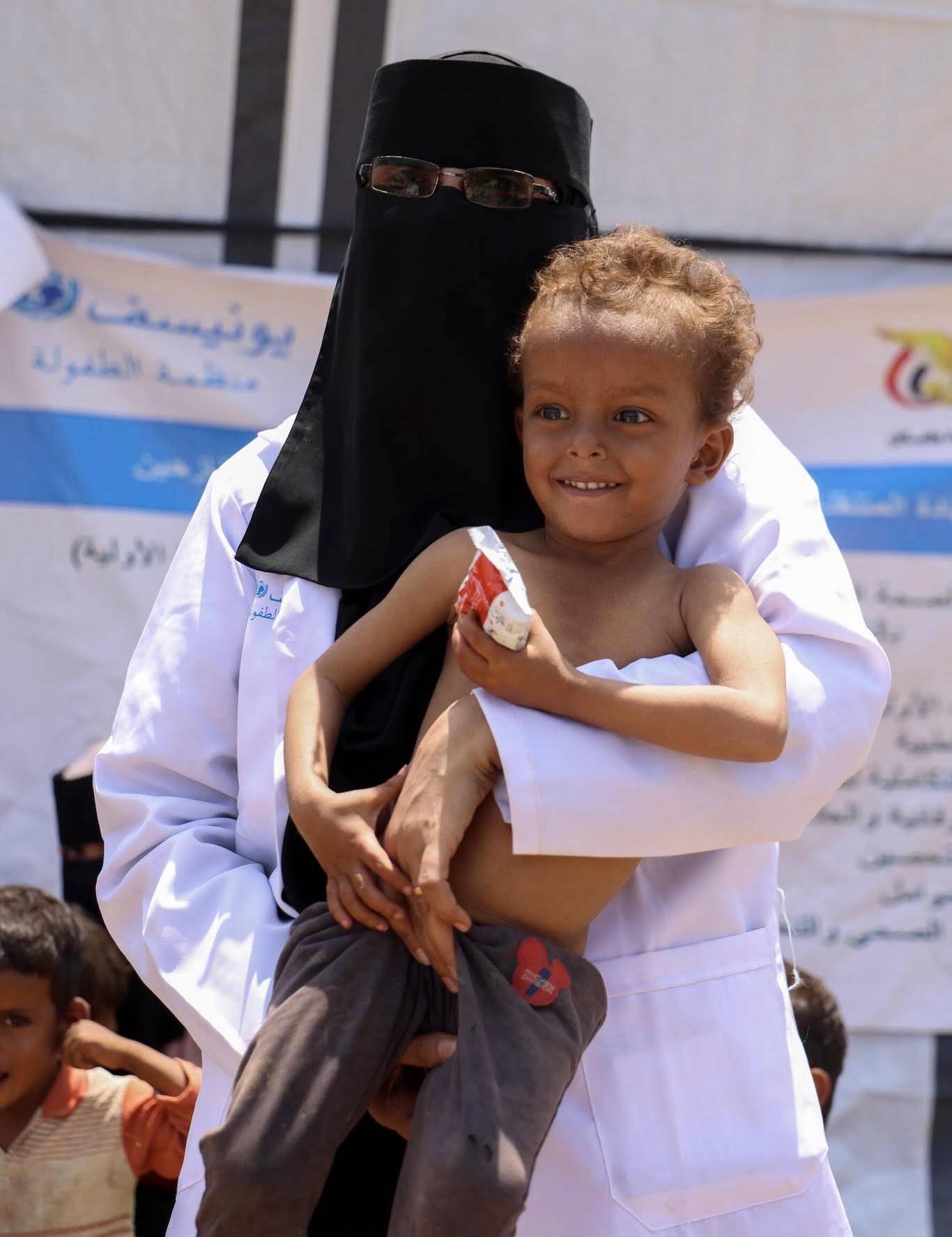
MSF teams are bringing some health services to displaced people rather than waiting for them to reach medical centers.
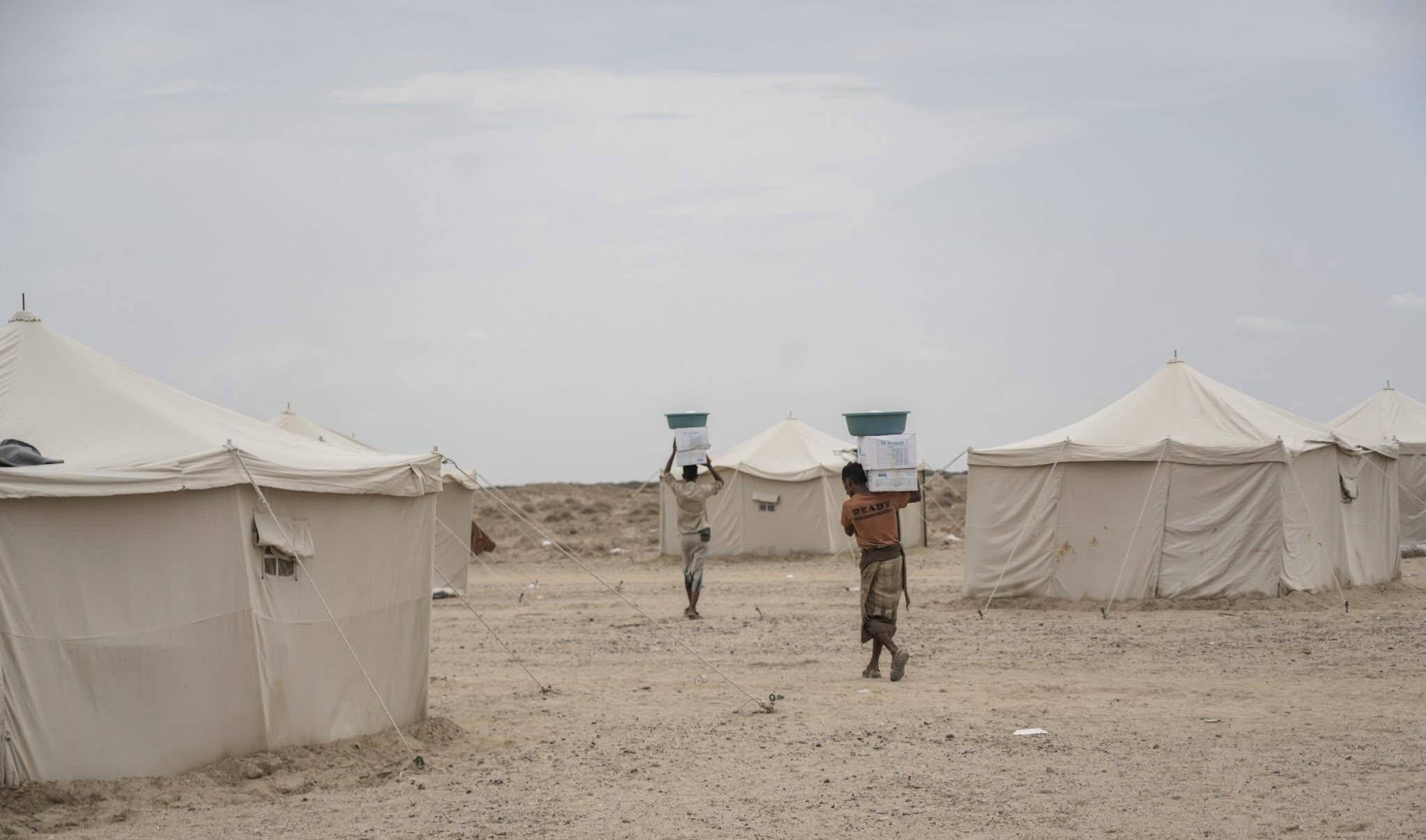
In the first week of the mobile health response, the teams examined 427 patients at four sites in Aden’s Dar Saad and Sheikh Othman districts and Lahj’s Tuban district.
Most patients were women and children. About 40% had been newly displaced by the latest escalation in Taiz and along the western coast.
The teams provide medical consultations and rapid tests, including hemoglobin and blood sugar measurements, malaria and dengue screening, and urine tests.
They also offer routine vaccinations, malnutrition screening, pregnancy tests and family planning services.
Patients needing further care are referred to health facilities able to provide the necessary treatment.
A system under pressure
The response comes as Yemen’s health system faces mounting pressures, according to MSF.
“We see enormous pressure on a health system that is already collapsing and has faced numerous challenges for years,” Ghanim said.
As displaced people continue to arrive, MSF is assessing the sites hosting them and says it is ready to expand its response if health needs increase.
Its work extends beyond mobile teams. Since April, MSF has supported primary health care services in Al-Farshah in rural Lahj and Al-Basateen in Aden.
The two facilities serve areas where displaced people live, both in displacement sites and among host communities.
For families like Abdullah’s, reaching safety does not necessarily end the displacement journey.
After leaving their homes and belongings behind, finding medical care, food and other basic necessities becomes another part of a prolonged struggle whose end they cannot foresee.