



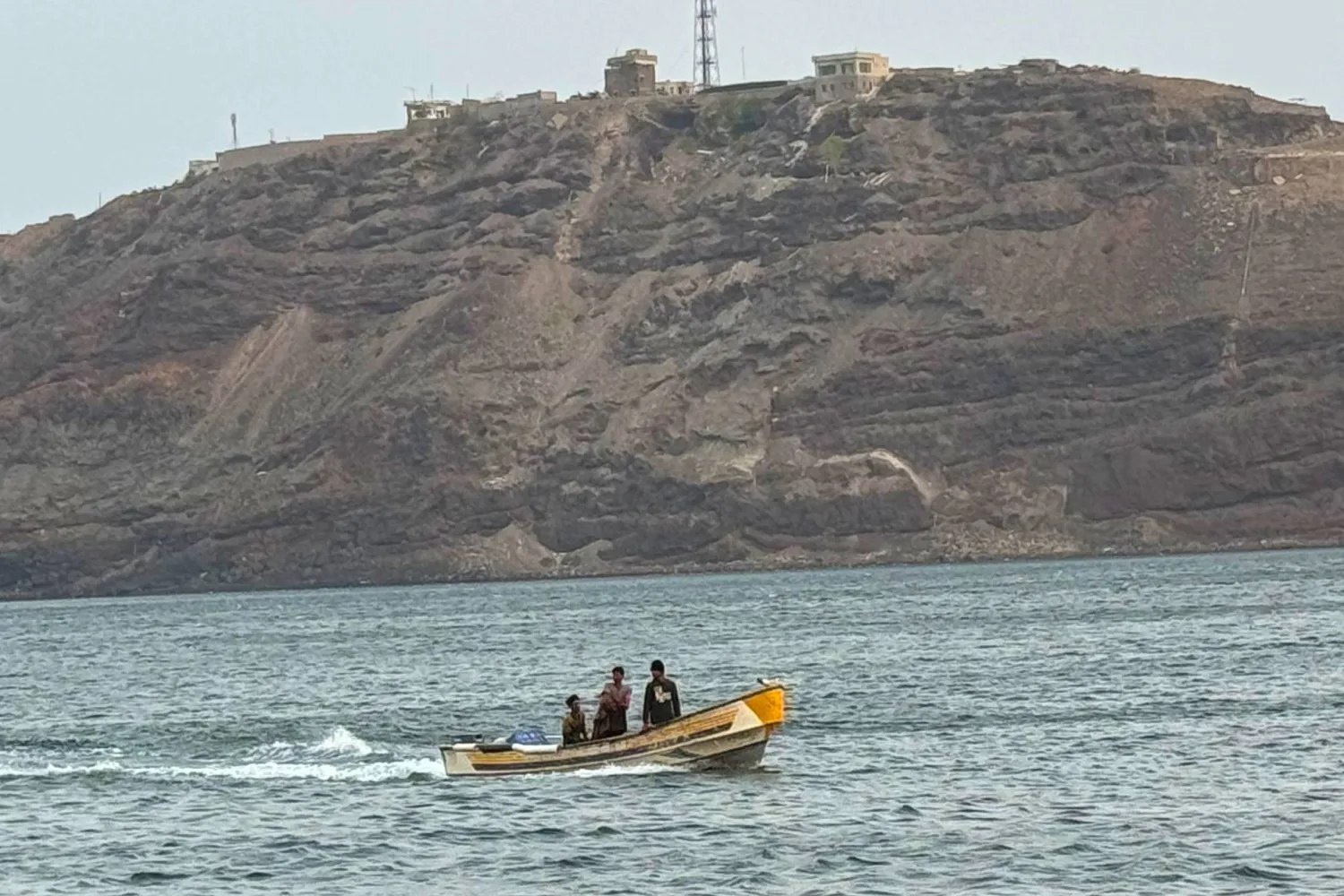

At least six explosions struck Thursday near the palace used by Yemen's legitimate government in the port city of Aden, witnesses said. An official said at least two people were killed, and Iran-backed Houthi militants based in northern Yemen quickly claimed responsibility.
It was a rare attack on the palace area, as fighting has escalated between the militia and a Saudi-led coalition in the latest front in the Iran war. The explosions caused panic among residents, who fled the area.
Yemen's Ministry of Information confirmed the safety of Prime Minister Shaya Al-Zindani and ministers, saying they no longer hold permanent meetings inside the palace in anticipation of such attacks.
At least two people were killed and six wounded, said the official, who spoke on condition of anonymity because he was not authorized to speak to the press. The government said the Houthis attacked with missiles and drones, the Aden-based SABA news agency reported.
A security official said at least two explosions were on top of the hill near the Al-Maashiq Presidential Palace, and two others were near the security gate.
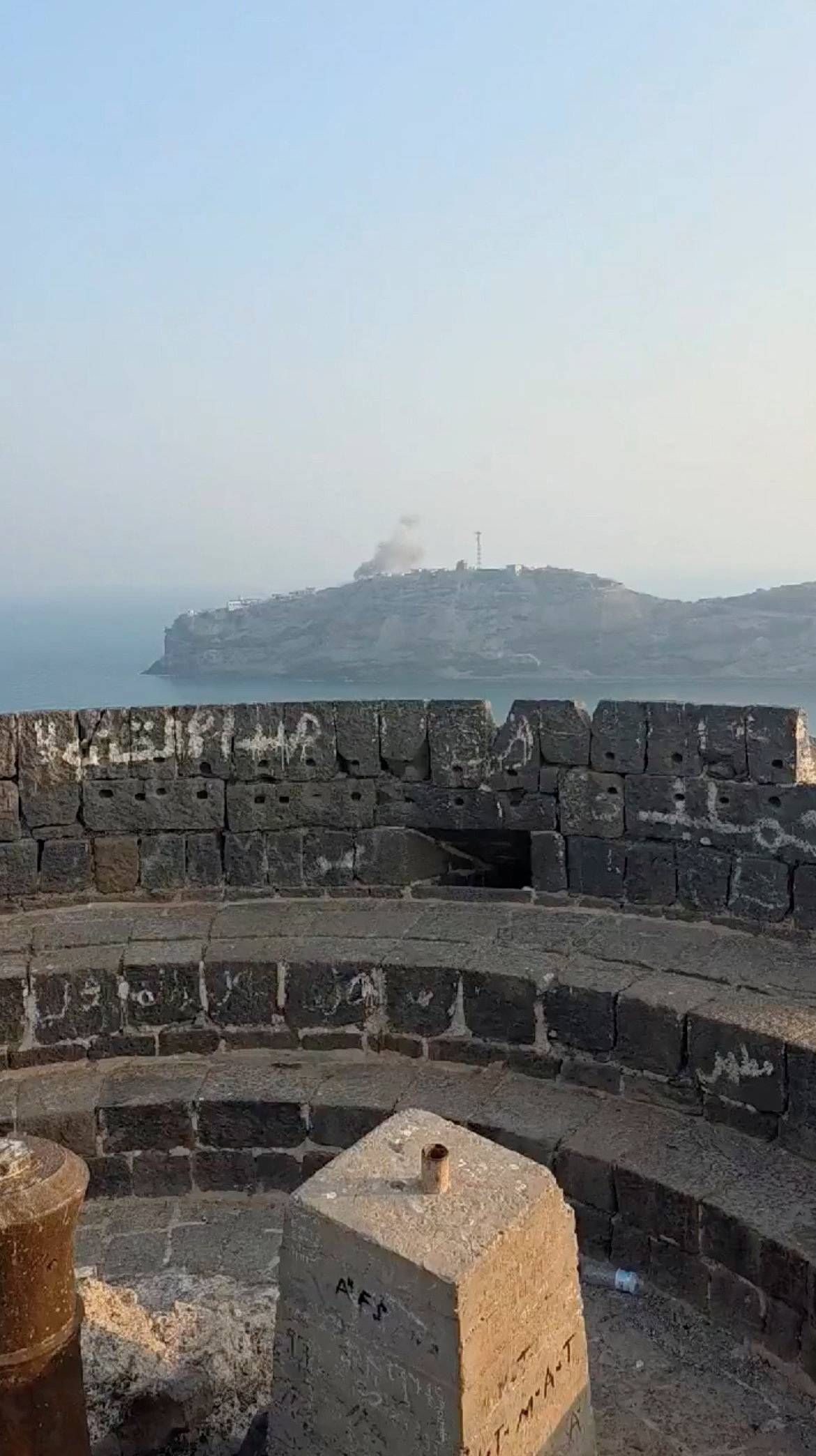
Many of Yemen's government leaders are living in exile, and those in Aden were safe, a government official said. Both officials spoke on condition of anonymity because they were not authorized to speak to the media. A video circulating on social media and analyzed by The Associated Press shows smoke rising from the area where the palace is located.
Chairman of the Presidential Leadership Council Dr. Rashad al-Alimi contacted ministers in wake of the attack.

He asserted that the Houthi attack on the palace is an extension of the militias' approach of targeting airports, oil facilities, and civilian objects in Yemen and Saudi Arabia, threatening regional security and waterways.
He stressed that the state will continue to carry out its constitutional responsibilities with utmost firmness, and that protecting its sovereign facilities and citizens is a non-negotiable responsibility.
He ordered the relevant military and security authorities to take the necessary measures to protect state institutions, counter terrorist threats, and respond appropriately to sources of threat in a manner that ensures the protection of civilians and civilian objects.
In turn, the cabinet affirmed that the attack on the Al-Maashiq Palace reveals the terrorist approach of the Houthis and their persistence in targeting civilians.
It stressed that it will not deter the government from performing its responsibilities and duties toward citizens, and continuing the battle to restore the state and its institutions and end the coup being pursued by the Dawn of Yemen Operation.
The attack on the palace is part of an escalating pattern of Houthi terrorism that has not been limited to targeting state institutions, but has extended to attacks on civilian objects and vital facilities in Saudi Arabia, and the shelling of residential neighborhoods in the governorates of Taiz and Lahj.
"The future of Yemen will not be held hostage by a militia that bears arms against its people, targets the security of its neighbors, and relies on violence to compensate for the Yemeni rejection of its coup project,” it added.
The cabinet called on the international community and the United Nations to take a clear and firm stance regarding these attacks, to stop treating them as isolated incidents separate from their context, to exert the necessary pressure to halt the targeting of civilians and civilian facilities, and to hold those responsible for the violations accountable.
Elsewhere in Yemen, the fighting has revived a devastating civil war after four years of relative calm. One focus of alarm is the Houthi-besieged city of Taiz.
Residents of Yemen’s third-largest city are running short of basic necessities. Where goods can be found, prices have soared. Gas stations sit empty or out of service. The World Food Program said it can no longer reach more than 600,000 people in Taiz who depend on aid.
At a news conference late Thursday in Taiz, the Health Ministry said 120 people were killed and 307 wounded in the fighting through Oct. 5, with most of the deaths reported in Taiz, Saada and Jawf areas.
Fathiyya Mohamed al-Mugahed said she had gone looking for flour, cooking gas and fuel but found none.
“The Houthis have surrounded us from all sides,” she said. “Projectiles are all we have received from them.”
The International Committee of the Red Cross said Taiz has seen some of the “highest casualty burdens” in the country.


