
Houthi efforts to expand mobilization and recruitment around Yemen’s Houthi-held capital Sanaa are facing growing tribal resistance after the group failed to rally residents in several districts for armed gatherings backing its military escalation, as it steps up pressure on tribal sheikhs to send more young men to the front lines and offset mounting losses.
Local and tribal sources told Asharq Al-Awsat that Houthi leaders have intensified contacts in rural Sanaa since the start of this month, pressing tribal sheikhs to raise readiness for what the group calls “tribal mobilization,” stage armed gatherings and provide new batches of fighters to reinforce the fronts.
The campaign has targeted Bani Matar, Sanhan and Bani Bahloul, Bilad al-Rus, Khawlan, Jihana, Hamdan, Arhab, Nihm, Saafan and Manakha.
But the push has met reluctance from a number of sheikhs and local dignitaries, the sources said, amid growing resentment over the continued depletion of tribal communities in battles whose human and economic costs are borne by families and local communities.
Some tribal leaders have told the Houthis they are unable to provide new fighters, the sources added, as recruitment calls draw fewer responses and fears grow over sending more young men to fronts where the group is suffering repeated losses.
Threats and incentives
The Houthis have gone beyond outreach and mobilization calls, the sources said, putting pressure on tribal sheikhs to comply with their demands.
The measures have included threats to withdraw privileges and impose financial penalties on those who fail to comply, while offering cash and material incentives to those who agree to supply fighters to the fronts.
Through these tactics, the group is seeking to shift responsibility for providing fighters onto tribal sheikhs and use their social influence to recruit men from their communities, as casualties mount on fronts in Taiz, the western coast, Marib, al-Jawf, Lahj and al-Dhalea.
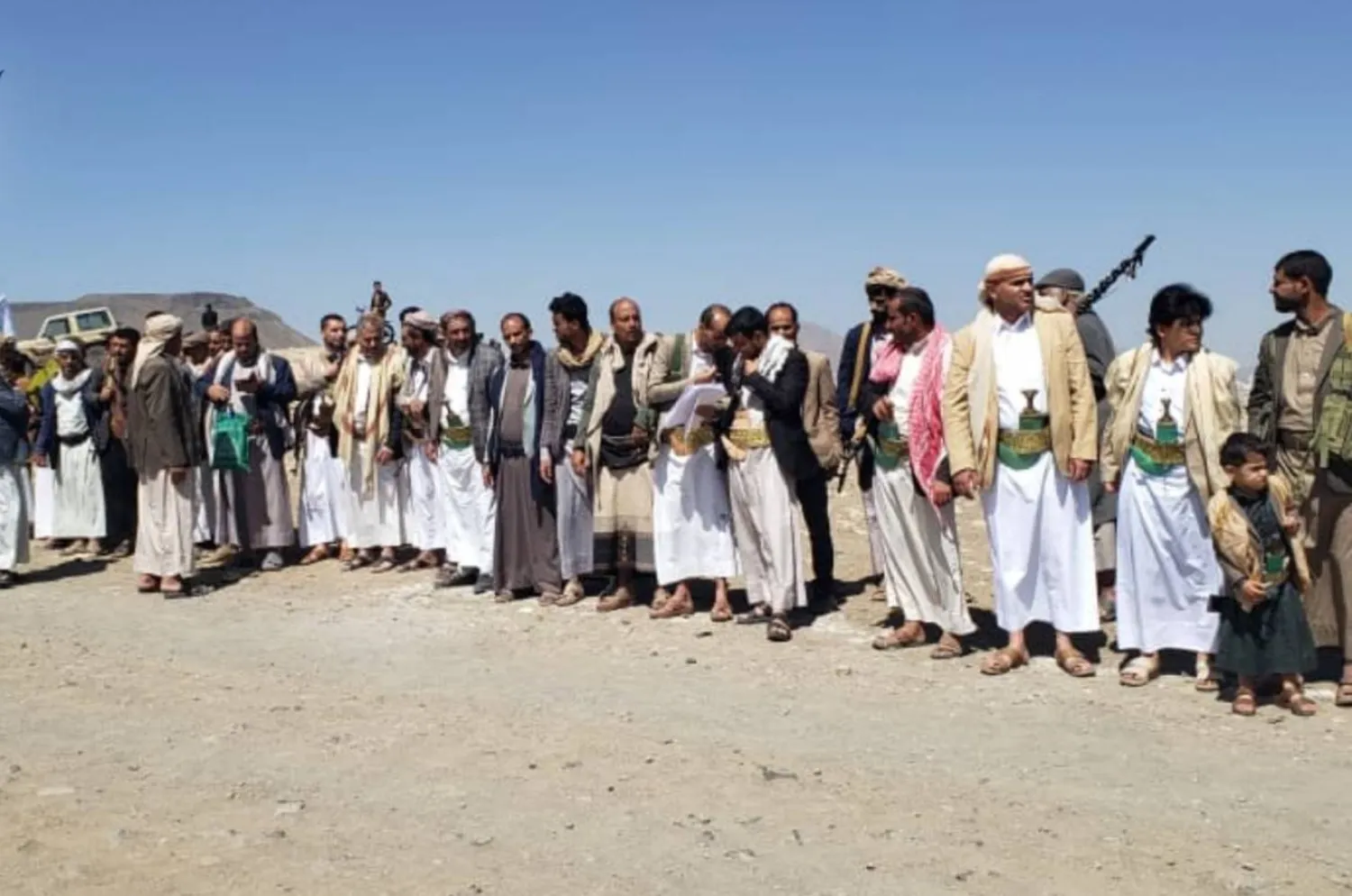
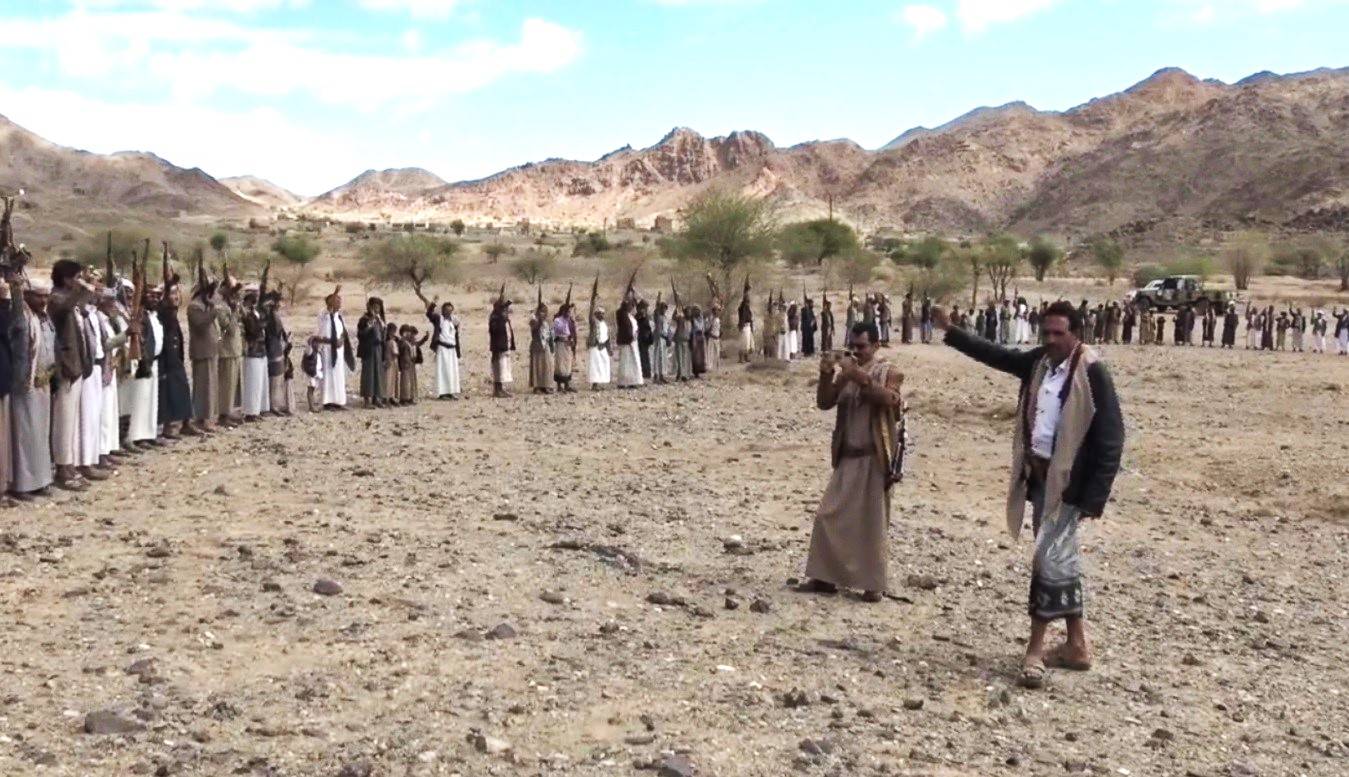
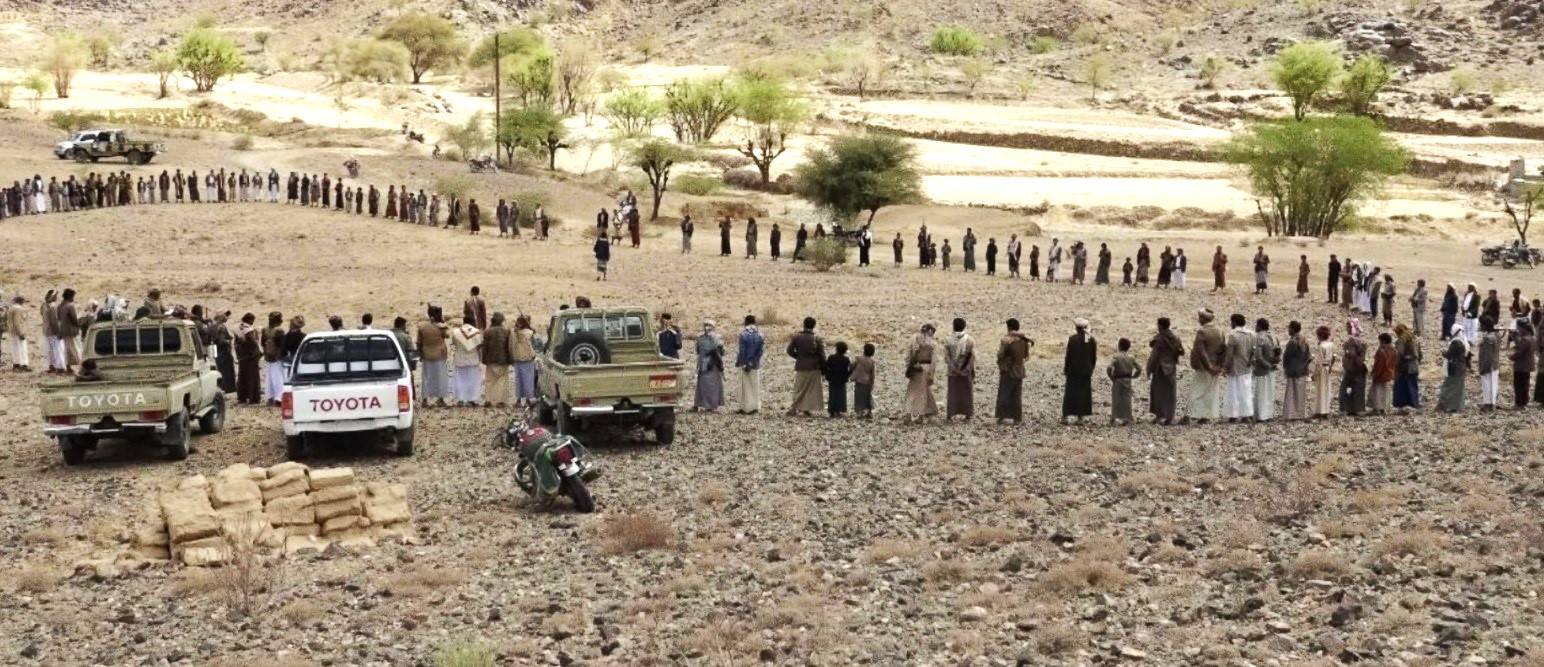
In a sign of the difficulties facing the recruitment drive, areas in Bani Matar, Sanhan and Nihm in Sanaa province recently held separate tribal gatherings called by the Houthis, but turnout was limited, local sources said.
The group used its media outlets to portray the gatherings as expressions of tribal support, seeking to bolster its image and justify continued military activity while pushing to recruit more fighters.
The limited turnout, according to the sources, underscores the difficulty of turning Houthi appeals into broad tribal mobilization, particularly as objections grow to the depletion of young men and the use of tribal ties to serve the group’s military objectives.
The recruitment drive coincides with continued restrictions and pressure on residents of rural Sanaa, amid accusations that the Houthis are tightening their grip on opponents and continuing to seize privately owned land and property, further fueling public resentment.
As living conditions and public services deteriorate, families are facing heavier economic burdens while the group continues to focus its efforts on mobilization campaigns and military activity rather than residents’ basic needs.
Families fear for their sons
The campaign comes as the Houthis continue efforts to reinforce the fronts with fighters, while families grow increasingly fearful that their sons could be killed or return with permanent injuries, at a time of worsening economic hardship and declining basic services in Houthi-controlled areas.
Residents of the targeted districts in rural Sanaa are calling for an end to recruitment and mobilization campaigns and for efforts to be redirected toward easing economic hardship and improving services, rather than sending their sons to the front lines.
The Yemeni government has called on tribal sheikhs, fathers and mothers in those areas to prevent their children from joining Houthi ranks, warning against sending them into battles that, in its view, serve Iran’s project and regional agenda at the expense of Yemeni lives and the country’s future.
The government accuses the group of exploiting social influence and economic hardship, alongside intimidation and inducements, to draw young people into mobilization camps and onto the front lines instead of providing conditions that would allow them to work and live away from war.