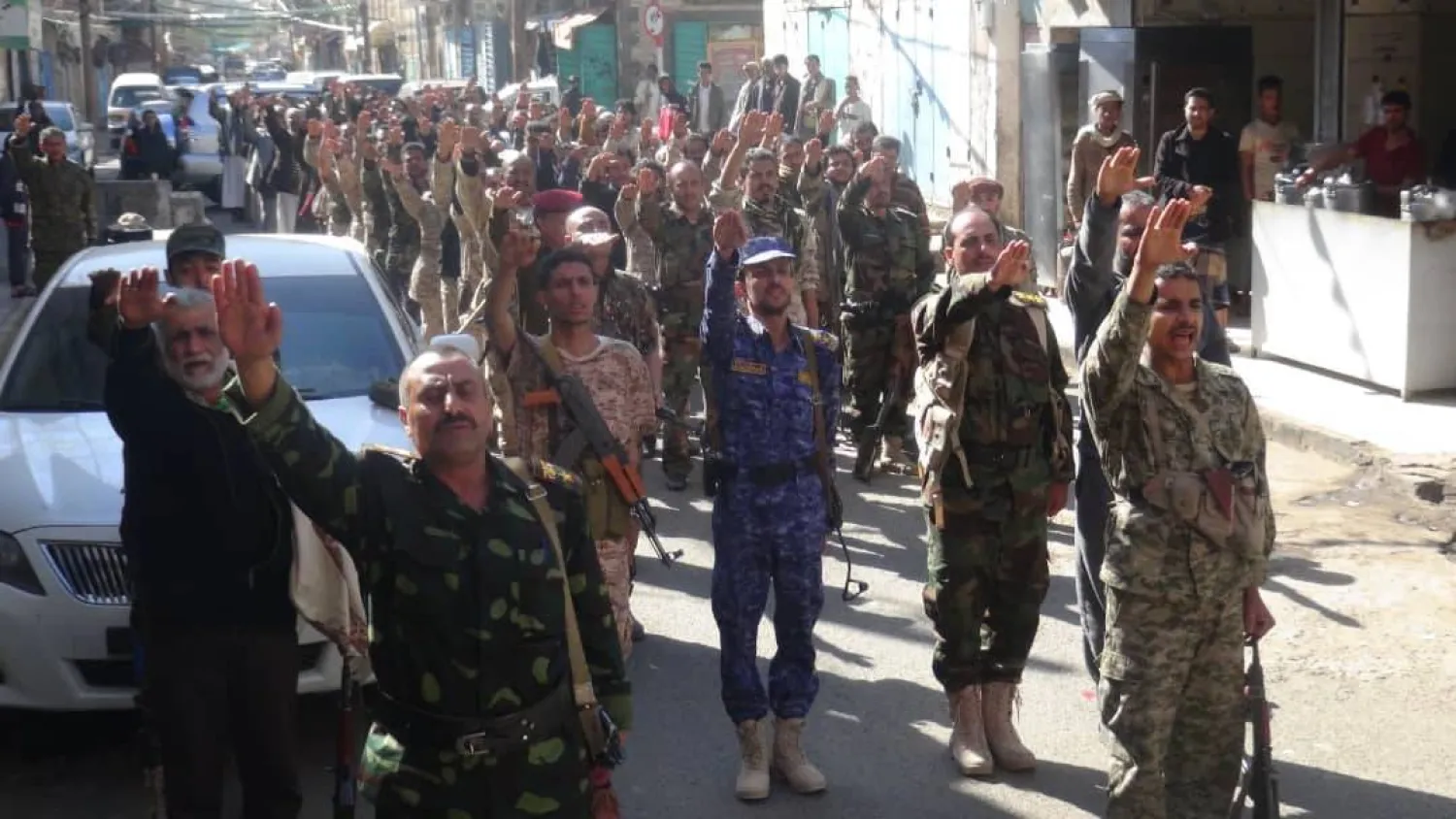

The Houthis have intensified security measures in the Yemeni capital, Sanaa, expanding their network of informants to monitor residents, track their movements and gauge their views, amid continued airstrikes targeting their leaders and military positions.
The measures are aimed at suppressing potential opposition amid growing fears of security breaches that could expose military positions and leadership movements.
Local sources told Asharq Al-Awsat that the Houthis had deployed additional informants across Sanaa in recent days to track residents’ movements, gatherings and social activities, and collect information about their attitudes toward the militia and its practices before reporting to security and intelligence agencies.
Plainclothes operatives have been deployed along main streets, in working-class neighborhoods and markets, and around institutions as part of a covert surveillance network designed to pursue critics, identify signs of public opposition and detect activities that could threaten Houthi influence.
According to the sources, the measures are intended to instill fear among residents and tighten surveillance.
Most informants are affiliated with various security agencies. They operate within networks overseen by Houthi officials responsible for collecting, exchanging and forwarding information to the relevant authorities.
Sanaa residents say the growing presence of informants reflects Houthi efforts to tighten their grip on society, turning neighborhoods and markets into spaces of constant surveillance and espionage to contain public discontent amid worsening living conditions, escalating abuses and shrinking freedoms.
One resident, speaking on condition of anonymity for fear of persecution, explained that the widespread deployment of informants had prompted many citizens to avoid speaking in public or expressing their opinions, fearing their remarks could be reported to security agencies.
Plainclothes operatives monitoring residents’ movements and gatherings have fostered an atmosphere of suspicion and apprehension, forcing people to exercise caution even in everyday conversations.
A shopkeeper in Sanaa told Asharq Al-Awsat that the Houthis were no longer content with pursuing opponents and activists, but sought to subject society as a whole to a network of surveillance and espionage.
He noted that some informants deliberately monitored conversations and gatherings in markets, reporting their observations to Houthi supervisors, who subsequently passed the information to security agencies.
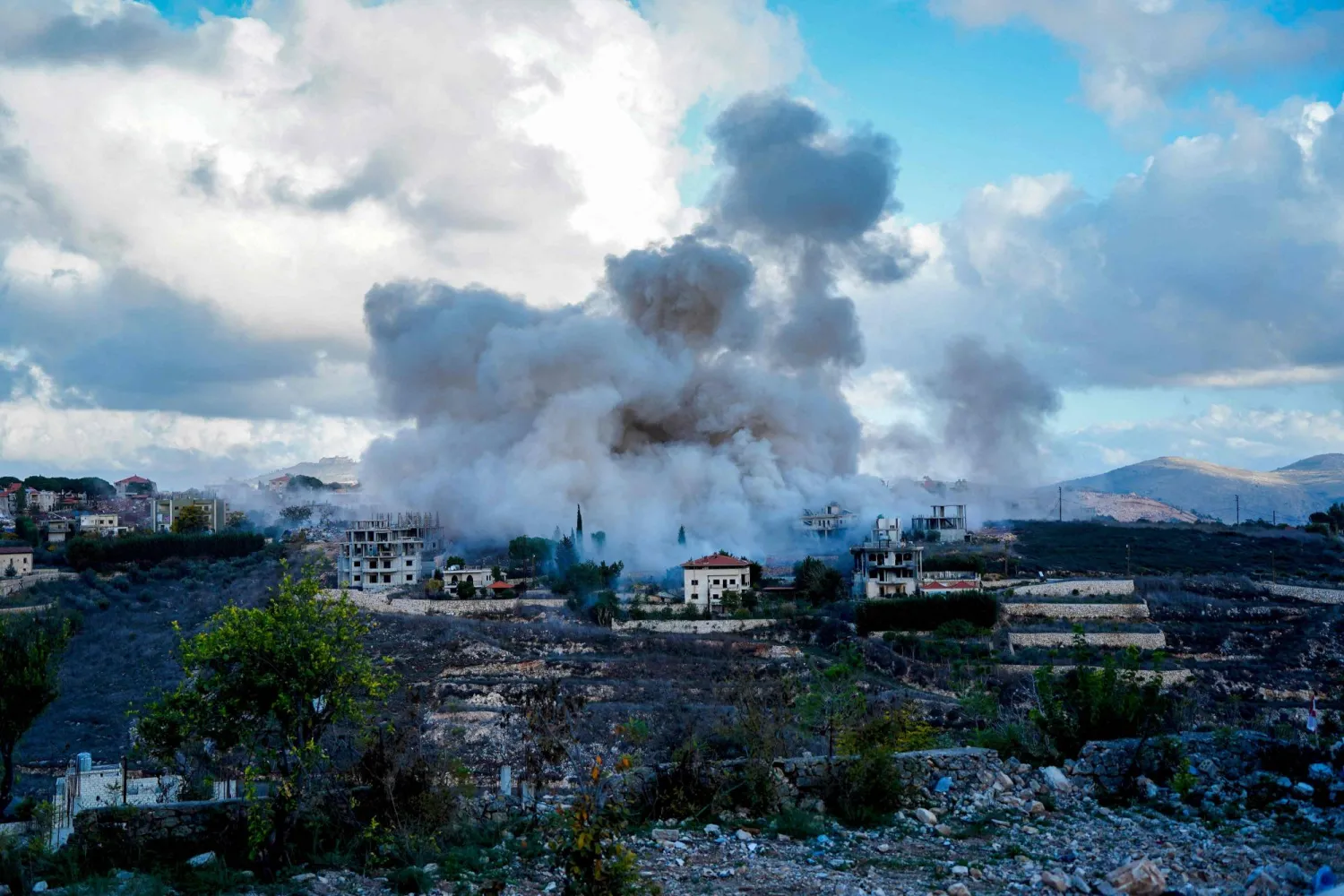
The expansion of the spy network comes as the Houthis face sustained airstrikes targeting gatherings of their leaders, military positions, and missile and drone launch sites.
According to the sources, the strikes have prompted the group to reinforce security measures, intensify surveillance and pursue what it describes as suspicious activities to prevent its military positions and leadership movements from being exposed.
Meanwhile, the Houthis have stepped up accusations against residents in several parts of Sanaa of spying for the Yemeni government and the Coalition to Restore Legitimacy in Yemen, alleging that they track military movements and relay the coordinates of Houthi positions. Others have been accused of incitement and mobilizing opposition to the group.
Observers believe the expansion of the informant network reflects Houthi fears that growing public discontent could erupt into protests threatening their influence.