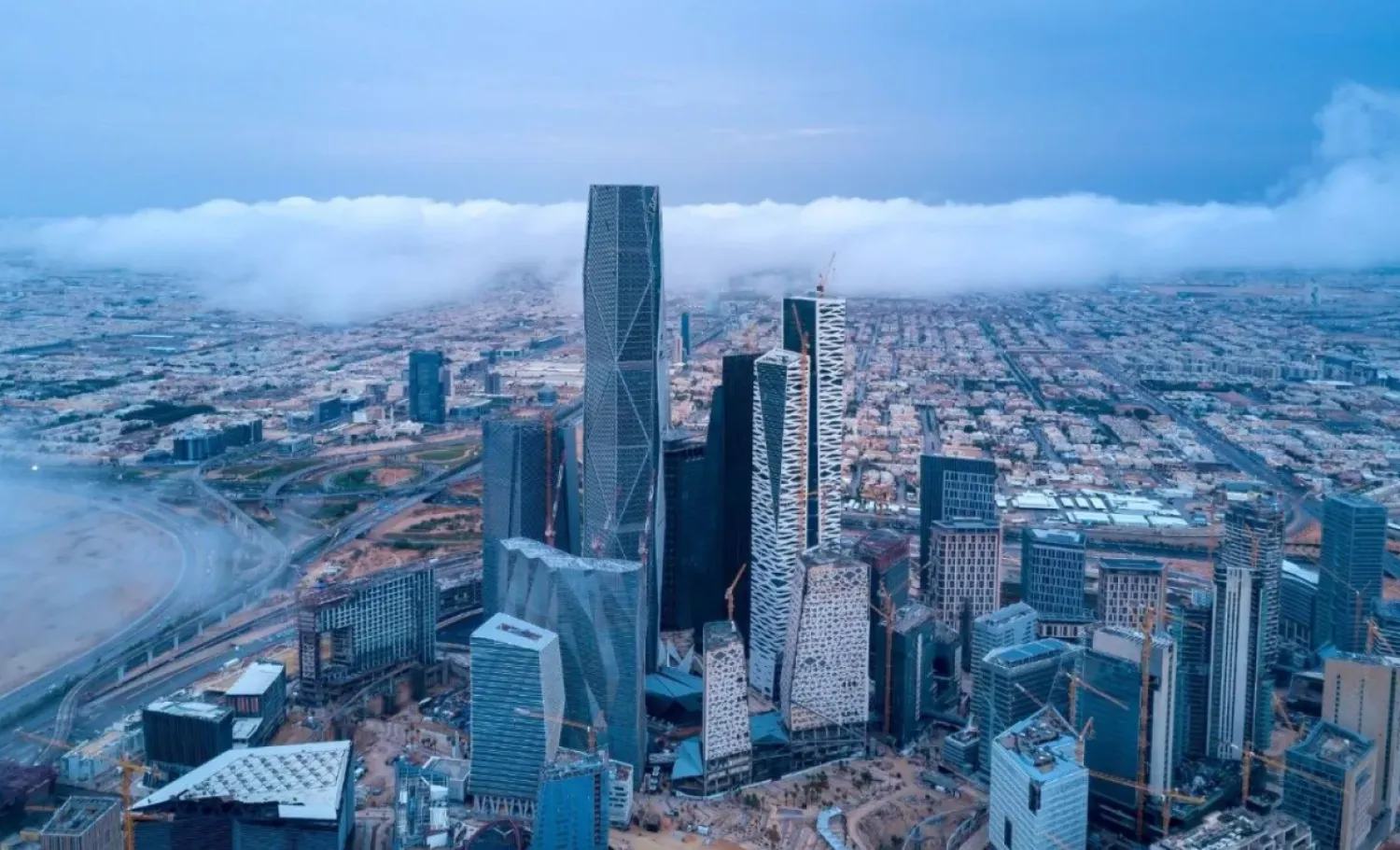
One year after a package of landmark decisions issued by Crown Prince Mohammed bin Salman on March 29, 2025 to rebalance Riyadh’s real estate market, a new trajectory is taking hold across the capital, particularly in its northern districts.
Data from the Real Estate Exchange showed a clear retreat in speculative activity that had strained the market for years, with transaction values recording a sharp 64% decline, marking the start of a “major correction” toward a more a sustainable real estate model that places the needs of citizens and genuine developers at the center of the market.
The Crown Prince’s directives outlined a new path for the market through a set of key executive measures, including lifting restrictions on millions of square meters in northern Riyadh, activating fees on vacant land to boost housing supply, freezing rent increases, and regulating contractual relations between landlords and tenants. These steps have contributed directly to stabilizing housing costs and curbing unjustified price surges seen in recent years.
The impact of these structural reforms was reflected in data from the Real Estate Exchange affiliated with the Ministry of Justice, which showed a 64% drop in transaction values. Transactions stood at around 53,000 deals worth more than $17.3 billion (65 billion riyals), compared with approximately $48.3 billion (181 billion riyals) in the year preceding the decisions. Total traded land area also declined to 153,000 square meters from 228,000 square meters, which experts attribute to a shift in liquidity from large-scale land speculation to organized residential development projects.
Reshaping the real estate market
Real estate specialists told Asharq Al-Awsat that these measures have reshaped Riyadh’s property market toward a more sustainable model driven by real development and genuine housing demand, guiding it toward greater balance, maturity, price stability, and closer alignment between real estate products and actual market needs. They added that this transformation represents a significant step toward building a more sustainable market capable of keeping pace with the Kingdom’s economic changes.
Real estate expert and marketer Saqr Al-Zahrani told Asharq Al-Awsat that the impact of these decisions has led to a clear structural shift in the market. He said the decline in transaction values does not reflect weak activity as much as it reflects a retreat in speculative practices that had pushed prices beyond levels linked to real housing demand.
He added that the balancing measures helped establish a new pricing benchmark for residential land, particularly with the offering of supported land at around 1,500 riyals per square meter, which has reset price expectations in several districts and curbed unjustified increases seen in recent years.
He noted that undeveloped land in northern Riyadh has experienced what he described as a “free fall” in prices, according to market reports, with some locations seeing significant declines after years of rapid increases fueled by speculation and growth expectations. He said this decline is viewed as part of a natural correction process that re-prices land based on more realistic criteria tied to development value and actual housing demand.
From speculation to development
Al-Zahrani said that over the past year, several key trends have emerged, most notably a shift in liquidity from speculation toward real estate development, with greater focus on structured development projects instead of trading undeveloped land. He added that the genuine homebuyer has re-emerged as the main driver of the market following a decline in short-term investors.
He also said early off-plan sales projects have begun to emerge, both in housing units and developed land, a model expected to expand in the coming period as it helps increase housing supply and reduce ownership costs. The market is also awaiting new regulations, particularly fees on vacant properties, which are expected to bring idle assets into use and improve the efficiency of real estate stock within cities.
Al-Zahrani said the Riyadh real estate market is likely to move toward a more mature and sustainable phase, with expected growth in off-plan projects and increased supply driven by continued regulatory reforms, which could lead to price stability and a better balance between supply and demand.
He added that current market conditions do not reflect a slowdown as much as a restructuring phase toward a more sustainable model based on real development and genuine housing demand, supporting urban development goals and enhancing quality of life in the capital.
Market behavior
For his part, real estate expert and marketer Abdullah Al-Mousa told Asharq Al-Awsat that Riyadh’s real estate market has entered a pivotal stage in its economic cycle. He said the changes seen over the past year cannot be explained solely by transaction volumes or values, but must be understood within a broader context of reshaping market behavior and recalibrating the relationship between supply and demand.
He added that in the years preceding these decisions, the market saw rapid price increases driven by several factors, including rising demand, accelerated urban growth, and the entry of various investment segments. Over time, rebalancing became necessary to ensure market sustainability and limit unjustified price increases.
Al-Mousa said the decline in transactions over the past year can be seen as a natural reflection of a recalibration phase, during which buyers tend to pause and reassess investment decisions, while developers and owners review pricing and marketing strategies in line with new conditions.
He noted that one of the most prominent features of this period has been increased awareness among market participants, with purchasing decisions becoming more closely tied to value and economic feasibility rather than short-term price expectations. Some real estate companies have also begun restructuring their sales and marketing models, including offering longer payment plans and redesigning products to better match market needs.
The expert said this phase has contributed to reducing speculative activity that previously influenced price movements in some areas, encouraging a stronger shift toward actual land development rather than holding land as idle assets awaiting price increases.
He added that what is happening in Riyadh’s real estate market today does not represent a downturn but a transitional phase reshaping market rules- from one driven by price speculation to a more mature and stable market based on real asset value and long-term development efficiency. This, he said, marks an important step toward building a more sustainable market aligned with the Kingdom’s economic transformation.
Al-Mousa concluded that the Riyadh real estate market is expected to continue on a more balanced and mature path in the coming period, with competition increasingly tied to product quality, development efficiency, and alignment with actual market needs, alongside ongoing major projects that will keep the sector a key driver of economic growth.