



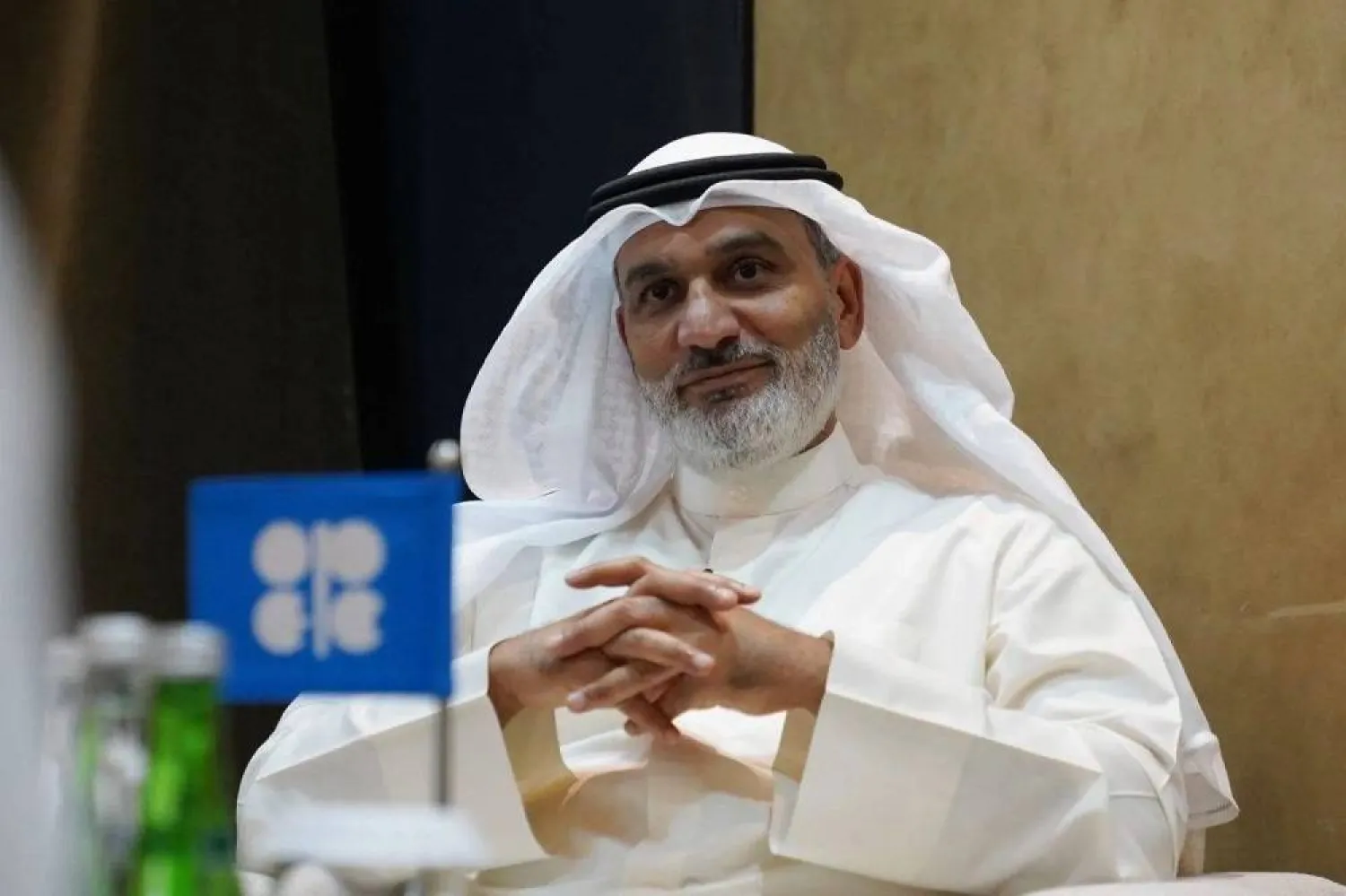

OPEC Secretary-General Haitham Al-Ghais stressed that the organization’s decisions are guided by a long-term vision for global markets, aiming to achieve price stability.
Speaking at the India Energy Week conference in New Delhi on Tuesday, Al-Ghais stated the market assessment was purely based on technical grounds, without political considerations.
His remarks come in response to repeated calls from US President Donald Trump urging OPEC to increase oil production to help lower prices. However, earlier this month, OPEC and its allies, collectively known as OPEC+, confirmed their commitment to gradually increasing oil production starting in April.
The group’s production cuts remain in place until the end of March due to concerns over global demand and rising output from non-OPEC producers.
Al-Ghais highlighted that oil has been one of the least volatile commodities over the past year, attributing this stability to the strategic decisions made by OPEC+. “This is our objective, and we will continue working toward it,” he said.
Moreover, he stressed that investment in the oil sector will remain essential to meeting future demand reliably. He estimated that cumulative investment requirements between 2024 and 2050 would reach approximately $17.4 trillion, averaging $640 billion annually.
Speaking to the UAE state news agency during the 2025 World Government Summit, Al-Ghais explained that exploration and production will absorb the largest share of these investments, totaling around $14.2 trillion, or $525 billion per year. Additionally, the refining, petrochemical, transportation, and storage sectors are expected to require $1.9 trillion and $1.3 trillion, respectively, over the same period.
He reiterated OPEC’s commitment to stabilizing the global oil market, ensuring a steady and reliable petroleum supply for consumers, securing stable revenues for producers, and guaranteeing fair returns for investors in the oil industry.
Al-Ghais emphasized OPEC’s long-standing role in fostering dialogue between producers and consumers across the energy sector.
He noted that key global energy issues - including market stability, supply security, economic outlooks, and environmental concerns - directly influence the balance of global energy markets, particularly the oil and gas industry.
Proactive engagement is essential to bridging perspectives among all stakeholders, he remarked.


