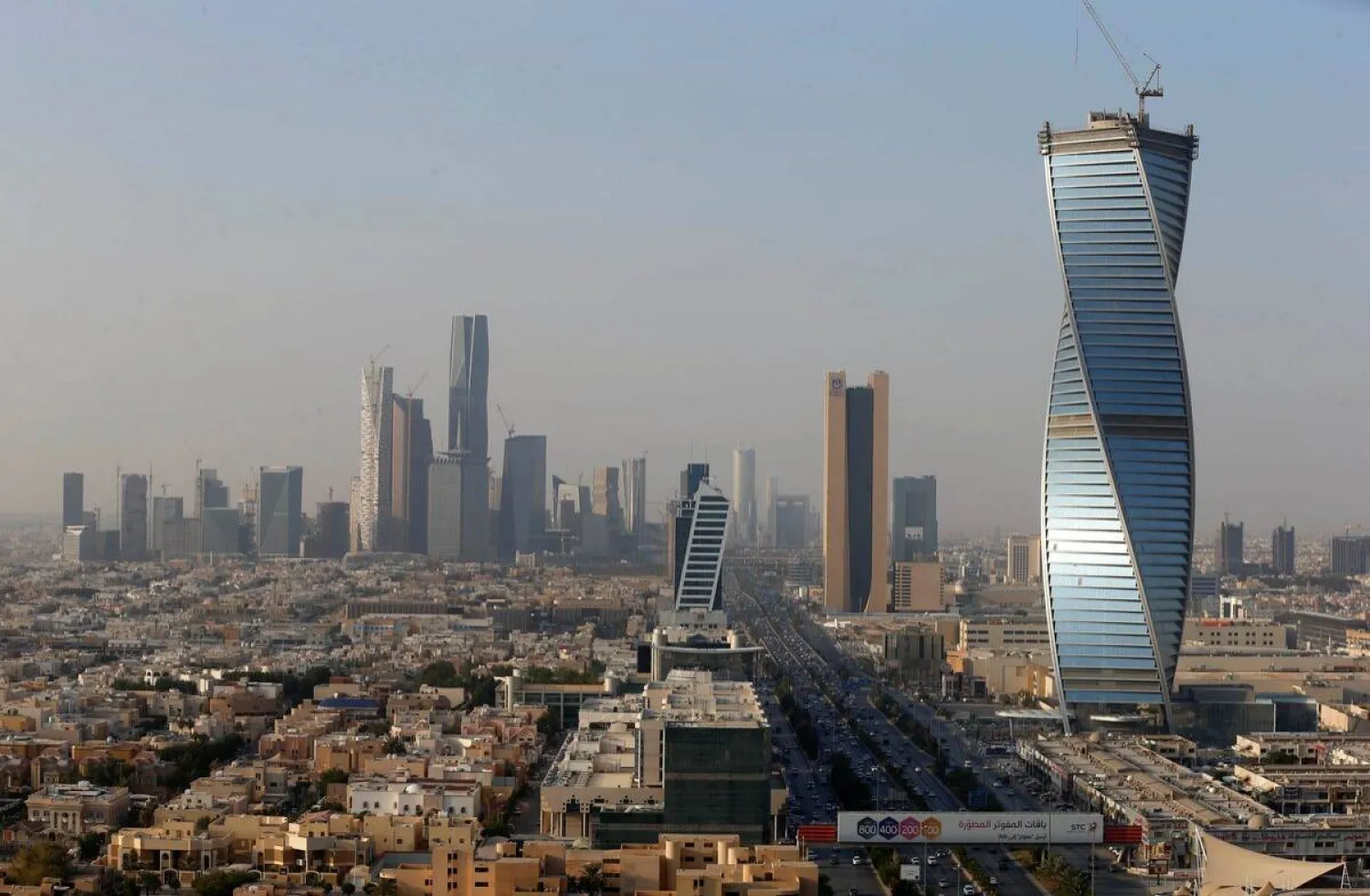
Saudi Arabia’s Council of Economic and Development Affairs (CEDA) held a virtual meeting to consider a package of strategic reports outlining the Kingdom’s economic and development trajectory.
The council issued the 2025 annual report on Saudi Vision 2030, showing clear progress across its three pillars — a vibrant society, a thriving economy and an ambitious nation — while underscoring the resilience of the national economy, supported by prudent fiscal policies and solid logistics infrastructure.
The report highlighted qualitative advances during the Vision’s second phase, reflecting its flexibility and ability to adapt to changing conditions in line with its third phase. It emphasized efforts to build on gains achieved in the first two phases and accelerate implementation by sharpening priorities and advancing national programs and strategies.
Resilience amid global developments
CEDA also discussed the monthly report from the Ministry of Economy and Planning, which covered global economic developments and growth prospects in light of current regional events and their repercussions for both major and emerging economies.
The report examined the impact of geopolitical tensions on Gulf economies and supply chains, as well as their potential implications for Saudi Arabia’s economic and financial outlook. It pointed to the Kingdom’s “exceptional resilience,” supported by strong economic and fiscal policies and robust logistics infrastructure.
Public sector performance
The council reviewed a presentation by the National Center for Performance Measurement of Public Agencies (Adaa) on its 2025 annual performance report. The findings showed continued positive performance by government entities in meeting targets, reflecting stable delivery and efficient execution.
The report also outlined the center’s work in strengthening the measurement of national strategies and reviewing strategic documents to ensure that indicators and initiatives fully cover all objectives. It included results from the latest evaluation cycle of performance management practices across public entities.
CEDA also discussed a presentation by the National Center for Privatization (NCP), highlighting key results for the second half of 2025, including the performance of supervisory committees and progress on major projects. The presentation showed improved overall performance and an increase in the number of privatization projects during the period.
Grand Mosque services and infrastructure
The council discussed a presentation by the Royal Commission for Makkah City and Holy Sites on projects in the central area of the Grand Mosque in Makkah. The briefing addressed the use of advanced technologies to monitor and manage waste, measures to facilitate the movement of vehicles and goods into the central area, and steps to enhance safety procedures and intensify oversight of expansion projects to ensure the safety of worshippers.
It also outlined a three-year plan covering systems related to health, safety, security and the environment.
Governance and policy updates
Moreover, CEDA saw a report on the updated national framework for governance, risk, compliance and internal audit functions, including its pilot application across selected government entities, proposals for broader implementation and mechanisms to measure compliance.
The council also considered a number of procedural matters, including a draft national intellectual property policy.
It was briefed on the semiannual report of the ministerial committee on social support and subsidies, as well as updates from the committee on improving the balance of payments and advancing economic diversification.
Further briefings included a monthly report on progress in implementing the executive plan to host regional headquarters of international organizations, a quarterly report from the standing committee for price monitoring, and summaries of the latest consumer price index and wholesale price index reports, along with the underlying data.