
Prince Mohammed bin Salman, Saudi Crown Prince and Prime Minister, arrived in Washington on Tuesday for talks with President Donald Trump and a Saudi-US investment summit, reinforcing the strategic weight of the financial partnership between the two countries, which is an essential pillar of Saudi Vision 2030.
The Crown Prince’s trip is not merely a diplomatic engagement; it reflects the deepening economic cooperation aimed at transforming Saudi Arabia into a global financial center. Today, 17 major US financial institutions operate in the Saudi market, making the United States one of the Kingdom’s most influential strategic partners in the sector.
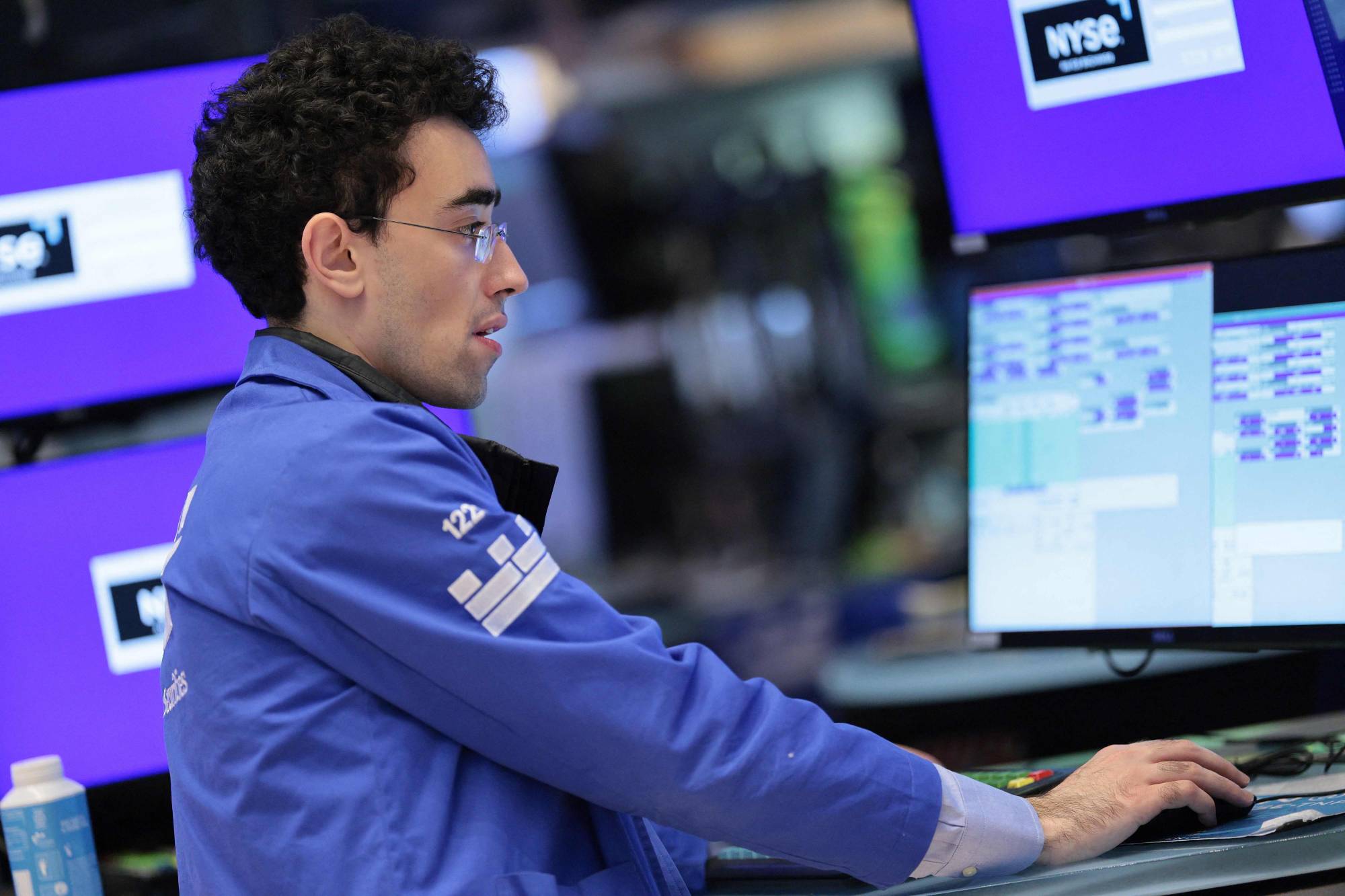
Saudi officials say this cooperation has helped lift the value of the Saudi financial market to over USD 3 trillion by 2024. US institutions now account for nearly 30 percent of foreign investment in the sector.
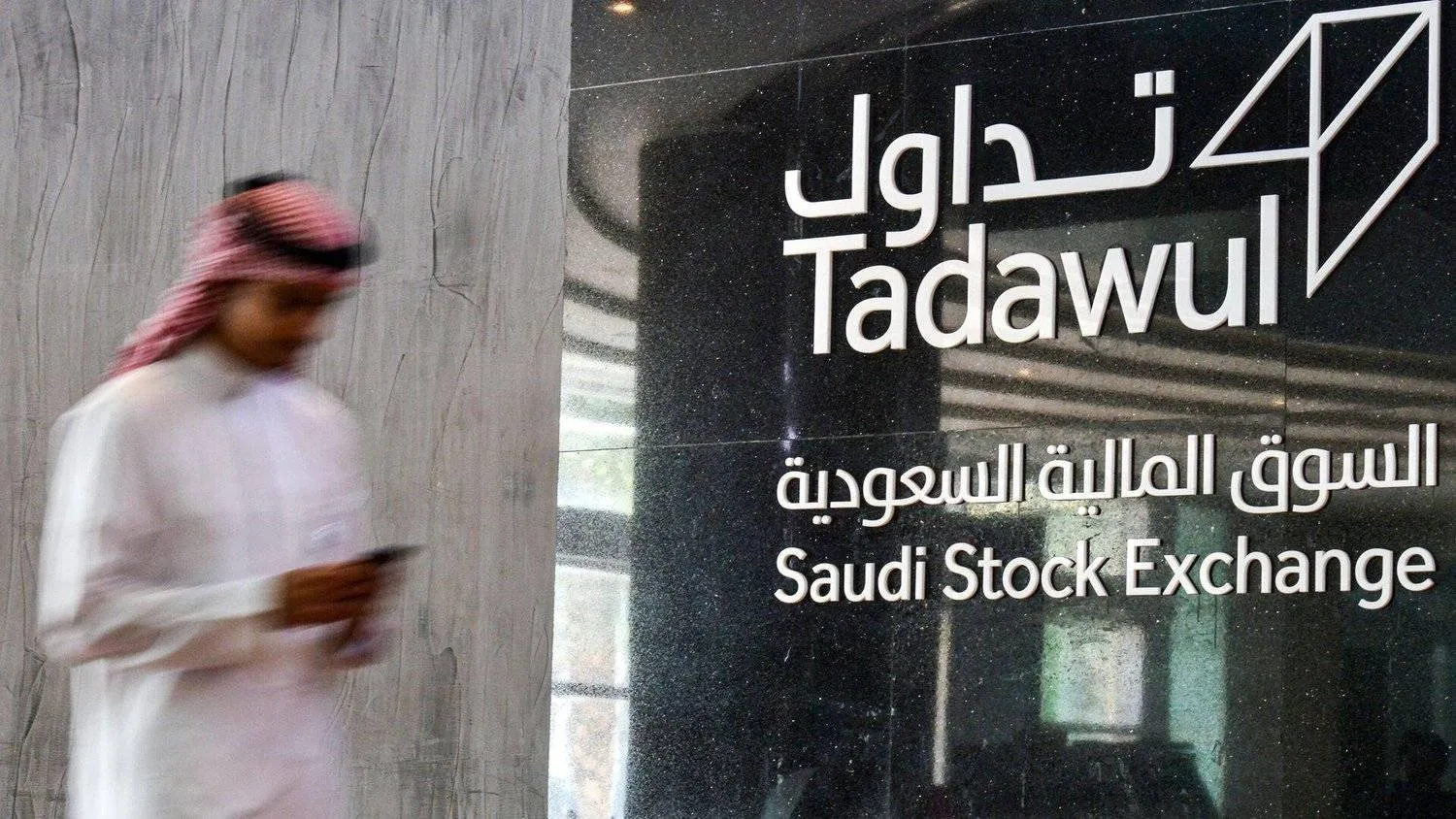
Saudi Arabia began gradually opening its financial markets to foreign investors in 2015, introducing the Qualified Foreign Investor (QFI) framework. Momentum accelerated in 2019, when Tadawul was added to the MSCI and FTSE Russell emerging-market indices, attracting tens of billions of dollars in passive inflows.
Reforms under Vision 2030 helped modernize market regulations, increase transparency, and encourage foreign institutional participation. Key initiatives include the launch of the Fintech Regulatory Sandbox in 2019 and the introduction of financial derivatives trading in 2020, both aimed at enhancing liquidity and reducing volatility while opening the door to advanced global market players.
As a result, US institutional participation expanded significantly, reaching about 30 percent of total foreign exposure to Saudi financial instruments.
Critical role
American institutions have played a critical role in developing the Saudi capital market through direct investment, knowledge transfer, support for liquidity, corporate-governance modernization, and infrastructure development. Their presence has strengthened market depth and increased the appeal of Saudi assets to global investors.
Cooperation with US banks has also bolstered Saudi Arabia’s exchange-traded funds (ETF) ecosystem and strengthened the Kingdom’s debt market, supported in part through partnerships with the Public Investment Fund (PIF). This has boosted foreign focus on Saudi bonds and contributed to deeper fixed-income markets.
US institutions were also instrumental in landmark market events, including the 2019 Aramco IPO, valued at USD 29.4 billion, the world’s largest public offering at the time. Related reforms and advisory support helped drive a 110 percent increase in foreign investment in 2018.
Saudi Arabia’s Capital Market Authority (CMA) has also benefited from US expertise in areas such as mergers and acquisitions, market-making regulations, and strategies to reduce volatility and strengthen market stability.
Liquidity, governance and financial inclusion
The growing partnership has elevated performance standards and transparency across the Saudi financial sector.
Enhanced liquidity and improved governance practices, ranging from risk-management frameworks to anti-financial-crime systems, have contributed to the rise of banking assets across Gulf Cooperation Council countries to USD 2.3 trillion.
Higher governance standards have also helped Saudi Arabia improve its financial inclusion index score to more than 60 points, according to the International Monetary Fund.
Leading US institutions operating in Saudi Arabia:
Several major US firms are now deeply embedded in the Saudi financial landscape, reflecting long-term commitments to the Kingdom’s economic transformation.
BlackRock
Global asset-management giant BlackRock has established one of the strongest presences in Riyadh among foreign financial institutions. It was the first major global investment manager to open a regional office in the Saudi capital and last year added Amin Nasser, CEO of Saudi Aramco, to its board of directors.
In 2024, BlackRock signed an MoU with the Public Investment Fund to establish a multibillion-dollar multi-asset investment platform in Riyadh, backed by an initial USD 5 billion commitment from PIF.
During the Future Investment Initiative (FII) last October, BlackRock and PIF announced a series of new joint investment funds through the BlackRock Riyadh Investment Management Platform, open to both domestic and international investors.
J.P. Morgan
J.P. Morgan, the largest US bank by assets, remains a key financial partner to Saudi Arabia. It holds two operating licenses in the Kingdom: a banking license from the Saudi Central Bank (SAMA) and a securities license from the Capital Market Authority.
The bank is active in advisory, asset management, and capital-markets activities, and continues to expand its role in both public- and private-sector financing.
Morgan Stanley
Morgan Stanley leverages its extensive expertise to enhance the global appeal of Saudi public offerings. The firm has participated in advising and managing several IPOs, including the upcoming listing of SITE, a PIF subsidiary.
In September, Tadawul Saudi Exchange approved the request submitted by Morgan Stanley Saudi Arabia to operate as a market maker on 52 listed stocks across both the Main Market and the Parallel Market (Nomu). The move enables the exchange to benefit from the firm’s technical capabilities, improve overall market efficiency, and narrow bid-ask spreads.