


War Hits Lebanon Dollar Lifeline, Remittances Fall Sharply

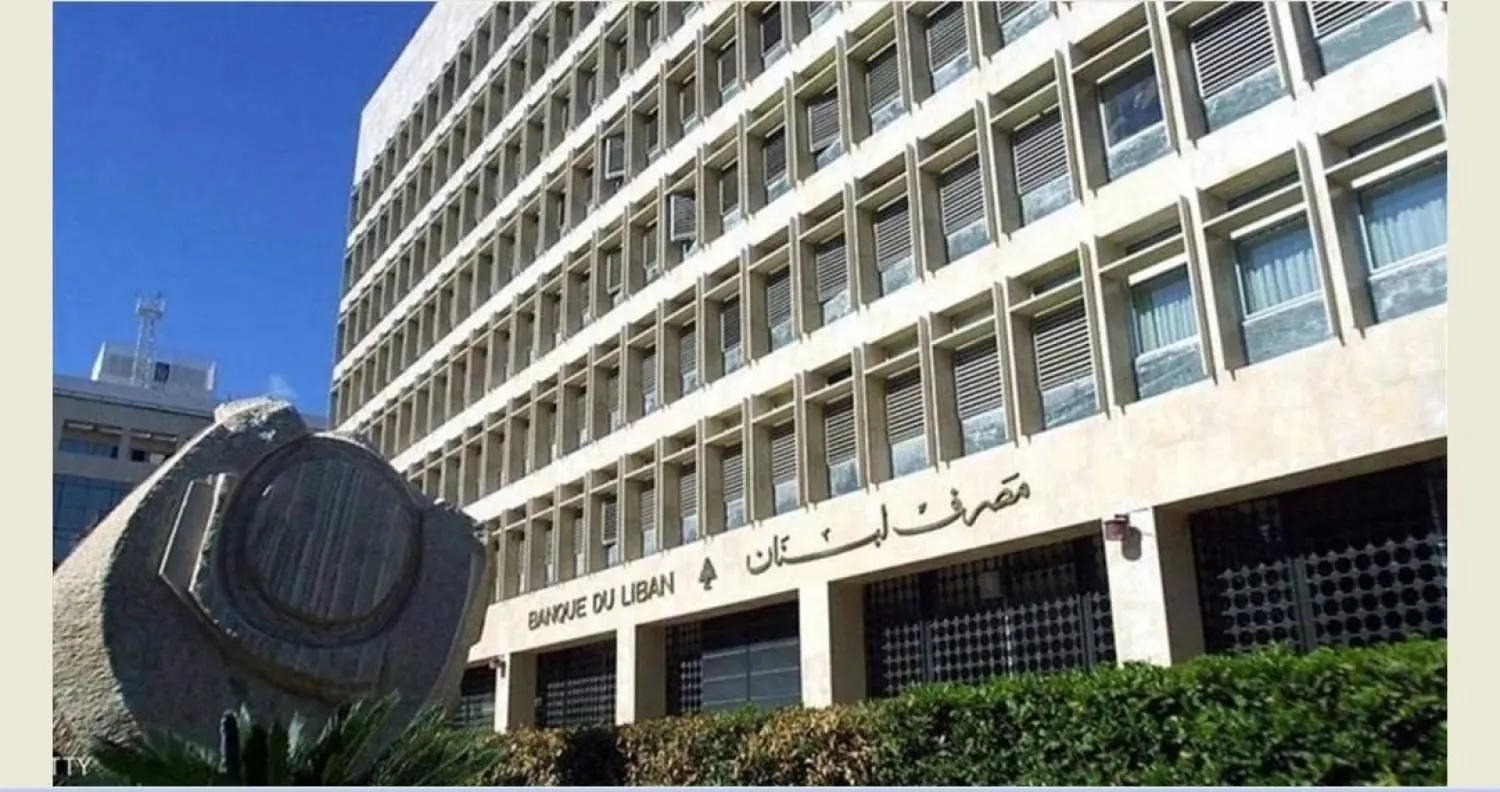
Lebanon’s central bank (National News Agency)
TT

War Hits Lebanon Dollar Lifeline, Remittances Fall Sharply

Lebanon’s central bank (National News Agency)

A Lebanese mother described the sharp decline in one of her last sources of income, once a pillar of her financial stability, as remittances from her son abroad dwindled in the wake of the war.

“My son used to send me $600 a month. I lived on it, covered my medication and basic needs. After the war, the transfer does not exceed $200,” she told Asharq Al-Awsat.

Her account reflects a broader trend among Lebanese households, in which remittances from relatives abroad have dropped by 10% to 15% during the war. The conflict has left its mark on multiple countries, including Lebanon, driving inflation and creating obstacles to money transfers.

The financial situation was also discussed in a meeting between Lebanese President Joseph Aoun and central bank governor Karim Saeed, where current monetary and financial conditions, exchange rate stability, and precautionary measures to maintain liquidity were reviewed.

Rapid contraction and rising pressure

The issue has reached the government. Economy Minister Amer Bisat presented updated wartime estimates to the cabinet on Thursday, highlighting economic contraction and declining incomes driven by large-scale displacement, along with a notable rise in unemployment.

He cited sectoral and field studies showing deteriorating indicators, estimating the contraction at 7%-10%, coupled with slower inflows of funds into the country.

Bisat said the situation remains “relatively under control,” noting that the ministry continues to pursue cases of monopoly and fraud through dozens of reports, judicial referrals, and the seizure of non-compliant goods.

He warned that a prolonged war would heighten economic risks, describing inflation as a real challenge, while the balance of payments remains within acceptable limits.

Impact on daily life

The Lebanese mother told Asharq Al-Awsat: “I used to organize my life around the $600 my son sent me every month. I would pay for medication first, then cover household needs. Now I have to ration spending. I can no longer pay the electricity bill regularly.”

She added: “I buy smaller quantities of everything and postpone whatever I can. Sometimes I ask the pharmacy for medicine on credit. I never imagined I would reach this point.”

In the Bekaa Valley, Abu Mohammad described a similar experience: “My son used to send $400 a month, now it barely reaches $200.”

“I relied on that amount to cover rent and basic expenses. Now everything has changed. We live day to day on installments. We buy only the bare minimum and delay everything, rent, bills, even some essentials,” he said.

“Sometimes we sit together as a family to decide what we can pay this month and what to postpone. This did not exist before. Now it is part of our daily life.”

A shrinking economic backbone

Economist Walid Abou Suleiman said remittances have formed the “backbone of Lebanon’s economy since the 2019 crisis,” noting that the country relies heavily on them to secure foreign currency, as Lebanon imports about 85% of its consumer needs.

He told Asharq Al-Awsat that annual remittances are estimated at around $6 billion, including roughly $3 billion from Gulf countries, but have begun to decline, with at least a 5% drop recorded in the first month of the crisis.

“The impact of crises does not appear immediately; it builds gradually in the following months, meaning the decline is likely to worsen,” he said.

Hundreds of millions in losses

Abou Suleiman expects remittances to fall by 10% to 15%, equivalent to annual losses of between $450 million and $500 million, or about $40 million per month.

This decline is compounded by job losses among Lebanese expatriates in the Gulf, increasing domestic pressure as some return to Lebanon.

He added that the war has also affected other sources of foreign currency, particularly tourism. “Seasons that used to inject dollars into the market, such as Easter, have been absent this year,” he said, adding that rising global oil prices are worsening the crisis, as Lebanon is among the countries most affected by energy costs.

“The treasury is bearing additional burdens estimated at around 18% due to these increases,” he said.

Abou Suleiman warned that global inflation directly impacts Lebanon. “We do not only import goods, but we also import inflation with them, given the absence of local production and self-sufficiency,” he said, cautioning that the economic outlook will deteriorate further if the war continues.

Ongoing decline and uncertain outlook

Economist Professor Jassem Ajaka said remittances to Lebanon have recorded a notable decline, estimating a drop of around 5% last week, possibly rising to between 5% and 10% as conditions continue to evolve, with no precise figure due to constantly changing data.

He said the decline is logical, as Lebanese workers in the Gulf and Europe have also been affected by slowing economic conditions there.

“The crisis is no longer confined to one country or region; it is global, though its impact varies from place to place,” he said.

Ajaka stressed that remittances remain a key pillar, alongside tourism, which is largely driven by expatriates. “The tourism sector is almost entirely halted. The season can be considered lost, and even the upcoming summer season is not guaranteed. Recovery will not be quick, even if the war ends,” he said.

Tourism revenues were estimated at between $4 billion and $4.5 billion annually, making them a major source of foreign currency.

Exports are also expected to decline by around 10% due to damage to the agricultural sector in the south and Bekaa, as well as higher industrial production costs driven by rising oil prices.

Dollar inflows shrink, risks expand

Ajaka said remittances now represent the last line of resilience for many Lebanese families, but this pillar is weakening with the current decline.

He warned that the most serious consequence is a shortage of dollars in the market, raising questions about Lebanon’s ability to finance imports of fuel, food, and medicine.

A temporary solution could involve the central bank financing imports from its foreign currency reserves, he said, but this would amount to crisis management, with repercussions worsening the longer it continues.

He added that pressures are not limited to economic factors, but also include measures that restrict dollar inflows, further reducing liquidity in the market.




Saudi Arabia, Switzerland Sign Agreement on Reciprocal Protection of Investments

The agreement aims to strengthen and stabilize the investment environment, protect investors’ rights, and support the flow of mutual investments between the two countries. SPA
TT

Saudi Arabia, Switzerland Sign Agreement on Reciprocal Protection of Investments

The agreement aims to strengthen and stabilize the investment environment, protect investors’ rights, and support the flow of mutual investments between the two countries. SPA

Saudi Minister of Foreign Affairs Prince Faisal bin Farhan bin Abdullah and Minister of Investment Fahad Al-Saif have participated in the Saudi-Swiss Investment Roundtable Meeting in Jeddah, which was followed by the signing of an investment agreement between the two countries.

The meeting took place in the presence of Swiss President Guy Parmelin, with the participation of State Secretary for Economic Affairs Helene Budliger Artieda, along with a large number of officials and business leaders from both sides.

During the meeting, the conferees reviewed joint investment opportunities, discussed ways to strengthen economic cooperation between the two countries, and explored the development of partnerships in priority sectors in a manner that supports economic growth and enhances relations.

The meeting was held on the sidelines of the Swiss President’s official visit to the Kingdom, as the two countries mark 70 years of diplomatic relations that have, from the outset, helped lay the foundations of cooperation and build a partnership based on mutual respect and the development of shared interests between the two states.

After the meeting, an agreement was signed between the Saudi government and the Swiss Federal Council on the promotion and reciprocal protection of investments.

It was signed on the Saudi side by Al-Saif, and on the Swiss side by Parmelin.

The agreement aims to strengthen and stabilize the investment environment, protect investors’ rights, and support the flow of mutual investments between the two countries.

The meeting was attended by Saudi Ambassador to Switzerland and the Principality of Liechtenstein Abdulrahman Aldawood.


US Stocks Dip on Mixed Earnings as Markets Monitor Iran

A trader works on the floor of the New York Stock Exchange (NYSE) at the opening bell in New York on March 24, 2026.  (Photo by ANGELA WEISS / AFP)
A trader works on the floor of the New York Stock Exchange (NYSE) at the opening bell in New York on March 24, 2026. (Photo by ANGELA WEISS / AFP)
TT

US Stocks Dip on Mixed Earnings as Markets Monitor Iran

A trader works on the floor of the New York Stock Exchange (NYSE) at the opening bell in New York on March 24, 2026.  (Photo by ANGELA WEISS / AFP)
A trader works on the floor of the New York Stock Exchange (NYSE) at the opening bell in New York on March 24, 2026. (Photo by ANGELA WEISS / AFP)

Wall Street stocks retreated from records early Thursday as markets digested a trove of mixed earnings reports and monitored the latest dynamics between the United States and Iran.

Analysts cited profit-taking after both the S&P 500 and Nasdaq shrugged off a jump in oil prices to finish at records on Wednesday.

About 10 minutes into trading, the Dow Jones Industrial Average was down 0.4 percent at 49,311.39, AFP reported.

The broad-based S&P 500 dipped 0.2 percent to 7,126.19, while the tech-rich Nasdaq Composite Index declined 0.3 percent to 24,588.07.

David Morrison, senior market analyst at FCA, called Thursday's early trading action "a mild bout of profit-taking triggered by some worrying reports of hostile action between the US and Iran," according to a note.

The US Defense Department said its forces boarded a vessel in the Indian Ocean that was transporting oil from Iran, while President Donald Trump announced on social media that he ordered the Navy to "shoot and kill" boats placing mines in the Strait of Hormuz.

Iran vowed it would keep the strait closed to all but a trickle of approved vessels for as long as the United States blockaded its ports.

Among companies reporting results, Tesla fell 1.7 percent and Lockheed Martin dropped 3.7 percent, while American Airlines jumped 4.9 percent.


What Does the Inclusion of Saudi Bonds in the J.P. Morgan Index Mean?

Saudi woman walks at the Saudi stock market in Riyadh - Reuters
TT

What Does the Inclusion of Saudi Bonds in the J.P. Morgan Index Mean?

Saudi woman walks at the Saudi stock market in Riyadh - Reuters

Saudi Arabia’s debt market is set for a strategic shift in early 2027, following J.P. Morgan’s announcement that local-currency bonds will be included in its global emerging markets bond index. The move represents a vote of confidence in the Kingdom’s structural reforms and is expected to open the door to substantial capital inflows that will help finance major economic transformation projects.

In a note, J.P. Morgan said the move follows a series of reforms to improve foreign investor access and enhance local market capabilities.

The bank added that Saudi sukuk, Shariah-compliant debt instruments that function similarly to bonds, with a remaining maturity of up to 15 years, will be eligible for inclusion in the Government Bond Index-Emerging Markets (GBI-EM), the most widely tracked benchmark of its kind, with $233 billion in assets tracking it.

J.P. Morgan said eight sukuk issues would be eligible for inclusion, with a total value of $69 billion.

The Kingdom’s inclusion in the index is expected to boost liquidity and demand for sovereign debt, contributing to lower borrowing costs.

In September, J.P. Morgan had placed Saudi Arabia on “Positive Index Watch,” paving the way for its eventual inclusion in the GBI-EM.

Commenting on the decision, Saudi Finance Minister Mohammed Al-Jadaan told Bloomberg that the move reflects continued confidence in the Kingdom’s economic transformation trajectory. He said the inclusion marks a new milestone in Saudi Arabia’s integration into global financial markets, adding that its immediate impact will be seen in broadening and diversifying the investor base and supporting long-term capital inflows into the domestic debt market, thereby strengthening the resilience and stability of the national economy.

The Significance of the Index

The importance of J.P. Morgan’s index lies in its role as a benchmark guiding major global fund allocations, particularly passive funds that track indices automatically. With an expected weighting of around 2.52 percent, Saudi bonds will become a core component of international investor portfolios, increasing government bond liquidity and reducing borrowing costs over the long term, a critical factor for the Kingdom’s economy.

Passive funds play a key role in ensuring steady inflows. Trillions of dollars globally are managed through such funds. Once Saudi Arabia is included in the index, these funds will purchase Saudi bonds to remain aligned with it. Unlike active investors, they do not rapidly buy or sell based on daily news or market sentiment, but continue to hold bonds as long as they remain in the index, providing significant stability to the Saudi debt market. Their participation also ensures a constant base of large-scale buyers, facilitating bond trading at any time.

Reforms That Paved the Way

This inclusion is the result of a series of regulatory reforms highlighted by the bank in its note. Saudi Arabia has improved international investor access by linking to the global Euroclear system, expanding its network of primary dealers to include international banks, and facilitating cross-border settlement and trading. These measures have enhanced legal certainty and transparency, making the Saudi debt market an attractive and secure destination for foreign capital.

Financial Stability Amid Regional Challenges

Beyond its economic dimensions, the move carries strategic significance amid ongoing geopolitical tensions in the region. Increased inflows into local bonds are expected to strengthen the government’s ability to manage any economic fallout from regional instability. It underscores the resilience and attractiveness of the Saudi economy, demonstrating its capacity to attract quality investment and secure the financing needed for its development plans regardless of external challenges.