




Saudi Arabia has emerged as a key stabilizing force in global energy markets during the crisis triggered by the US-Israeli-Iranian war that disrupted the Strait of Hormuz, helping contain what experts describe as an unprecedented supply shock.
While pessimistic forecasts had pointed to oil prices surging toward $200 per barrel, Saudi action helped cap prices at around $112, drawing on extensive infrastructure and flexible logistics that reinforced its reputation as the world’s “central bank of oil.”
Experts told Asharq Al-Awsat that the Kingdom’s strategic East-West pipeline, known as Petroline, proved decisive in mitigating the crisis.
Fadl bin Saad al-Buainain, a member of Saudi Arabia’s Shura Council and an economic adviser, said Riyadh has cemented its role as a global oil stabilizer through active management and policies aimed at balancing markets and ensuring supply continuity.
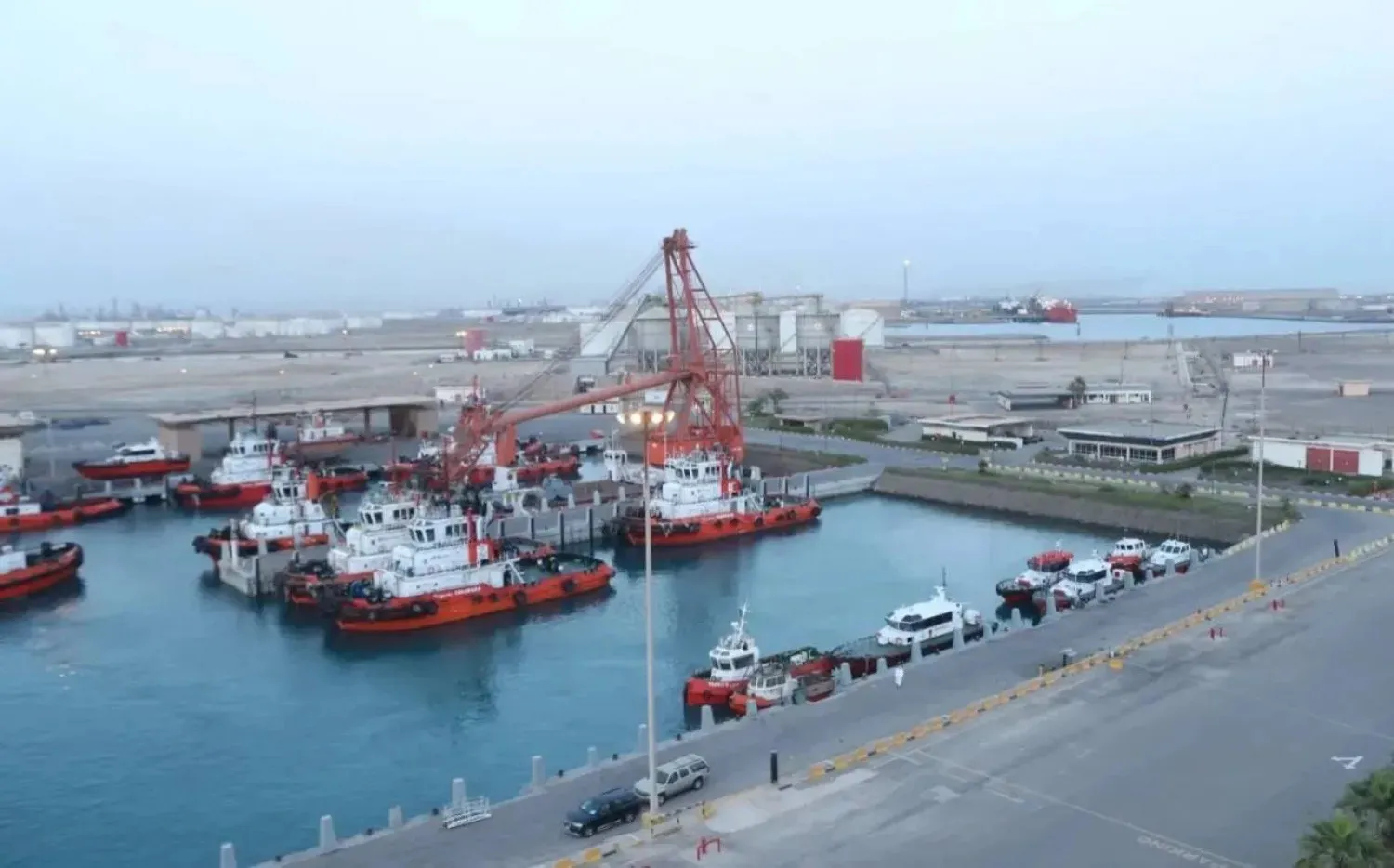
He stressed that this role was evident during the Hormuz crisis, as Saudi Arabia rerouted exports from the Gulf to the Red Sea via Petroline, pumping about 7 million barrels per day to the port of Yanbu, with part directed to domestic refineries and most exported abroad.
Alternative routes and market confidence
Al-Buainain said Saudi Aramco’s ability to rely on secure export alternatives enabled the Kingdom to navigate the crisis and reassure markets.
He noted that this reliability reflects long-term investments in production, transport and overseas storage, which act as a buffer against disruptions. Aramco also plays a central role in contingency planning to address geopolitical risks, he added.
The disruption of the Strait of Hormuz, through which roughly one-fifth of global oil supply passes, posed a major shock to the global economy and threatened maritime security. However, Saudi alternatives helped ease the impact, including the use of global reserves to offset supply shortfalls.
Al-Buainain said Saudi Arabia’s commitment to its customers, including its decision not to declare force majeure, was key to preventing prices from rising above $150.
He warned that the crisis could worsen if no solution is found to secure navigation in the strait, given its importance to critical sectors such as agriculture and petrochemicals.
Red Sea as strategic outlet
Abdulrahman Baashen, head of the Shurooq Center for Economic Studies, said Saudi Arabia successfully leveraged its “flexible geography” by activating alternative export routes managed by Saudi Aramco, boosting global market confidence despite regional tensions.
He added that the Red Sea provided a strategic alternative to Hormuz, allowing Aramco to maintain steady flows and meet its commitments under difficult conditions.
Baashen said continued Saudi exports via the Red Sea played a crucial role in limiting price increases. Although prices rose to $112 per barrel, the strategy helped avert a worst-case scenario of a surge to $200.
Rapid response and operational flexibility
Economist Ibrahim Alomar, head of Sharah for Researches and Economic Studies, said Saudi Arabia demonstrated exceptional reliability as a major energy producer.
He pointed to a sharp rise in flows through the East-West pipeline, from an average of 770,000 barrels per day in January and February to about 2.9 million barrels, and then to more than 5 million barrels per day within weeks.
“This reflects rare operational flexibility that only a country acting as the world’s oil central bank can provide,” he stated.
Saudi preparedness helped preserve about 85 percent of its exports, making the pipeline a key safeguard against severe supply shocks, Alomar added.
He warned that a 20 percent disruption in global supply through Hormuz could have pushed prices to between $230 and $300 per barrel, triggering a severe global economic shock.
International Energy Agency chief Fatih Birol has credited Saudi Arabia’s rapid response and the redirection of roughly two-thirds of its exports with preventing the situation from spiraling out of control.
Alomar described Saudi Arabia as the “engine of the Gulf economy,” citing its production capacity, infrastructure located away from conflict zones, and logistical support in supplying essential goods across the region via sea, air and land.


